


The Critical Role of Reputation and Review Management in Healthcare
Importance of Online Reputation in Patient Decision-Making
In today's digital age, online reputation plays a vital role in patients' healthcare choices. Studies indicate that about 84-94% of patients consult online reviews before selecting a healthcare provider. A favorable online reputation built upon authentic patient feedback significantly influences trust and credibility, directly affecting patient acquisition rates.
Impact of Reviews on Healthcare Practice Visibility and Growth
Positive online reviews enhance healthcare practices' visibility, improving local search engine optimization (SEO) on platforms like Google, Healthgrades, and Yelp. A higher volume of favorable reviews and ratings (typically 4 stars or above) can elevate a provider's search ranking, thus attracting more qualified leads and boosting patient growth. Timely encouragement of satisfied patients to share their experiences—often through automated tools—can sustainably increase review volume and quality.
Overview of Reputation Management in the US Healthcare Market
Reputation management in the US healthcare sector involves proactively shaping and monitoring the digital presence of providers. This includes claiming and optimizing online profiles, collecting real-time patient feedback through experience management platforms, and professionally responding to both positive and negative reviews while complying with HIPAA regulations. Strategic reputation management emphasizes aligning online reputation with actual patient experiences to reinforce brand trust and foster long-term patient loyalty. Practices employing comprehensive tools and staff training for communication and conflict resolution gain a competitive edge by maintaining a strong, trusted online image.
Understanding the Influence of Online Reviews on Patient Choices

How Do Patients Rely on Online Reviews When Choosing Healthcare Providers?
Patients place substantial trust in online reviews influencing healthcare choices when selecting healthcare providers. Studies indicate that approximately 94% of patients use online reviews during their decision-making process. Before booking appointments, many examine multiple platforms, averaging about three different websites and reviewing 5.5 reviews per provider to assess credibility and quality.
Which Platforms Do Patients Use Most to Evaluate Healthcare Providers?
The most influential platforms include Google Reviews for Healthcare Providers, Healthgrades and Yelp Reviews, and RateMDs. Google dominates due to its widespread use and integration with local search results. Healthgrades and RateMDs are respected review sites focused specifically on healthcare providers, while Yelp provides additional community-based feedback.
Why Are High Star Ratings and Review Volume Important?
Patients show a strong preference for providers with high star ratings—typically four stars and above. About 84% would not choose a doctor rated below four stars, highlighting the critical need to maintain excellent ratings. Moreover, Review volume matters as a handful of reviews can sway patient opinion; gathering consistent, positive feedback is essential to build trust and improve search engine visibility.
What Digital Marketing Strategies Attract High-Value Patients?
Maintaining a robust Healthcare reputation management strategy is pivotal. This involves having a professional and user-friendly website, proactively responding to patient reviews, and continuously enhancing patient satisfaction through quality care. These practices not only increase patient loyalty but also support referral growth, distinguishing the practice in a competitive healthcare marketplace.
Proactive Collection of Patient Feedback: Timing and Tools

Collecting patient feedback
Timeliness is critical in gathering patient feedback to effectively manage and enhance a healthcare organization's reputation. Collecting feedback within hours of the patient visit captures fresh experiences, enabling quick identification of issues and trends. This prompt collection helps resolve problems swiftly, showing patients that their concerns are valued and acted upon, which strengthens trust and improves overall satisfaction.
automated reputation management tools for medical offices
Automation plays a vital role in streamlining the reputation management process. Leveraging automated tools such as Emitrr or DemandHub allows healthcare providers to efficiently solicit patient reviews via email or text shortly after appointments. These platforms facilitate higher review volume by prompting satisfied patients to share their experiences effortlessly on popular platforms like Google, Healthgrades, and Yelp. Automation also reduces staff workload and ensures consistent communication.
Experience management tools for healthcare
Follow-up messages serve as effective reminders that encourage patients to provide feedback while their encounter remains top of mind. Combined with comprehensive experience management tools, these messages collect real-time insights at crucial touchpoints along the care journey. This continuous feedback loop helps organizations monitor patient sentiment, improve patient engagement, and tailor operational enhancements based on actionable data. Utilizing these technologies supports proactive reputation management and sustainable patient growth.
Encouraging Positive Reviews Ethically and Effectively

Strategies for Encouraging Satisfied Patients to Leave Reviews
A proactive approach is essential to increase the number of positive patient reviews. Healthcare practices should engage patients shortly after their visit through follow-up communications that thank them for their visit and kindly request feedback. Timely requests increase the likelihood of patients leaving reviews while their experience is fresh. Additionally, training staff to explain the importance of reviews during check-out or discharge can encourage participation without pressure (getting more online reviews, Encouraging Patient Reviews).
Avoiding Review Gating and Incentivization for Compliance
Strict adherence to ethical standards and platform policies is crucial when soliciting reviews. Practices should avoid "review gating" — selectively asking only happy patients to provide reviews — as it skews overall feedback and violates many review platforms’ rules. Similarly, incentivizing reviews with rewards or discounts is discouraged and can lead to penalties or removal of reviews. Healthcare providers must ensure all review requests are fair, transparent, and compliant with platform guidelines and legal regulations (HIPAA compliance in review responses, Reputation Management for Doctors).
Simplifying the Review Process
Reducing friction in the review submission process significantly boosts participation. Practices can implement QR codes displayed in waiting areas or on receipts that link directly to review pages. Automating review invitations through emails or text messages shortly after appointments reminds patients to share their experience conveniently. Leveraging reputation management tools to send these automated, HIPAA-compliant follow-up messages ensures a steady flow of authentic reviews without adding administrative burden (Automating review management with Emitrr, Experience management tools for healthcare.
Platforms to Prioritize
The primary review platforms healthcare organizations should focus on include Google, Healthgrades, and Yelp. Google, being the dominant review platform, has the greatest influence on local search visibility and patient acquisition. Healthgrades is pivotal in healthcare-specific search and ratings, attracting patients actively researching providers. Yelp remains significant for consumer feedback and engaging with the local community. Maintaining active, well-managed profiles across these platforms maximizes reputation impact and patient trust (Google Reviews for Healthcare Providers, Healthgrades and Yelp Reviews, Managing Reviews on Google, Yelp, Healthgrades.
Engaging with Patient Reviews: Building Trust Through Responsiveness
How can healthcare practices ensure compliance with regulations when implementing online marketing strategies?
Healthcare practices must rigorously adhere to HIPAA compliance in reputation management when engaging with online patient reviews. This means avoiding the disclosure of any protected health information (PHI) in both public and private responses to reviews. Instead, responses should be generalized and professional, focusing on acknowledging patient feedback without revealing specific details about the patient’s condition or treatment. Obtaining explicit patient consent is essential before sharing any patient information publicly, such as testimonials or success stories.
Responding publicly and privately to positive and negative reviews
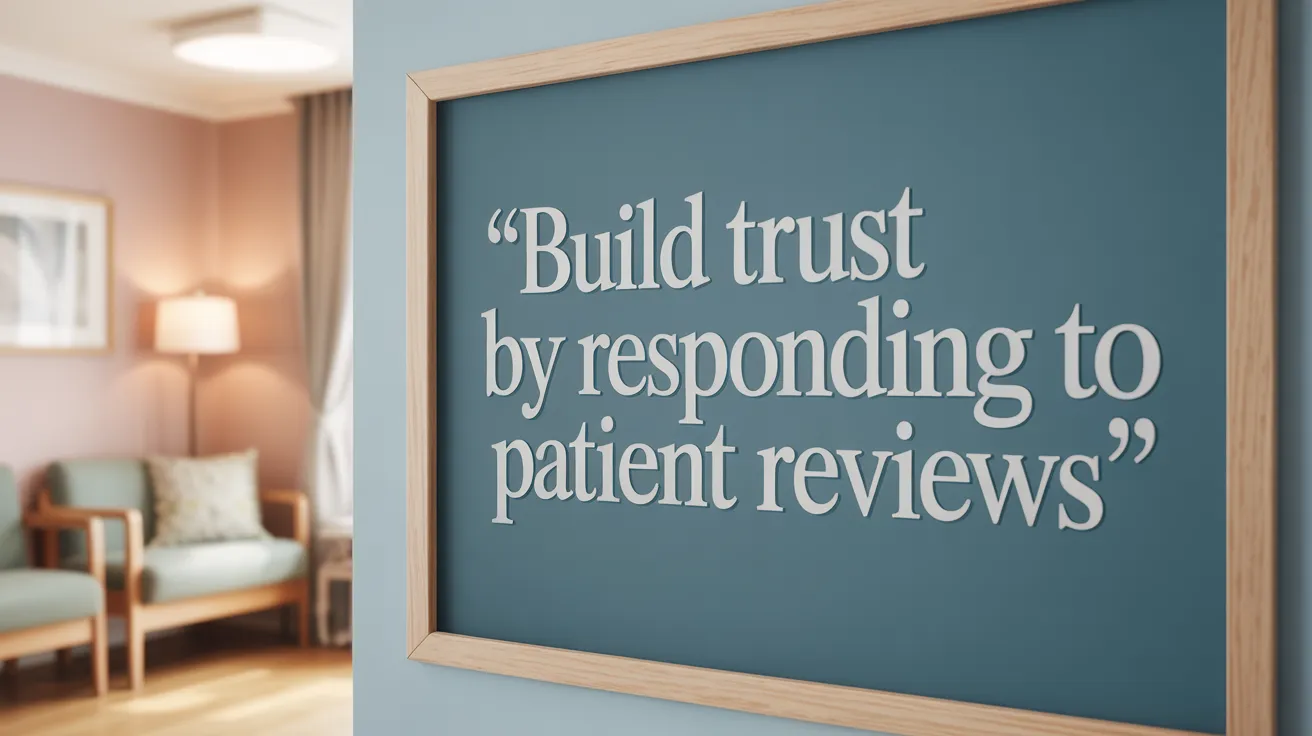
Timely and thoughtful responses to all patient reviews, whether positive or negative, demonstrate a commitment to patient care and accountability. Public responses offer transparency and show prospective patients that the practice values feedback, while private communications can address specific concerns directly, fostering patient satisfaction and retention. This dual approach helps build trust and signals responsiveness in a competitive healthcare environment, as described in Responding to Patient Reviews.
Demonstrating accountability and empathy in communications
When responding to reviews, healthcare providers should express empathy and understanding, particularly in negative feedback situations. Acknowledging the patient's experience and outlining steps toward improvement convey respect and responsibility. This empathetic communication can transform dissatisfaction into positive outcomes by showing that the practice actively listens and seeks to enhance patient care, an approach emphasized in Building Trust through Review Responses.
Turning negative feedback into opportunities for service recovery
Negative reviews, when handled professionally, present opportunities to resolve underlying issues and improve service quality. Practices should address concerns constructively and offer solutions or invitations to discuss matters offline. Such proactive reputation management not only mitigates the impact of critical reviews but also strengthens patient loyalty by exhibiting dedication to continuous improvement, as highlighted in Healthcare reputation enhancement tactics.
Aligning Online Reputation with Patient Experience to Reinforce Brand

Ensuring Online Reviews Reflect Actual Patient Experiences
Authenticity is vital in reputation management in healthcare. Reviews posted online must mirror patients' true experiences to maintain credibility. Practices can collect feedback promptly using experience management tools for healthcare, ideally within hours of patient visits, capturing real-time sentiments. This approach ensures reviews are genuine and reduces the risk of misleading prospective patients.
How Operational Improvements Affect Reputation
Operational factors like wait times and communication clarity significantly impact patient satisfaction and online reputation. Regular analysis of recurring themes in reviews, such as complaints about delays or confusing discharge instructions, allows healthcare providers to implement targeted improvements. Enhancing these aspects not only elevates patient experience but also leads to positive feedback that strengthens reputation.
Consistency in Branding and Messaging Across Platforms
Healthcare organizations must maintain uniformity in branding and messaging across all digital platforms—Google Business Profiles, review sites, social media, and websites. Consistent presentation fosters professional credibility and aligns patient expectations with the services delivered. Keeping contact information, service descriptions, and organizational values coherent helps build a trustworthy online presence.
Long-Term Trust Building Through Alignment of Promises and Experiences
The foundation of sustainable patient relationships lies in consistently fulfilling the organization's brand promises. When the online reputation accurately reflects the care patients receive, it reinforces trust and encourages loyalty. Transparent communication, proactive engagement with reviews, and a commitment to continuous improvement cultivate enduring patient confidence as described in building trust through review responses.
How can online marketing help medical practices build long-term patient relationships?
By combining transparent, empathetic online engagement with consistent, high-quality care delivery, practices foster trust and loyalty that translate into enduring patient relationships as emphasized in healthcare reputation enhancement tactics.
Monitoring and Measuring Reputation: Tools and Analytics
How do sentiment analysis, patient surveys, and social listening contribute to reputation monitoring?
Sentiment analysis provides healthcare organizations with nuanced insights into patient emotions expressed across reviews and social media. Coupled with targeted patient surveys and sentiment analysis and ongoing social listening, providers gain a comprehensive view of patient satisfaction and concerns. This multilayered feedback facilitates early detection of reputation risks and highlights areas for service enhancement.
What are the benefits of reputation management software in healthcare?
Advanced reputation management platforms offer real-time monitoring of online mentions, streamline review tracking across multiple platforms, and enable timely, HIPAA-compliant responses. Automation reduces administrative burden, ensuring consistent engagement and faster issue resolution, which ultimately strengthens patient trust and visibility.
How can data analytics identify trends and enable targeted operational improvements?
By aggregating and analyzing patient feedback trends over time, clinics can detect patterns such as recurring complaints about wait times or unclear communication. These insights inform precise operational adjustments, improving patient experience and reputation. Data-driven decisions ensure resources are allocated efficiently to areas with the greatest impact.
How does integration of these insights enhance marketing and operational strategies?
Integrating reputation data analytics into marketing strategies allows clinics to tailor messaging, highlight strengths, and address common patient concerns proactively. Operationally, it supports continuous quality improvement and staff training focused on patient feedback. This synergy between reputation insights and strategic actions boosts patient acquisition, retention, and overall clinic growth.
What role does data analytics play in improving digital marketing outcomes for medical clinics?
Data analytics enables medical clinics to segment patients, predict trends, personalize outreach, and optimize marketing efforts, thereby enhancing patient engagement and increasing ROI. Strategically leveraging data ensures marketing campaigns resonate effectively, translating online reputation management directly into measurable practice growth.
Optimizing Online Profiles and Directories for Maximum Visibility
Claiming and optimizing Google Business Profiles and other listings
Claiming your Google Business Profile (GBP) is crucial for controlling your healthcare practice's digital presence. An optimized GBP improves visibility in local search results and attracts potential patients. Include complete details such as practice hours, services offered, professional photos, and patient testimonials. Similarly, claiming and updating profiles on platforms like Healthgrades, RateMDs, and Yelp expands reach and enhances credibility.
Maintaining consistent NAP (Name, Address, Phone) details
Consistency across all listings is essential for local SEO. Inconsistencies in Name, Address, and Phone (NAP) information can confuse search engines and prospective patients, resulting in lower rankings and missed opportunities. Regular audits are recommended to verify that your NAP details remain uniform across directories, websites, and social platforms.
Keeping practice information accurate and current
Up-to-date practice information fosters transparency and professionalism, reducing patient frustration. This includes promptly updating changes in operating hours, new service offerings, physician roster changes, and contact information. Platforms often provide easy interfaces for rapid updates—utilizing these keeps your profiles reliable and trustworthy.
Leveraging platforms like Healthgrades, RateMDs, and Yelp for local SEO
Patient review platforms such as Healthgrades, RateMDs, and Yelp significantly influence search engine rankings and patient decision-making. Encouraging satisfied patients to leave reviews on these sites organically improves your review volume and quality. Additionally, regularly monitoring and responding to reviews demonstrates engagement and care, boosting reputation and SEO performance.
Implementing these practices enhances your healthcare organization’s online visibility, reinforces brand consistency, and attracts high-value patients in a competitive marketplace.
Leveraging Social Media and Content Marketing to Build Credibility
Sharing educational, HIPAA-compliant content to engage patients
Healthcare providers can use educational content in healthcare marketing that complies with HIPAA regulations to engage patients effectively. This may include blogs, videos, FAQs, and posts that explain medical conditions, treatments, and wellness tips without sharing any protected health information. Providing valuable, informative content helps establish trust and positions the practice as a reliable source for health information.
Using social media for community engagement and showcasing expertise
Active use of social media platforms enables healthcare organizations to connect with their communities by sharing timely health tips, answering patient questions, and demonstrating transparency. Responsible engagement supports a positive online reputation benefits and shows the practice's commitment to patient care beyond the exam room.
Highlighting patient success stories with consent
Sharing carefully consented patient testimonials and success stories serves as powerful social proof. These stories can underscore the quality of care and foster emotional connections with prospective patients while maintaining full compliance with privacy laws.
Building thought leadership through blogs, videos, and professional updates
Consistent content creation such as publishing blogs, video explainers, and updates about medical advances or practice news enhances a provider’s authority in their field. Creating educational healthcare content attracts high-value patients by illustrating expertise, improving SEO rankings, and reinforcing brand credibility.
Healthcare providers aiming to attract high-value patients benefit most from integrating content marketing centered on patient education with active social media engagement. These digital marketing strategies cultivate trust and demonstrate thought leadership, essential elements for competitive patient acquisition and retention in the US healthcare market.
Staff Training and Internal Culture: The Foundation of Reputation
Why is training staff in communication, empathy, and HIPAA compliance essential?
Healthcare staff communication shapes patient perceptions from the first point of contact; training in effective, empathetic communication fosters positive interactions, directly influencing Healthcare reputation management strategies. Empathy training helps staff understand and respond to patients' emotions, enhancing Reputation management in healthcare and comfort. Meanwhile, HIPAA compliance training ensures staff protect patient privacy during all interactions, including online reviews and feedback responses, maintaining confidentiality and legal standards.
How do proactive conflict resolution and active listening improve patient interactions?
Active listening allows staff to fully understand patient concerns, creating opportunities for early issue identification and resolution. Proactive conflict resolution equips staff with skills to address grievances efficiently before they escalate, turning potentially negative experiences into positive outcomes. Together, these practices reduce the likelihood of negative online feedback and build a reputation of responsiveness as part of effective Top 5 reputation management strategies in healthcare.
In what ways does staff behavior influence online feedback and reviews?
Staff behavior during patient encounters largely determines the emotional experience patients take away, which they often express through online reviews. Positive interactions increase the chances of favorable reviews and high ratings on platforms like Managing Reviews on Google, Healthgrades and Yelp. Conversely, inadequate communication or unresolved issues frequently result in negative feedback. Staff professionalism and empathy serve as critical drivers of the overall Healthcare reputation enhancement tactics portrayed online.
How can reputation awareness be embedded into organizational culture?
Embedding reputation consciousness requires leadership commitment to promote a culture prioritizing patient experience. Continuous staff education on the impact of their roles in shaping reputation encourages ownership and accountability. Regular sharing of patient feedback and recognition of exemplary service behaviors reinforce Reputation Management Guide. Cultivating a patient-centered mindset throughout the organization ensures consistent positive patient experiences that sustain and grow a healthcare practice’s trust and brand strength.
Handling Negative and Fake Reviews Professionally and Legally
Documenting and verifying negative or fake reviews
Healthcare practices should first document all negative or suspicious reviews comprehensively, ensuring authenticity is verified. This step is crucial before any further action is taken to address false or malicious content that could harm the practice's reputation. For detailed guidance, see Top reputation management strategies for doctors.
Private requests for removal and flagging content violating platform policies
Once verified, practices should privately request removal of false reviews by contacting the platform directly. It is also important to flag content that violates the specific review site's policies to prompt official action. Maintaining professionalism during this process ensures compliance and minimizes legal risk. More information is available in Managing negative feedback professionally.
When and how to pursue legal remedies, including defamation claims
If private removal requests and flagging are ineffective, healthcare providers may consider legal remedies such as cease and desist letters or defamation lawsuits. Legal action should be pursued cautiously with the assistance of professionals familiar with HIPAA and healthcare regulations. Refer to Legal and strategic intervention for reputation repair for in-depth advice.
Balancing patient confidentiality with reputation protection under HIPAA
Responses to negative reviews must uphold HIPAA guidelines by avoiding disclosure of protected health information. General, empathetic responses that acknowledge concerns without revealing patient details maintain compliance while demonstrating accountability and care. See HIPAA-compliant responses to reviews for best practices.
Ensuring regulatory compliance in online reputation management
Implementing a compliance-focused approach to managing negative reviews involves maintaining strict patient confidentiality, using generalized response templates, and consulting legal expertise when needed. This strategy protects both the practice’s reputation and the privacy rights of patients, aligning with healthcare marketing best practices. Explore HIPAA and patient feedback for comprehensive strategies.
Sustaining a Robust Reputation for Long-Term Success
Continuous Reputation Monitoring and Engagement
Healthcare organizations must consistently monitor online platforms like Google, Healthgrades, and Yelp to track patient feedback and emerging trends. Automated tools enhance this process by facilitating prompt responses to both positive and negative reviews, demonstrating accountability and responsiveness, which are essential for building patient trust over time.
Investing in Patient-Centered Care and Professional Online Presence
A foundation of exceptional patient experiences—including clear communication, empathy, and efficient service—directly contributes to positive online reviews and stronger reputations. Simultaneously, maintaining accurate and compelling online profiles, supported by a well-designed website and active social media engagement, reinforces credibility and accessibility.
Integrating Reputation Management into Broader Marketing Efforts
Reputation management should be seamlessly woven into the overall healthcare marketing strategy. Sharing patient success stories, educational content, and community involvement through various channels amplifies positive narratives and supports patient acquisition. Continuous analysis of feedback trends allows targeted operational improvements that elevate patient satisfaction and brand reputation.
Competitive Advantage in U.S. Healthcare Market
In the competitive landscape of U.S. healthcare, a strong online reputation enhances visibility in local searches and attracts high-value patients. Practices that proactively manage their digital reputation enjoy greater patient loyalty, better engagement, and measurable growth, differentiating themselves from competitors and driving sustained success.
The Critical Role of Reputation and Review Management in Healthcare
Importance of Online Reputation in Patient Decision-Making
In today's digital age, online reputation plays a vital role in patients' healthcare choices. Studies indicate that about 84-94% of patients consult online reviews before selecting a healthcare provider. A favorable online reputation built upon authentic patient feedback significantly influences trust and credibility, directly affecting patient acquisition rates.
Impact of Reviews on Healthcare Practice Visibility and Growth
Positive online reviews enhance healthcare practices' visibility, improving local search engine optimization (SEO) on platforms like Google, Healthgrades, and Yelp. A higher volume of favorable reviews and ratings (typically 4 stars or above) can elevate a provider's search ranking, thus attracting more qualified leads and boosting patient growth. Timely encouragement of satisfied patients to share their experiences—often through automated tools—can sustainably increase review volume and quality.
Overview of Reputation Management in the US Healthcare Market
Reputation management in the US healthcare sector involves proactively shaping and monitoring the digital presence of providers. This includes claiming and optimizing online profiles, collecting real-time patient feedback through experience management platforms, and professionally responding to both positive and negative reviews while complying with HIPAA regulations. Strategic reputation management emphasizes aligning online reputation with actual patient experiences to reinforce brand trust and foster long-term patient loyalty. Practices employing comprehensive tools and staff training for communication and conflict resolution gain a competitive edge by maintaining a strong, trusted online image.
Understanding the Influence of Online Reviews on Patient Choices
How Do Patients Rely on Online Reviews When Choosing Healthcare Providers?
Patients place substantial trust in online reviews influencing healthcare choices when selecting healthcare providers. Studies indicate that approximately 94% of patients use online reviews during their decision-making process. Before booking appointments, many examine multiple platforms, averaging about three different websites and reviewing 5.5 reviews per provider to assess credibility and quality.
Which Platforms Do Patients Use Most to Evaluate Healthcare Providers?
The most influential platforms include Google Reviews for Healthcare Providers, Healthgrades and Yelp Reviews, and RateMDs. Google dominates due to its widespread use and integration with local search results. Healthgrades and RateMDs are respected review sites focused specifically on healthcare providers, while Yelp provides additional community-based feedback.
Why Are High Star Ratings and Review Volume Important?
Patients show a strong preference for providers with high star ratings—typically four stars and above. About 84% would not choose a doctor rated below four stars, highlighting the critical need to maintain excellent ratings. Moreover, Review volume matters as a handful of reviews can sway patient opinion; gathering consistent, positive feedback is essential to build trust and improve search engine visibility.
What Digital Marketing Strategies Attract High-Value Patients?
Maintaining a robust Healthcare reputation management strategy is pivotal. This involves having a professional and user-friendly website, proactively responding to patient reviews, and continuously enhancing patient satisfaction through quality care. These practices not only increase patient loyalty but also support referral growth, distinguishing the practice in a competitive healthcare marketplace.
Proactive Collection of Patient Feedback: Timing and Tools
Collecting patient feedback
Timeliness is critical in gathering patient feedback to effectively manage and enhance a healthcare organization's reputation. Collecting feedback within hours of the patient visit captures fresh experiences, enabling quick identification of issues and trends. This prompt collection helps resolve problems swiftly, showing patients that their concerns are valued and acted upon, which strengthens trust and improves overall satisfaction.
automated reputation management tools for medical offices
Automation plays a vital role in streamlining the reputation management process. Leveraging automated tools such as Emitrr or DemandHub allows healthcare providers to efficiently solicit patient reviews via email or text shortly after appointments. These platforms facilitate higher review volume by prompting satisfied patients to share their experiences effortlessly on popular platforms like Google, Healthgrades, and Yelp. Automation also reduces staff workload and ensures consistent communication.
Experience management tools for healthcare
Follow-up messages serve as effective reminders that encourage patients to provide feedback while their encounter remains top of mind. Combined with comprehensive experience management tools, these messages collect real-time insights at crucial touchpoints along the care journey. This continuous feedback loop helps organizations monitor patient sentiment, improve patient engagement, and tailor operational enhancements based on actionable data. Utilizing these technologies supports proactive reputation management and sustainable patient growth.
Encouraging Positive Reviews Ethically and Effectively
Strategies for Encouraging Satisfied Patients to Leave Reviews
A proactive approach is essential to increase the number of positive patient reviews. Healthcare practices should engage patients shortly after their visit through follow-up communications that thank them for their visit and kindly request feedback. Timely requests increase the likelihood of patients leaving reviews while their experience is fresh. Additionally, training staff to explain the importance of reviews during check-out or discharge can encourage participation without pressure (getting more online reviews, Encouraging Patient Reviews).
Avoiding Review Gating and Incentivization for Compliance
Strict adherence to ethical standards and platform policies is crucial when soliciting reviews. Practices should avoid "review gating" — selectively asking only happy patients to provide reviews — as it skews overall feedback and violates many review platforms’ rules. Similarly, incentivizing reviews with rewards or discounts is discouraged and can lead to penalties or removal of reviews. Healthcare providers must ensure all review requests are fair, transparent, and compliant with platform guidelines and legal regulations (HIPAA compliance in review responses, Reputation Management for Doctors).
Simplifying the Review Process
Reducing friction in the review submission process significantly boosts participation. Practices can implement QR codes displayed in waiting areas or on receipts that link directly to review pages. Automating review invitations through emails or text messages shortly after appointments reminds patients to share their experience conveniently. Leveraging reputation management tools to send these automated, HIPAA-compliant follow-up messages ensures a steady flow of authentic reviews without adding administrative burden (Automating review management with Emitrr, Experience management tools for healthcare.
Platforms to Prioritize
The primary review platforms healthcare organizations should focus on include Google, Healthgrades, and Yelp. Google, being the dominant review platform, has the greatest influence on local search visibility and patient acquisition. Healthgrades is pivotal in healthcare-specific search and ratings, attracting patients actively researching providers. Yelp remains significant for consumer feedback and engaging with the local community. Maintaining active, well-managed profiles across these platforms maximizes reputation impact and patient trust (Google Reviews for Healthcare Providers, Healthgrades and Yelp Reviews, Managing Reviews on Google, Yelp, Healthgrades.
Engaging with Patient Reviews: Building Trust Through Responsiveness
How can healthcare practices ensure compliance with regulations when implementing online marketing strategies?
Healthcare practices must rigorously adhere to HIPAA compliance in reputation management when engaging with online patient reviews. This means avoiding the disclosure of any protected health information (PHI) in both public and private responses to reviews. Instead, responses should be generalized and professional, focusing on acknowledging patient feedback without revealing specific details about the patient’s condition or treatment. Obtaining explicit patient consent is essential before sharing any patient information publicly, such as testimonials or success stories.
Responding publicly and privately to positive and negative reviews
Timely and thoughtful responses to all patient reviews, whether positive or negative, demonstrate a commitment to patient care and accountability. Public responses offer transparency and show prospective patients that the practice values feedback, while private communications can address specific concerns directly, fostering patient satisfaction and retention. This dual approach helps build trust and signals responsiveness in a competitive healthcare environment, as described in Responding to Patient Reviews.
Demonstrating accountability and empathy in communications
When responding to reviews, healthcare providers should express empathy and understanding, particularly in negative feedback situations. Acknowledging the patient's experience and outlining steps toward improvement convey respect and responsibility. This empathetic communication can transform dissatisfaction into positive outcomes by showing that the practice actively listens and seeks to enhance patient care, an approach emphasized in Building Trust through Review Responses.
Turning negative feedback into opportunities for service recovery
Negative reviews, when handled professionally, present opportunities to resolve underlying issues and improve service quality. Practices should address concerns constructively and offer solutions or invitations to discuss matters offline. Such proactive reputation management not only mitigates the impact of critical reviews but also strengthens patient loyalty by exhibiting dedication to continuous improvement, as highlighted in Healthcare reputation enhancement tactics.
Aligning Online Reputation with Patient Experience to Reinforce Brand
Ensuring Online Reviews Reflect Actual Patient Experiences
Authenticity is vital in reputation management in healthcare. Reviews posted online must mirror patients' true experiences to maintain credibility. Practices can collect feedback promptly using experience management tools for healthcare, ideally within hours of patient visits, capturing real-time sentiments. This approach ensures reviews are genuine and reduces the risk of misleading prospective patients.
How Operational Improvements Affect Reputation
Operational factors like wait times and communication clarity significantly impact patient satisfaction and online reputation. Regular analysis of recurring themes in reviews, such as complaints about delays or confusing discharge instructions, allows healthcare providers to implement targeted improvements. Enhancing these aspects not only elevates patient experience but also leads to positive feedback that strengthens reputation.
Consistency in Branding and Messaging Across Platforms
Healthcare organizations must maintain uniformity in branding and messaging across all digital platforms—Google Business Profiles, review sites, social media, and websites. Consistent presentation fosters professional credibility and aligns patient expectations with the services delivered. Keeping contact information, service descriptions, and organizational values coherent helps build a trustworthy online presence.
Long-Term Trust Building Through Alignment of Promises and Experiences
The foundation of sustainable patient relationships lies in consistently fulfilling the organization's brand promises. When the online reputation accurately reflects the care patients receive, it reinforces trust and encourages loyalty. Transparent communication, proactive engagement with reviews, and a commitment to continuous improvement cultivate enduring patient confidence as described in building trust through review responses.
How can online marketing help medical practices build long-term patient relationships?
By combining transparent, empathetic online engagement with consistent, high-quality care delivery, practices foster trust and loyalty that translate into enduring patient relationships as emphasized in healthcare reputation enhancement tactics.
Monitoring and Measuring Reputation: Tools and Analytics
How do sentiment analysis, patient surveys, and social listening contribute to reputation monitoring?
Sentiment analysis provides healthcare organizations with nuanced insights into patient emotions expressed across reviews and social media. Coupled with targeted patient surveys and sentiment analysis and ongoing social listening, providers gain a comprehensive view of patient satisfaction and concerns. This multilayered feedback facilitates early detection of reputation risks and highlights areas for service enhancement.
What are the benefits of reputation management software in healthcare?
Advanced reputation management platforms offer real-time monitoring of online mentions, streamline review tracking across multiple platforms, and enable timely, HIPAA-compliant responses. Automation reduces administrative burden, ensuring consistent engagement and faster issue resolution, which ultimately strengthens patient trust and visibility.
How can data analytics identify trends and enable targeted operational improvements?
By aggregating and analyzing patient feedback trends over time, clinics can detect patterns such as recurring complaints about wait times or unclear communication. These insights inform precise operational adjustments, improving patient experience and reputation. Data-driven decisions ensure resources are allocated efficiently to areas with the greatest impact.
How does integration of these insights enhance marketing and operational strategies?
Integrating reputation data analytics into marketing strategies allows clinics to tailor messaging, highlight strengths, and address common patient concerns proactively. Operationally, it supports continuous quality improvement and staff training focused on patient feedback. This synergy between reputation insights and strategic actions boosts patient acquisition, retention, and overall clinic growth.
What role does data analytics play in improving digital marketing outcomes for medical clinics?
Data analytics enables medical clinics to segment patients, predict trends, personalize outreach, and optimize marketing efforts, thereby enhancing patient engagement and increasing ROI. Strategically leveraging data ensures marketing campaigns resonate effectively, translating online reputation management directly into measurable practice growth.
Optimizing Online Profiles and Directories for Maximum Visibility
Claiming and optimizing Google Business Profiles and other listings
Claiming your Google Business Profile (GBP) is crucial for controlling your healthcare practice's digital presence. An optimized GBP improves visibility in local search results and attracts potential patients. Include complete details such as practice hours, services offered, professional photos, and patient testimonials. Similarly, claiming and updating profiles on platforms like Healthgrades, RateMDs, and Yelp expands reach and enhances credibility.
Maintaining consistent NAP (Name, Address, Phone) details
Consistency across all listings is essential for local SEO. Inconsistencies in Name, Address, and Phone (NAP) information can confuse search engines and prospective patients, resulting in lower rankings and missed opportunities. Regular audits are recommended to verify that your NAP details remain uniform across directories, websites, and social platforms.
Keeping practice information accurate and current
Up-to-date practice information fosters transparency and professionalism, reducing patient frustration. This includes promptly updating changes in operating hours, new service offerings, physician roster changes, and contact information. Platforms often provide easy interfaces for rapid updates—utilizing these keeps your profiles reliable and trustworthy.
Leveraging platforms like Healthgrades, RateMDs, and Yelp for local SEO
Patient review platforms such as Healthgrades, RateMDs, and Yelp significantly influence search engine rankings and patient decision-making. Encouraging satisfied patients to leave reviews on these sites organically improves your review volume and quality. Additionally, regularly monitoring and responding to reviews demonstrates engagement and care, boosting reputation and SEO performance.
Implementing these practices enhances your healthcare organization’s online visibility, reinforces brand consistency, and attracts high-value patients in a competitive marketplace.
Leveraging Social Media and Content Marketing to Build Credibility
Sharing educational, HIPAA-compliant content to engage patients
Healthcare providers can use educational content in healthcare marketing that complies with HIPAA regulations to engage patients effectively. This may include blogs, videos, FAQs, and posts that explain medical conditions, treatments, and wellness tips without sharing any protected health information. Providing valuable, informative content helps establish trust and positions the practice as a reliable source for health information.
Using social media for community engagement and showcasing expertise
Active use of social media platforms enables healthcare organizations to connect with their communities by sharing timely health tips, answering patient questions, and demonstrating transparency. Responsible engagement supports a positive online reputation benefits and shows the practice's commitment to patient care beyond the exam room.
Highlighting patient success stories with consent
Sharing carefully consented patient testimonials and success stories serves as powerful social proof. These stories can underscore the quality of care and foster emotional connections with prospective patients while maintaining full compliance with privacy laws.
Building thought leadership through blogs, videos, and professional updates
Consistent content creation such as publishing blogs, video explainers, and updates about medical advances or practice news enhances a provider’s authority in their field. Creating educational healthcare content attracts high-value patients by illustrating expertise, improving SEO rankings, and reinforcing brand credibility.
Healthcare providers aiming to attract high-value patients benefit most from integrating content marketing centered on patient education with active social media engagement. These digital marketing strategies cultivate trust and demonstrate thought leadership, essential elements for competitive patient acquisition and retention in the US healthcare market.
Staff Training and Internal Culture: The Foundation of Reputation
Why is training staff in communication, empathy, and HIPAA compliance essential?
Healthcare staff communication shapes patient perceptions from the first point of contact; training in effective, empathetic communication fosters positive interactions, directly influencing Healthcare reputation management strategies. Empathy training helps staff understand and respond to patients' emotions, enhancing Reputation management in healthcare and comfort. Meanwhile, HIPAA compliance training ensures staff protect patient privacy during all interactions, including online reviews and feedback responses, maintaining confidentiality and legal standards.
How do proactive conflict resolution and active listening improve patient interactions?
Active listening allows staff to fully understand patient concerns, creating opportunities for early issue identification and resolution. Proactive conflict resolution equips staff with skills to address grievances efficiently before they escalate, turning potentially negative experiences into positive outcomes. Together, these practices reduce the likelihood of negative online feedback and build a reputation of responsiveness as part of effective Top 5 reputation management strategies in healthcare.
In what ways does staff behavior influence online feedback and reviews?
Staff behavior during patient encounters largely determines the emotional experience patients take away, which they often express through online reviews. Positive interactions increase the chances of favorable reviews and high ratings on platforms like Managing Reviews on Google, Healthgrades and Yelp. Conversely, inadequate communication or unresolved issues frequently result in negative feedback. Staff professionalism and empathy serve as critical drivers of the overall Healthcare reputation enhancement tactics portrayed online.
How can reputation awareness be embedded into organizational culture?
Embedding reputation consciousness requires leadership commitment to promote a culture prioritizing patient experience. Continuous staff education on the impact of their roles in shaping reputation encourages ownership and accountability. Regular sharing of patient feedback and recognition of exemplary service behaviors reinforce Reputation Management Guide. Cultivating a patient-centered mindset throughout the organization ensures consistent positive patient experiences that sustain and grow a healthcare practice’s trust and brand strength.
Handling Negative and Fake Reviews Professionally and Legally
Documenting and verifying negative or fake reviews
Healthcare practices should first document all negative or suspicious reviews comprehensively, ensuring authenticity is verified. This step is crucial before any further action is taken to address false or malicious content that could harm the practice's reputation. For detailed guidance, see Top reputation management strategies for doctors.
Private requests for removal and flagging content violating platform policies
Once verified, practices should privately request removal of false reviews by contacting the platform directly. It is also important to flag content that violates the specific review site's policies to prompt official action. Maintaining professionalism during this process ensures compliance and minimizes legal risk. More information is available in Managing negative feedback professionally.
When and how to pursue legal remedies, including defamation claims
If private removal requests and flagging are ineffective, healthcare providers may consider legal remedies such as cease and desist letters or defamation lawsuits. Legal action should be pursued cautiously with the assistance of professionals familiar with HIPAA and healthcare regulations. Refer to Legal and strategic intervention for reputation repair for in-depth advice.
Balancing patient confidentiality with reputation protection under HIPAA
Responses to negative reviews must uphold HIPAA guidelines by avoiding disclosure of protected health information. General, empathetic responses that acknowledge concerns without revealing patient details maintain compliance while demonstrating accountability and care. See HIPAA-compliant responses to reviews for best practices.
Ensuring regulatory compliance in online reputation management
Implementing a compliance-focused approach to managing negative reviews involves maintaining strict patient confidentiality, using generalized response templates, and consulting legal expertise when needed. This strategy protects both the practice’s reputation and the privacy rights of patients, aligning with healthcare marketing best practices. Explore HIPAA and patient feedback for comprehensive strategies.
Sustaining a Robust Reputation for Long-Term Success
Continuous Reputation Monitoring and Engagement
Healthcare organizations must consistently monitor online platforms like Google, Healthgrades, and Yelp to track patient feedback and emerging trends. Automated tools enhance this process by facilitating prompt responses to both positive and negative reviews, demonstrating accountability and responsiveness, which are essential for building patient trust over time.
Investing in Patient-Centered Care and Professional Online Presence
A foundation of exceptional patient experiences—including clear communication, empathy, and efficient service—directly contributes to positive online reviews and stronger reputations. Simultaneously, maintaining accurate and compelling online profiles, supported by a well-designed website and active social media engagement, reinforces credibility and accessibility.
Integrating Reputation Management into Broader Marketing Efforts
Reputation management should be seamlessly woven into the overall healthcare marketing strategy. Sharing patient success stories, educational content, and community involvement through various channels amplifies positive narratives and supports patient acquisition. Continuous analysis of feedback trends allows targeted operational improvements that elevate patient satisfaction and brand reputation.
Competitive Advantage in U.S. Healthcare Market
In the competitive landscape of U.S. healthcare, a strong online reputation enhances visibility in local searches and attracts high-value patients. Practices that proactively manage their digital reputation enjoy greater patient loyalty, better engagement, and measurable growth, differentiating themselves from competitors and driving sustained success.