.png)

Why Patient-Centric Content is Essential for Modern Healthcare Websites
Importance of Patient Engagement Online
Over 58% of U.S. adults actively search for health information online, making patient engagement via digital platforms more vital than ever for healthcare providers. A user-centric website that speaks directly to patients' needs can transform casual visitors into active participants in their care. With only about 30% of consumers currently engaging with patient portals, enhancing website usability and content relevance is a critical priority.
Trends in Digital Health Information Seeking
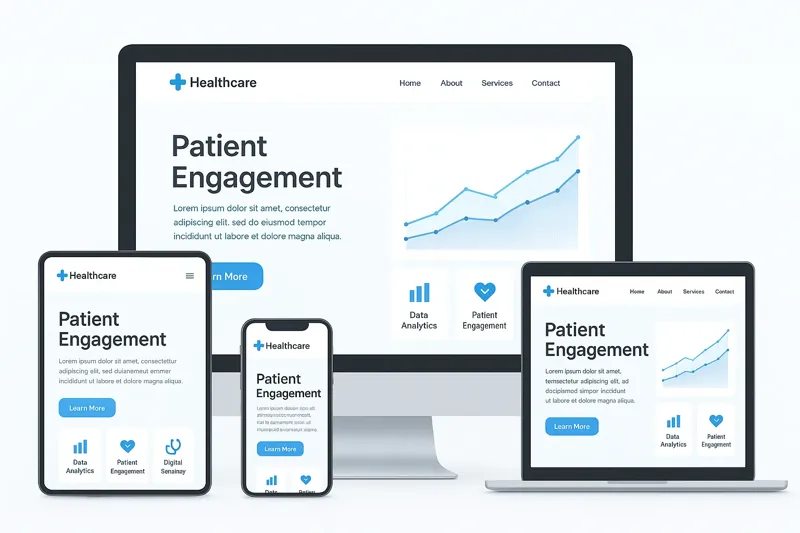
Mobile devices dominate health information searches, with over half of global website traffic originating from smartphones. This trend emphasizes the necessity for mobile-responsive design and easy navigation. Additionally, more than 80% of adults aged 65 and older manage chronic conditions, underscoring the demand for accessible, straightforward digital resources that cater to diverse patient demographics and literacy levels. Supporting multilingual content further broadens accessibility and addresses health disparities.
Role of Content in Patient Trust and Satisfaction
Patient-centered content—delivered in plain language with transparency—builds trust and fosters better health outcomes. Educational materials that offer actionable insights, such as videos, FAQs, and interactive tools, empower patients to make informed decisions, improving satisfaction and adherence. Consistent, evidence-based content reassures patients and contributes to a strong provider-patient relationship, which is essential in competitive healthcare markets.
Foundations of Patient-Centric Healthcare Websites
What defines patient-centric care in healthcare websites?
Patient-centric care centers on respect for individual patient values, preferences, and active collaboration between patients and providers. This approach prioritizes transparency, accessible communication, and comprehensive information sharing, all of which improve health outcomes and patient satisfaction. Learn more about patient centered care principles.
What are the key website components to support patient needs?
Core website elements should include:
- Homepage with clear navigation
- Detailed service explanations
- Provider profiles featuring credentials and bios
- Appointment booking systems
- Educational resources tailored to patient conditions
These components help patients easily find relevant information and act, enhancing trust and convenience. For detailed insights, see core healthcare website pages.
Which design principles prioritize usability and accessibility?
Patient-centric websites must follow WCAG accessibility guidelines, ensuring features like appropriate color contrast, keyboard navigation, and alt text for images. Clear, simple language avoids medical jargon and builds comprehension, particularly for diverse populations including those with low health literacy or disabilities. Compliance with US laws such as Section 508 ADA compliance is crucial. Learn more about using plain language in healthcare.
Why is mobile-first responsive design significant?
With over half of healthcare website traffic stemming from mobile devices and more than 90% of US users accessing health information on smartphones, adopting a mobile first responsive design approach ensures seamless usability on all screen sizes. Responsive designs improve accessibility, navigation, and loading speed, directly impacting patient engagement and satisfaction. See topics like fast page load times and high uptime reliability for further understanding.
What are the components of compliant and data-driven marketing strategies?
An effective healthcare digital marketing strategy comprises:
- Strict adherence to HIPAA compliance for healthcare websites for privacy and data security
- Employing analytics and AI for patient segmentation and personalized messaging
- Local SEO for healthcare websites to attract geographically relevant patients
- Reputation management through patient reviews
- Patient engagement tools such as online appointment booking features and chatbots
- Developing high-quality, trustworthy content to educate and inform
These elements combined create a compliant, personalized, and measurable marketing system that supports patient-centric healthcare delivery and growth.
Leveraging Data Analytics to Enhance Patient Engagement and Marketing Outcomes
What role does data analytics play in improving digital marketing outcomes for healthcare providers?
Data analytics is pivotal in advancing healthcare marketing by providing insightful understanding of patient demographics and behavior. By analyzing patterns such as health condition prevalence, age groups, and digital behavior, providers can tailor content and services to meet specific patient needs effectively.
How do CRM and predictive analytics support personalization in healthcare marketing?
CRM (Customer Relationship Management) systems centralize patient data, enabling segmentation and personalized communication. Predictive analytics forecasts patient health trends and engagement likelihood, allowing providers to proactively address individual concerns, optimize appointment scheduling, and deliver relevant health education.
How is success measured through patient engagement metrics?
Measuring patient engagement involves tracking metrics like appointment booking rates, website interaction times, content consumption, and patient feedback scores. These data points enable continuous optimization of digital channels to improve conversion and retention rates such as patient portals engagement.
How can healthcare organizations ensure ethical data handling and compliance with HIPAA?
Ethical data management mandates adherence to HIPAA compliance for healthcare websites, ensuring patient privacy and secure data storage. Transparency about data use enhances patient trust. Organizations must implement data encryption, access controls, and regularly train staff on compliance standards to protect sensitive health information as part of secure data handling and privacy policies.
In summary, data analytics empowers healthcare providers to deliver patient-centric marketing by sharpening outreach precision, forecasting patient needs, and evaluating engagement efficacy—all while upholding ethical standards and privacy requirements.
Navigating Regulatory Compliance in Healthcare Digital Marketing

How does regulatory compliance impact digital marketing strategies within the healthcare sector?
Regulatory compliance significantly shapes healthcare digital marketing by enforcing strict protections for patient data privacy, principally under laws such as HIPAA compliance for healthcare websites and various state regulations. These regulations mandate that healthcare marketers implement robust privacy safeguards, limiting how patient information can be collected, used, and shared.
To align with compliance requirements, marketing teams increasingly rely on consent management platforms and privacy-first technologies, including cookieless tracking methods that reduce reliance on personal data. Using de-identified or aggregated data becomes essential to avoid violating patient confidentiality.
Privacy-first technologies for compliant marketing
Adoption of privacy-first tools enables healthcare marketers to conduct targeted campaigns without compromising protected health information (PHI). Techniques such as anonymization, encryption, and secure data environments allow for compliant use of behavioral and engagement metrics.
Limitations on use of patient data and testimonials
Regulations restrict the use of identifiable patient data and testimonials unless explicit consent is obtained. This limits marketers’ ability to leverage personalized content or endorsements freely, requiring transparent patient agreements and strict adherence to consent documentation.
Adapting marketing design to regulatory constraints
Marketing strategies in healthcare must be carefully designed to balance engaging content with legal boundaries. Websites and campaigns integrate clear privacy notices, explain data handling practices candidly, and avoid aggressive data collection or targeting without patient opt-in. Flexible and transparent approaches build patient trust and reduce the risk of regulatory penalties.
In sum, regulatory compliance demands a patient-respecting, privacy-centric approach to healthcare digital marketing. By embracing technology that enforces confidentiality and designing campaigns mindful of legal limits, healthcare providers can effectively engage patients while safeguarding their rights.
Effective Digital Marketing Channels to Increase Patient Engagement

What digital marketing channels are most effective for healthcare clinics looking to increase patient engagement?
Healthcare clinics that aim to boost patient engagement must prioritize mobile first responsive design due to the fact that over half of healthcare-related searches occur via smartphones. A responsive and intuitive website ensures accessibility, fast page load times, and seamless navigation which keeps users engaged.
Mobile-Optimized Website Importance
A mobile-first design approach caters to the growing demographic of users accessing health information on mobile devices, thus enhancing convenience and reaching patients where they are. This approach also supports accessibility compliance under regulations like WCAG accessibility guidelines and Section 508 ADA compliance, crucial for inclusion.
Content Marketing with Educational and Symptom-Specific Information
Content that educates patients about specific conditions or symptom management fosters trust and supports informed decision-making. Providing culturally relevant and using plain language in healthcare content addresses diverse healthcare audiences effectively. Video Marketing in Healthcare, interactive tools, and patient testimonials amplify engagement.
Email Marketing for Ongoing Patient Nurturing
Cost-effective and personalized, email campaigns help maintain consistent communication with patients. Sharing educational materials, appointment reminders, and health tips nurtures trust and encourages adherence to care plans over time. These tactics relate closely to Patient engagement strategies.
Social Media Platforms: Facebook, Instagram, LinkedIn
Social media serves as a powerful channel for health awareness and community building. Platforms such as Facebook and Instagram enable storytelling through visual content and interactive engagement. LinkedIn is valuable for professional networking, sharing expert articles, and building organizational credibility. These practices are supported by research on Patient Education through Social Media.
Use of Targeted Ads, Influencer Partnerships, and Educational Videos
Targeted ads increase local visibility and attract patients actively searching for healthcare services. Collaborations with healthcare influencers extend reach and build authority. Educational videos simplify complex topics, helping patients grasp key information and enhancing brand trust as emphasized in Healthcare content marketing benefits.
In summary, integrating mobile-responsive healthcare website design, strategic content marketing, email nurturing, active social media presence, and targeted promotional tactics creates a comprehensive digital marketing framework. This multi-channel approach not only increases patient engagement but also strengthens trust and drives measurable growth for healthcare clinics.
Designing for Accessibility: Meeting Legal and Patient Needs

Importance of WCAG Compliance and ADA Standards
Healthcare websites in the United States must comply with Web Content Accessibility Guidelines (WCAG) and the Americans with Disabilities Act (ADA) to ensure equitable access for all users. Compliance with WCAG AA standards by the May 2026 deadline is legally mandated, reinforcing the commitment to patient-centered care principles. Adherence not only prevents legal repercussions but also enhances patient trust and satisfaction by providing seamless access to vital health information.
Accessibility Features Enhancing Usability
Incorporating features such as high color contrast benefits users with visual impairments by improving readability. Keyboard navigation enables those with motor impairments to browse without a mouse, and alt text descriptions make images accessible to screen readers, supporting patients with visual disabilities. These features collectively create a website that works for individuals with a wide range of abilities, following website design for accessibility and using plain language in healthcare.
Supporting Aging Populations and Patients with Disabilities
With approximately 80% of adults aged 65 and older living with chronic conditions, healthcare websites must be tailored to meet the unique needs of this demographic. Designs should accommodate age-related impairments including diminished vision and motor skills. Ensuring accessibility for patients with disabilities supports inclusivity and empowers patients to engage actively with their care through accessible healthcare websites for seniors and Healthcare for Aging Baby Boomers.
Multilingual Content for Diverse Communities
To serve the increasingly diverse U.S. population, offering multilingual healthcare content is essential. Over 20% of U.S. residents speak a language other than English at home. Providing accurate translation services for health equity helps reduce health disparities, improves comprehension, and builds trust with non-English-speaking patients.
Overall, integrating comprehensive accessibility features and multilingual support in healthcare websites aligns with legal requirements and boosts patient engagement by creating inclusive, user-friendly digital environments consistent with best practices for patient-centric hospital sites.
Interactive Content to Enhance Patient Understanding and Engagement
Using Interactive Tools to Improve Patient Engagement
Interactive content such as videos, quizzes, calculators, and maps significantly enhances patient engagement on healthcare websites. These elements not only capture attention but also facilitate better understanding by offering dynamic and personalized experiences. For instance, quizzes can educate patients on disease management, while calculators provide tailored health metrics, helping patients make informed decisions. Learn more about Interactive content ideas for health websites.
Medical Animations and Videos for Clearer Communication
Medical animations and videos are powerful tools for communicating complex medical concepts. They help break down intricate procedures and conditions into visually digestible formats, which can increase comprehension and build trust. Animated content aids cognitive processing by reducing the mental effort required to grasp difficult information, especially valuable for patients with limited health literacy. Discover benefits from Using videos and quizzes in healthcare.
Enhancing Personalization with Symptom Checkers and Price Estimators
Symptom checkers enable patients to input their specific health concerns and receive personalized guidance, making healthcare navigation more user-friendly and responsive. Similarly, price estimators allow patients to understand potential costs upfront, fostering transparency and reducing anxiety related to healthcare expenses. Both tools contribute to a patient-centered approach by tailoring digital interactions to individual needs. Explore tools like Symptom checkers and price estimators.
Streamlining Navigation via Interactive Elements
Incorporating interactive navigation features such as dropdown menus and "choose your own adventure" style pathways helps reduce cognitive load and prevent information overload. Personalized navigation guides patients through content relevant to their circumstances, improving user experience and facilitating smoother access to essential healthcare resources. For more info see Enhancing user engagement with interactive visuals.
These strategies collectively underscore the importance of embedding interactive content within healthcare websites to support patient understanding, engagement, and satisfaction effectively.
Building Trust Through Authentic and Transparent Healthcare Content
Use of Plain Language Avoiding Medical Jargon
Clear communication is essential for building patient trust. Healthcare websites should prioritize using plain language in healthcare over complex medical terminology to ensure all users, including diverse populations and those with limited health literacy, understand the information provided. This approach fosters transparency and respect, which are central to patient centered care principles.
Featuring Real Staff and Patient Testimonials
Authenticity resonates with prospective patients. Showcasing real healthcare staff and sharing genuine patient testimonials in healthcare marketing humanize healthcare providers, making the experience more relatable. Such transparency enhances credibility and helps new patients feel confident about choosing the practice.
Addressing Patient Concerns and Objections
Proactively acknowledging common patient hesitations—such as costs, insurance coverage, and appointment logistics—builds trust. Clear, upfront information about services, pricing, and scheduling reduces uncertainty and empowers patients to make informed decisions, improving engagement and satisfaction.
Providing Clear, Upfront Information About Services, Pricing, and Logistics
Accessible descriptions of offered services, detailed provider profiles, transparent pricing, and convenient online appointment booking features facilitate seamless patient experiences. Ensuring easy navigation and availability of this information online supports patients in making timely care decisions.
How Can Medical Practices Effectively Attract High-Value Patients Through Online Marketing?
Medical practices can effectively attract valuable patients by leveraging data-driven strategies. Building comprehensive patient profiles from electronic medical records and surveys enables targeted marketing. Optimizing local SEO for healthcare websites ensures higher visibility in patient searches near their location, while active engagement on social media fosters community trust. Incorporating features like online self-scheduling increases convenience, and maintaining consistent branding across multiple platforms builds recognition. Additionally, personalized educational content and strong referral networks position practices as trusted healthcare resources, driving sustainable patient growth.
Local SEO and Performance Optimization for Healthcare Websites
Why Are Local Keywords and Google Business Profile Essential?
local SEO for healthcare websites is crucial for healthcare providers aiming to attract patients within their geographical area. Optimizing websites with local keywords and maintaining an accurate Google Business Profile significantly enhances visibility when patients search for nearby services. This targeted approach helps capture local patient traffic more effectively, creating opportunities for increased appointment bookings and patient engagement.
How Do Fast Page Load Times and High Uptime Affect Patient Experience?
Healthcare websites must load quickly—ideally in under three seconds—to retain users and convey reliability. fast page load times and high uptime reliability, around 99.982%, ensure continuous accessibility, especially important for emergencies and patient trust. Slow or frequently down websites can deter potential patients and damage a healthcare organization’s credibility.
What Is the Role of Mobile Usage and Responsive Design?
With over 92% of U.S. internet users accessing health information on smartphones, mobile first responsive design is essential. This design guarantees seamless user experience across all devices, facilitating easy navigation and online appointment booking features. Responsive websites also contribute to better SEO rankings and higher patient satisfaction, ensuring that healthcare information remains accessible anytime, anywhere.
How Does SEO Impact Patient Acquisition and Retention?
Effective SEO strategies increase organic traffic by making healthcare services more discoverable in search engines. Enhanced visibility through optimized keywords and local SEO for healthcare providers attracts new patients and supports retention by providing valuable, easy-to-find information. SEO-driven content marketing builds trust and positions the healthcare provider as a credible authority, fostering lasting patient relationships and continuous growth.
Integrating Patient Engagement Tools to Improve Experience and Conversion
Appointment booking systems and online scheduling
Online appointment booking features is a critical feature for modern healthcare websites, streamlining patient access to care and reducing administrative barriers. Approximately 72% of Millennials and Gen Z prefer digital scheduling options, underscoring the need for intuitive, mobile first responsive design scheduling interfaces that minimize patient effort and improve conversion rates.
Patient portals and chatbots for real-time support
Patient portals engagement offer access to personal health information and services but currently engage only around 30% of users. Enhancing portals with user-friendly design, real-time chatbots, and provider search filters helps increase engagement and satisfaction by providing immediate answers and personalized assistance.
Use of feedback surveys and patient journey mapping
Utilizing patient feedback surveys, such as CAHPS measures, and mapping patient journey allows healthcare organizations to pinpoint critical touchpoints and pain points. These insights drive targeted website optimization and marketing strategies, resulting in measurable improvements like a 30% reduction in appointment scheduling time.
Role of follow-up emails and retargeting campaigns
Follow-up emails and retargeting help maintain ongoing engagement post-visit, fostering trust and encouraging return visits without overwhelming patients. These communication strategies deliver supportive, value-driven content that nurtures patient relationships and promotes adherence to treatment plans.
What are the key components of compliant and data-driven digital marketing strategies for healthcare practices?
Integration of patient engagement tools such as online appointment scheduling, patient portals, and AI-powered chatbots significantly improves patient convenience and satisfaction. When combined with continuous feedback mechanisms and patient journey analysis, healthcare providers can optimize the user experience to boost conversion rates strategically. These efforts must adhere to healthcare compliance standards including HIPAA and Section 508 ADA compliance, ensuring privacy protection and accessibility, thereby building patient trust and loyalty.
The Power of Social Media and Multichannel Marketing in Healthcare

Social media use statistics and audience demographics
Social media has become a cornerstone of healthcare engagement, with about 75% of Americans using these platforms to research symptoms and health information. Platforms such as Facebook, YouTube, Instagram, and Twitter reach broad and diverse demographic groups, including various age, racial, and income levels. This diversity allows healthcare providers to tailor messaging to specific patient populations effectively. (Patient Education through Social Media)
Leveraging platforms for educational content and patient interaction
Healthcare organizations harness social media to distribute trusted, clinician-reviewed educational content. Interactive tools like live Q&A sessions, testimonials, and health infographics engage patients emotionally and intellectually, improving understanding and trust. Additionally, real-time communication capabilities enable timely responses during public health events or crises. (Patient Education through Social Media
Combining email, blogs, social media, and direct mail for outreach
An integrated, multichannel marketing approach extends patient reach and reinforces messaging. Email newsletters, blogs, direct mail campaigns, and social media posts work collaboratively to nurture patient relationships and encourage health literacy. This diversity ensures communication aligns with patient preferences, crucial in a fragmented media environment. (Best Healthcare Content Marketing Strategies)
Importance of culturally relevant and accessible content
Offering culturally sensitive, multilingual, and accessible content is vital to meet the needs of diverse patient populations. Addressing health literacy barriers and providing material in multiple languages enhances equity and patient empowerment. Accessibility compliance, including adherence to WCAG accessibility guidelines and ADA standards, ensures patients of all abilities can engage effectively. (Patient-Centric Websites)
What digital marketing channels are most effective for healthcare clinics looking to increase patient engagement?
Healthcare providers benefit most from social media platforms like Facebook, Instagram, Twitter, and LinkedIn to engage distinct patient groups. When combined with email marketing, blogs, and direct mail, these form a comprehensive multichannel strategy. The success of these channels depends on delivering accessible, culturally appropriate content that resonates with patient audiences and drives engagement and improved health outcomes. (Developing a Patient Centric Marketing Strategy)
Measuring Success and Continuous Improvement in Patient-Centric Marketing

Setting Clear, Measurable Goals
Establishing specific targets, such as reducing appointment scheduling time by 30% within three months, provides tangible metrics to assess the effectiveness of patient centric marketing strategy. These goals help focus efforts on improving patient convenience and experience directly.
Use of Analytics Tools for Tracking
Healthcare organizations deploy analytics platforms to monitor website traffic, user engagement, and conversion rates, such as patient scheduling online. These tools identify patient behaviors and preferences, enabling optimized website structure and content strategies tailored to patient needs.
Patient Satisfaction Surveys and CAHPS
The Consumer Assessment of Healthcare Providers and Systems (CAHPS) survey is widely used to collect patient feedback on their experiences. Incorporating routine patient satisfaction surveys provides critical insights into perceived quality and areas needing enhancement, supporting continuous improvement.
Adapting Strategies Based on Data-Driven Insights
Ongoing analysis of engagement metrics and patient feedback allows healthcare marketers to refine messaging, improve digital usability, and adjust content delivery. This dynamic, responsive approach ensures marketing efforts align with evolving patient preferences and result in measurable improvements in Improving health outcomes through engagement.
The Future of Healthcare Websites: Prioritizing Patient-Centered Digital Strategies
Essential Elements of Patient-Centric Content and Design
Patient-centric healthcare websites must prioritize accessible, clear, and actionable content. This includes using plain language, avoiding medical jargon, and visually engaging formats like videos and interactive tools such as symptom checkers and maps. Seamless navigation featuring core pages such as provider profiles, appointment booking, and educational resources enhances usability and fosters patient trust.
Regulatory Compliance and Data Privacy
Compliance with standards like WCAG for accessibility and HIPAA for data security are non-negotiable to ensure inclusivity and protect patient information. Adhering to ADA guidelines and Section 508 ensures websites are usable by people with disabilities, while multilingual support addresses diverse populations.
Leveraging Technology to Empower Patients
Mobile-first responsive design meets patients where they are, given that over half of health-related searches occur on smartphones. Interactive elements like online scheduling, geolocator widgets, and personalized content powered by data analytics elevate engagement, promote transparency, and support informed patient decisions.
Continuous Optimization for Engagement and Trust
Regularly tracking website performance and user behavior helps healthcare organizations refine their digital strategy. Setting clear goals—such as reducing appointment scheduling times—and employing tools for measuring patient satisfaction translate digital interactions into measurable health outcomes and sustained patient loyalty.
Why Patient-Centric Content is Essential for Modern Healthcare Websites
Importance of Patient Engagement Online
Over 58% of U.S. adults actively search for health information online, making patient engagement via digital platforms more vital than ever for healthcare providers. A user-centric website that speaks directly to patients' needs can transform casual visitors into active participants in their care. With only about 30% of consumers currently engaging with patient portals, enhancing website usability and content relevance is a critical priority.
Trends in Digital Health Information Seeking
Mobile devices dominate health information searches, with over half of global website traffic originating from smartphones. This trend emphasizes the necessity for mobile-responsive design and easy navigation. Additionally, more than 80% of adults aged 65 and older manage chronic conditions, underscoring the demand for accessible, straightforward digital resources that cater to diverse patient demographics and literacy levels. Supporting multilingual content further broadens accessibility and addresses health disparities.
Role of Content in Patient Trust and Satisfaction
Patient-centered content—delivered in plain language with transparency—builds trust and fosters better health outcomes. Educational materials that offer actionable insights, such as videos, FAQs, and interactive tools, empower patients to make informed decisions, improving satisfaction and adherence. Consistent, evidence-based content reassures patients and contributes to a strong provider-patient relationship, which is essential in competitive healthcare markets.
Foundations of Patient-Centric Healthcare Websites
What defines patient-centric care in healthcare websites?
Patient-centric care centers on respect for individual patient values, preferences, and active collaboration between patients and providers. This approach prioritizes transparency, accessible communication, and comprehensive information sharing, all of which improve health outcomes and patient satisfaction. Learn more about patient centered care principles.
What are the key website components to support patient needs?
Core website elements should include:
- Homepage with clear navigation
- Detailed service explanations
- Provider profiles featuring credentials and bios
- Appointment booking systems
- Educational resources tailored to patient conditions
These components help patients easily find relevant information and act, enhancing trust and convenience. For detailed insights, see core healthcare website pages.
Which design principles prioritize usability and accessibility?
Patient-centric websites must follow WCAG accessibility guidelines, ensuring features like appropriate color contrast, keyboard navigation, and alt text for images. Clear, simple language avoids medical jargon and builds comprehension, particularly for diverse populations including those with low health literacy or disabilities. Compliance with US laws such as Section 508 ADA compliance is crucial. Learn more about using plain language in healthcare.
Why is mobile-first responsive design significant?
With over half of healthcare website traffic stemming from mobile devices and more than 90% of US users accessing health information on smartphones, adopting a mobile first responsive design approach ensures seamless usability on all screen sizes. Responsive designs improve accessibility, navigation, and loading speed, directly impacting patient engagement and satisfaction. See topics like fast page load times and high uptime reliability for further understanding.
What are the components of compliant and data-driven marketing strategies?
An effective healthcare digital marketing strategy comprises:
- Strict adherence to HIPAA compliance for healthcare websites for privacy and data security
- Employing analytics and AI for patient segmentation and personalized messaging
- Local SEO for healthcare websites to attract geographically relevant patients
- Reputation management through patient reviews
- Patient engagement tools such as online appointment booking features and chatbots
- Developing high-quality, trustworthy content to educate and inform
These elements combined create a compliant, personalized, and measurable marketing system that supports patient-centric healthcare delivery and growth.
Leveraging Data Analytics to Enhance Patient Engagement and Marketing Outcomes
What role does data analytics play in improving digital marketing outcomes for healthcare providers?
Data analytics is pivotal in advancing healthcare marketing by providing insightful understanding of patient demographics and behavior. By analyzing patterns such as health condition prevalence, age groups, and digital behavior, providers can tailor content and services to meet specific patient needs effectively.
How do CRM and predictive analytics support personalization in healthcare marketing?
CRM (Customer Relationship Management) systems centralize patient data, enabling segmentation and personalized communication. Predictive analytics forecasts patient health trends and engagement likelihood, allowing providers to proactively address individual concerns, optimize appointment scheduling, and deliver relevant health education.
How is success measured through patient engagement metrics?
Measuring patient engagement involves tracking metrics like appointment booking rates, website interaction times, content consumption, and patient feedback scores. These data points enable continuous optimization of digital channels to improve conversion and retention rates such as patient portals engagement.
How can healthcare organizations ensure ethical data handling and compliance with HIPAA?
Ethical data management mandates adherence to HIPAA compliance for healthcare websites, ensuring patient privacy and secure data storage. Transparency about data use enhances patient trust. Organizations must implement data encryption, access controls, and regularly train staff on compliance standards to protect sensitive health information as part of secure data handling and privacy policies.
In summary, data analytics empowers healthcare providers to deliver patient-centric marketing by sharpening outreach precision, forecasting patient needs, and evaluating engagement efficacy—all while upholding ethical standards and privacy requirements.
Navigating Regulatory Compliance in Healthcare Digital Marketing
How does regulatory compliance impact digital marketing strategies within the healthcare sector?
Regulatory compliance significantly shapes healthcare digital marketing by enforcing strict protections for patient data privacy, principally under laws such as HIPAA compliance for healthcare websites and various state regulations. These regulations mandate that healthcare marketers implement robust privacy safeguards, limiting how patient information can be collected, used, and shared.
To align with compliance requirements, marketing teams increasingly rely on consent management platforms and privacy-first technologies, including cookieless tracking methods that reduce reliance on personal data. Using de-identified or aggregated data becomes essential to avoid violating patient confidentiality.
Privacy-first technologies for compliant marketing
Adoption of privacy-first tools enables healthcare marketers to conduct targeted campaigns without compromising protected health information (PHI). Techniques such as anonymization, encryption, and secure data environments allow for compliant use of behavioral and engagement metrics.
Limitations on use of patient data and testimonials
Regulations restrict the use of identifiable patient data and testimonials unless explicit consent is obtained. This limits marketers’ ability to leverage personalized content or endorsements freely, requiring transparent patient agreements and strict adherence to consent documentation.
Adapting marketing design to regulatory constraints
Marketing strategies in healthcare must be carefully designed to balance engaging content with legal boundaries. Websites and campaigns integrate clear privacy notices, explain data handling practices candidly, and avoid aggressive data collection or targeting without patient opt-in. Flexible and transparent approaches build patient trust and reduce the risk of regulatory penalties.
In sum, regulatory compliance demands a patient-respecting, privacy-centric approach to healthcare digital marketing. By embracing technology that enforces confidentiality and designing campaigns mindful of legal limits, healthcare providers can effectively engage patients while safeguarding their rights.
Effective Digital Marketing Channels to Increase Patient Engagement
What digital marketing channels are most effective for healthcare clinics looking to increase patient engagement?
Healthcare clinics that aim to boost patient engagement must prioritize mobile first responsive design due to the fact that over half of healthcare-related searches occur via smartphones. A responsive and intuitive website ensures accessibility, fast page load times, and seamless navigation which keeps users engaged.
Mobile-Optimized Website Importance
A mobile-first design approach caters to the growing demographic of users accessing health information on mobile devices, thus enhancing convenience and reaching patients where they are. This approach also supports accessibility compliance under regulations like WCAG accessibility guidelines and Section 508 ADA compliance, crucial for inclusion.
Content Marketing with Educational and Symptom-Specific Information
Content that educates patients about specific conditions or symptom management fosters trust and supports informed decision-making. Providing culturally relevant and using plain language in healthcare content addresses diverse healthcare audiences effectively. Video Marketing in Healthcare, interactive tools, and patient testimonials amplify engagement.
Email Marketing for Ongoing Patient Nurturing
Cost-effective and personalized, email campaigns help maintain consistent communication with patients. Sharing educational materials, appointment reminders, and health tips nurtures trust and encourages adherence to care plans over time. These tactics relate closely to Patient engagement strategies.
Social Media Platforms: Facebook, Instagram, LinkedIn
Social media serves as a powerful channel for health awareness and community building. Platforms such as Facebook and Instagram enable storytelling through visual content and interactive engagement. LinkedIn is valuable for professional networking, sharing expert articles, and building organizational credibility. These practices are supported by research on Patient Education through Social Media.
Use of Targeted Ads, Influencer Partnerships, and Educational Videos
Targeted ads increase local visibility and attract patients actively searching for healthcare services. Collaborations with healthcare influencers extend reach and build authority. Educational videos simplify complex topics, helping patients grasp key information and enhancing brand trust as emphasized in Healthcare content marketing benefits.
In summary, integrating mobile-responsive healthcare website design, strategic content marketing, email nurturing, active social media presence, and targeted promotional tactics creates a comprehensive digital marketing framework. This multi-channel approach not only increases patient engagement but also strengthens trust and drives measurable growth for healthcare clinics.
Designing for Accessibility: Meeting Legal and Patient Needs
Importance of WCAG Compliance and ADA Standards
Healthcare websites in the United States must comply with Web Content Accessibility Guidelines (WCAG) and the Americans with Disabilities Act (ADA) to ensure equitable access for all users. Compliance with WCAG AA standards by the May 2026 deadline is legally mandated, reinforcing the commitment to patient-centered care principles. Adherence not only prevents legal repercussions but also enhances patient trust and satisfaction by providing seamless access to vital health information.
Accessibility Features Enhancing Usability
Incorporating features such as high color contrast benefits users with visual impairments by improving readability. Keyboard navigation enables those with motor impairments to browse without a mouse, and alt text descriptions make images accessible to screen readers, supporting patients with visual disabilities. These features collectively create a website that works for individuals with a wide range of abilities, following website design for accessibility and using plain language in healthcare.
Supporting Aging Populations and Patients with Disabilities
With approximately 80% of adults aged 65 and older living with chronic conditions, healthcare websites must be tailored to meet the unique needs of this demographic. Designs should accommodate age-related impairments including diminished vision and motor skills. Ensuring accessibility for patients with disabilities supports inclusivity and empowers patients to engage actively with their care through accessible healthcare websites for seniors and Healthcare for Aging Baby Boomers.
Multilingual Content for Diverse Communities
To serve the increasingly diverse U.S. population, offering multilingual healthcare content is essential. Over 20% of U.S. residents speak a language other than English at home. Providing accurate translation services for health equity helps reduce health disparities, improves comprehension, and builds trust with non-English-speaking patients.
Overall, integrating comprehensive accessibility features and multilingual support in healthcare websites aligns with legal requirements and boosts patient engagement by creating inclusive, user-friendly digital environments consistent with best practices for patient-centric hospital sites.
Interactive Content to Enhance Patient Understanding and Engagement
Using Interactive Tools to Improve Patient Engagement
Interactive content such as videos, quizzes, calculators, and maps significantly enhances patient engagement on healthcare websites. These elements not only capture attention but also facilitate better understanding by offering dynamic and personalized experiences. For instance, quizzes can educate patients on disease management, while calculators provide tailored health metrics, helping patients make informed decisions. Learn more about Interactive content ideas for health websites.
Medical Animations and Videos for Clearer Communication
Medical animations and videos are powerful tools for communicating complex medical concepts. They help break down intricate procedures and conditions into visually digestible formats, which can increase comprehension and build trust. Animated content aids cognitive processing by reducing the mental effort required to grasp difficult information, especially valuable for patients with limited health literacy. Discover benefits from Using videos and quizzes in healthcare.
Enhancing Personalization with Symptom Checkers and Price Estimators
Symptom checkers enable patients to input their specific health concerns and receive personalized guidance, making healthcare navigation more user-friendly and responsive. Similarly, price estimators allow patients to understand potential costs upfront, fostering transparency and reducing anxiety related to healthcare expenses. Both tools contribute to a patient-centered approach by tailoring digital interactions to individual needs. Explore tools like Symptom checkers and price estimators.
Streamlining Navigation via Interactive Elements
Incorporating interactive navigation features such as dropdown menus and "choose your own adventure" style pathways helps reduce cognitive load and prevent information overload. Personalized navigation guides patients through content relevant to their circumstances, improving user experience and facilitating smoother access to essential healthcare resources. For more info see Enhancing user engagement with interactive visuals.
These strategies collectively underscore the importance of embedding interactive content within healthcare websites to support patient understanding, engagement, and satisfaction effectively.
Building Trust Through Authentic and Transparent Healthcare Content
Use of Plain Language Avoiding Medical Jargon
Clear communication is essential for building patient trust. Healthcare websites should prioritize using plain language in healthcare over complex medical terminology to ensure all users, including diverse populations and those with limited health literacy, understand the information provided. This approach fosters transparency and respect, which are central to patient centered care principles.
Featuring Real Staff and Patient Testimonials
Authenticity resonates with prospective patients. Showcasing real healthcare staff and sharing genuine patient testimonials in healthcare marketing humanize healthcare providers, making the experience more relatable. Such transparency enhances credibility and helps new patients feel confident about choosing the practice.
Addressing Patient Concerns and Objections
Proactively acknowledging common patient hesitations—such as costs, insurance coverage, and appointment logistics—builds trust. Clear, upfront information about services, pricing, and scheduling reduces uncertainty and empowers patients to make informed decisions, improving engagement and satisfaction.
Providing Clear, Upfront Information About Services, Pricing, and Logistics
Accessible descriptions of offered services, detailed provider profiles, transparent pricing, and convenient online appointment booking features facilitate seamless patient experiences. Ensuring easy navigation and availability of this information online supports patients in making timely care decisions.
How Can Medical Practices Effectively Attract High-Value Patients Through Online Marketing?
Medical practices can effectively attract valuable patients by leveraging data-driven strategies. Building comprehensive patient profiles from electronic medical records and surveys enables targeted marketing. Optimizing local SEO for healthcare websites ensures higher visibility in patient searches near their location, while active engagement on social media fosters community trust. Incorporating features like online self-scheduling increases convenience, and maintaining consistent branding across multiple platforms builds recognition. Additionally, personalized educational content and strong referral networks position practices as trusted healthcare resources, driving sustainable patient growth.
Local SEO and Performance Optimization for Healthcare Websites
Why Are Local Keywords and Google Business Profile Essential?
local SEO for healthcare websites is crucial for healthcare providers aiming to attract patients within their geographical area. Optimizing websites with local keywords and maintaining an accurate Google Business Profile significantly enhances visibility when patients search for nearby services. This targeted approach helps capture local patient traffic more effectively, creating opportunities for increased appointment bookings and patient engagement.
How Do Fast Page Load Times and High Uptime Affect Patient Experience?
Healthcare websites must load quickly—ideally in under three seconds—to retain users and convey reliability. fast page load times and high uptime reliability, around 99.982%, ensure continuous accessibility, especially important for emergencies and patient trust. Slow or frequently down websites can deter potential patients and damage a healthcare organization’s credibility.
What Is the Role of Mobile Usage and Responsive Design?
With over 92% of U.S. internet users accessing health information on smartphones, mobile first responsive design is essential. This design guarantees seamless user experience across all devices, facilitating easy navigation and online appointment booking features. Responsive websites also contribute to better SEO rankings and higher patient satisfaction, ensuring that healthcare information remains accessible anytime, anywhere.
How Does SEO Impact Patient Acquisition and Retention?
Effective SEO strategies increase organic traffic by making healthcare services more discoverable in search engines. Enhanced visibility through optimized keywords and local SEO for healthcare providers attracts new patients and supports retention by providing valuable, easy-to-find information. SEO-driven content marketing builds trust and positions the healthcare provider as a credible authority, fostering lasting patient relationships and continuous growth.
Integrating Patient Engagement Tools to Improve Experience and Conversion
Appointment booking systems and online scheduling
Online appointment booking features is a critical feature for modern healthcare websites, streamlining patient access to care and reducing administrative barriers. Approximately 72% of Millennials and Gen Z prefer digital scheduling options, underscoring the need for intuitive, mobile first responsive design scheduling interfaces that minimize patient effort and improve conversion rates.
Patient portals and chatbots for real-time support
Patient portals engagement offer access to personal health information and services but currently engage only around 30% of users. Enhancing portals with user-friendly design, real-time chatbots, and provider search filters helps increase engagement and satisfaction by providing immediate answers and personalized assistance.
Use of feedback surveys and patient journey mapping
Utilizing patient feedback surveys, such as CAHPS measures, and mapping patient journey allows healthcare organizations to pinpoint critical touchpoints and pain points. These insights drive targeted website optimization and marketing strategies, resulting in measurable improvements like a 30% reduction in appointment scheduling time.
Role of follow-up emails and retargeting campaigns
Follow-up emails and retargeting help maintain ongoing engagement post-visit, fostering trust and encouraging return visits without overwhelming patients. These communication strategies deliver supportive, value-driven content that nurtures patient relationships and promotes adherence to treatment plans.
What are the key components of compliant and data-driven digital marketing strategies for healthcare practices?
Integration of patient engagement tools such as online appointment scheduling, patient portals, and AI-powered chatbots significantly improves patient convenience and satisfaction. When combined with continuous feedback mechanisms and patient journey analysis, healthcare providers can optimize the user experience to boost conversion rates strategically. These efforts must adhere to healthcare compliance standards including HIPAA and Section 508 ADA compliance, ensuring privacy protection and accessibility, thereby building patient trust and loyalty.
The Power of Social Media and Multichannel Marketing in Healthcare
Social media use statistics and audience demographics
Social media has become a cornerstone of healthcare engagement, with about 75% of Americans using these platforms to research symptoms and health information. Platforms such as Facebook, YouTube, Instagram, and Twitter reach broad and diverse demographic groups, including various age, racial, and income levels. This diversity allows healthcare providers to tailor messaging to specific patient populations effectively. (Patient Education through Social Media)
Leveraging platforms for educational content and patient interaction
Healthcare organizations harness social media to distribute trusted, clinician-reviewed educational content. Interactive tools like live Q&A sessions, testimonials, and health infographics engage patients emotionally and intellectually, improving understanding and trust. Additionally, real-time communication capabilities enable timely responses during public health events or crises. (Patient Education through Social Media
Combining email, blogs, social media, and direct mail for outreach
An integrated, multichannel marketing approach extends patient reach and reinforces messaging. Email newsletters, blogs, direct mail campaigns, and social media posts work collaboratively to nurture patient relationships and encourage health literacy. This diversity ensures communication aligns with patient preferences, crucial in a fragmented media environment. (Best Healthcare Content Marketing Strategies)
Importance of culturally relevant and accessible content
Offering culturally sensitive, multilingual, and accessible content is vital to meet the needs of diverse patient populations. Addressing health literacy barriers and providing material in multiple languages enhances equity and patient empowerment. Accessibility compliance, including adherence to WCAG accessibility guidelines and ADA standards, ensures patients of all abilities can engage effectively. (Patient-Centric Websites)
What digital marketing channels are most effective for healthcare clinics looking to increase patient engagement?
Healthcare providers benefit most from social media platforms like Facebook, Instagram, Twitter, and LinkedIn to engage distinct patient groups. When combined with email marketing, blogs, and direct mail, these form a comprehensive multichannel strategy. The success of these channels depends on delivering accessible, culturally appropriate content that resonates with patient audiences and drives engagement and improved health outcomes. (Developing a Patient Centric Marketing Strategy)
Measuring Success and Continuous Improvement in Patient-Centric Marketing
Setting Clear, Measurable Goals
Establishing specific targets, such as reducing appointment scheduling time by 30% within three months, provides tangible metrics to assess the effectiveness of patient centric marketing strategy. These goals help focus efforts on improving patient convenience and experience directly.
Use of Analytics Tools for Tracking
Healthcare organizations deploy analytics platforms to monitor website traffic, user engagement, and conversion rates, such as patient scheduling online. These tools identify patient behaviors and preferences, enabling optimized website structure and content strategies tailored to patient needs.
Patient Satisfaction Surveys and CAHPS
The Consumer Assessment of Healthcare Providers and Systems (CAHPS) survey is widely used to collect patient feedback on their experiences. Incorporating routine patient satisfaction surveys provides critical insights into perceived quality and areas needing enhancement, supporting continuous improvement.
Adapting Strategies Based on Data-Driven Insights
Ongoing analysis of engagement metrics and patient feedback allows healthcare marketers to refine messaging, improve digital usability, and adjust content delivery. This dynamic, responsive approach ensures marketing efforts align with evolving patient preferences and result in measurable improvements in Improving health outcomes through engagement.
The Future of Healthcare Websites: Prioritizing Patient-Centered Digital Strategies
Essential Elements of Patient-Centric Content and Design
Patient-centric healthcare websites must prioritize accessible, clear, and actionable content. This includes using plain language, avoiding medical jargon, and visually engaging formats like videos and interactive tools such as symptom checkers and maps. Seamless navigation featuring core pages such as provider profiles, appointment booking, and educational resources enhances usability and fosters patient trust.
Regulatory Compliance and Data Privacy
Compliance with standards like WCAG for accessibility and HIPAA for data security are non-negotiable to ensure inclusivity and protect patient information. Adhering to ADA guidelines and Section 508 ensures websites are usable by people with disabilities, while multilingual support addresses diverse populations.
Leveraging Technology to Empower Patients
Mobile-first responsive design meets patients where they are, given that over half of health-related searches occur on smartphones. Interactive elements like online scheduling, geolocator widgets, and personalized content powered by data analytics elevate engagement, promote transparency, and support informed patient decisions.
Continuous Optimization for Engagement and Trust
Regularly tracking website performance and user behavior helps healthcare organizations refine their digital strategy. Setting clear goals—such as reducing appointment scheduling times—and employing tools for measuring patient satisfaction translate digital interactions into measurable health outcomes and sustained patient loyalty.