.png)


Introduction to AI Chatbots in Healthcare Communication
Overview of AI Chatbot Growth in Healthcare
AI chatbots have rapidly become a transformative force in healthcare communication, automating routine tasks while enhancing patient interactions. Powered by advanced technologies such as Natural Language Processing and Machine Learning, these tools simulate human-like conversations to provide timely support, symptom assessments, medication reminders, and appointment scheduling.
Role in Patient Communication
The primary function of healthcare AI chatbots is streamlining communication between patients and providers. They offer 24/7 availability, enabling patients to receive prompt answers, access personalized health information, and manage appointments without delay. This continuous support reduces administrative burdens on healthcare staff and fosters higher patient engagement and satisfaction.
Market Projection and Adoption Statistics
The healthcare chatbot market is experiencing exponential growth, projected to reach USD 1.49 billion by 2025 and expanding further to over USD 10 billion by 2034, growing at a CAGR of nearly 24%. Adoption is increasing steadily, with approximately 19% of U.S. medical group practices having integrated chatbots by early 2025. This growth reflects the sector's strong demand for scalable, efficient patient communication solutions.
Rapid Market Expansion and Adoption of Healthcare AI Chatbots
What is the current and projected market size for healthcare AI chatbots?
The healthcare chatbot market size is experiencing impressive growth, with its global valuation projected to reach USD 1.49 billion by 2025. Forecasts suggest this market will expand further to USD 10.26 billion by 2034, reflecting a compound annual growth rate (CAGR) of approximately 24%. This rapid market expansion highlights increasing demand for AI chatbots in healthcare that enhance patient engagement, streamline administrative tasks, and improve operational efficiency in healthcare.
What are the adoption rates in healthcare practices?
As of April 2025, about 19% of medical group practices have integrated AI chatbots in healthcare into their patient communication workflows. This adoption rate points to growing acceptance and reliance on AI chatbots to manage appointment scheduling with chatbots, symptom triage using AI chatbots, medication reminders, and virtual consultations. Such integration enables healthcare providers to reduce administrative burden and improve patient accessibility by offering 24/7 chatbot availability.
Who are the major companies leading healthcare chatbot development?
The healthcare chatbot sector is highly competitive, with several key players driving innovation and market penetration. Notable companies include Woebot Labs, Sensely Inc., Ada Digital Health Ltd., Babylon Health, and Buoy Health Inc.. These organizations provide a broad array of chatbot solutions ranging from mental health support and symptom assessment to chronic disease management and virtual health assistance. Their platforms commonly incorporate advanced technologies such as natural language processing, machine learning, and integration with electronic health records to deliver personalized and efficient patient care.
| Aspect | Details | Significance |
|---|---|---|
| Market Size (2025) | USD 1.49 billion | Indicator of strong current demand |
| Market Size (2034) | USD 10.26 billion | Long-term market potential |
| CAGR | ~24% | Reflects rapid annual growth |
| Adoption Rate | 19% of medical practices (2025) | Growing integration in clinical settings |
| Major Companies | Woebot Labs, Sensely, Ada Health, Babylon, Buoy | Diversity of solutions and innovation |
Core Functionalities of AI Chatbots in Patient Communication
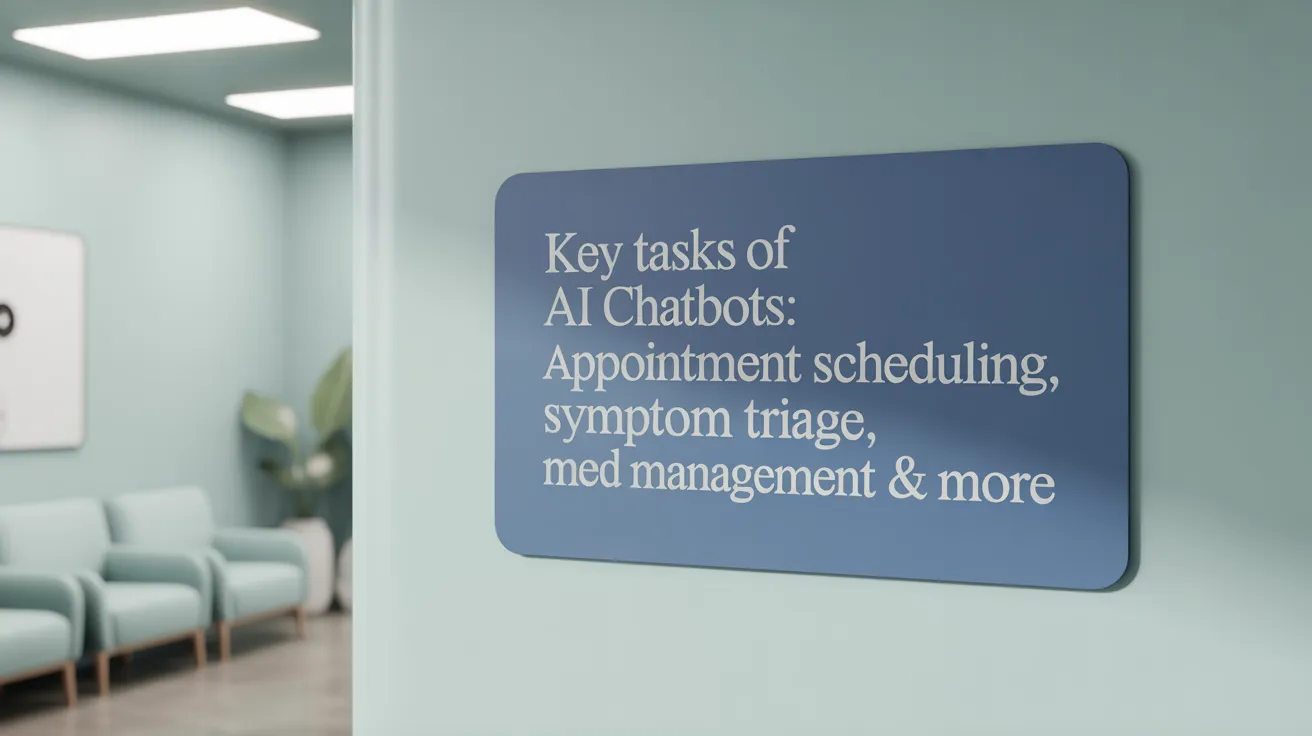
What key tasks do AI chatbots perform in healthcare settings?
AI chatbots serve a broad range of tasks essential to enhancing healthcare chatbot use cases and patient experience. Their core functionalities include:
Appointment Scheduling
AI chatbots efficiently handle appointment scheduling with chatbots, cancellations, and rescheduling by integrating with healthcare systems and verifying insurance coverage. They reduce administrative burdens and improve availability by operating 24/7 patient access to health information, allowing patients to book or modify appointments at any time.
Symptom Checking and Triage
These chatbots gather symptom information through conversational interfaces and perform symptom triage using AI chatbots. With high clinical scenario recognition accuracy, they assist in directing patients to appropriate care promptly, thus optimizing healthcare resources.
Medication Management
Chatbots remind patients about medication adherence support, provide information on side effects, and assist in prescription refills. Their role in chronic disease management chatbots supports continuous patient engagement and can enhance health outcomes through timely intervention.
Mental Health Support
AI chatbots provide accessible and personalized mental health chatbots, offering therapeutic conversations, screening tools, and early intervention strategies. They help reduce stigma and provide immediate support, especially where professional mental health resources are limited.
Administrative Assistance
Automating routine administrative tasks including insurance verification, billing inquiries, and patient education, chatbots streamline workflows and free clinical staff to focus on complex care tasks. Integration with integration of AI chatbots with EHR systems ensures real-time data accuracy and compliance with privacy standards.
Overall, AI chatbots in healthcare improve operational efficiency in healthcare by up to 40%, increase patient engagement with AI chatbots over 90%, and provide continuous, cost-effective support while ensuring data privacy in healthcare chatbots.
Enhancing Patient Engagement and Accessibility Through AI

How do AI chatbots enhance patient engagement and access to care?
AI chatbots in healthcare significantly enhance patient engagement and accessibility by offering 24/7 chatbot availability, enabling patients to access health information and services anytime without delays. This continual access helps maintain high patient involvement, with some AI systems achieving engagement rates exceeding 90%.
These chatbots effectively support remote and underserved populations by providing health services beyond traditional clinical hours and geographical constraints. Their multilingual and culturally sensitive designs allow broader inclusivity, catering to diverse patient groups and reducing barriers related to language and cultural differences (Multilingual healthcare chatbots, Culturally sensitive AI chatbots).
By integrating capabilities such as symptom assessment chatbots, appointment scheduling with chatbots, medication reminders via chatbots, and mental health chatbots, chatbots promote proactive patient participation in healthcare. The tailored communication and round-the-clock support empower patients to manage their health more independently and confidently (patient care with AI chatbots).
Furthermore, these tools drive equitable healthcare by increasing accessibility for individuals in rural areas or those with limited mobility, ensuring that critical health information and services reach a wider audience. The deployment of culturally aware chatbots fosters trust and comfort during interactions, enhancing user satisfaction and continuity of care (Equitable care through chatbots, Culturally sensitive AI chatbots.
Overall, AI chatbots bridge gaps in healthcare delivery, improve patient engagement, and extend the reach of medical support, all while supporting operational efficiency in healthcare for providers.
Integration with Healthcare Systems and Data Utilization
How are AI chatbots integrated with healthcare infrastructure?
AI chatbots in healthcare are increasingly integrated with existing healthcare systems to enhance patient care and operational workflows. Key integrations include Electronic Health Records (EHRs), telehealth platforms, appointment scheduling systems, and wearable or IoT devices. These integrations enable chatbots to access and update patient medical histories, manage appointment bookings, and collect real-time health data from wearable technology.
By connecting with EHRs, chatbots can retrieve pertinent clinical information to personalize patient interactions, improve decision-making support, and assist clinicians by auto-filling data or drafting communications. Telehealth connectivity allows chatbots to collect initial patient symptom information, conduct virtual triage, and assist during remote consultations, thereby expanding healthcare accessibility.
Wearable device integration enables continuous monitoring of vital signs such as blood pressure and glucose levels. Chatbots analyze these data streams to provide early alerts about abnormal values, facilitating preventive care and timely interventions.
Moreover, the aggregated data from these sources feed into advanced analytics and predictive models. This process supports personalized care planning, anticipates health risks, and identifies patients needing urgent attention. The integration enhances the scalability and efficiency of healthcare delivery, freeing clinical staff to focus on complex care tasks while chatbots manage routine and data-driven processes.
In summary, seamless integration of AI chatbots with healthcare infrastructure promotes continuous, personalized patient engagement, operational efficiency, and better health outcomes through proactive data utilization and interoperability.
Advanced AI Technologies Empowering Chatbots
What AI technologies underpin the capabilities of healthcare chatbots?
Healthcare chatbots are powered by several advanced artificial intelligence technologies that enable them to interact naturally and efficiently with patients. Central among these are:
- Natural Language Processing (NLP): This technology allows chatbots to understand and generate human language in both written and spoken forms, facilitating seamless patient communication.
- Machine Learning (ML): ML enables chatbots to improve their responses over time by learning from interactions and adapting to diverse patient needs, enhancing accuracy and personalization.
- Sentiment Analysis: By analyzing the emotional tone in patient inputs, chatbots can provide empathetic, context-sensitive responses, improving user engagement and satisfaction.
- Contextual Awareness: This capability helps chatbots maintain the context of conversations, allowing for coherent multi-turn exchanges that simulate human dialogue effectively.
In recent years, the introduction of large language models (LLMs) such as OpenAI's GPT-4 and Google Gemini has revolutionized chatbot technologies. These models significantly advance natural language understanding and generation, enabling chatbots to deliver more fluid, personalized, and accurate interactions. LLMs support complex medical inquiries, nuanced patient dialogues, and even multilingual capabilities, broadening accessibility and usability.
Together, these AI technologies form the foundation of modern healthcare chatbots, empowering them to provide 24/7 patient support, automate routine tasks, and enhance overall healthcare delivery with increased efficiency and patient-centered engagement.
Use Cases: Clinical Support and Chronic Disease Management
In what clinical scenarios are AI chatbots effectively used?
AI chatbots serve pivotal roles across multiple clinical scenarios, delivering substantial support in both patient care with AI chatbots and chronic disease management. They are primarily employed for symptom triage using AI chatbots, swiftly collecting and assessing patient-reported symptoms to prioritize urgent care needs. This functionality supports early intervention by alerting clinicians to deteriorating conditions, as demonstrated in monitoring heart failure and post-operative patients.
Beyond triage, chatbots enhance medication adherence through tailored reminders, side effect monitoring, and prescription refill assistance, which is crucial for patients managing complex regimens or chronic illnesses. This ongoing support helps reduce medication errors and hospital readmissions.
For chronic condition monitoring, AI chatbots integrate data from wearables and electronic health records to track parameters such as glucose levels and blood pressure, enabling timely alerts and preventive care. These applications improve management of diseases like diabetes, hypertension, and heart failure by providing continuous remote patient monitoring and facilitating personalized care plans.
Mental health is a significant area where AI chatbots contribute effectively. They offer accessible, 24/7 patient access to health information, guided therapeutic conversations, and cognitive behavioral therapy (CBT) interventions. Such chatbots provide a non-judgmental platform for patients to discuss concerns, helping to bridge gaps where mental health professional access is limited.
Overall, AI chatbots optimize clinical workflows by automating routine communications and data collection, improving patient engagement through healthcare chatbots, and supporting healthcare providers in delivering timely, personalized care.
Impact on Healthcare Operations and Cost Efficiency
How do AI chatbots affect healthcare operations and costs?
AI chatbots in healthcare are revolutionizing healthcare operations by automating routine administrative tasks such as appointment scheduling chatbots, billing, and prescription management. This automation significantly reduces the administrative burden on healthcare staff, enabling them to focus on complex clinical duties. Studies report that AI chatbots in healthcare have improved operational efficiency in healthcare by up to 40% in some US healthcare facilities.
Furthermore, AI chatbots in healthcare provide scalability during peak demand periods. They can handle large volumes of patient interactions simultaneously without increasing the workload on human staff, ensuring consistent service quality even during surges in patient inquiries.
The cost-saving potential of healthcare chatbots is substantial. Globally, AI chatbot adoption in healthcare is projected to save around $3.6 billion by 2025 through reduced administrative costs and better resource utilization. Healthcare systems benefit from minimized appointment no-shows due to automated reminders and improved patient engagement, which also contributes to financial efficiencies.
In summary, the integration of AI chatbots in healthcare streamlines healthcare operations by cutting down manual, routine processes, enhancing efficiency, managing high patient volumes with agility, and delivering meaningful cost savings from healthcare chatbots across healthcare organizations.
Challenges and Ethical Considerations in AI Chatbot Deployment
What are the main challenges and ethical concerns in healthcare chatbot use?
AI chatbots offer transformative benefits for healthcare but also present significant challenges and ethical concerns. Central among these is ensuring data privacy and security compliance. Healthcare chatbots must adhere to strict regulations such as HIPAA and GDPR to protect sensitive patient information. Secure communication protocols like encryption and clear policies on data handling are essential to gain patient trust and prevent breaches (patient data privacy and HIPAA compliance).
Algorithmic bias is another critical concern, as AI trained on non-representative datasets can perpetuate or worsen existing health disparities. This raises equity issues, particularly for minority and underserved populations. Developing chatbots with inclusive datasets and ongoing bias monitoring is imperative to promote equitable care (bias and underrepresentation in chatbot training data).
There is also the risk of misdiagnosis and misinformation since chatbots lack the full context and expertise of clinicians. Erroneous or outdated information could lead to inappropriate patient decisions or delayed care. Hence, they are designed to augment—not replace—professional judgment, with clear disclaimers and referral mechanisms to human providers (limitations of healthcare chatbots).
Maintaining human oversight and transparency is vital. Patients should be informed when they interact with AI and have the option to escalate to a human clinician at any time. Transparent communication about data use, chatbot limitations, and involvement of clinicians in reviewing chatbot outputs helps maintain trust (Human oversight in AI-driven patient communication).
Addressing these challenges through careful implementation, ethical frameworks, and regulatory compliance ensures that AI chatbots can safely complement healthcare delivery while preserving patient rights and care quality (Ethical concerns of AI chatbots.
Future Trends: Personalization and Multimodal Interactions

What emerging trends will shape the future of AI chatbots in patient communication?
Future of Chatbots in Healthcare are centered around delivering more personalized and accessible patient interactions. Advanced personalization will leverage extensive patient data, such as medical history, lifestyle, and real-time health metrics, allowing chatbots to tailor advice, reminders, and interventions to individual needs.
Voice-activated and multimodal chatbot interfaces are becoming increasingly important. These capabilities enable conversational interactions not only via text but also through voice commands and visual inputs, improving accessibility for patients with disabilities and those who prefer hands-free communication.
Integration with wearable and IoT health devices is another pivotal trend. By connecting chatbots to devices that monitor blood pressure, glucose levels, or physical activity, healthcare systems can facilitate continuous patient monitoring. This connectivity allows chatbots to provide timely alerts and support preventive care, enhancing chronic disease management.
Predictive analytics combined with AI chatbots supports proactive healthcare outreach. By analyzing patterns in patient data, chatbots can identify early warning signs and initiate timely interventions, potentially reducing hospital admissions and improving health outcomes.
These advances collectively promise to enhance patient engagement, streamline clinical workflows, and promote equitable access to healthcare services, positioning AI chatbots as integral components of next-generation digital health ecosystems.
AI Chatbots Supporting Mental Health Care
How are AI chatbots transforming mental health support?
AI chatbots for mental health support are revolutionizing mental health care by delivering therapeutic interventions such as Cognitive Behavioral Therapy (CBT) and Dialectical Behavior Therapy (DBT). These chatbots provide continuous, anonymous support around the clock, ensuring patients have immediate access to assistance regardless of time or location.
By offering non-judgmental and stigma-reducing environments, chatbots help overcome traditional barriers to mental health treatment, addressing critical gaps in access especially in underserved communities. Their scalable nature allows wide-reaching impact without increasing clinician workload.
Therapeutic interventions such as CBT and DBT
AI chatbots for mental health support integrate evidence-based therapeutic techniques, guiding users through structured exercises and coping strategies tailored to individual needs. They facilitate early intervention by assisting with mood tracking, self-assessments, and behavior modification support, fostering patient self-management and resilience.
24/7 anonymous support availability
The 24/7 availability of AI mental health aides of these chatbots provides patients with constant access to emotional support and crisis management resources. This immediacy is crucial for individuals seeking help outside regular clinical hours or those reluctant to seek face-to-face counseling.
Addressing stigma and access gaps
By creating confidential and accessible support channels, AI chatbots for mental health support reduce stigma attached to mental health care. Their usability across diverse demographics promotes equitable healthcare delivery, effectively serving populations with limited access to traditional services.
Privacy safeguards specific to mental health data
Given the sensitive nature of mental health information, robust privacy safeguards are imperative. Chatbots employ data encryption, user consent protocols, anonymization, and secure data handling compliant with healthcare regulations to protect patient confidentiality and foster trust.
In summary, AI chatbots for mental health support are significantly enhancing mental health support through therapeutic engagement, constant availability, stigma reduction, and rigorous privacy protections, making mental healthcare more accessible and patient-centered.
Clinical Decision Support and Research Applications
What role do AI chatbots play in clinical decision-making and research?
AI chatbots are increasingly integral in clinical decision support, enhancing physician efficiency and accuracy. These chatbots analyze extensive patient data rapidly, helping in Symptom assessment chatbots, diagnosis, and prioritizing care. For example, AI systems have demonstrated comparable diagnostic accuracy to human physicians, with some achieving near 99% recognition of clinical scenarios, aiding in reducing diagnostic errors and improving treatment plans.
In research and development workflows, AI chatbots automate routine documentation and data management, accelerate chemical identification in pharmaceutical R&D, and support large-scale data collection and analysis. Notably, Merck’s AI R&D Assistant significantly reduced chemical identification time from six months to six hours, emphasizing the transformative potential of AI in healthcare innovation (see Future of Chatbots in Healthcare, Future of Healthcare AI).
Furthermore, AI chatbots are instrumental in medical education. Platforms like MedSimAI virtual patient simulation provide virtual patient simulations that allow medical students to practice clinical communication and decision-making skills in realistic scenarios. The system offers immediate feedback on performance aspects such as empathy and questioning techniques, making clinical training more accessible and cost-effective compared to traditional methods.
These applications collectively demonstrate that AI chatbots not only augment clinical care but also streamline research and educational processes in healthcare, fostering improved outcomes and operational efficiency.
Successful Real-World Implementations and Case Studies
What are examples of effective deployments of AI chatbots in healthcare?
Several prominent healthcare institutions have successfully integrated AI chatbots in healthcare to enhance patient care and operational efficiency. For instance, the University of Pennsylvania’s Abramson Cancer Center employs a bi-directional text messaging system called Penny. Penny monitors patients undergoing oral chemotherapy by conducting daily check-ins and promptly alerting clinicians to any issues, facilitating timely interventions.
Similarly, OSF HealthCare's virtual assistant, Clare, serves as a 24/7 single point of contact for patients, enabling self-service options such as appointment scheduling, billing inquiries, and medical advice. In its first year of deployment, Clare contributed to $2.4 million in cost savings by diverting patient calls from contact centers and improving patient flow through effective triage.
At UC San Diego Health, an AI chatbot integrated with the electronic patient portal drafts responses to common patient messages about appointments, prescriptions, and test results. A study revealed that chatbot-generated replies were preferred by patients in nearly 79% of cases due to their empathy, tone, and thoroughness, enhancing patient satisfaction while improving response efficiency.
How have AI chatbots impacted healthcare systems?
These real-world implementations demonstrate that AI chatbots in healthcare offer numerous benefits, including:
- Operational efficiency improvements: Automating routine communications and administrative tasks reduces clinician workload and operational costs.
- 24/7 patient support: Continuous availability improves access to care and patient engagement.
- Cost savings: As evidenced by OSF Healthcare's significant financial savings via call diversion and process automation.
- Enhanced patient satisfaction: Studies show patients appreciate the empathetic and responsive communication provided by AI chatbots.
By embracing AI chatbot technology, healthcare providers can optimize workflows, improve patient experiences, and realize tangible cost benefits while maintaining quality and personalized care.
Conclusion: The Transformative Potential of AI Chatbots in Patient Communication
Accelerating Healthcare Accessibility and Efficiency
AI chatbots are reshaping patient communication by providing 24/7 accessibility, personalized support, and streamlined healthcare operations. With widespread adoption—nearing 19% integration among medical group practices by 2025—and a projected market growth to over $10 billion by 2034, these virtual assistants have proven effective in appointment scheduling, symptom triage, medication adherence, and mental health support.
Addressing Key Challenges for Safe Deployment
Despite numerous benefits such as reduced administrative burden and enhanced patient engagement, challenges remain critical. Ensuring data privacy compliance with regulations like HIPAA, preventing misinformation, minimizing algorithmic bias, and preserving the human touch are essential for building trust. Transparent patient communication about AI use, clinician oversight, and robust security measures underpin responsible implementation.
Future Directions for Innovation
Ongoing advancements in natural language processing, integration with electronic health records, and incorporation of multimodal interfaces including voice and wearables will further personalize and extend chatbot capabilities. The expanding role of AI chatbots as clinical decision support tools and virtual health assistants promises to enhance patient outcomes and operational efficiency. Strategic alignment with healthcare workflows and patient preferences will be crucial to fully realize the transformative potential of AI chatbots in patient communication.
Introduction to AI Chatbots in Healthcare Communication
Overview of AI Chatbot Growth in Healthcare
AI chatbots have rapidly become a transformative force in healthcare communication, automating routine tasks while enhancing patient interactions. Powered by advanced technologies such as Natural Language Processing and Machine Learning, these tools simulate human-like conversations to provide timely support, symptom assessments, medication reminders, and appointment scheduling.
Role in Patient Communication
The primary function of healthcare AI chatbots is streamlining communication between patients and providers. They offer 24/7 availability, enabling patients to receive prompt answers, access personalized health information, and manage appointments without delay. This continuous support reduces administrative burdens on healthcare staff and fosters higher patient engagement and satisfaction.
Market Projection and Adoption Statistics
The healthcare chatbot market is experiencing exponential growth, projected to reach USD 1.49 billion by 2025 and expanding further to over USD 10 billion by 2034, growing at a CAGR of nearly 24%. Adoption is increasing steadily, with approximately 19% of U.S. medical group practices having integrated chatbots by early 2025. This growth reflects the sector's strong demand for scalable, efficient patient communication solutions.
Rapid Market Expansion and Adoption of Healthcare AI Chatbots
What is the current and projected market size for healthcare AI chatbots?
The healthcare chatbot market size is experiencing impressive growth, with its global valuation projected to reach USD 1.49 billion by 2025. Forecasts suggest this market will expand further to USD 10.26 billion by 2034, reflecting a compound annual growth rate (CAGR) of approximately 24%. This rapid market expansion highlights increasing demand for AI chatbots in healthcare that enhance patient engagement, streamline administrative tasks, and improve operational efficiency in healthcare.
What are the adoption rates in healthcare practices?
As of April 2025, about 19% of medical group practices have integrated AI chatbots in healthcare into their patient communication workflows. This adoption rate points to growing acceptance and reliance on AI chatbots to manage appointment scheduling with chatbots, symptom triage using AI chatbots, medication reminders, and virtual consultations. Such integration enables healthcare providers to reduce administrative burden and improve patient accessibility by offering 24/7 chatbot availability.
Who are the major companies leading healthcare chatbot development?
The healthcare chatbot sector is highly competitive, with several key players driving innovation and market penetration. Notable companies include Woebot Labs, Sensely Inc., Ada Digital Health Ltd., Babylon Health, and Buoy Health Inc.. These organizations provide a broad array of chatbot solutions ranging from mental health support and symptom assessment to chronic disease management and virtual health assistance. Their platforms commonly incorporate advanced technologies such as natural language processing, machine learning, and integration with electronic health records to deliver personalized and efficient patient care.
| Aspect | Details | Significance |
|---|---|---|
| Market Size (2025) | USD 1.49 billion | Indicator of strong current demand |
| Market Size (2034) | USD 10.26 billion | Long-term market potential |
| CAGR | ~24% | Reflects rapid annual growth |
| Adoption Rate | 19% of medical practices (2025) | Growing integration in clinical settings |
| Major Companies | Woebot Labs, Sensely, Ada Health, Babylon, Buoy | Diversity of solutions and innovation |
Core Functionalities of AI Chatbots in Patient Communication
What key tasks do AI chatbots perform in healthcare settings?
AI chatbots serve a broad range of tasks essential to enhancing healthcare chatbot use cases and patient experience. Their core functionalities include:
Appointment Scheduling
AI chatbots efficiently handle appointment scheduling with chatbots, cancellations, and rescheduling by integrating with healthcare systems and verifying insurance coverage. They reduce administrative burdens and improve availability by operating 24/7 patient access to health information, allowing patients to book or modify appointments at any time.
Symptom Checking and Triage
These chatbots gather symptom information through conversational interfaces and perform symptom triage using AI chatbots. With high clinical scenario recognition accuracy, they assist in directing patients to appropriate care promptly, thus optimizing healthcare resources.
Medication Management
Chatbots remind patients about medication adherence support, provide information on side effects, and assist in prescription refills. Their role in chronic disease management chatbots supports continuous patient engagement and can enhance health outcomes through timely intervention.
Mental Health Support
AI chatbots provide accessible and personalized mental health chatbots, offering therapeutic conversations, screening tools, and early intervention strategies. They help reduce stigma and provide immediate support, especially where professional mental health resources are limited.
Administrative Assistance
Automating routine administrative tasks including insurance verification, billing inquiries, and patient education, chatbots streamline workflows and free clinical staff to focus on complex care tasks. Integration with integration of AI chatbots with EHR systems ensures real-time data accuracy and compliance with privacy standards.
Overall, AI chatbots in healthcare improve operational efficiency in healthcare by up to 40%, increase patient engagement with AI chatbots over 90%, and provide continuous, cost-effective support while ensuring data privacy in healthcare chatbots.
Enhancing Patient Engagement and Accessibility Through AI
How do AI chatbots enhance patient engagement and access to care?
AI chatbots in healthcare significantly enhance patient engagement and accessibility by offering 24/7 chatbot availability, enabling patients to access health information and services anytime without delays. This continual access helps maintain high patient involvement, with some AI systems achieving engagement rates exceeding 90%.
These chatbots effectively support remote and underserved populations by providing health services beyond traditional clinical hours and geographical constraints. Their multilingual and culturally sensitive designs allow broader inclusivity, catering to diverse patient groups and reducing barriers related to language and cultural differences (Multilingual healthcare chatbots, Culturally sensitive AI chatbots).
By integrating capabilities such as symptom assessment chatbots, appointment scheduling with chatbots, medication reminders via chatbots, and mental health chatbots, chatbots promote proactive patient participation in healthcare. The tailored communication and round-the-clock support empower patients to manage their health more independently and confidently (patient care with AI chatbots).
Furthermore, these tools drive equitable healthcare by increasing accessibility for individuals in rural areas or those with limited mobility, ensuring that critical health information and services reach a wider audience. The deployment of culturally aware chatbots fosters trust and comfort during interactions, enhancing user satisfaction and continuity of care (Equitable care through chatbots, Culturally sensitive AI chatbots.
Overall, AI chatbots bridge gaps in healthcare delivery, improve patient engagement, and extend the reach of medical support, all while supporting operational efficiency in healthcare for providers.
Integration with Healthcare Systems and Data Utilization
How are AI chatbots integrated with healthcare infrastructure?
AI chatbots in healthcare are increasingly integrated with existing healthcare systems to enhance patient care and operational workflows. Key integrations include Electronic Health Records (EHRs), telehealth platforms, appointment scheduling systems, and wearable or IoT devices. These integrations enable chatbots to access and update patient medical histories, manage appointment bookings, and collect real-time health data from wearable technology.
By connecting with EHRs, chatbots can retrieve pertinent clinical information to personalize patient interactions, improve decision-making support, and assist clinicians by auto-filling data or drafting communications. Telehealth connectivity allows chatbots to collect initial patient symptom information, conduct virtual triage, and assist during remote consultations, thereby expanding healthcare accessibility.
Wearable device integration enables continuous monitoring of vital signs such as blood pressure and glucose levels. Chatbots analyze these data streams to provide early alerts about abnormal values, facilitating preventive care and timely interventions.
Moreover, the aggregated data from these sources feed into advanced analytics and predictive models. This process supports personalized care planning, anticipates health risks, and identifies patients needing urgent attention. The integration enhances the scalability and efficiency of healthcare delivery, freeing clinical staff to focus on complex care tasks while chatbots manage routine and data-driven processes.
In summary, seamless integration of AI chatbots with healthcare infrastructure promotes continuous, personalized patient engagement, operational efficiency, and better health outcomes through proactive data utilization and interoperability.
Advanced AI Technologies Empowering Chatbots
What AI technologies underpin the capabilities of healthcare chatbots?
Healthcare chatbots are powered by several advanced artificial intelligence technologies that enable them to interact naturally and efficiently with patients. Central among these are:
- Natural Language Processing (NLP): This technology allows chatbots to understand and generate human language in both written and spoken forms, facilitating seamless patient communication.
- Machine Learning (ML): ML enables chatbots to improve their responses over time by learning from interactions and adapting to diverse patient needs, enhancing accuracy and personalization.
- Sentiment Analysis: By analyzing the emotional tone in patient inputs, chatbots can provide empathetic, context-sensitive responses, improving user engagement and satisfaction.
- Contextual Awareness: This capability helps chatbots maintain the context of conversations, allowing for coherent multi-turn exchanges that simulate human dialogue effectively.
In recent years, the introduction of large language models (LLMs) such as OpenAI's GPT-4 and Google Gemini has revolutionized chatbot technologies. These models significantly advance natural language understanding and generation, enabling chatbots to deliver more fluid, personalized, and accurate interactions. LLMs support complex medical inquiries, nuanced patient dialogues, and even multilingual capabilities, broadening accessibility and usability.
Together, these AI technologies form the foundation of modern healthcare chatbots, empowering them to provide 24/7 patient support, automate routine tasks, and enhance overall healthcare delivery with increased efficiency and patient-centered engagement.
Use Cases: Clinical Support and Chronic Disease Management
In what clinical scenarios are AI chatbots effectively used?
AI chatbots serve pivotal roles across multiple clinical scenarios, delivering substantial support in both patient care with AI chatbots and chronic disease management. They are primarily employed for symptom triage using AI chatbots, swiftly collecting and assessing patient-reported symptoms to prioritize urgent care needs. This functionality supports early intervention by alerting clinicians to deteriorating conditions, as demonstrated in monitoring heart failure and post-operative patients.
Beyond triage, chatbots enhance medication adherence through tailored reminders, side effect monitoring, and prescription refill assistance, which is crucial for patients managing complex regimens or chronic illnesses. This ongoing support helps reduce medication errors and hospital readmissions.
For chronic condition monitoring, AI chatbots integrate data from wearables and electronic health records to track parameters such as glucose levels and blood pressure, enabling timely alerts and preventive care. These applications improve management of diseases like diabetes, hypertension, and heart failure by providing continuous remote patient monitoring and facilitating personalized care plans.
Mental health is a significant area where AI chatbots contribute effectively. They offer accessible, 24/7 patient access to health information, guided therapeutic conversations, and cognitive behavioral therapy (CBT) interventions. Such chatbots provide a non-judgmental platform for patients to discuss concerns, helping to bridge gaps where mental health professional access is limited.
Overall, AI chatbots optimize clinical workflows by automating routine communications and data collection, improving patient engagement through healthcare chatbots, and supporting healthcare providers in delivering timely, personalized care.
Impact on Healthcare Operations and Cost Efficiency
How do AI chatbots affect healthcare operations and costs?
AI chatbots in healthcare are revolutionizing healthcare operations by automating routine administrative tasks such as appointment scheduling chatbots, billing, and prescription management. This automation significantly reduces the administrative burden on healthcare staff, enabling them to focus on complex clinical duties. Studies report that AI chatbots in healthcare have improved operational efficiency in healthcare by up to 40% in some US healthcare facilities.
Furthermore, AI chatbots in healthcare provide scalability during peak demand periods. They can handle large volumes of patient interactions simultaneously without increasing the workload on human staff, ensuring consistent service quality even during surges in patient inquiries.
The cost-saving potential of healthcare chatbots is substantial. Globally, AI chatbot adoption in healthcare is projected to save around $3.6 billion by 2025 through reduced administrative costs and better resource utilization. Healthcare systems benefit from minimized appointment no-shows due to automated reminders and improved patient engagement, which also contributes to financial efficiencies.
In summary, the integration of AI chatbots in healthcare streamlines healthcare operations by cutting down manual, routine processes, enhancing efficiency, managing high patient volumes with agility, and delivering meaningful cost savings from healthcare chatbots across healthcare organizations.
Challenges and Ethical Considerations in AI Chatbot Deployment
What are the main challenges and ethical concerns in healthcare chatbot use?
AI chatbots offer transformative benefits for healthcare but also present significant challenges and ethical concerns. Central among these is ensuring data privacy and security compliance. Healthcare chatbots must adhere to strict regulations such as HIPAA and GDPR to protect sensitive patient information. Secure communication protocols like encryption and clear policies on data handling are essential to gain patient trust and prevent breaches (patient data privacy and HIPAA compliance).
Algorithmic bias is another critical concern, as AI trained on non-representative datasets can perpetuate or worsen existing health disparities. This raises equity issues, particularly for minority and underserved populations. Developing chatbots with inclusive datasets and ongoing bias monitoring is imperative to promote equitable care (bias and underrepresentation in chatbot training data).
There is also the risk of misdiagnosis and misinformation since chatbots lack the full context and expertise of clinicians. Erroneous or outdated information could lead to inappropriate patient decisions or delayed care. Hence, they are designed to augment—not replace—professional judgment, with clear disclaimers and referral mechanisms to human providers (limitations of healthcare chatbots).
Maintaining human oversight and transparency is vital. Patients should be informed when they interact with AI and have the option to escalate to a human clinician at any time. Transparent communication about data use, chatbot limitations, and involvement of clinicians in reviewing chatbot outputs helps maintain trust (Human oversight in AI-driven patient communication).
Addressing these challenges through careful implementation, ethical frameworks, and regulatory compliance ensures that AI chatbots can safely complement healthcare delivery while preserving patient rights and care quality (Ethical concerns of AI chatbots.
Future Trends: Personalization and Multimodal Interactions
What emerging trends will shape the future of AI chatbots in patient communication?
Future of Chatbots in Healthcare are centered around delivering more personalized and accessible patient interactions. Advanced personalization will leverage extensive patient data, such as medical history, lifestyle, and real-time health metrics, allowing chatbots to tailor advice, reminders, and interventions to individual needs.
Voice-activated and multimodal chatbot interfaces are becoming increasingly important. These capabilities enable conversational interactions not only via text but also through voice commands and visual inputs, improving accessibility for patients with disabilities and those who prefer hands-free communication.
Integration with wearable and IoT health devices is another pivotal trend. By connecting chatbots to devices that monitor blood pressure, glucose levels, or physical activity, healthcare systems can facilitate continuous patient monitoring. This connectivity allows chatbots to provide timely alerts and support preventive care, enhancing chronic disease management.
Predictive analytics combined with AI chatbots supports proactive healthcare outreach. By analyzing patterns in patient data, chatbots can identify early warning signs and initiate timely interventions, potentially reducing hospital admissions and improving health outcomes.
These advances collectively promise to enhance patient engagement, streamline clinical workflows, and promote equitable access to healthcare services, positioning AI chatbots as integral components of next-generation digital health ecosystems.
AI Chatbots Supporting Mental Health Care
How are AI chatbots transforming mental health support?
AI chatbots for mental health support are revolutionizing mental health care by delivering therapeutic interventions such as Cognitive Behavioral Therapy (CBT) and Dialectical Behavior Therapy (DBT). These chatbots provide continuous, anonymous support around the clock, ensuring patients have immediate access to assistance regardless of time or location.
By offering non-judgmental and stigma-reducing environments, chatbots help overcome traditional barriers to mental health treatment, addressing critical gaps in access especially in underserved communities. Their scalable nature allows wide-reaching impact without increasing clinician workload.
Therapeutic interventions such as CBT and DBT
AI chatbots for mental health support integrate evidence-based therapeutic techniques, guiding users through structured exercises and coping strategies tailored to individual needs. They facilitate early intervention by assisting with mood tracking, self-assessments, and behavior modification support, fostering patient self-management and resilience.
24/7 anonymous support availability
The 24/7 availability of AI mental health aides of these chatbots provides patients with constant access to emotional support and crisis management resources. This immediacy is crucial for individuals seeking help outside regular clinical hours or those reluctant to seek face-to-face counseling.
Addressing stigma and access gaps
By creating confidential and accessible support channels, AI chatbots for mental health support reduce stigma attached to mental health care. Their usability across diverse demographics promotes equitable healthcare delivery, effectively serving populations with limited access to traditional services.
Privacy safeguards specific to mental health data
Given the sensitive nature of mental health information, robust privacy safeguards are imperative. Chatbots employ data encryption, user consent protocols, anonymization, and secure data handling compliant with healthcare regulations to protect patient confidentiality and foster trust.
In summary, AI chatbots for mental health support are significantly enhancing mental health support through therapeutic engagement, constant availability, stigma reduction, and rigorous privacy protections, making mental healthcare more accessible and patient-centered.
Clinical Decision Support and Research Applications
What role do AI chatbots play in clinical decision-making and research?
AI chatbots are increasingly integral in clinical decision support, enhancing physician efficiency and accuracy. These chatbots analyze extensive patient data rapidly, helping in Symptom assessment chatbots, diagnosis, and prioritizing care. For example, AI systems have demonstrated comparable diagnostic accuracy to human physicians, with some achieving near 99% recognition of clinical scenarios, aiding in reducing diagnostic errors and improving treatment plans.
In research and development workflows, AI chatbots automate routine documentation and data management, accelerate chemical identification in pharmaceutical R&D, and support large-scale data collection and analysis. Notably, Merck’s AI R&D Assistant significantly reduced chemical identification time from six months to six hours, emphasizing the transformative potential of AI in healthcare innovation (see Future of Chatbots in Healthcare, Future of Healthcare AI).
Furthermore, AI chatbots are instrumental in medical education. Platforms like MedSimAI virtual patient simulation provide virtual patient simulations that allow medical students to practice clinical communication and decision-making skills in realistic scenarios. The system offers immediate feedback on performance aspects such as empathy and questioning techniques, making clinical training more accessible and cost-effective compared to traditional methods.
These applications collectively demonstrate that AI chatbots not only augment clinical care but also streamline research and educational processes in healthcare, fostering improved outcomes and operational efficiency.
Successful Real-World Implementations and Case Studies
What are examples of effective deployments of AI chatbots in healthcare?
Several prominent healthcare institutions have successfully integrated AI chatbots in healthcare to enhance patient care and operational efficiency. For instance, the University of Pennsylvania’s Abramson Cancer Center employs a bi-directional text messaging system called Penny. Penny monitors patients undergoing oral chemotherapy by conducting daily check-ins and promptly alerting clinicians to any issues, facilitating timely interventions.
Similarly, OSF HealthCare's virtual assistant, Clare, serves as a 24/7 single point of contact for patients, enabling self-service options such as appointment scheduling, billing inquiries, and medical advice. In its first year of deployment, Clare contributed to $2.4 million in cost savings by diverting patient calls from contact centers and improving patient flow through effective triage.
At UC San Diego Health, an AI chatbot integrated with the electronic patient portal drafts responses to common patient messages about appointments, prescriptions, and test results. A study revealed that chatbot-generated replies were preferred by patients in nearly 79% of cases due to their empathy, tone, and thoroughness, enhancing patient satisfaction while improving response efficiency.
How have AI chatbots impacted healthcare systems?
These real-world implementations demonstrate that AI chatbots in healthcare offer numerous benefits, including:
- Operational efficiency improvements: Automating routine communications and administrative tasks reduces clinician workload and operational costs.
- 24/7 patient support: Continuous availability improves access to care and patient engagement.
- Cost savings: As evidenced by OSF Healthcare's significant financial savings via call diversion and process automation.
- Enhanced patient satisfaction: Studies show patients appreciate the empathetic and responsive communication provided by AI chatbots.
By embracing AI chatbot technology, healthcare providers can optimize workflows, improve patient experiences, and realize tangible cost benefits while maintaining quality and personalized care.
Conclusion: The Transformative Potential of AI Chatbots in Patient Communication
Accelerating Healthcare Accessibility and Efficiency
AI chatbots are reshaping patient communication by providing 24/7 accessibility, personalized support, and streamlined healthcare operations. With widespread adoption—nearing 19% integration among medical group practices by 2025—and a projected market growth to over $10 billion by 2034, these virtual assistants have proven effective in appointment scheduling, symptom triage, medication adherence, and mental health support.
Addressing Key Challenges for Safe Deployment
Despite numerous benefits such as reduced administrative burden and enhanced patient engagement, challenges remain critical. Ensuring data privacy compliance with regulations like HIPAA, preventing misinformation, minimizing algorithmic bias, and preserving the human touch are essential for building trust. Transparent patient communication about AI use, clinician oversight, and robust security measures underpin responsible implementation.
Future Directions for Innovation
Ongoing advancements in natural language processing, integration with electronic health records, and incorporation of multimodal interfaces including voice and wearables will further personalize and extend chatbot capabilities. The expanding role of AI chatbots as clinical decision support tools and virtual health assistants promises to enhance patient outcomes and operational efficiency. Strategic alignment with healthcare workflows and patient preferences will be crucial to fully realize the transformative potential of AI chatbots in patient communication.