.png)


The Crucial Role of PPC Landing Pages in Healthcare Marketing
Definition and Purpose of PPC Landing Pages
A PPC landing page is a specially designed webpage that users are directed to after clicking on a pay-per-click advertisement. Its primary purpose is to convert visitors into leads or patients by encouraging specific actions such as appointment bookings or contact form submissions. The page typically has a focused, single conversion goal to maximize effectiveness.
Importance of Targeted and Optimized Landing Pages in PPC Campaigns
Targeted PPC landing pages that closely match the ad's messaging and keywords significantly enhance campaign performance. Creating dedicated landing pages for different ad groups improves relevance and can increase lead generation by up to 12 times. Optimization elements such as fast page load times, mobile responsiveness, clear calls to action, and trust signals are critical. Consistent messaging between ad copy and landing page also improves Quality Scores, lowering costs per click and increasing return on ad spend (ROAS).
Overview of Healthcare PPC Challenges and Opportunities
Healthcare PPC marketing faces unique challenges including strict regulatory compliance (e.g., HIPAA), privacy concerns, and high competition. Despite these hurdles, there is a strong opportunity to capture high-intent patient traffic through well-crafted campaigns. Employing precise keyword targeting, geo-targeting, and compliant landing pages with empathetic messaging helps convert more qualified leads. Additionally, integration of advanced tracking and AI-powered optimizations facilitates measurable patient growth and improved ROI.
These focused landing pages are indispensable in healthcare PPC strategies, serving as the critical bridge between ad engagement and patient acquisition.
Aligning Ad Copy with Landing Page Messaging for Enhanced Conversion

Impact of message matching on conversion rates
Ensuring that matching ad copy and landing page messaging align precisely can boost conversion rates by up to 25%. This consistency reassures visitors they have landed on a relevant page that matches their search intent, reducing bounce rates and encouraging engagement.
Improvement on Google Ads Quality Score through consistency
Google Ads rewards enhancing Quality Score for PPC, which results in lower cost-per-click (CPC) and better ad placement. A better Quality Score not only increases ad visibility but also enhances return on ad spend (ROAS), creating more efficient PPC campaigns.
Examples of matching headlines, value propositions, and CTAs between ads and landing pages
Effective PPC campaigns feature headlines on landing pages that directly reflect the ad's promise, reinforcing the user’s decision to click. Clear value proposition above the fold should echo the ad's core offer to immediately capture attention. Likewise, trust elements and CTAs such as “Schedule Your Consultation Today” or “Get Your Free Quote” must mirror the ad’s CTA language, maintaining message continuity and guiding users toward conversion seamlessly.
By strategically aligning every element —from headlines through CTAs— campaigns can maximize engagement, improve Quality Scores, and ultimately elevate PPC performance in the healthcare sector and beyond.
Creating Dedicated, Targeted Landing Pages for Each Campaign
Benefits of Customized Landing Pages for Specific Ad Groups
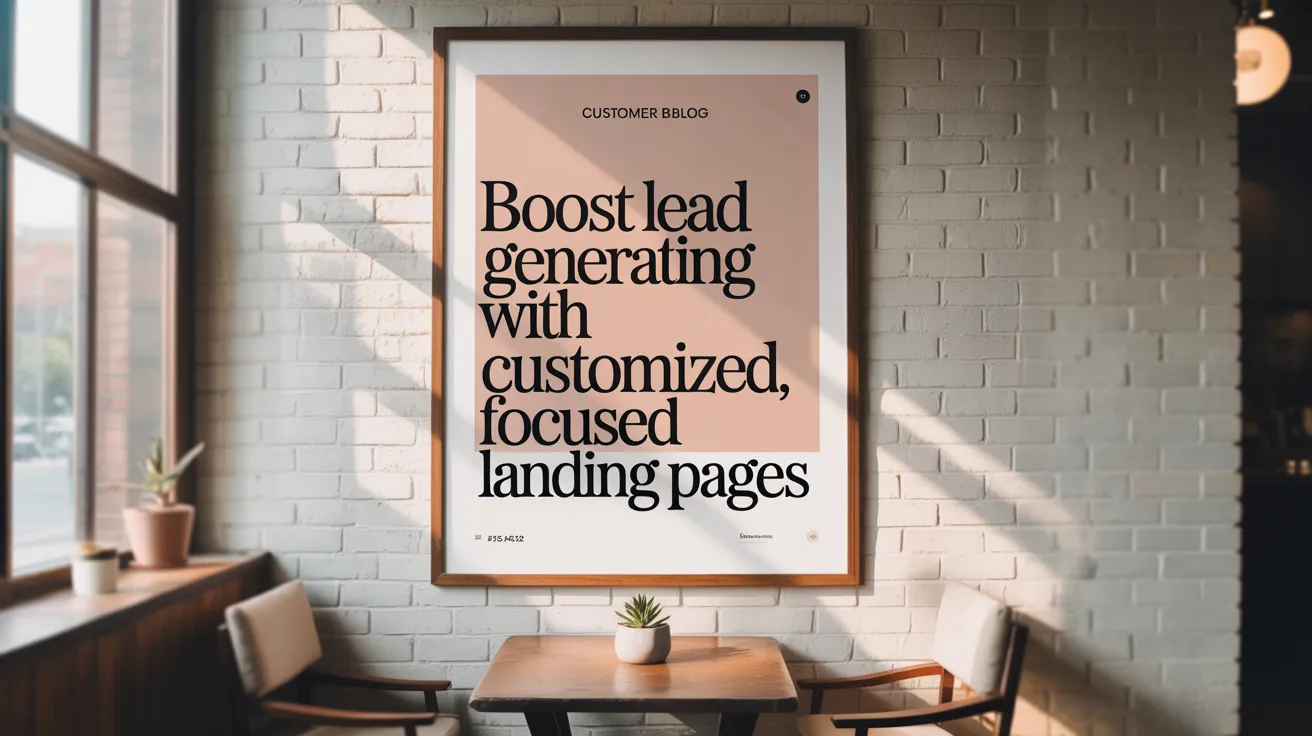
Creating dedicated landing pages for ad groups tailored to each PPC ad group significantly enhances relevance and user engagement. These focused landing pages ensure matching ad copy and landing page messaging is aligned precisely with the user's search intent and ad copy, improving enhancing Quality Score for PPC and reducing cost per click (CPC).
Increase in Lead Generation Through Focused Content
Landing pages customized for specific campaigns can generate 12 times more leads compared to generic pages. By concentrating on a single goal of PPC landing pages and removing distractions, these pages streamline the visitor's journey toward registration or appointment booking, ultimately boost conversion rates.
Role of Microsites and Personalized Content in Healthcare PPC
In healthcare PPC, microsites and landing pages with personalized benefits PDFs improve patient experience by delivering relevant information. Dynamic features like geo-targeted PPC ads and variable data forms in PPC help qualify leads effectively, allowing immediate follow-up with personalized resources such as benefits PDFs and CRM notifications. This strategic use of personalized landing pages supports higher engagement and measurable patient growth outcomes.
Optimizing Page Load Speed and Mobile Responsiveness

Effects of page load delays on conversion rates and bounce rates
Page load speed impact on PPC performance is a critical factor in PPC campaign success. Research indicates that even a one-second delay causes 7% decrease in conversions. Slow-loading pages also significantly increase bounce rates, as users tend to abandon websites that do not load quickly. Fast-loading landing pages reduce bounce rates not only enhance user experience but also contribute to improved Quality Scores in platforms like Google Ads, ultimately lowering costs per click and boosting return on ad spend (ROAS).
Mobile usage statistics and abandonment rates
Mobile optimization importance is essential given the prevalence of mobile device usage in healthcare searches. Studies show that 53% of mobile users abandon slow sites. With a majority of patients researching healthcare services on smartphones, ensuring mobile-optimized landing pages is vital to capturing and converting this high-intent audience.
Techniques to improve page speed and ensure mobile optimization
To optimize page load times and mobile responsiveness, healthcare marketers should prioritize:
- Minimizing landing page size through optimized images and compressed resources
- Leveraging browser caching and content delivery networks (CDNs) to accelerate content delivery
- Utilizing mobile responsiveness in PPC and mobile optimization for PPC frameworks to ensure seamless display across devices
- Reducing unnecessary scripts and third-party plugins that slow down load times
- Conducting regular audits using tools like Google PageSpeed Insights and Lighthouse to identify and resolve performance bottlenecks
By implementing these strategies, healthcare PPC campaigns can deliver fast, accessible, and user-friendly landing pages that directly contribute to boost conversion rates and improved patient engagement.
Structuring Landing Pages with Clear Calls to Action and Trust Signals

Why Is a Singular, Prominent CTA Essential?
A healthcare PPC landing page should feature a single, clear, and visually striking call to action (CTA) that directs visitors toward the desired action—whether that is scheduling an appointment, requesting information, or completing a contact form. Concentrating visitor focus on this one objective reduces distractions and significantly increases conversion likelihood. Ensuring the CTA is "above the fold" enhances visibility, resulting in improved user engagement.
How Do Trust Elements Enhance Conversion in Healthcare?
Trust signals are critical in healthcare marketing due to the sensitive nature of the services offered. Incorporating elements such as patient testimonials, certifications, licensing badges, and professional affiliations establishes credibility. These indicators reassure visitors about the quality and legitimacy of the provider, which is essential in encouraging conversions. Displaying these trust markers prominently near or alongside the CTA further reinforces confidence at decision-making moments.
How Can Visual Hierarchy and Scannability Boost Engagement?
Effective use of visual hierarchy—through clear headlines, whitespace, and consistent typography—guides users naturally through the page content toward the CTA. Scannable content with bullet points, concise paragraphs, and segmented sections respects visitor attention spans, especially on mobile devices. Minimizing navigation and clutter helps maintain focus on the conversion goal while enhancing overall user experience, which is known to improve Quality Score and cost efficiency in PPC campaigns.
Implementing Robust Conversion Tracking and Data-Driven Optimization
Tools and techniques for conversion tracking
Effective PPC campaigns hinge on precise conversion tracking. Leading tools include Google Tag Manager (GTM), Visual Website Optimizer (VWO), and MonsterInsights. GTM simplifies managing and deploying tracking tags without modifying code, enabling detailed data collection on user actions such as form submissions or clicks. VWO facilitates A/B testing for PPC campaigns and behavioral analysis to understand what resonates with visitors. MonsterInsights offers seamless integration with WordPress, connecting Google Ads and Facebook Ads data with website analytics to monitor conversions like button clicks, form completions, and revenue attribution.
Benefits of tracking conversions for campaign optimization
Conversion tracking provides actionable insights vital for optimizing PPC campaigns. By clearly measuring outcomes linked to ad spend, marketers can identify which ads, keywords, or landing pages generate qualified leads. Documented improvements include up to a 50% rise in improve conversion rates by up to 50% when tracking guides ongoing adjustments. It supports informed budget allocation, lowering costs-per-lead and enhancing return on ad spend (ROAS). Reliable data also uncovers bottlenecks in the user journey, highlighting areas for refinement in messaging or design.
How conversion tracking supports A/B testing and continuous improvements
Conversion data underpins A/B testing for PPC frameworks by providing quantitative evidence of which landing page variants perform better. Testing variables such as headlines, call-to-action placement, or page load speed becomes precise with real-time conversion feedback. This iterative process fosters incremental improvements that enhance user engagement and conversion rates. Marketers leverage these insights to continuously refine ad copy, landing page layouts, and targeting strategies, thus maximizing campaign effectiveness and patient acquisition outcomes.
Leveraging Quality Score to Reduce Costs and Increase ROI
How relevance, page speed, and user experience affect Quality Score
Quality Score is a critical Google Ads metric that evaluates the relevance and quality of your PPC ads and landing pages. Key factors include how well your matching ad copy and landing page messaging align, the speed at which your landing page loads, and the overall user experience. A relevant and cohesive message between ad and landing page can boost conversion rates by up to 25%. Slow page loading causes a noticeable drop in conversions; a delay of just one second can decrease conversions by 7%. Additionally, a structured landing page design with clear headlines and logical flow, minimal navigation, mobile responsiveness in PPC, and using trust signals on landing pages enhances user engagement and satisfaction.
Impact of higher Quality Scores on CPC and Return on Ad Spend (ROAS)
Higher Quality Scores lead to lower cost-per-click (CPC) rates, enabling healthcare PPC campaigns to run more cost-effectively. Improved Quality Scores not only reduce CPCs but also increase ad placement rankings, thus enhancing visibility. This optimization boosts lower CPC and increase ROAS by delivering more qualified traffic at a lower cost, ultimately increasing boost conversion rates and patient acquisition without inflating budgets.
Strategies for improving Quality Score through landing page optimization
Optimizing landing pages is essential for elevating Quality Scores. Best practices include:
- Creating creating dedicated landing pages for ad groups
- Ensuring page load speed impact on PPC performance by optimizing images and server response
- matching landing page message with ad copy
- Building mobile-optimized landing pages to reduce bounce rates
- Incorporating using trust signals on landing pages such as testimonials and trust badges
- minimizing navigation for conversion and guiding users toward a single, clear call to action
- Utilizing conversion tracking tools like Google Tag Manager for measurement and ongoing optimization
Implementing these strategies aligns the landing page experience with user intent, improves Quality Scores, and drives better ROI for healthcare PPC campaigns.
Conducting A/B Testing and Continuous Refinement for Best Performance
The role of A/B testing headlines, CTA placements, images, and form designs
A/B testing is fundamental for optimizing PPC landing pages best practices by comparing different versions of key elements such as headlines, call-to-action (CTA) placements, images, and form designs. By experimenting with varied headlines, marketers can identify messaging that resonates best with visitors, increasing engagement. Strategic CTA placement ensures the conversion action is clearly visible and compelling, guiding users seamlessly toward completing the goal. Testing diverse images helps determine which visuals better capture attention and convey trust or professionalism, crucial in healthcare marketing. Additionally, form design testing—including length and field types—helps balance user ease with data collection needs, minimizing friction in the conversion process.
Using data insights and heatmaps to improve user experience
Utilizing data-driven tools such as heatmaps and user behavior analytics provides deep insights into visitor interaction patterns on landing pages. Heatmaps reveal areas of high engagement and elements that are overlooked, enabling precise adjustments that refine content layout and focus. Tracking metrics like bounce rates, conversion rates, and scroll depth offers actionable intelligence on how users navigate pages and respond to different content. Coupling A/B Testing for PPC campaigns results with these data insights supports evidence-based decisions that enhance the page’s relevance, usability, and ultimately conversion efficiency.
Examples of iterative landing page improvements leading to higher conversions
Iterative landing page refinement has proven successful in Healthcare PPC Campaigns. For instance, continually testing headlines aligned with patient queries and adjusting form complexity based on user feedback drove improvements in lead capture rates. By adding trust signals on landing pages tested in rotating images, one campaign saw increased visitor confidence and higher appointment bookings. Another case involved fine-tuning CTA button designs and placements, leading to a notable uplift in click-through and conversion percentages. These examples demonstrate how consistent evaluation and adaptation based on Conversion Rate Optimization Tips create a cycle of progressive refinement, driving stronger Conversion Rate Optimization (CRO) for PPC campaign outcomes.
Compliance, Privacy, and Ethical Considerations in Healthcare PPC Landing Pages
What are regulatory requirements affecting healthcare PPC ads and landing pages?
Healthcare PPC advertising is tightly regulated to ensure patient safety and data protection. Ads and landing pages must avoid prohibited content such as unapproved substances, experimental treatments, and sensitive personal health information, including data on chronic conditions, disabilities, or mental health. Compliance with platform-specific policies and industry regulations, such as HIPAA in the United States, is mandatory. Restrictions also extend to clinical trial recruitment and addiction services advertising.
Why is HIPAA-compliant tracking and data handling important?
HIPAA-compliant tracking safeguards patient privacy by ensuring that any collected data, including appointment bookings and form submissions, is securely handled and stored. Healthcare PPC campaigns require integration with HIPAA-Compliant Lead Tracking systems to connect downstream activity like patient outcomes with marketing efforts without compromising confidentiality. This compliance prevents legal penalties and builds a secure infrastructure for patient data management, as explained in HIPAA-Compliant Lead Tracking.
How does transparency and ethical messaging build patient trust?
Transparency in healthcare PPC landing pages involves clearly communicating privacy policies, the use of data, and offering reassuring calls-to-action that reflect respect and empathy towards patient concerns. Ethical messaging avoids false promises, emphasizes provider credentials, certifications, and uses patient testimonials as trust signals on landing pages as social proof. Maintaining alignment with Google’s E-E-A-T standards (Experience, Expertise, Authority, Trustworthiness) enhances credibility. These practices foster patient confidence, improving engagement and conversion rates.
Ensuring healthcare PPC landing pages adhere strictly to these compliance, privacy, and ethical standards is essential for sustaining patient trust and achieving measurable campaign success, as highlighted in Healthcare PPC best practices.
Driving Better Patient Engagement and Conversion Through Optimized PPC Landing Pages
Optimizing PPC landing pages in healthcare involves several focused strategies aimed at improving patient engagement and conversion rates.
First, message matching between ad copy and landing page content is vital, improving relevance and increasing conversions by up to 25%. Producing dedicated landing pages for specific ad groups helps target patient needs more precisely, potentially generating up to 12 times more leads. Fast load times and mobile optimization are critical, as delays and slow experiences can cause significant visitor drop-off. Displaying a clear value proposition above the fold and including trust signals like testimonials or certifications foster credibility and encourage action.
Continuous A/B testing and detailed data analysis are essential for refinement.
Using tools such as Google Optimize or Optimizely enables healthcare marketers to test headlines, CTAs, and page layouts. Monitoring metrics like conversion rate, bounce rate, and user behavior allows for data-driven improvements, ensuring campaigns adapt to patient preferences and compliance requirements.
Well-optimized PPC landing pages directly impact patient acquisition and practice growth.
By enhancing Quality Scores and lowering cost per click, healthcare providers attract more qualified leads efficiently. Improved conversions translate into increased appointment bookings and revenue, supporting sustainable marketing success in competitive healthcare markets.
The Crucial Role of PPC Landing Pages in Healthcare Marketing
Definition and Purpose of PPC Landing Pages
A PPC landing page is a specially designed webpage that users are directed to after clicking on a pay-per-click advertisement. Its primary purpose is to convert visitors into leads or patients by encouraging specific actions such as appointment bookings or contact form submissions. The page typically has a focused, single conversion goal to maximize effectiveness.
Importance of Targeted and Optimized Landing Pages in PPC Campaigns
Targeted PPC landing pages that closely match the ad's messaging and keywords significantly enhance campaign performance. Creating dedicated landing pages for different ad groups improves relevance and can increase lead generation by up to 12 times. Optimization elements such as fast page load times, mobile responsiveness, clear calls to action, and trust signals are critical. Consistent messaging between ad copy and landing page also improves Quality Scores, lowering costs per click and increasing return on ad spend (ROAS).
Overview of Healthcare PPC Challenges and Opportunities
Healthcare PPC marketing faces unique challenges including strict regulatory compliance (e.g., HIPAA), privacy concerns, and high competition. Despite these hurdles, there is a strong opportunity to capture high-intent patient traffic through well-crafted campaigns. Employing precise keyword targeting, geo-targeting, and compliant landing pages with empathetic messaging helps convert more qualified leads. Additionally, integration of advanced tracking and AI-powered optimizations facilitates measurable patient growth and improved ROI.
These focused landing pages are indispensable in healthcare PPC strategies, serving as the critical bridge between ad engagement and patient acquisition.
Aligning Ad Copy with Landing Page Messaging for Enhanced Conversion
Impact of message matching on conversion rates
Ensuring that matching ad copy and landing page messaging align precisely can boost conversion rates by up to 25%. This consistency reassures visitors they have landed on a relevant page that matches their search intent, reducing bounce rates and encouraging engagement.
Improvement on Google Ads Quality Score through consistency
Google Ads rewards enhancing Quality Score for PPC, which results in lower cost-per-click (CPC) and better ad placement. A better Quality Score not only increases ad visibility but also enhances return on ad spend (ROAS), creating more efficient PPC campaigns.
Examples of matching headlines, value propositions, and CTAs between ads and landing pages
Effective PPC campaigns feature headlines on landing pages that directly reflect the ad's promise, reinforcing the user’s decision to click. Clear value proposition above the fold should echo the ad's core offer to immediately capture attention. Likewise, trust elements and CTAs such as “Schedule Your Consultation Today” or “Get Your Free Quote” must mirror the ad’s CTA language, maintaining message continuity and guiding users toward conversion seamlessly.
By strategically aligning every element —from headlines through CTAs— campaigns can maximize engagement, improve Quality Scores, and ultimately elevate PPC performance in the healthcare sector and beyond.
Creating Dedicated, Targeted Landing Pages for Each Campaign
Benefits of Customized Landing Pages for Specific Ad Groups
Creating dedicated landing pages for ad groups tailored to each PPC ad group significantly enhances relevance and user engagement. These focused landing pages ensure matching ad copy and landing page messaging is aligned precisely with the user's search intent and ad copy, improving enhancing Quality Score for PPC and reducing cost per click (CPC).
Increase in Lead Generation Through Focused Content
Landing pages customized for specific campaigns can generate 12 times more leads compared to generic pages. By concentrating on a single goal of PPC landing pages and removing distractions, these pages streamline the visitor's journey toward registration or appointment booking, ultimately boost conversion rates.
Role of Microsites and Personalized Content in Healthcare PPC
In healthcare PPC, microsites and landing pages with personalized benefits PDFs improve patient experience by delivering relevant information. Dynamic features like geo-targeted PPC ads and variable data forms in PPC help qualify leads effectively, allowing immediate follow-up with personalized resources such as benefits PDFs and CRM notifications. This strategic use of personalized landing pages supports higher engagement and measurable patient growth outcomes.
Optimizing Page Load Speed and Mobile Responsiveness
Effects of page load delays on conversion rates and bounce rates
Page load speed impact on PPC performance is a critical factor in PPC campaign success. Research indicates that even a one-second delay causes 7% decrease in conversions. Slow-loading pages also significantly increase bounce rates, as users tend to abandon websites that do not load quickly. Fast-loading landing pages reduce bounce rates not only enhance user experience but also contribute to improved Quality Scores in platforms like Google Ads, ultimately lowering costs per click and boosting return on ad spend (ROAS).
Mobile usage statistics and abandonment rates
Mobile optimization importance is essential given the prevalence of mobile device usage in healthcare searches. Studies show that 53% of mobile users abandon slow sites. With a majority of patients researching healthcare services on smartphones, ensuring mobile-optimized landing pages is vital to capturing and converting this high-intent audience.
Techniques to improve page speed and ensure mobile optimization
To optimize page load times and mobile responsiveness, healthcare marketers should prioritize:
- Minimizing landing page size through optimized images and compressed resources
- Leveraging browser caching and content delivery networks (CDNs) to accelerate content delivery
- Utilizing mobile responsiveness in PPC and mobile optimization for PPC frameworks to ensure seamless display across devices
- Reducing unnecessary scripts and third-party plugins that slow down load times
- Conducting regular audits using tools like Google PageSpeed Insights and Lighthouse to identify and resolve performance bottlenecks
By implementing these strategies, healthcare PPC campaigns can deliver fast, accessible, and user-friendly landing pages that directly contribute to boost conversion rates and improved patient engagement.
Structuring Landing Pages with Clear Calls to Action and Trust Signals
Why Is a Singular, Prominent CTA Essential?
A healthcare PPC landing page should feature a single, clear, and visually striking call to action (CTA) that directs visitors toward the desired action—whether that is scheduling an appointment, requesting information, or completing a contact form. Concentrating visitor focus on this one objective reduces distractions and significantly increases conversion likelihood. Ensuring the CTA is "above the fold" enhances visibility, resulting in improved user engagement.
How Do Trust Elements Enhance Conversion in Healthcare?
Trust signals are critical in healthcare marketing due to the sensitive nature of the services offered. Incorporating elements such as patient testimonials, certifications, licensing badges, and professional affiliations establishes credibility. These indicators reassure visitors about the quality and legitimacy of the provider, which is essential in encouraging conversions. Displaying these trust markers prominently near or alongside the CTA further reinforces confidence at decision-making moments.
How Can Visual Hierarchy and Scannability Boost Engagement?
Effective use of visual hierarchy—through clear headlines, whitespace, and consistent typography—guides users naturally through the page content toward the CTA. Scannable content with bullet points, concise paragraphs, and segmented sections respects visitor attention spans, especially on mobile devices. Minimizing navigation and clutter helps maintain focus on the conversion goal while enhancing overall user experience, which is known to improve Quality Score and cost efficiency in PPC campaigns.
Implementing Robust Conversion Tracking and Data-Driven Optimization
Tools and techniques for conversion tracking
Effective PPC campaigns hinge on precise conversion tracking. Leading tools include Google Tag Manager (GTM), Visual Website Optimizer (VWO), and MonsterInsights. GTM simplifies managing and deploying tracking tags without modifying code, enabling detailed data collection on user actions such as form submissions or clicks. VWO facilitates A/B testing for PPC campaigns and behavioral analysis to understand what resonates with visitors. MonsterInsights offers seamless integration with WordPress, connecting Google Ads and Facebook Ads data with website analytics to monitor conversions like button clicks, form completions, and revenue attribution.
Benefits of tracking conversions for campaign optimization
Conversion tracking provides actionable insights vital for optimizing PPC campaigns. By clearly measuring outcomes linked to ad spend, marketers can identify which ads, keywords, or landing pages generate qualified leads. Documented improvements include up to a 50% rise in improve conversion rates by up to 50% when tracking guides ongoing adjustments. It supports informed budget allocation, lowering costs-per-lead and enhancing return on ad spend (ROAS). Reliable data also uncovers bottlenecks in the user journey, highlighting areas for refinement in messaging or design.
How conversion tracking supports A/B testing and continuous improvements
Conversion data underpins A/B testing for PPC frameworks by providing quantitative evidence of which landing page variants perform better. Testing variables such as headlines, call-to-action placement, or page load speed becomes precise with real-time conversion feedback. This iterative process fosters incremental improvements that enhance user engagement and conversion rates. Marketers leverage these insights to continuously refine ad copy, landing page layouts, and targeting strategies, thus maximizing campaign effectiveness and patient acquisition outcomes.
Leveraging Quality Score to Reduce Costs and Increase ROI
How relevance, page speed, and user experience affect Quality Score
Quality Score is a critical Google Ads metric that evaluates the relevance and quality of your PPC ads and landing pages. Key factors include how well your matching ad copy and landing page messaging align, the speed at which your landing page loads, and the overall user experience. A relevant and cohesive message between ad and landing page can boost conversion rates by up to 25%. Slow page loading causes a noticeable drop in conversions; a delay of just one second can decrease conversions by 7%. Additionally, a structured landing page design with clear headlines and logical flow, minimal navigation, mobile responsiveness in PPC, and using trust signals on landing pages enhances user engagement and satisfaction.
Impact of higher Quality Scores on CPC and Return on Ad Spend (ROAS)
Higher Quality Scores lead to lower cost-per-click (CPC) rates, enabling healthcare PPC campaigns to run more cost-effectively. Improved Quality Scores not only reduce CPCs but also increase ad placement rankings, thus enhancing visibility. This optimization boosts lower CPC and increase ROAS by delivering more qualified traffic at a lower cost, ultimately increasing boost conversion rates and patient acquisition without inflating budgets.
Strategies for improving Quality Score through landing page optimization
Optimizing landing pages is essential for elevating Quality Scores. Best practices include:
- Creating creating dedicated landing pages for ad groups
- Ensuring page load speed impact on PPC performance by optimizing images and server response
- matching landing page message with ad copy
- Building mobile-optimized landing pages to reduce bounce rates
- Incorporating using trust signals on landing pages such as testimonials and trust badges
- minimizing navigation for conversion and guiding users toward a single, clear call to action
- Utilizing conversion tracking tools like Google Tag Manager for measurement and ongoing optimization
Implementing these strategies aligns the landing page experience with user intent, improves Quality Scores, and drives better ROI for healthcare PPC campaigns.
Conducting A/B Testing and Continuous Refinement for Best Performance
The role of A/B testing headlines, CTA placements, images, and form designs
A/B testing is fundamental for optimizing PPC landing pages best practices by comparing different versions of key elements such as headlines, call-to-action (CTA) placements, images, and form designs. By experimenting with varied headlines, marketers can identify messaging that resonates best with visitors, increasing engagement. Strategic CTA placement ensures the conversion action is clearly visible and compelling, guiding users seamlessly toward completing the goal. Testing diverse images helps determine which visuals better capture attention and convey trust or professionalism, crucial in healthcare marketing. Additionally, form design testing—including length and field types—helps balance user ease with data collection needs, minimizing friction in the conversion process.
Using data insights and heatmaps to improve user experience
Utilizing data-driven tools such as heatmaps and user behavior analytics provides deep insights into visitor interaction patterns on landing pages. Heatmaps reveal areas of high engagement and elements that are overlooked, enabling precise adjustments that refine content layout and focus. Tracking metrics like bounce rates, conversion rates, and scroll depth offers actionable intelligence on how users navigate pages and respond to different content. Coupling A/B Testing for PPC campaigns results with these data insights supports evidence-based decisions that enhance the page’s relevance, usability, and ultimately conversion efficiency.
Examples of iterative landing page improvements leading to higher conversions
Iterative landing page refinement has proven successful in Healthcare PPC Campaigns. For instance, continually testing headlines aligned with patient queries and adjusting form complexity based on user feedback drove improvements in lead capture rates. By adding trust signals on landing pages tested in rotating images, one campaign saw increased visitor confidence and higher appointment bookings. Another case involved fine-tuning CTA button designs and placements, leading to a notable uplift in click-through and conversion percentages. These examples demonstrate how consistent evaluation and adaptation based on Conversion Rate Optimization Tips create a cycle of progressive refinement, driving stronger Conversion Rate Optimization (CRO) for PPC campaign outcomes.
Compliance, Privacy, and Ethical Considerations in Healthcare PPC Landing Pages
What are regulatory requirements affecting healthcare PPC ads and landing pages?
Healthcare PPC advertising is tightly regulated to ensure patient safety and data protection. Ads and landing pages must avoid prohibited content such as unapproved substances, experimental treatments, and sensitive personal health information, including data on chronic conditions, disabilities, or mental health. Compliance with platform-specific policies and industry regulations, such as HIPAA in the United States, is mandatory. Restrictions also extend to clinical trial recruitment and addiction services advertising.
Why is HIPAA-compliant tracking and data handling important?
HIPAA-compliant tracking safeguards patient privacy by ensuring that any collected data, including appointment bookings and form submissions, is securely handled and stored. Healthcare PPC campaigns require integration with HIPAA-Compliant Lead Tracking systems to connect downstream activity like patient outcomes with marketing efforts without compromising confidentiality. This compliance prevents legal penalties and builds a secure infrastructure for patient data management, as explained in HIPAA-Compliant Lead Tracking.
How does transparency and ethical messaging build patient trust?
Transparency in healthcare PPC landing pages involves clearly communicating privacy policies, the use of data, and offering reassuring calls-to-action that reflect respect and empathy towards patient concerns. Ethical messaging avoids false promises, emphasizes provider credentials, certifications, and uses patient testimonials as trust signals on landing pages as social proof. Maintaining alignment with Google’s E-E-A-T standards (Experience, Expertise, Authority, Trustworthiness) enhances credibility. These practices foster patient confidence, improving engagement and conversion rates.
Ensuring healthcare PPC landing pages adhere strictly to these compliance, privacy, and ethical standards is essential for sustaining patient trust and achieving measurable campaign success, as highlighted in Healthcare PPC best practices.
Driving Better Patient Engagement and Conversion Through Optimized PPC Landing Pages
Optimizing PPC landing pages in healthcare involves several focused strategies aimed at improving patient engagement and conversion rates.
First, message matching between ad copy and landing page content is vital, improving relevance and increasing conversions by up to 25%. Producing dedicated landing pages for specific ad groups helps target patient needs more precisely, potentially generating up to 12 times more leads. Fast load times and mobile optimization are critical, as delays and slow experiences can cause significant visitor drop-off. Displaying a clear value proposition above the fold and including trust signals like testimonials or certifications foster credibility and encourage action.
Continuous A/B testing and detailed data analysis are essential for refinement.
Using tools such as Google Optimize or Optimizely enables healthcare marketers to test headlines, CTAs, and page layouts. Monitoring metrics like conversion rate, bounce rate, and user behavior allows for data-driven improvements, ensuring campaigns adapt to patient preferences and compliance requirements.
Well-optimized PPC landing pages directly impact patient acquisition and practice growth.
By enhancing Quality Scores and lowering cost per click, healthcare providers attract more qualified leads efficiently. Improved conversions translate into increased appointment bookings and revenue, supporting sustainable marketing success in competitive healthcare markets.