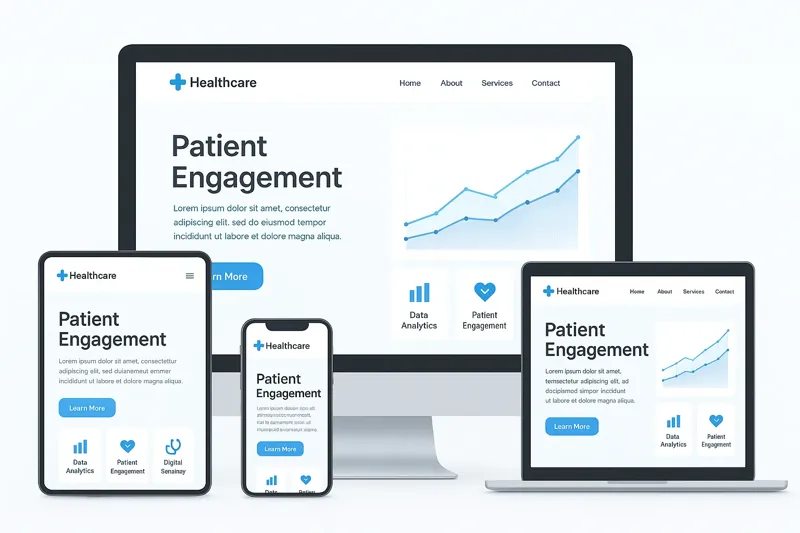



Introduction to Patient-Centered Mobile Healthcare
Defining Patient-Centered Care in Mobile Health
Patient-centered care, as defined by the Institute of Medicine (IOM), emphasizes respect for and responsiveness to individual patient preferences, needs, and values. Within mobile health (mHealth), this translates to delivering healthcare services through mobile devices like smartphones, tablets, and wearables in a way that centers on empowering patients and fostering a collaborative care environment.
The Role and Significance of Mobile Apps in Healthcare Today
Mobile applications have become pivotal in modern healthcare delivery, reflecting a mobile-first strategy that leverages the near-ubiquity of smartphones. Over 55% of patients prefer using mobile apps to manage appointments, prescriptions, and health records, improving access, convenience, and communication with healthcare providers. These apps enable real-time health monitoring, facilitate timely messaging, and support telehealth services, thereby enhancing operational efficiency and reducing administrative burdens.
Understanding Patient Engagement and Experience through Mobile Health
Patient engagement encompasses the degree to which patients actively use mobile health technologies and their subjective experiences with these tools, measured via qualitative and quantitative methods. Patient experience covers all care processes observed by patients, including interactions facilitated by mobile platforms. Mobile health apps foster engagement by providing personalized health information, appointment scheduling, secure messaging, and care management tools. Well-designed apps with intuitive navigation and meaningful digital interactions contribute significantly to patient satisfaction and adherence to care plans.
Human Factors and User-Centered Design in Mobile Health Apps
How are human factors approaches integrated into mobile healthcare app design?
Human factors approaches are a foundational element in designing Mobile Applications for Patient-centered Care Coordination that center on patient needs. Techniques such as User interviews and surveys in app development, focus groups, and Task analysis in mobile health apps are applied early and throughout the development lifecycle. These methods gather rich insights from end users — patients and caregivers — which directly inform app features and interface design.
What methods are used for user involvement?
Engaging users through User-centered participatory design process is a common best practice. This includes Usability testing for health applications sessions where users interact with app prototypes, providing feedback on ease of use and intuitiveness. Focus groups allow for deeper exploration of patient needs and preferences, while ongoing surveys capture user satisfaction and perceived usefulness. Such inclusive involvement helps developers address real-world challenges faced by diverse patient populations.
How does participatory design impact usability and patient engagement?
Research consistently shows that involving users early boosts usability, making apps simpler and more intuitive to navigate. Improved usability reduces barriers to consistent app use, fostering greater Patient engagement in care management apps and communication with healthcare providers. While evidence linking these design approaches to direct health outcomes is limited, enhanced user satisfaction and engagement are strong indicators of an app’s overall effectiveness in supporting Patient-centered care by IOM.
This holistic Human factors approach and user satisfaction framework not only improves functional aspects but also elevates user trust and satisfaction, essential components for sustained adoption and positive experiences in mobile health solutions.
Simplicity and Accessibility: Cornerstones of Effective UX/UI Design

What are the best practices for UX/UI design to improve patient engagement?
Effective UX/UI design in healthcare apps focuses first on simplicity and clarity in healthcare apps. Clear language combined with consistent design components and terminology reduces cognitive load, helping patients quickly understand and navigate the app without confusion. Key design elements include clean layouts with ample white space, calm color palettes, and legible typography that contribute to a trustworthy, professional feel.
Navigation should be highly intuitive, leveraging familiar patterns such as navigation patterns: tab bars and hamburger menus to organize information logically and predictably. This helps users, regardless of tech proficiency, access critical functions within three taps or fewer, enhancing patient engagement in care management apps.
Accessibility is essential to meet the needs of older adults and individuals with disabilities. Best practices include using large fonts and clickable targets to accommodate visual and motor impairments, high-contrast color schemes for better readability, and screen reader compatibility. Additionally, voice control and voiceover support empower users to tailor their experience to personal needs.
UI design also focuses on minimizing errors by providing clear input fields, validation, and guidance for error recovery. This preventing user errors in healthcare apps approach decreases user frustration and builds trust through building trust with patients.
In summary, creating patient-centered healthcare apps requires a balanced UX/UI approach that prioritizes simplicity, predictable navigation, consistent design language, and robust accessibility features to ensure inclusivity and promote optimal patient engagement.
Personalization and Engagement Features That Keep Patients Connected
How can mobile healthcare apps improve patient engagement?
Mobile healthcare apps significantly enhance patient engagement by offering personalization in healthcare app engagement and direct involvement in health management. Customizable dashboards and preferences enable users to tailor the app interface to their needs, simplifying access to the most relevant information and features.
Health data visualization using charts and infographics helps patients easily interpret their medical data, fostering understanding and motivating active participation in care. By integrating with wearable devices such as smartwatches and fitness trackers, apps provide real-time monitoring, delivering personalized healthcare with apps and timely alerts that support proactive health management.
Critical functional features like medication reminders, appointment scheduling, and secure messaging ensure patients remain organized and maintain seamless communication with healthcare providers. These tools aid treatment adherence and reduce missed appointments, directly contributing to improved health outcomes.
Furthermore, social and community features within apps facilitate peer support, enabling patients to connect with others facing similar health challenges. This sense of community encourages sustained engagement and emotional support, which is vital for chronic disease management and overall wellbeing.
Collectively, these personalization and engagement features empower patients by making healthcare management more accessible, actionable, and supportive, thereby strengthening patient-provider relationships and improving care coordination.
Ensuring Privacy, Security, and Regulatory Compliance in Healthcare Apps

What are the key security considerations for patient-centered mobile healthcare apps?
Patient-centered mobile healthcare applications must prioritize privacy, security, and regulatory compliance to protect sensitive health information and maintain user trust. Compliance with regulations such as HIPAA Compliance for Mobile Health Apps in the U.S. and GDPR in Europe is fundamental. This includes encryption of data both at rest and in transit, ensuring that patient data cannot be intercepted or accessed by unauthorized parties.
Biometric authentication, such as fingerprint or facial recognition, enhances user access security by providing robust, personalized login mechanisms while reducing the risk of unauthorized entry. Secure user flows should integrate privacy safeguards, including automatic logout features, restricted push notification previews, and separate views for sensitive data.
Systems must handle personally identifiable information (PII) and health data with strict controls, limiting data collection to only essential information and employing de-identification when possible. Regular vulnerability assessments and penetration testing are essential to detect and mitigate security risks promptly.
Maintaining security during app updates and ongoing maintenance involves careful version control, thorough testing before deployment, and transparent communication with users regarding any changes in data handling or privacy policies. Leveraging HIPAA-as-a-Service Backend Solutions can streamline compliance management.
By adhering to these Healthcare Application Security Best Practices, healthcare apps can deliver a safe, trustworthy environment where patients can confidently engage in their care digitally, supporting better health outcomes and user satisfaction.
Integrating Telehealth and Virtual Care Essentials

How can telehealth be effectively integrated into mobile healthcare apps to enhance patient experience?
Integrating telehealth into mobile healthcare apps significantly elevates patient experience by combining accessible technology with patient-centered communication in telehealth. Effective telehealth integration starts with ensuring the app’s technology is intuitive and easy to navigate, allowing users of all skill levels to participate comfortably. Preparing patients technologically involves offering orientation sessions and checklists that cover equipment familiarity and technical troubleshooting, minimizing disruptions during virtual visits.
Adapting patient-centered communication principles in telehealth to virtual care is crucial. This includes practicing active listening, understanding patient goals, engaging in shared decision-making, and providing clear opportunities for questions. Maintaining empathy in a virtual environment requires deliberate efforts such as using facial gestures, maintaining eye contact, and applying body language cues within the video window.
Optimizing video presence by ensuring good lighting, clear audio, and minimal background distractions is vital to foster effective communication. Telehealth providers must also be prepared to troubleshoot technology issues quickly to maintain professionalism and reduce patient anxiety. Building rapport virtually hinges on empathetic interactions that make the patient feel heard and supported, which strengthens trust and promotes ongoing engagement.
Overall, incorporating telehealth into mobile health solutions demands an integration of technical ease, patient preparation, communication best practices in telehealth, and empathetic virtual interaction to truly enhance patient experiences and outcomes.
Supporting Chronic Disease Management Through Multifunctional Apps
What functionalities are critical for apps targeting chronic illness management?
Effective management of chronic diseases requires mobile applications for chronic disease management that go beyond addressing single conditions to support multiple co-existing health issues simultaneously. Critical functionalities include medication reminders to promote adherence, self-monitoring tools to track symptoms and health metrics, and activation reminders that encourage proactive health behaviors.
Additionally, seamless communication features such as caregiver shift messages enable coordinated support among family and healthcare providers. Remote monitoring capabilities facilitate real-time health data collection, allowing timely clinical interventions. Integration of educational videos and informative content further empowers patients and caregivers with knowledge.
A user-centered design process involving direct input from patients and caregivers through focus groups and interviews ensures the app addresses specific needs, is intuitive, and fosters sustained engagement. Such participatory design enhances usability and relevance, paving the way for more effective coordination and self-management across diverse health profiles.
Enhancing Patient Experience Through Seamless Digital Journeys
How does digital streamlining improve the patient experience?
Digital tools such as online appointment scheduling, automated reminders, digital check-ins, and patient portals that offer 24/7 access to medical records and lab results significantly improve the patient experience. These technologies reduce the effort patients must exert to manage their care by minimizing administrative burdens and wait times. For example, appointment scheduling platforms enable patients to easily book or reschedule visits without phone calls, while automated reminders help reduce missed appointments and improve adherence.
Appointment Scheduling and Digital Check-Ins
Online scheduling systems and digital check-in processes create convenience and time savings for patients. By allowing patients to complete check-ins remotely and ahead of their visit, healthcare providers can reduce in-office wait times and streamline patient flow. This digital approach also enhances accuracy of information collected prior to appointments.
Automated Reminders and Notifications
Automated reminders via texts or app notifications keep patients informed of upcoming appointments, medication schedules, or necessary follow-ups. This proactive communication increases engagement, reduces no-shows, and reinforces adherence to care plans.
Patient Portals with 24/7 Access
Secure patient portals empower individuals by providing round-the-clock access to health records, lab results, medication information, and visit summaries. This transparency facilitates active participation in care decisions and fosters trust between patients and providers.
Streamlined Administrative Tasks
Integrating digital solutions for tasks like insurance verification, payment processing, and form completion simplifies processes for both patients and staff. By automating routine steps, healthcare organizations can focus more on delivering high-quality care.
Collecting and Acting Upon Patient Feedback
Deploying digital surveys and feedback tools enables providers to monitor patient satisfaction continuously. Acting on this feedback drives improvements in services and patient interactions, further enhancing the care experience.
Together, these digital elements form a seamless, patient-centered journey that boosts satisfaction, engagement, and operational efficiency in healthcare delivery.
Building Trust and Empowering Patients with Transparent Communication
How does communication build trust and empower patients in mobile healthcare settings?
Transparent communication about data usage and potential risks is foundational in establishing trust between patients and healthcare providers using mobile apps. Clearly informing patients how their data is collected, stored, and shared, while adhering to privacy regulations, reassures them about the security of their personal information (10 Principles of Patient-Centered Design, Healthcare Application Security Best Practices).
Using honest and respectful language, avoiding technical or clinical jargon, ensures patients feel respected and comfortable engaging with healthcare platforms. Friendly and clear communication fosters better understanding and encourages patients to participate actively in their care (Patient experience in healthcare, Effective communication in patient care).
Regular, meaningful clinical interactions through telehealth visits, secure messaging, or in-app follow-ups strengthen the patient-provider relationship. These engagements provide opportunities to discuss health goals, share updates, and address concerns, making patients feel involved and supported (Best Practices for Patient Engagement with Telehealth, Creating a Patient-Centered Experience).
Sharing educational resources and presenting health data in understandable formats empowers patients with knowledge to make informed decisions. Personalized information tailored to individual needs enhances patient activation and confidence (Patient engagement in care management apps, Patient education and empowerment).
Celebrating patient milestones—such as adherence to treatment plans or achieving health goals—and granting patients control over their healthcare journey through customizable app features promote autonomy and motivation. This approach encourages continuous engagement and reinforces the value of their role in managing health (10 Principles of Patient-Centered Design, Creating a Patient-Centered Experience.
Together, these transparent, empathetic, and patient-centered communication strategies cultivate trust and empower patients to take an active, informed role in their healthcare experience through mobile applications (Mobile Applications for Patient-centered Care Coordination, Patient experience improvement).
Leveraging Data Analytics and AI to Personalize Care and Improve Outcomes
How can AI and data analytics enhance patient-centered mobile healthcare experiences?
AI Integration in Mobile Healthcare apps facilitates real-time analysis of patient data, enabling personalized health recommendations tailored to individual needs. Predictive analytics healthcare apps can identify potential health risks early and provide proactive alerts, improving preventive care and timely interventions.
Motivational feedback and positive reinforcement delivered through apps help sustain patient engagement by encouraging healthier behaviors and adherence to treatment plans. This continuous interaction supports emotional well-being and fosters empowerment.
Data insights gathered through analytics also bolster shared decision-making by equipping patients and providers with actionable information, enhancing communication and care coordination.
Scalability is achieved through ongoing app updates driven by feedback loops and data trends, ensuring that the app evolves to meet changing user needs and incorporates the latest clinical guidance. These updates maintain usability, security, and clinical relevance over time.
By harnessing AI and data analytics, patient-centered mobile healthcare experiences become more dynamic, personalized, and effective, driving improved health outcomes and patient satisfaction.
Emphasizing Inclusivity and Accessibility for Diverse Patient Populations
What design considerations ensure mobile healthcare apps are inclusive and accessible?
Designing mobile healthcare apps to be inclusive and accessible requires careful attention to the diverse needs of patient populations. Aging populations, for example, often face cognitive decline and perceptual challenges such as impaired vision and hearing. To accommodate these users, apps should incorporate large fonts and high contrast, simple language, and provide audio feedback. These features reduce cognitive load and enhance usability.
Multilingual support and localization are essential for addressing cultural diversity and ensuring that language barriers do not impede access to care. Localization involves adapting units of measurement, date formats, and currency symbols, while multilingual interfaces enable users to navigate and understand content in their preferred language.
Physical impairments such as arthritis or tremors necessitate design adaptations like large target areas for touch input, simple navigation pathways, and minimal steps to complete tasks. Providing alternative input methods like voice controls and ensuring compatibility with assistive technologies further support users with disabilities.
Inclusive design principles embrace cultural and ability diversity by creating intuitive, familiar interfaces with consistent terminology and navigation patterns. Engaging diverse user groups through co-design and participatory methods in healthcare app development such as interviews, focus groups, and usability testing early in the development process ensures the app meets real-world needs and enhances engagement.
By integrating these design considerations, healthcare apps can support broad patient engagement, improve satisfaction, and facilitate equitable, Mobile Applications for Patient-centered Care Coordination.
Conclusion: Key Strategies for Patient-Centered Mobile Healthcare
Design and Usability Best Practices
Implement simple, intuitive interfaces focusing on clear navigation, large readable fonts, and consistent design elements to reduce cognitive load. Emphasize accessibility by adhering to standards like WCAG and providing features such as voice control and adjustable text sizes. Utilize user-centered, participatory design with early patient involvement through interviews, focus groups, and usability testing to improve engagement and satisfaction.
Security and Compliance
Ensure robust security measures adhering to regulations such as HIPAA and GDPR. Use encryption for data storage and transit, implement biometric authentication, and maintain strict access controls. Protect personally identifiable information with transparency regarding data use and provide secure user flows with automatic logout and safe notification handling.
Patient Engagement and Inclusivity
Facilitate active patient participation by enabling appointment scheduling, secure messaging, access to medical records, and telehealth features. Support multi-condition management to provide holistic care. Integrate educational resources and community support within apps to empower diverse patient populations. Design inclusively to accommodate older adults and those with disabilities by addressing perceptual and cognitive challenges.
Continuous Involvement and Feedback
Incorporate ongoing patient feedback loops and usage analytics to drive iterative app improvements. Engage patients in shared decision-making and tailor content to individual needs, enhancing activation and satisfaction. Foster transparent communication to build trust and loyalty, ensuring patients feel heard and their data safeguarded.
Future Trends
Leverage artificial intelligence and machine learning for personalized recommendations, predictive analytics, and symptom checking. Enhance interoperability through standards like HL7 and FHIR for seamless integration with electronic health records. Expand real-time monitoring via wearable devices to support proactive health management. Combine these technologies with empathetic human interaction to maintain the human-centered focus of care.
Altogether, these strategies support patient-centered mobile healthcare solutions that improve experience, safety, and outcomes while advancing digital health innovation.
Introduction to Patient-Centered Mobile Healthcare
Defining Patient-Centered Care in Mobile Health
Patient-centered care, as defined by the Institute of Medicine (IOM), emphasizes respect for and responsiveness to individual patient preferences, needs, and values. Within mobile health (mHealth), this translates to delivering healthcare services through mobile devices like smartphones, tablets, and wearables in a way that centers on empowering patients and fostering a collaborative care environment.
The Role and Significance of Mobile Apps in Healthcare Today
Mobile applications have become pivotal in modern healthcare delivery, reflecting a mobile-first strategy that leverages the near-ubiquity of smartphones. Over 55% of patients prefer using mobile apps to manage appointments, prescriptions, and health records, improving access, convenience, and communication with healthcare providers. These apps enable real-time health monitoring, facilitate timely messaging, and support telehealth services, thereby enhancing operational efficiency and reducing administrative burdens.
Understanding Patient Engagement and Experience through Mobile Health
Patient engagement encompasses the degree to which patients actively use mobile health technologies and their subjective experiences with these tools, measured via qualitative and quantitative methods. Patient experience covers all care processes observed by patients, including interactions facilitated by mobile platforms. Mobile health apps foster engagement by providing personalized health information, appointment scheduling, secure messaging, and care management tools. Well-designed apps with intuitive navigation and meaningful digital interactions contribute significantly to patient satisfaction and adherence to care plans.
Human Factors and User-Centered Design in Mobile Health Apps
How are human factors approaches integrated into mobile healthcare app design?
Human factors approaches are a foundational element in designing Mobile Applications for Patient-centered Care Coordination that center on patient needs. Techniques such as User interviews and surveys in app development, focus groups, and Task analysis in mobile health apps are applied early and throughout the development lifecycle. These methods gather rich insights from end users — patients and caregivers — which directly inform app features and interface design.
What methods are used for user involvement?
Engaging users through User-centered participatory design process is a common best practice. This includes Usability testing for health applications sessions where users interact with app prototypes, providing feedback on ease of use and intuitiveness. Focus groups allow for deeper exploration of patient needs and preferences, while ongoing surveys capture user satisfaction and perceived usefulness. Such inclusive involvement helps developers address real-world challenges faced by diverse patient populations.
How does participatory design impact usability and patient engagement?
Research consistently shows that involving users early boosts usability, making apps simpler and more intuitive to navigate. Improved usability reduces barriers to consistent app use, fostering greater Patient engagement in care management apps and communication with healthcare providers. While evidence linking these design approaches to direct health outcomes is limited, enhanced user satisfaction and engagement are strong indicators of an app’s overall effectiveness in supporting Patient-centered care by IOM.
This holistic Human factors approach and user satisfaction framework not only improves functional aspects but also elevates user trust and satisfaction, essential components for sustained adoption and positive experiences in mobile health solutions.
Simplicity and Accessibility: Cornerstones of Effective UX/UI Design
What are the best practices for UX/UI design to improve patient engagement?
Effective UX/UI design in healthcare apps focuses first on simplicity and clarity in healthcare apps. Clear language combined with consistent design components and terminology reduces cognitive load, helping patients quickly understand and navigate the app without confusion. Key design elements include clean layouts with ample white space, calm color palettes, and legible typography that contribute to a trustworthy, professional feel.
Navigation should be highly intuitive, leveraging familiar patterns such as navigation patterns: tab bars and hamburger menus to organize information logically and predictably. This helps users, regardless of tech proficiency, access critical functions within three taps or fewer, enhancing patient engagement in care management apps.
Accessibility is essential to meet the needs of older adults and individuals with disabilities. Best practices include using large fonts and clickable targets to accommodate visual and motor impairments, high-contrast color schemes for better readability, and screen reader compatibility. Additionally, voice control and voiceover support empower users to tailor their experience to personal needs.
UI design also focuses on minimizing errors by providing clear input fields, validation, and guidance for error recovery. This preventing user errors in healthcare apps approach decreases user frustration and builds trust through building trust with patients.
In summary, creating patient-centered healthcare apps requires a balanced UX/UI approach that prioritizes simplicity, predictable navigation, consistent design language, and robust accessibility features to ensure inclusivity and promote optimal patient engagement.
Personalization and Engagement Features That Keep Patients Connected
How can mobile healthcare apps improve patient engagement?
Mobile healthcare apps significantly enhance patient engagement by offering personalization in healthcare app engagement and direct involvement in health management. Customizable dashboards and preferences enable users to tailor the app interface to their needs, simplifying access to the most relevant information and features.
Health data visualization using charts and infographics helps patients easily interpret their medical data, fostering understanding and motivating active participation in care. By integrating with wearable devices such as smartwatches and fitness trackers, apps provide real-time monitoring, delivering personalized healthcare with apps and timely alerts that support proactive health management.
Critical functional features like medication reminders, appointment scheduling, and secure messaging ensure patients remain organized and maintain seamless communication with healthcare providers. These tools aid treatment adherence and reduce missed appointments, directly contributing to improved health outcomes.
Furthermore, social and community features within apps facilitate peer support, enabling patients to connect with others facing similar health challenges. This sense of community encourages sustained engagement and emotional support, which is vital for chronic disease management and overall wellbeing.
Collectively, these personalization and engagement features empower patients by making healthcare management more accessible, actionable, and supportive, thereby strengthening patient-provider relationships and improving care coordination.
Ensuring Privacy, Security, and Regulatory Compliance in Healthcare Apps
What are the key security considerations for patient-centered mobile healthcare apps?
Patient-centered mobile healthcare applications must prioritize privacy, security, and regulatory compliance to protect sensitive health information and maintain user trust. Compliance with regulations such as HIPAA Compliance for Mobile Health Apps in the U.S. and GDPR in Europe is fundamental. This includes encryption of data both at rest and in transit, ensuring that patient data cannot be intercepted or accessed by unauthorized parties.
Biometric authentication, such as fingerprint or facial recognition, enhances user access security by providing robust, personalized login mechanisms while reducing the risk of unauthorized entry. Secure user flows should integrate privacy safeguards, including automatic logout features, restricted push notification previews, and separate views for sensitive data.
Systems must handle personally identifiable information (PII) and health data with strict controls, limiting data collection to only essential information and employing de-identification when possible. Regular vulnerability assessments and penetration testing are essential to detect and mitigate security risks promptly.
Maintaining security during app updates and ongoing maintenance involves careful version control, thorough testing before deployment, and transparent communication with users regarding any changes in data handling or privacy policies. Leveraging HIPAA-as-a-Service Backend Solutions can streamline compliance management.
By adhering to these Healthcare Application Security Best Practices, healthcare apps can deliver a safe, trustworthy environment where patients can confidently engage in their care digitally, supporting better health outcomes and user satisfaction.
Integrating Telehealth and Virtual Care Essentials
How can telehealth be effectively integrated into mobile healthcare apps to enhance patient experience?
Integrating telehealth into mobile healthcare apps significantly elevates patient experience by combining accessible technology with patient-centered communication in telehealth. Effective telehealth integration starts with ensuring the app’s technology is intuitive and easy to navigate, allowing users of all skill levels to participate comfortably. Preparing patients technologically involves offering orientation sessions and checklists that cover equipment familiarity and technical troubleshooting, minimizing disruptions during virtual visits.
Adapting patient-centered communication principles in telehealth to virtual care is crucial. This includes practicing active listening, understanding patient goals, engaging in shared decision-making, and providing clear opportunities for questions. Maintaining empathy in a virtual environment requires deliberate efforts such as using facial gestures, maintaining eye contact, and applying body language cues within the video window.
Optimizing video presence by ensuring good lighting, clear audio, and minimal background distractions is vital to foster effective communication. Telehealth providers must also be prepared to troubleshoot technology issues quickly to maintain professionalism and reduce patient anxiety. Building rapport virtually hinges on empathetic interactions that make the patient feel heard and supported, which strengthens trust and promotes ongoing engagement.
Overall, incorporating telehealth into mobile health solutions demands an integration of technical ease, patient preparation, communication best practices in telehealth, and empathetic virtual interaction to truly enhance patient experiences and outcomes.
Supporting Chronic Disease Management Through Multifunctional Apps
What functionalities are critical for apps targeting chronic illness management?
Effective management of chronic diseases requires mobile applications for chronic disease management that go beyond addressing single conditions to support multiple co-existing health issues simultaneously. Critical functionalities include medication reminders to promote adherence, self-monitoring tools to track symptoms and health metrics, and activation reminders that encourage proactive health behaviors.
Additionally, seamless communication features such as caregiver shift messages enable coordinated support among family and healthcare providers. Remote monitoring capabilities facilitate real-time health data collection, allowing timely clinical interventions. Integration of educational videos and informative content further empowers patients and caregivers with knowledge.
A user-centered design process involving direct input from patients and caregivers through focus groups and interviews ensures the app addresses specific needs, is intuitive, and fosters sustained engagement. Such participatory design enhances usability and relevance, paving the way for more effective coordination and self-management across diverse health profiles.
Enhancing Patient Experience Through Seamless Digital Journeys
How does digital streamlining improve the patient experience?
Digital tools such as online appointment scheduling, automated reminders, digital check-ins, and patient portals that offer 24/7 access to medical records and lab results significantly improve the patient experience. These technologies reduce the effort patients must exert to manage their care by minimizing administrative burdens and wait times. For example, appointment scheduling platforms enable patients to easily book or reschedule visits without phone calls, while automated reminders help reduce missed appointments and improve adherence.
Appointment Scheduling and Digital Check-Ins
Online scheduling systems and digital check-in processes create convenience and time savings for patients. By allowing patients to complete check-ins remotely and ahead of their visit, healthcare providers can reduce in-office wait times and streamline patient flow. This digital approach also enhances accuracy of information collected prior to appointments.
Automated Reminders and Notifications
Automated reminders via texts or app notifications keep patients informed of upcoming appointments, medication schedules, or necessary follow-ups. This proactive communication increases engagement, reduces no-shows, and reinforces adherence to care plans.
Patient Portals with 24/7 Access
Secure patient portals empower individuals by providing round-the-clock access to health records, lab results, medication information, and visit summaries. This transparency facilitates active participation in care decisions and fosters trust between patients and providers.
Streamlined Administrative Tasks
Integrating digital solutions for tasks like insurance verification, payment processing, and form completion simplifies processes for both patients and staff. By automating routine steps, healthcare organizations can focus more on delivering high-quality care.
Collecting and Acting Upon Patient Feedback
Deploying digital surveys and feedback tools enables providers to monitor patient satisfaction continuously. Acting on this feedback drives improvements in services and patient interactions, further enhancing the care experience.
Together, these digital elements form a seamless, patient-centered journey that boosts satisfaction, engagement, and operational efficiency in healthcare delivery.
Building Trust and Empowering Patients with Transparent Communication
How does communication build trust and empower patients in mobile healthcare settings?
Transparent communication about data usage and potential risks is foundational in establishing trust between patients and healthcare providers using mobile apps. Clearly informing patients how their data is collected, stored, and shared, while adhering to privacy regulations, reassures them about the security of their personal information (10 Principles of Patient-Centered Design, Healthcare Application Security Best Practices).
Using honest and respectful language, avoiding technical or clinical jargon, ensures patients feel respected and comfortable engaging with healthcare platforms. Friendly and clear communication fosters better understanding and encourages patients to participate actively in their care (Patient experience in healthcare, Effective communication in patient care).
Regular, meaningful clinical interactions through telehealth visits, secure messaging, or in-app follow-ups strengthen the patient-provider relationship. These engagements provide opportunities to discuss health goals, share updates, and address concerns, making patients feel involved and supported (Best Practices for Patient Engagement with Telehealth, Creating a Patient-Centered Experience).
Sharing educational resources and presenting health data in understandable formats empowers patients with knowledge to make informed decisions. Personalized information tailored to individual needs enhances patient activation and confidence (Patient engagement in care management apps, Patient education and empowerment).
Celebrating patient milestones—such as adherence to treatment plans or achieving health goals—and granting patients control over their healthcare journey through customizable app features promote autonomy and motivation. This approach encourages continuous engagement and reinforces the value of their role in managing health (10 Principles of Patient-Centered Design, Creating a Patient-Centered Experience.
Together, these transparent, empathetic, and patient-centered communication strategies cultivate trust and empower patients to take an active, informed role in their healthcare experience through mobile applications (Mobile Applications for Patient-centered Care Coordination, Patient experience improvement).
Leveraging Data Analytics and AI to Personalize Care and Improve Outcomes
How can AI and data analytics enhance patient-centered mobile healthcare experiences?
AI Integration in Mobile Healthcare apps facilitates real-time analysis of patient data, enabling personalized health recommendations tailored to individual needs. Predictive analytics healthcare apps can identify potential health risks early and provide proactive alerts, improving preventive care and timely interventions.
Motivational feedback and positive reinforcement delivered through apps help sustain patient engagement by encouraging healthier behaviors and adherence to treatment plans. This continuous interaction supports emotional well-being and fosters empowerment.
Data insights gathered through analytics also bolster shared decision-making by equipping patients and providers with actionable information, enhancing communication and care coordination.
Scalability is achieved through ongoing app updates driven by feedback loops and data trends, ensuring that the app evolves to meet changing user needs and incorporates the latest clinical guidance. These updates maintain usability, security, and clinical relevance over time.
By harnessing AI and data analytics, patient-centered mobile healthcare experiences become more dynamic, personalized, and effective, driving improved health outcomes and patient satisfaction.
Emphasizing Inclusivity and Accessibility for Diverse Patient Populations
What design considerations ensure mobile healthcare apps are inclusive and accessible?
Designing mobile healthcare apps to be inclusive and accessible requires careful attention to the diverse needs of patient populations. Aging populations, for example, often face cognitive decline and perceptual challenges such as impaired vision and hearing. To accommodate these users, apps should incorporate large fonts and high contrast, simple language, and provide audio feedback. These features reduce cognitive load and enhance usability.
Multilingual support and localization are essential for addressing cultural diversity and ensuring that language barriers do not impede access to care. Localization involves adapting units of measurement, date formats, and currency symbols, while multilingual interfaces enable users to navigate and understand content in their preferred language.
Physical impairments such as arthritis or tremors necessitate design adaptations like large target areas for touch input, simple navigation pathways, and minimal steps to complete tasks. Providing alternative input methods like voice controls and ensuring compatibility with assistive technologies further support users with disabilities.
Inclusive design principles embrace cultural and ability diversity by creating intuitive, familiar interfaces with consistent terminology and navigation patterns. Engaging diverse user groups through co-design and participatory methods in healthcare app development such as interviews, focus groups, and usability testing early in the development process ensures the app meets real-world needs and enhances engagement.
By integrating these design considerations, healthcare apps can support broad patient engagement, improve satisfaction, and facilitate equitable, Mobile Applications for Patient-centered Care Coordination.
Conclusion: Key Strategies for Patient-Centered Mobile Healthcare
Design and Usability Best Practices
Implement simple, intuitive interfaces focusing on clear navigation, large readable fonts, and consistent design elements to reduce cognitive load. Emphasize accessibility by adhering to standards like WCAG and providing features such as voice control and adjustable text sizes. Utilize user-centered, participatory design with early patient involvement through interviews, focus groups, and usability testing to improve engagement and satisfaction.
Security and Compliance
Ensure robust security measures adhering to regulations such as HIPAA and GDPR. Use encryption for data storage and transit, implement biometric authentication, and maintain strict access controls. Protect personally identifiable information with transparency regarding data use and provide secure user flows with automatic logout and safe notification handling.
Patient Engagement and Inclusivity
Facilitate active patient participation by enabling appointment scheduling, secure messaging, access to medical records, and telehealth features. Support multi-condition management to provide holistic care. Integrate educational resources and community support within apps to empower diverse patient populations. Design inclusively to accommodate older adults and those with disabilities by addressing perceptual and cognitive challenges.
Continuous Involvement and Feedback
Incorporate ongoing patient feedback loops and usage analytics to drive iterative app improvements. Engage patients in shared decision-making and tailor content to individual needs, enhancing activation and satisfaction. Foster transparent communication to build trust and loyalty, ensuring patients feel heard and their data safeguarded.
Future Trends
Leverage artificial intelligence and machine learning for personalized recommendations, predictive analytics, and symptom checking. Enhance interoperability through standards like HL7 and FHIR for seamless integration with electronic health records. Expand real-time monitoring via wearable devices to support proactive health management. Combine these technologies with empathetic human interaction to maintain the human-centered focus of care.
Altogether, these strategies support patient-centered mobile healthcare solutions that improve experience, safety, and outcomes while advancing digital health innovation.