


The Importance of ROI in Healthcare Marketing Campaigns
Definition and Significance of ROI in Healthcare Marketing
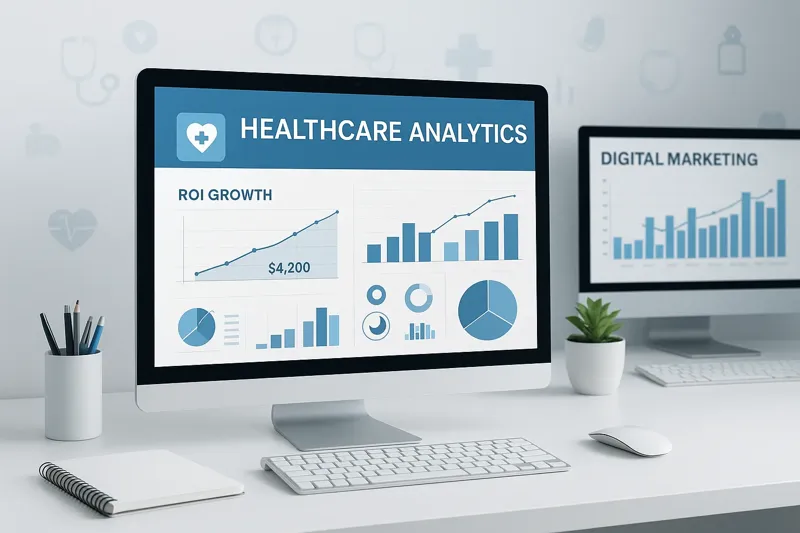
Return on Investment (ROI) in healthcare marketing quantifies the financial return generated from marketing expenditures. Formally calculated as (Revenue – Marketing Cost) divided by Marketing Cost, ROI helps healthcare organizations justify budgets and demonstrate the impact of marketing on patient acquisition and revenue growth. This metric guides strategic allocation of limited resources by identifying high-performing campaigns and cost-effective channels.
Unique Challenges in Measuring ROI for Healthcare Campaigns
Healthcare marketing presents distinct complexities compared to other industries. Patient decision-making involves multiple touchpoints over prolonged periods, leading to nonlinear conversion pathways. Data fragmentation across systems such as EHRs, CRMs, and marketing platforms complicates consolidated measurement. Additionally, strict compliance requirements like HIPAA restrict access to patient data for marketing optimization. Consequently, advanced multi-touch attribution models and integrated data platforms are essential for accurate tracking, enabling marketers to connect campaigns to patient appointments, revenue, and lifetime value.
Overview of Multi-Channel Marketing in Healthcare
Effective healthcare marketing relies on integrated multi-channel strategies that engage audiences across search engines, social media, email, and offline channels. Studies show that nearly all healthcare professionals and patients switch between devices and platforms during research, underscoring the need for seamless, consistent messaging. Multi-channel marketing enhances personalization and relevance, improves patient journey orchestration, and drives better engagement and conversion rates. Data-driven campaign orchestration with ongoing measurement ensures optimized resource allocation and maximizes ROI.
Key Metrics and Tools for Tracking Healthcare Marketing ROI

Essential KPIs such as patient acquisition cost, lifetime patient value, and conversion rates
Accurate measurement of Healthcare marketing ROI relies on tracking pivotal KPIs. These include Patient acquisition cost (PAC), which calculates the investment required to gain a new patient, and Lifetime patient value (LPV), representing total expected revenue from a patient over their relationship with a provider. Conversion rates from leads to patients—from initial lead generation through to appointment booking and treatment—signal campaign efficiency and conversion funnel health.
Use of call tracking, form tracking, and UTM parameters
Medical practices deploy call tracking and form tracking technologies to attribute patient inquiries and appointment bookings to specific marketing channels. UTM parameters in healthcare marketing help identify the source and medium of digital traffic, connecting visits and conversions back to campaigns. This multi-channel data integration in healthcare marketing is essential for mapping the patient journey and refining marketing investments.
Role of CRM systems like LeadSquared for HIPAA-compliant tracking
Healthcare CRM solutions such as LeadSquared CRM play a vital role in securely capturing lead sources and patient interactions, ensuring HIPAA compliance in marketing while linking marketing activities directly to patient acquisition and revenue. These systems enable automated follow-ups and generate comprehensive ROI dashboards, facilitating real-time performance insights.
Integration of analytics tools like Google Analytics and marketing automation platforms
Google Analytics for healthcare marketing alongside marketing automation tools provides granular data on website traffic, visitor behavior, and campaign engagement. Coupled with CRM platforms for healthcare, this integration supports closed-loop reporting for ROI and multi-touch attribution benefits, offering a full view of patient engagement across channels. Automation enhances personalization and outreach efficiency, thus improving overall ROI.
How can medical practices measure the success of their digital marketing campaigns?
Medical practices assess digital campaign success through comprehensive key metrics—patient acquisition cost, lifetime patient value, and conversion rates in healthcare marketing—which quantify marketing efficiency and profitability. Patient satisfaction measures, including Net Promoter Score® (NPS®), gauge patient experience and referral potential. Online presence metrics such as reviews, local SEO rankings, and social media engagement help evaluate brand visibility and patient retention. Employing tools like Google Analytics, CRM platforms, and reputation management software ensures data-driven evaluation while adhering to HIPAA compliance in healthcare marketing requirements within the U.S. healthcare framework.
Optimizing Patient Acquisition Through Data-Driven and Targeted Marketing
What role does data-driven healthcare marketing strategies play in optimizing patient acquisition for medical practices?
Data-driven marketing is critical in optimizing patient acquisition by enabling healthcare providers to deeply understand patient behaviors, preferences, and demographics. Through the analysis of multiple data points—such as healthcare marketing ROI, Healthcare CRM solutions, search engine trends, and online patient feedback—medical practices can pinpoint the most valuable patient segments. This clarity allows for the design of highly personalized and strategic marketing campaigns.
Advanced technologies like predictive analytics and artificial intelligence enhance these efforts by forecasting patient demand and scoring leads for prioritization. These technologies help deliver the right messages to the right patients at the most opportune times, significantly improving Conversion rates in healthcare marketing and patient engagement. Importantly, all data usage complies with Healthcare marketing challenges and HIPAA privacy regulations to ensure patient confidentiality and trust.
Implementing data-driven marketing thus leads to more efficient allocation of marketing resources, increased patient acquisition efficiency, and continual improvement through ongoing Measuring ROI in healthcare campaigns.
Why is targeted marketing important for medical clinics looking to attract high-value patients?
Targeted marketing empowers medical clinics to attract and retain high-value patients by focusing on individualized communication tailored to distinct patient profiles. Using tools like Tracking ROI on healthcare marketing and Healthcare Marketing Performance Measurement, clinics can segment their outreach based on factors such as clinical history, demographics, and past engagement behavior.
This focused approach enables sending relevant, compelling messages that resonate with patients’ unique health concerns and motivations. As a result, patient trust and loyalty increase, driving repeat visits and referrals. Targeted strategies also optimize budget use by concentrating efforts on segments most likely to yield high Lifetime Patient Value (LPV) Calculation, enhancing overall Healthcare marketing ROI.
Personalized outreach campaigns—such as segmented email marketing or tailored digital advertising—further deepen patient engagement. By addressing patient needs with precision, clinics can build long-term relationships while efficiently growing their practice.
Together, data-driven healthcare marketing strategies and Healthcare marketing ROI form the foundation of patient acquisition programs that are both effective and sustainable in a complex healthcare market.
Multi-Channel Marketing: Enhancing Reach and Driving ROI in Healthcare

Prevalence and effectiveness of multi-channel marketing across devices and platforms
Two-thirds of U.S. adults, including healthcare professionals (HCPs), regularly switch between multiple devices and platforms during research. This behavioral trend underscores the necessity for healthcare marketers to adopt multichannel marketing for HCPs strategies that seamlessly reach audiences wherever they engage. Studies show that over 97% of marketing professionals report increased revenues when employing integrated channels, while 90% confirm higher sales and profits from integration of multiple channels.
Benefits of integrated marketing channels for seamless patient experiences
Integrated channels permit consistent, personalized messaging that guides patients smoothly along their journey. Orchestrating campaigns across touchpoints—such as social media, email, paid search, and offline efforts—delivers a unified experience that increases engagement and conversion rates. Data-driven multichannel campaigns allow marketers to allocate budgets effectively, reduce wasted spend, and continuously optimize campaigns in real time.
Use of social media, email marketing, SEO, and PPC for patient acquisition
Effective digital marketing tactics include SEO strategies for healthcare ROI and local SEO to capture high-intent patient searches and build sustainable organic traffic. Paid PPC campaigns on Google Ads offer instant visibility, generating qualified leads at competitive costs, and typical conversion rates surpass 6%. Social media platforms, notably Facebook, deliver nearly four times higher conversion rates than traditional channels, with 67% of healthcare marketers using Facebook Ads for patient acquisition.
Email marketing open rates in healthcare boast an average open rate of 41%, leveraging automation and segmentation to nurture patient relationships and lower acquisition costs. Harnessing educational content, videos, and patient stories through these channels builds trust and enhances patient retention.
Data-driven budget allocation and continuous optimization of campaign channels
Budget allocation driven by channel performance data ensures investment flows toward the most effective platforms. Multi-touch attribution benefits models reveal the contribution of each channel to patient conversion, enabling marketers to refine strategies accordingly. Regular campaign testing and optimizing healthcare marketing campaigns cycles elevate conversion rates and overall ROI.
What digital marketing strategies are most effective for healthcare providers to attract high-value patients?
Healthcare providers aiming to attract high-value patients should pursue a comprehensive digital marketing plan combining SEO and social media management for medical practices, targeted PPC, and content marketing with engaging health education. Optimizing for mobile and managing online reputation influences the 77% of patients researching providers online before booking.
Expanding outreach through multi-channel communication—including social media and email—increases campaign effectiveness by up to 300%. Implementing Healthcare CRM solutions ensures secure patient data management and personalized outreach, compliant with HIPAA compliance in marketing. Additionally, fostering referral partnerships and enabling online self-scheduling improve patient engagement and long-term revenue growth.
Navigating Compliance: Ensuring HIPAA and Regulatory Adherence in Marketing

Legal requirements under HIPAA and FTC guidelines for healthcare marketing
Healthcare marketing agencies navigate a complex regulatory landscape including HIPAA and patient data privacy and FTC rules. HIPAA mandates strict protections for patient health information, limiting how Protected Health Information (PHI) can be used or disclosed in marketing campaigns. Agencies comply by ensuring they obtain patient consents and authorizations where necessary and adhere to Privacy and Security Rules that safeguard PHI. Additionally, the Federal Trade Commission oversees advertising truthfulness and data privacy, requiring transparent practices that prevent misleading claims and protect consumer data.
Maintaining patient privacy through data security, encryption, and access control
Patient privacy is secured through robust technical measures such as encryption of data both in transit and at rest, role-based access controls limiting PHI exposure only to authorized personnel, and comprehensive risk assessments to identify vulnerabilities. These safeguards are critical to preventing unauthorized disclosures, ensuring that any marketing data collected or used is protected according to HIPAA compliance in marketing.
Managing digital tracking and data collection compliantly with evolving regulations
Digital tracking in healthcare marketing utilizes tools like UTM parameters in healthcare marketing, cookies, and pixel tracking to analyze campaign effectiveness. Agencies build HIPAA-compliant tracking technologies solutions by anonymizing or de-identifying PHI and employing secure data bridges that combine marketing platforms with healthcare systems without exposing sensitive patient information. Compliance also involves adapting to changing laws, including recent Health and Human Services guidelines that emphasize protecting patient data in digital environments and limit certain third-party data sharing.
Collaborative roles of marketing, legal, and technical teams in compliance
Ensuring HIPAA and regulatory compliance demands coordination across marketing, legal, and IT teams. Legal experts interpret evolving regulations and guide policy updates. Technical teams implement secure infrastructure and audit data handling processes to maintain compliance. Meanwhile, marketing professionals design campaigns within these parameters, enabling effective outreach while mitigating risk. This collaboration fosters a culture of compliance, accelerates adoption of privacy-compliant technologies, and supports sustainable, ethical healthcare marketing practices.
How do healthcare marketing agencies ensure compliance with healthcare regulations in their online campaigns?
Healthcare marketing agencies ensure compliance with regulations like HIPAA by implementing strong data security measures such as encryption, access controls, and thorough risk assessments, while also securing appropriate patient consents and authorizations. They strictly adhere to the HIPAA Privacy and Security Rules, which restrict the use and disclosure of PHI and require breach notifications in cases of data incidents. Additionally, agencies follow the FTC's guidelines on advertising and data practices, including transparent data collection protocols, safeguarding consumer privacy, and avoiding deceptive claims. They stay current with evolving laws, including state-specific privacy requirements and recent changes affecting digital tracking and data sharing policies. To maintain compliance, agencies collaborate closely with legal, compliance, and technical teams to develop HIPAA-safe digital infrastructures that enable effective marketing without risking violations or penalties.
Advanced Attribution Models and AI: Measuring Complex Patient Journeys

Why Are Patient Journeys Complex in Healthcare Marketing?
Healthcare marketing faces the unique challenge of non-linear patient journeys and ROI. Unlike straightforward sales processes, patients often interact with multiple touchpoints over an extended period before scheduling appointments. These touchpoints spread across channels such as social media ads, paid search, email campaigns, organic search, and offline interactions. This complexity makes accurately measuring the impact of each campaign element difficult.
What Are the Limitations of First-Touch and Last-Touch Attribution?
Traditional attribution models like first-touch or last-touch only credit the initial or final contact point with patient conversion. These models oversimplify the process and overlook other influential interactions. This often leads to biased ROI assessments, undervaluing middle-funnel activities critical for engagement and nurturing.
How Does Multi-Touch Attribution Improve ROI Accuracy?
Multi-touch attribution benefits recognize every meaningful interaction a patient has with marketing campaigns throughout their journey. MTA assigns fractional value to all touchpoints, offering a comprehensive view of what influenced patient decisions. This allows healthcare marketers to:
- Identify which channels and messages contribute most to conversions
- Accurately allocate budgets to high-performing tactics
- Avoid misattributing results and wasting resources
What Role Do AI and Automation Play in Attribution?
Artificial Intelligence (AI) and automation enhance attribution modeling by analyzing complex datasets rapidly and identifying high-impact touchpoints. These technologies help marketers:
- Detect patterns and interactions that human analysis might miss
- Adjust campaign strategies in real time based on performance data
- Optimize resource allocation across multichannel campaigns
Leveraging AI-driven MTA empowers healthcare marketers to refine messaging, improve patient engagement, and maximize ROI while adapting to evolving patient behaviors and regulatory requirements.
Best Practices for Continuous ROI Measurement and Campaign Optimization

How often should healthcare marketers measure ROI and what methods ensure accuracy?
Regular Healthcare marketing ROI measurement is essential for effective healthcare marketing campaign management. Best practices recommend monitoring ROI monthly ROI measurement or quarterly ROI analysis to promptly identify performance trends and make timely adjustments. Utilizing tools like Google Analytics for healthcare marketing, healthcare-specific CRM systems such as LeadSquared CRM, and marketing automation platforms enables comprehensive tracking of Healthcare marketing KPIs, patient interactions, and revenue attribution while ensuring HIPAA compliance in healthcare marketing.
What common pitfalls should be avoided to maintain reliable ROI tracking?
Healthcare marketers must avoid incomplete data capture, simplistic attribution models like first- or last-touch that neglect the complexity of Non-linear patient journeys and ROI, and reliance on Vanity metrics in healthcare marketing such as impressions or clicks alone. Additionally, ignoring early engagement metrics and neglecting Data integration in healthcare marketing across systems can skew ROI results. Ensuring data completeness and accuracy, alongside Multi-touch attribution benefits, provides a more complete picture of campaign effectiveness.
How do A/B testing, closed-loop reporting, and unified patient profiles contribute to optimization?
A/B testing in healthcare marketing enables data-driven campaign refinement by comparing variations of messaging, creative, or calls to action to identify what drives higher patient engagement and conversions. Closed-loop reporting for ROI ties marketing efforts directly to patient appointments and revenue, closing the feedback loop between marketing and clinical outcomes. Unified patient profiles for accurate ROI consolidate data from multiple touchpoints and platforms, allowing marketers to track patient journeys holistically and personalize messaging based on comprehensive insights.
What strategies support budget reallocation to the highest-performing channels and service lines?
Continuous analysis of key KPIs such as Cost Per Acquisition (CPA) metrics, Patient lifetime value, Conversion rates, and Referral conversions reveals which channels and campaigns yield the best returns. Healthcare marketers can then strategically reallocate budgets away from underperforming activities toward those with proven impact. This includes focusing on high-reimbursement service lines and leveraging multichannel marketing for HCPs like PPC, local SEO, and targeted social advertising to maximize patient acquisition and revenue growth.
Developing a disciplined approach toward frequent measurement, rigorous data integrity, experimentation, and strategic budget allocation optimizes Healthcare marketing ROI while supporting sustainable patient growth and organizational goals.
Driving Sustainable Growth Through Precise ROI Tracking in Healthcare Marketing
Importance of Accurate ROI Tracking in Healthcare
Accurate ROI tracking is essential for healthcare organizations to justify marketing budgets and optimize patient acquisition strategies. Due to the complex, multi-touch patient journeys in healthcare, organizations must employ comprehensive measurement techniques that connect marketing efforts directly to patient appointments and revenue generation. This enables informed, data-driven allocation of resources and continuous campaign optimization.
Impact of Data-Driven, Multi-Channel Strategies
Utilizing multi-channel approaches, healthcare marketers enhance patient engagement by delivering personalized experiences across platforms such as search engines, social media, email, and paid advertising. Integrating data from these channels supports multi-touch attribution models, allowing marketers to identify effective touchpoints and reduce acquisition costs. This strategic combination drives higher patient retention rates and increases lifetime patient value, reinforcing sustainable growth.
Future Outlook: Technology Integration
Emerging technologies like AI-powered attribution, healthcare-focused CRMs, and privacy-compliant data platforms are transforming ROI measurement. These tools enable seamless tracking of patient interactions, improved data unification, and real-time campaign adjustments while ensuring HIPAA compliance. As healthcare marketing evolves, leveraging such innovations will be pivotal in maximizing ROI and sustaining long-term organizational growth.
The Importance of ROI in Healthcare Marketing Campaigns
Definition and Significance of ROI in Healthcare Marketing
Return on Investment (ROI) in healthcare marketing quantifies the financial return generated from marketing expenditures. Formally calculated as (Revenue – Marketing Cost) divided by Marketing Cost, ROI helps healthcare organizations justify budgets and demonstrate the impact of marketing on patient acquisition and revenue growth. This metric guides strategic allocation of limited resources by identifying high-performing campaigns and cost-effective channels.
Unique Challenges in Measuring ROI for Healthcare Campaigns
Healthcare marketing presents distinct complexities compared to other industries. Patient decision-making involves multiple touchpoints over prolonged periods, leading to nonlinear conversion pathways. Data fragmentation across systems such as EHRs, CRMs, and marketing platforms complicates consolidated measurement. Additionally, strict compliance requirements like HIPAA restrict access to patient data for marketing optimization. Consequently, advanced multi-touch attribution models and integrated data platforms are essential for accurate tracking, enabling marketers to connect campaigns to patient appointments, revenue, and lifetime value.
Overview of Multi-Channel Marketing in Healthcare
Effective healthcare marketing relies on integrated multi-channel strategies that engage audiences across search engines, social media, email, and offline channels. Studies show that nearly all healthcare professionals and patients switch between devices and platforms during research, underscoring the need for seamless, consistent messaging. Multi-channel marketing enhances personalization and relevance, improves patient journey orchestration, and drives better engagement and conversion rates. Data-driven campaign orchestration with ongoing measurement ensures optimized resource allocation and maximizes ROI.
Key Metrics and Tools for Tracking Healthcare Marketing ROI
Essential KPIs such as patient acquisition cost, lifetime patient value, and conversion rates
Accurate measurement of Healthcare marketing ROI relies on tracking pivotal KPIs. These include Patient acquisition cost (PAC), which calculates the investment required to gain a new patient, and Lifetime patient value (LPV), representing total expected revenue from a patient over their relationship with a provider. Conversion rates from leads to patients—from initial lead generation through to appointment booking and treatment—signal campaign efficiency and conversion funnel health.
Use of call tracking, form tracking, and UTM parameters
Medical practices deploy call tracking and form tracking technologies to attribute patient inquiries and appointment bookings to specific marketing channels. UTM parameters in healthcare marketing help identify the source and medium of digital traffic, connecting visits and conversions back to campaigns. This multi-channel data integration in healthcare marketing is essential for mapping the patient journey and refining marketing investments.
Role of CRM systems like LeadSquared for HIPAA-compliant tracking
Healthcare CRM solutions such as LeadSquared CRM play a vital role in securely capturing lead sources and patient interactions, ensuring HIPAA compliance in marketing while linking marketing activities directly to patient acquisition and revenue. These systems enable automated follow-ups and generate comprehensive ROI dashboards, facilitating real-time performance insights.
Integration of analytics tools like Google Analytics and marketing automation platforms
Google Analytics for healthcare marketing alongside marketing automation tools provides granular data on website traffic, visitor behavior, and campaign engagement. Coupled with CRM platforms for healthcare, this integration supports closed-loop reporting for ROI and multi-touch attribution benefits, offering a full view of patient engagement across channels. Automation enhances personalization and outreach efficiency, thus improving overall ROI.
How can medical practices measure the success of their digital marketing campaigns?
Medical practices assess digital campaign success through comprehensive key metrics—patient acquisition cost, lifetime patient value, and conversion rates in healthcare marketing—which quantify marketing efficiency and profitability. Patient satisfaction measures, including Net Promoter Score® (NPS®), gauge patient experience and referral potential. Online presence metrics such as reviews, local SEO rankings, and social media engagement help evaluate brand visibility and patient retention. Employing tools like Google Analytics, CRM platforms, and reputation management software ensures data-driven evaluation while adhering to HIPAA compliance in healthcare marketing requirements within the U.S. healthcare framework.
Optimizing Patient Acquisition Through Data-Driven and Targeted Marketing
What role does data-driven healthcare marketing strategies play in optimizing patient acquisition for medical practices?
Data-driven marketing is critical in optimizing patient acquisition by enabling healthcare providers to deeply understand patient behaviors, preferences, and demographics. Through the analysis of multiple data points—such as healthcare marketing ROI, Healthcare CRM solutions, search engine trends, and online patient feedback—medical practices can pinpoint the most valuable patient segments. This clarity allows for the design of highly personalized and strategic marketing campaigns.
Advanced technologies like predictive analytics and artificial intelligence enhance these efforts by forecasting patient demand and scoring leads for prioritization. These technologies help deliver the right messages to the right patients at the most opportune times, significantly improving Conversion rates in healthcare marketing and patient engagement. Importantly, all data usage complies with Healthcare marketing challenges and HIPAA privacy regulations to ensure patient confidentiality and trust.
Implementing data-driven marketing thus leads to more efficient allocation of marketing resources, increased patient acquisition efficiency, and continual improvement through ongoing Measuring ROI in healthcare campaigns.
Why is targeted marketing important for medical clinics looking to attract high-value patients?
Targeted marketing empowers medical clinics to attract and retain high-value patients by focusing on individualized communication tailored to distinct patient profiles. Using tools like Tracking ROI on healthcare marketing and Healthcare Marketing Performance Measurement, clinics can segment their outreach based on factors such as clinical history, demographics, and past engagement behavior.
This focused approach enables sending relevant, compelling messages that resonate with patients’ unique health concerns and motivations. As a result, patient trust and loyalty increase, driving repeat visits and referrals. Targeted strategies also optimize budget use by concentrating efforts on segments most likely to yield high Lifetime Patient Value (LPV) Calculation, enhancing overall Healthcare marketing ROI.
Personalized outreach campaigns—such as segmented email marketing or tailored digital advertising—further deepen patient engagement. By addressing patient needs with precision, clinics can build long-term relationships while efficiently growing their practice.
Together, data-driven healthcare marketing strategies and Healthcare marketing ROI form the foundation of patient acquisition programs that are both effective and sustainable in a complex healthcare market.
Multi-Channel Marketing: Enhancing Reach and Driving ROI in Healthcare
Prevalence and effectiveness of multi-channel marketing across devices and platforms
Two-thirds of U.S. adults, including healthcare professionals (HCPs), regularly switch between multiple devices and platforms during research. This behavioral trend underscores the necessity for healthcare marketers to adopt multichannel marketing for HCPs strategies that seamlessly reach audiences wherever they engage. Studies show that over 97% of marketing professionals report increased revenues when employing integrated channels, while 90% confirm higher sales and profits from integration of multiple channels.
Benefits of integrated marketing channels for seamless patient experiences
Integrated channels permit consistent, personalized messaging that guides patients smoothly along their journey. Orchestrating campaigns across touchpoints—such as social media, email, paid search, and offline efforts—delivers a unified experience that increases engagement and conversion rates. Data-driven multichannel campaigns allow marketers to allocate budgets effectively, reduce wasted spend, and continuously optimize campaigns in real time.
Use of social media, email marketing, SEO, and PPC for patient acquisition
Effective digital marketing tactics include SEO strategies for healthcare ROI and local SEO to capture high-intent patient searches and build sustainable organic traffic. Paid PPC campaigns on Google Ads offer instant visibility, generating qualified leads at competitive costs, and typical conversion rates surpass 6%. Social media platforms, notably Facebook, deliver nearly four times higher conversion rates than traditional channels, with 67% of healthcare marketers using Facebook Ads for patient acquisition.
Email marketing open rates in healthcare boast an average open rate of 41%, leveraging automation and segmentation to nurture patient relationships and lower acquisition costs. Harnessing educational content, videos, and patient stories through these channels builds trust and enhances patient retention.
Data-driven budget allocation and continuous optimization of campaign channels
Budget allocation driven by channel performance data ensures investment flows toward the most effective platforms. Multi-touch attribution benefits models reveal the contribution of each channel to patient conversion, enabling marketers to refine strategies accordingly. Regular campaign testing and optimizing healthcare marketing campaigns cycles elevate conversion rates and overall ROI.
What digital marketing strategies are most effective for healthcare providers to attract high-value patients?
Healthcare providers aiming to attract high-value patients should pursue a comprehensive digital marketing plan combining SEO and social media management for medical practices, targeted PPC, and content marketing with engaging health education. Optimizing for mobile and managing online reputation influences the 77% of patients researching providers online before booking.
Expanding outreach through multi-channel communication—including social media and email—increases campaign effectiveness by up to 300%. Implementing Healthcare CRM solutions ensures secure patient data management and personalized outreach, compliant with HIPAA compliance in marketing. Additionally, fostering referral partnerships and enabling online self-scheduling improve patient engagement and long-term revenue growth.
Navigating Compliance: Ensuring HIPAA and Regulatory Adherence in Marketing
Legal requirements under HIPAA and FTC guidelines for healthcare marketing
Healthcare marketing agencies navigate a complex regulatory landscape including HIPAA and patient data privacy and FTC rules. HIPAA mandates strict protections for patient health information, limiting how Protected Health Information (PHI) can be used or disclosed in marketing campaigns. Agencies comply by ensuring they obtain patient consents and authorizations where necessary and adhere to Privacy and Security Rules that safeguard PHI. Additionally, the Federal Trade Commission oversees advertising truthfulness and data privacy, requiring transparent practices that prevent misleading claims and protect consumer data.
Maintaining patient privacy through data security, encryption, and access control
Patient privacy is secured through robust technical measures such as encryption of data both in transit and at rest, role-based access controls limiting PHI exposure only to authorized personnel, and comprehensive risk assessments to identify vulnerabilities. These safeguards are critical to preventing unauthorized disclosures, ensuring that any marketing data collected or used is protected according to HIPAA compliance in marketing.
Managing digital tracking and data collection compliantly with evolving regulations
Digital tracking in healthcare marketing utilizes tools like UTM parameters in healthcare marketing, cookies, and pixel tracking to analyze campaign effectiveness. Agencies build HIPAA-compliant tracking technologies solutions by anonymizing or de-identifying PHI and employing secure data bridges that combine marketing platforms with healthcare systems without exposing sensitive patient information. Compliance also involves adapting to changing laws, including recent Health and Human Services guidelines that emphasize protecting patient data in digital environments and limit certain third-party data sharing.
Collaborative roles of marketing, legal, and technical teams in compliance
Ensuring HIPAA and regulatory compliance demands coordination across marketing, legal, and IT teams. Legal experts interpret evolving regulations and guide policy updates. Technical teams implement secure infrastructure and audit data handling processes to maintain compliance. Meanwhile, marketing professionals design campaigns within these parameters, enabling effective outreach while mitigating risk. This collaboration fosters a culture of compliance, accelerates adoption of privacy-compliant technologies, and supports sustainable, ethical healthcare marketing practices.
How do healthcare marketing agencies ensure compliance with healthcare regulations in their online campaigns?
Healthcare marketing agencies ensure compliance with regulations like HIPAA by implementing strong data security measures such as encryption, access controls, and thorough risk assessments, while also securing appropriate patient consents and authorizations. They strictly adhere to the HIPAA Privacy and Security Rules, which restrict the use and disclosure of PHI and require breach notifications in cases of data incidents. Additionally, agencies follow the FTC's guidelines on advertising and data practices, including transparent data collection protocols, safeguarding consumer privacy, and avoiding deceptive claims. They stay current with evolving laws, including state-specific privacy requirements and recent changes affecting digital tracking and data sharing policies. To maintain compliance, agencies collaborate closely with legal, compliance, and technical teams to develop HIPAA-safe digital infrastructures that enable effective marketing without risking violations or penalties.
Advanced Attribution Models and AI: Measuring Complex Patient Journeys
Why Are Patient Journeys Complex in Healthcare Marketing?
Healthcare marketing faces the unique challenge of non-linear patient journeys and ROI. Unlike straightforward sales processes, patients often interact with multiple touchpoints over an extended period before scheduling appointments. These touchpoints spread across channels such as social media ads, paid search, email campaigns, organic search, and offline interactions. This complexity makes accurately measuring the impact of each campaign element difficult.
What Are the Limitations of First-Touch and Last-Touch Attribution?
Traditional attribution models like first-touch or last-touch only credit the initial or final contact point with patient conversion. These models oversimplify the process and overlook other influential interactions. This often leads to biased ROI assessments, undervaluing middle-funnel activities critical for engagement and nurturing.
How Does Multi-Touch Attribution Improve ROI Accuracy?
Multi-touch attribution benefits recognize every meaningful interaction a patient has with marketing campaigns throughout their journey. MTA assigns fractional value to all touchpoints, offering a comprehensive view of what influenced patient decisions. This allows healthcare marketers to:
- Identify which channels and messages contribute most to conversions
- Accurately allocate budgets to high-performing tactics
- Avoid misattributing results and wasting resources
What Role Do AI and Automation Play in Attribution?
Artificial Intelligence (AI) and automation enhance attribution modeling by analyzing complex datasets rapidly and identifying high-impact touchpoints. These technologies help marketers:
- Detect patterns and interactions that human analysis might miss
- Adjust campaign strategies in real time based on performance data
- Optimize resource allocation across multichannel campaigns
Leveraging AI-driven MTA empowers healthcare marketers to refine messaging, improve patient engagement, and maximize ROI while adapting to evolving patient behaviors and regulatory requirements.
Best Practices for Continuous ROI Measurement and Campaign Optimization
How often should healthcare marketers measure ROI and what methods ensure accuracy?
Regular Healthcare marketing ROI measurement is essential for effective healthcare marketing campaign management. Best practices recommend monitoring ROI monthly ROI measurement or quarterly ROI analysis to promptly identify performance trends and make timely adjustments. Utilizing tools like Google Analytics for healthcare marketing, healthcare-specific CRM systems such as LeadSquared CRM, and marketing automation platforms enables comprehensive tracking of Healthcare marketing KPIs, patient interactions, and revenue attribution while ensuring HIPAA compliance in healthcare marketing.
What common pitfalls should be avoided to maintain reliable ROI tracking?
Healthcare marketers must avoid incomplete data capture, simplistic attribution models like first- or last-touch that neglect the complexity of Non-linear patient journeys and ROI, and reliance on Vanity metrics in healthcare marketing such as impressions or clicks alone. Additionally, ignoring early engagement metrics and neglecting Data integration in healthcare marketing across systems can skew ROI results. Ensuring data completeness and accuracy, alongside Multi-touch attribution benefits, provides a more complete picture of campaign effectiveness.
How do A/B testing, closed-loop reporting, and unified patient profiles contribute to optimization?
A/B testing in healthcare marketing enables data-driven campaign refinement by comparing variations of messaging, creative, or calls to action to identify what drives higher patient engagement and conversions. Closed-loop reporting for ROI ties marketing efforts directly to patient appointments and revenue, closing the feedback loop between marketing and clinical outcomes. Unified patient profiles for accurate ROI consolidate data from multiple touchpoints and platforms, allowing marketers to track patient journeys holistically and personalize messaging based on comprehensive insights.
What strategies support budget reallocation to the highest-performing channels and service lines?
Continuous analysis of key KPIs such as Cost Per Acquisition (CPA) metrics, Patient lifetime value, Conversion rates, and Referral conversions reveals which channels and campaigns yield the best returns. Healthcare marketers can then strategically reallocate budgets away from underperforming activities toward those with proven impact. This includes focusing on high-reimbursement service lines and leveraging multichannel marketing for HCPs like PPC, local SEO, and targeted social advertising to maximize patient acquisition and revenue growth.
Developing a disciplined approach toward frequent measurement, rigorous data integrity, experimentation, and strategic budget allocation optimizes Healthcare marketing ROI while supporting sustainable patient growth and organizational goals.
Driving Sustainable Growth Through Precise ROI Tracking in Healthcare Marketing
Importance of Accurate ROI Tracking in Healthcare
Accurate ROI tracking is essential for healthcare organizations to justify marketing budgets and optimize patient acquisition strategies. Due to the complex, multi-touch patient journeys in healthcare, organizations must employ comprehensive measurement techniques that connect marketing efforts directly to patient appointments and revenue generation. This enables informed, data-driven allocation of resources and continuous campaign optimization.
Impact of Data-Driven, Multi-Channel Strategies
Utilizing multi-channel approaches, healthcare marketers enhance patient engagement by delivering personalized experiences across platforms such as search engines, social media, email, and paid advertising. Integrating data from these channels supports multi-touch attribution models, allowing marketers to identify effective touchpoints and reduce acquisition costs. This strategic combination drives higher patient retention rates and increases lifetime patient value, reinforcing sustainable growth.
Future Outlook: Technology Integration
Emerging technologies like AI-powered attribution, healthcare-focused CRMs, and privacy-compliant data platforms are transforming ROI measurement. These tools enable seamless tracking of patient interactions, improved data unification, and real-time campaign adjustments while ensuring HIPAA compliance. As healthcare marketing evolves, leveraging such innovations will be pivotal in maximizing ROI and sustaining long-term organizational growth.