.png)


Introduction to AI Live Chat in Healthcare
Overview of AI Live Chat Technology in Healthcare
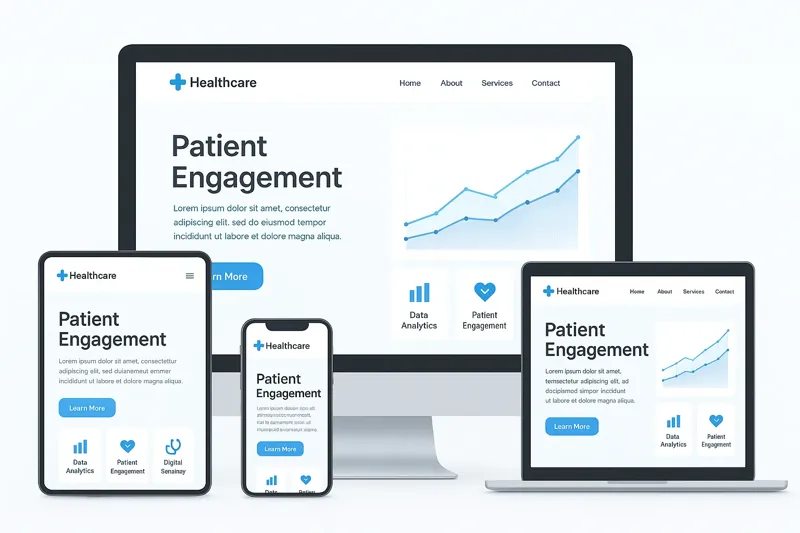
AI live chat employs advanced conversational AI technologies, including natural language processing (NLP) and machine learning, to enable real-time, human-like interactions between patients and healthcare providers. Unlike basic chatbots, these systems interpret complex inquiries, provide personalized health information, and automate tasks such as appointment scheduling and symptom triage. Integrated with electronic health records (EHR) and telehealth services, AI live chat enhances communication efficiency and operational workflow.
Significance of Patient Engagement Enhancement
By offering 24/7 access to care information and support, AI live chat significantly improves patient engagement. It empowers patients through timely medication reminders, symptom assessments, and ongoing health monitoring, leading to increased adherence to treatment plans and overall better outcomes. This technology also addresses accessibility challenges, reaching diverse populations, including non-English speakers, and reducing the burden on healthcare staff, enabling clinicians to focus on direct patient care.
Brief Mention of AI Chatbot Development and Adoption Trends
The adoption of AI live chat in healthcare is experiencing rapid growth, with the global healthcare chatbot market projected to surpass $10 billion by 2034 and nearly 20% of U.S. medical practices integrating these tools by 2025. Advances in algorithmic accuracy, multilingual capabilities, and integration with health systems have accelerated deployment. This digital transformation improves not only patient experiences but also operational efficiencies and cost savings across healthcare organizations globally.
Healthcare AI and Digital Marketing Key Facts
- AI live chat offers 24/7 accessibility, improving patient support and satisfaction.
- Automated appointment scheduling and reminders reduce no-shows by up to 30% and optimize practice efficiency.
- Personalized communication using patient data builds trust, improves adherence, and enhances patient satisfaction.
- AI symptom checkers perform preliminary assessments and guide patients to appropriate care, reducing unnecessary ER visits.
- AI medication reminders decrease errors and improve adherence, leading to better health outcomes.
- AI-driven administrative automation reduces staff workload and cuts operational costs.
- Multilingual AI chatbots support over 110 languages, fostering inclusive healthcare access.
- AI analytics collect patient feedback and insights, informing personalized care and targeted marketing strategies.
- Post-treatment AI support decreases hospital readmissions and promotes sustained health management.
- Effective online reputation management builds trust, attracts new patients, and enhances clinic credibility.
24/7 Accessibility Elevates Patient Support and Satisfaction
How does AI live chat improve access to healthcare?
AI live chat offers continuous 24/7 availability, allowing patients to receive instant support, schedule appointments, and get answers to medical inquiries anytime. This round-the-clock service enhances accessibility, particularly benefiting patients with busy schedules or those in different time zones who cannot rely on traditional office hours (Conversational AI in healthcare).
Role of AI live chat in providing round-the-clock patient assistance
AI chatbots function as virtual health assistants that operate nonstop to manage various patient needs. These include appointment booking, symptom checking, medication reminders, and answering frequently asked questions. Their advanced natural language processing capabilities enable them to engage in human-like conversations, ensuring patients feel heard and supported at any time (chatbots in healthcare, AI chatbots in healthcare).
Impact on patient convenience and healthcare access
By offering 24/7 access, AI chat systems significantly reduce wait times and ensure immediate responses to patient inquiries. This boosts patient satisfaction and loyalty as patients can manage healthcare tasks at their convenience. Additionally, such accessibility helps lower unnecessary emergency department visits by guiding patients to appropriate care options remotely (AI chatbots in healthcare, chatbots reducing emergency visits).
Examples of AI chatbots handling interactions beyond business hours
OSF HealthCare’s virtual assistant Clare handles 45% of interactions outside regular hours, exemplifying high patient reliance on digital access. Chatbots integrated into healthcare portals, like those used at UC San Diego Health and UPenn, provide continuous support for chronic disease management and medication adherence. These systems contribute to operational efficiency and substantial cost savings, up to millions annually, by automating routine administrative tasks during off-hours (chatbots in healthcare, AI chatbots in healthcare, automating healthcare administrative tasks.
2. Streamlining Appointment Scheduling to Reduce No-Shows and Enhance Efficiency
How does AI live chat contribute to reducing patient no-shows?
AI-driven live chat systems automate appointment booking, rescheduling, and cancellations, providing patients with convenient, 24/7 self-service access. This continuous availability allows patients to manage appointments effortlessly without needing to call or visit healthcare facilities during business hours (AI chatbots in healthcare.
Automated reminders and confirmations sent via AI chatbots have proven effective in reducing patient no-shows by up to 30%. These reminders ensure patients are aware of their upcoming appointments, which improves attendance rates and optimizes practice scheduling (Reducing No-Shows with AI).
Reduction of administrative workload in medical practices
By handling routine scheduling tasks, AI chatbots significantly decrease the administrative burden on healthcare staff. Automation of bookings, cancellations, and rescheduling minimizes manual errors and repetitive phone calls, freeing staff to focus on direct patient care and more complex administrative duties (automating healthcare administrative tasks.
Benefits for patient convenience and practice resource optimization
Patients benefit from immediate, user-friendly interaction with AI chatbots, enabling seamless appointment management anytime and anywhere. This accessibility enhances patient satisfaction and engagement (AI chatbots in healthcare).
For healthcare practices, AI chat appointment systems improve resource allocation by ensuring better utilization of provider time and reducing gaps caused by missed appointments. This efficiency translates into operational cost savings and better patient flow throughout the healthcare facility (cost savings with AI chatbots.
| Topic | Benefit | Impact on Healthcare |
|---|---|---|
| AI-driven appointment management | 24/7 patient self-service | Increased convenience and accessibility (Conversational AI in healthcare) |
| Automated reminders and confirmations | Reduced no-shows by up to 30% | Improved resource utilization (Reducing No-Shows with AI |
| Administrative task automation | Decreased staff workload | Allows focus on critical patient care (automating healthcare administrative tasks) |
| Optimized practice scheduling | Better utilization of provider time | Cost savings and improved operational efficiency (Healthcare chatbot use cases |
3. Personalized Patient Communication Builds Trust and Engagement
Utilizing Patient Data to Tailor AI Chat Interactions
AI chatbots in healthcare leverage comprehensive patient data sourced from electronic health records (EHRs), wearable devices, and clinical notes to customize interactions. By integrating these datasets, chatbots can deliver contextually relevant responses tailored to individual patient histories, medication regimens, and health statuses. This data-driven personalization ensures that communication is not generic but resonates with the patient’s unique healthcare journey, fostering greater trust in the technology.
How Personalization Improves Patient Experience and Adherence
Personalized communication empowers patients by offering tailored reminders, educational content, and health coaching aligned with their specific conditions and treatment plans. This targeted approach enhances medication adherence, as patients receive timely, relevant prompts about dosages and follow-ups. Moreover, AI customization of messages improves patient satisfaction and engagement—studies report increases in patient satisfaction scores by over 30% and adherence rates reaching up to 97%. This leads to better health outcomes and reinforces positive behavior changes, highlighting the benefits of AI in healthcare.
Role of AI in Adapting Communication Styles and Preferences
Advanced conversational AI in healthcare systems utilize natural language processing and machine learning to adapt communication styles dynamically based on patient preferences, literacy levels, and language. AI chatbots can switch tones, simplify medical jargon, and offer multilingual support to accommodate diverse populations and health literacy barriers prevalent in the U.S. healthcare system. Such adaptability enhances inclusivity and ensures messages are understood and well-received, ultimately driving effective patient-provider communication and stronger engagement.
4. Symptom Checking and Triage Enhance Patient Safety and Care Prioritization
How Do AI Chatbots Perform Preliminary Symptom Assessments?
AI-powered chatbots leverage advanced natural language processing in AI (NLP) to engage patients in detailed symptom assessments. These systems use structured questioning to gather patient-reported symptoms and medical history, which allows them to perform an initial evaluation in real time. By simulating human-like conversations, chatbots can collect this vital information efficiently and accurately, 24/7 patient support, ensuring patients have immediate access to preliminary medical guidance.
How Do AI Chatbots Guide Patients to Appropriate Care Pathways?
Based on the symptom data collected, AI chatbots apply clinical algorithms and machine learning models to triage patients effectively. The chatbots direct patients to the most suitable care setting — whether it’s self-care at home, a virtual consultation, urgent care, or emergency services. This personalized guidance helps patients avoid unnecessary hospital visits and gain timely access to appropriate care, supporting better clinical outcomes. This is one of the key healthcare chatbot use cases.
How Does Symptom Checking with AI Reduce Unnecessary Emergency Visits and Optimize Clinical Workloads?
Unnecessary emergency department visits are a significant challenge for healthcare systems, contributing to overcrowding and resource strain. AI chatbots mitigate this by accurately prioritizing cases that need immediate medical attention while managing less critical concerns remotely. This triage capability reduces patient wait times and decreases the administrative and clinical workload on healthcare staff. Consequently, clinicians can concentrate on high-acuity cases, enhancing overall care quality and operational efficiency, a benefit highlighted as reducing staff burden with AI.
Table summarizing benefits:
| Use Case | Benefit | Impact on Healthcare System |
|---|---|---|
| Symptom Assessment | 24/7 accessibility and accurate data capture | Immediate patient engagement |
| Care Pathway Guidance | Personalized triage and recommendations | Reduced inappropriate hospital visits |
| Emergency Visit Reduction | Prioritization of urgent cases | Optimized clinical workload and improved outcome |
By integrating AI-driven Conversational AI in healthcare symptom checking and triage, healthcare organizations in the U.S. can enhance patient safety, optimize resource use, and improve service delivery, meeting the growing demands of a complex healthcare landscape.
5. Medication Management and Adherence Support Through AI Reminders
How does AI automate medication reminders?
AI chatbots in healthcare and virtual assistants in healthcare leverage natural language processing in healthcare to deliver personalized medication reminders tailored to individual patient schedules. They provide 24/7 patient support, sending timely notifications to patients about dosage times, refill alerts, and medication interactions. Integration with electronic health records (EHRs) and pharmacy systems ensures accuracy and convenience.
What impact do AI reminders have on medication errors and adherence?
Automated reminders significantly reduce medication errors by promoting timely adherence and minimizing missed or incorrect doses. For instance, AI systems like Sensely have achieved up to a 94% success rate in daily patient check-ins, improving medication compliance. This consistent engagement fosters better health outcomes, lowers hospital readmissions, and reduces complications, especially for chronic disease patients.
Can you provide examples of effective patient follow-up and monitoring using AI?
Institutions such as the University of Pennsylvania utilize AI chatbots in patient communication—like Penny—to monitor patients undergoing complex treatments like oral chemotherapy. These chatbots conduct daily check-ins, alert clinicians to concerns early, and encourage adherence to medication plans. Additionally, Northwell Health employs AI-driven virtual assistants for patient interactions for chronic condition management and post-surgical follow-up, reducing readmissions and improving patient safety.
AI chatbots in healthcare also support post-treatment engagement by providing motivational messages and tracking progress, which enhances patient satisfaction and long-term health outcomes. Overall, AI-powered medication management streamlines workflows and allows healthcare providers to focus more on direct patient care while ensuring patients stay on track with their treatment.
6. Automating Administrative Tasks to Free Staff for Direct Patient Care
How does AI chatbot automation handle routine administrative tasks in healthcare?
AI chatbots in healthcare are extensively used to manage routine inquiries, streamline paperwork, and automate prescription refill requests. These virtual assistants process patient questions about appointment scheduling, billing, medication information, and frequently asked questions with 24/7 availability. By integrating seamlessly with electronic health records (EHRs) and pharmacy systems, chatbots reduce manual handling errors and accelerate service delivery.
How does AI chat automation minimize staff burden?
By automating repetitive administrative work, AI chatbots significantly decrease the workload on healthcare personnel, allowing clinicians and staff to focus more on critical patient care activities. For instance, chatbots manage appointment confirmations, cancellations, and reminders, lowering no-show rates and optimizing resource allocation. This automation reduces the need for extensive administrative support and mitigates staff burnout, a growing concern in the U.S. healthcare system.
In what ways does AI improve operational efficiency in healthcare facilities?
AI chat automation enhances operational workflows by providing instant responses to patient inquiries, reducing wait times and improving patient satisfaction. Automation of documentation and prescription management cuts down processing times and errors. Facilities report substantial cost savings; for example, OSF HealthCare saved $2.4 million in their first year deploying conversational AI. Moreover, streamlining back-office operations results in up to 40% operational efficiency gain in healthcare, reinforcing the value of AI integration in healthcare administration.
| Administrative Task | AI Chatbot Functionality | Benefits to Healthcare Facilities |
|---|---|---|
| Appointment related | Scheduling, reminders, cancel | Reduced no-shows, optimized clinician availability |
| Prescription refills | Automate refill requests | Minimized processing errors, faster medication access |
| Patient inquiries | 24/7 FAQ handling | Increased patient engagement, improved satisfaction |
| Documentation | Auto notes, confirmation | Lower clinician workload, enhanced accuracy |
Through the deployment of AI chatbots in healthcare, healthcare organizations in the United States can significantly improve efficiency, reduce operational costs, and reallocate human resources towards direct patient care. This strategic adoption of conversational AI in healthcare supports the evolving demands of modern healthcare delivery.
7. Multilingual AI Chat Capabilities Improve Inclusivity and Communication

Supporting Non-English Speaking Patients
Multilingual AI chat systems play a vital role in healthcare by providing accessible communication to non-English speaking patients. These AI-powered chatbots support over 110 languages, enabling patients to receive health information and services in their native language. This functionality significantly reduces language barriers, which are a major obstacle to effective healthcare delivery and patient engagement in the United States (AI in healthcare).
Culturally Aware, Translated Responses by AI Chat
Conversational AI in healthcare incorporates culturally aware and translated responses to ensure communication is both linguistically and contextually appropriate. By understanding cultural nuances and preferences, AI chatbots can deliver empathetic, accurate, and relevant information. This capability fosters patient trust and comfort, encouraging participation in health management and adherence to care plans (AI chatbots in healthcare.
Expanding Access and Addressing Language Barriers
The availability of multilingual AI chatbots expands healthcare access by offering 24/7 support, information, and services to diverse patient populations regardless of language proficiency. These systems streamline administrative tasks such as appointment scheduling and symptom checking, which are often hindered by language differences. The result is improved operational efficiency gain in healthcare and enhanced inclusivity, key goals for healthcare providers aiming to serve a multicultural population effectively (chatbots in healthcare.
Healthcare organizations that implement multilingual AI chat technologies demonstrate commitment to equity by ensuring all patients can engage confidently with digital health tools, improving overall patient satisfaction and health outcomes (Healthcare chatbot market growth.
8. Data Collection and Analytics Inform Better Patient Engagement Strategies

How does AI chat contribute to gathering patient insights and feedback?
AI chatbots in healthcare serve a crucial role beyond basic interaction—they collect valuable patient data through conversations, symptom reporting, and feedback. These systems analyze real-time patient input, detecting health trends and preferences which allow healthcare providers to better understand patient needs. This continuous data collection facilitates more informed clinical decisions and operational adjustments.
How can healthcare providers use data to personalize care and marketing efforts?
Through analysis of patient demographics, medical histories, and interaction patterns, AI-Driven Data Analytics in Healthcare enable highly personalized patient communication and care coordination. Care plans, appointment reminders, and educational content can be tailored to individual patients’ conditions and preferences. Meanwhile, healthcare marketers leverage predictive analytics to design targeted campaigns that resonate with specific patient segments, enhancing engagement and outreach effectiveness.
In what ways does data-driven insight improve patient satisfaction?
Data-driven insights provide opportunities to identify service gaps and streamline workflows. By continuously evaluating patient feedback gathered by AI chatbots in healthcare, providers can promptly address common concerns, reduce wait times, and optimize appointment scheduling. Personalized follow-up and medication adherence prompts, informed by analytics, also contribute to better health outcomes and higher patient loyalty.
Why is data-driven digital marketing important for medical practices?
Data-driven marketing enables precise targeting and personalization by analyzing patient demographics and behaviors, which improves patient satisfaction, optimizes campaign effectiveness, and supports sustainable patient engagement. This strategic use of data ensures marketing resources are invested efficiently, ultimately supporting long-term practice growth.
| Topic | Role of AI Chat and Data Analytics | Benefit to Healthcare Providers and Patients |
|---|---|---|
| Patient insights collection | Continuous capture of symptoms, feedback, and interaction data | Informed clinical and operational decisions |
| Personalized care | Tailored communications and appointments based on patient data | Higher adherence and patient trust |
| Targeted marketing campaigns | Use of demographic and behavioral data to customize outreach | Increased engagement and campaign ROI |
| Patient satisfaction improvement | Real-time feedback evaluation and service optimization | Enhanced patient experience and outcomes |
9. Post-Treatment Follow-Up and Ongoing Engagement for Improved Outcomes
Continued Support Through AI Reminders and Symptom Monitoring
AI chatbots in healthcare offer continuous post-treatment support by sending reminders about medication schedules, upcoming appointments, and lifestyle modifications. These timely prompts help patients stay compliant with their recovery plans. Additionally, Conversational AI in healthcare enables patients to report their health status regularly, facilitating early detection of potential complications.
Enhancing Adherence to Recovery Plans
By providing personalized and interactive follow-ups, AI systems help patients adhere more effectively to prescribed treatments. Virtual assistants in healthcare deliver motivational messages and educational content that empower patients to engage actively with their care, reducing the likelihood of neglecting important recovery steps.
Reducing Readmissions and Promoting Sustained Health Management
Effective use of AI-powered post-treatment engagement has been shown to decrease hospital readmission rates. Automated check-ins and analytics allow for timely identification of risks and enable clinicians to intervene before conditions worsen. This proactive approach supports sustained management of chronic conditions and improves long-term patient outcomes by fostering ongoing communication and trust.
Healthcare providers integrating AI chatbots for post-treatment follow-up reap benefits including improved patient satisfaction, enhanced adherence, and operational efficiencies, ultimately driving measurable growth in patient engagement and health results.
Maximizing Patient Acquisition: Effective Digital Marketing Strategies for Healthcare Practices
What are the most effective digital marketing strategies for healthcare practices to attract high-value patients?
Healthcare practices looking to attract and retain high-value patients should adopt a comprehensive, multi-channel digital marketing approach. Combining Search Engine Optimization (SEO) with targeted Pay-Per-Click (PPC) campaigns is crucial. SEO efforts should focus on optimizing medical-specific keywords and creating authoritative educational content such as blogs, videos, and FAQs that answer common patient questions and provide valuable insights.
An engaging and user-friendly website enhanced by AI chat technology for patient interaction like virtual assistants in healthcare, or chatbots enhancing patient engagement can foster better patient interaction by offering 24/7 appointment scheduling, symptom checking, and personalized communication. This seamless digital experience not only improves convenience but also builds patient loyalty.
Social media platforms provide a direct channel to engage patients and share educational content, health tips, and community stories, helping to humanize the practice and increase trust. Integrating a healthcare-specific Customer Relationship Management (CRM) system enables personalized outreach, leveraging patient data to send relevant reminders, targeted offers, and follow-up communication. These technologies also facilitate precise ROI tracking and informed decision-making.
Complementing digital tactics with offline strategies such as hosting community health events and establishing referral partnerships enhances local visibility and patient trust. Maintaining strict adherence to healthcare compliance standards (such as HIPAA) in marketing communications and ensuring active online reputation management through review monitoring and response are vital to sustaining credibility and fostering long-term patient relationships.
This integrated approach ensures both broad reach and personalized patient experiences, driving measurable growth in patient acquisition for healthcare practices.
Ensuring Compliance in Healthcare Marketing Campaigns
How can healthcare marketing agencies ensure compliance with healthcare regulations in their online campaigns?
Healthcare marketing agencies operate within a complex regulatory environment, primarily under frameworks such as HIPAA in the US and GDPR in Europe. Ensuring compliance begins with a thorough understanding of these regulations, which dictate how patient data must be handled to protect privacy and security.
Implementing secure data handling practices is fundamental. Agencies must use HIPAA-compliant digital platforms that safeguard electronic protected health information (ePHI). Explicit patient consent is essential, particularly when marketing campaigns utilize personal health information or patient testimonials. Consent processes should be clear and documented.
Regular audits of marketing practices and systems help identify potential vulnerabilities or breaches. Additionally, ongoing staff training on regulatory requirements and best practices keeps teams informed and vigilant. Partnering with technology providers that specialize in secure healthcare communications ensures that the latest encryption and security protocols are employed.
Transparency is also critical. Publishing clear privacy policies and communicating how patient data is used fosters trust with both patients and healthcare providers. Agencies must remain proactive in monitoring legal updates to adapt their compliance strategies as regulations evolve.
Through these multifaceted efforts, healthcare marketing agencies can ethically and effectively execute online campaigns while upholding the highest standards of patient privacy and regulatory compliance.
Measuring Success in Healthcare Digital Marketing
How can medical practices measure the success of their digital marketing efforts?
Medical practices can effectively measure the success of their digital marketing campaigns by tracking a combination of key performance indicators (KPIs) relevant to patient acquisition and engagement. Important KPIs include web traffic, appointment conversions, and patient interaction metrics.
Analyzing the quality of patient leads is essential to understand if marketing efforts attract the right audience. Conversion rates—such as the percentage of web visitors who book consultations—offer insight into campaign effectiveness. Practices should also evaluate cost per acquisition (CPA) and return on investment (ROI) to ensure marketing dollars are spent efficiently.
To gather actionable data, healthcare marketers rely on tools like Google Analytics for monitoring website performance and user behavior. Integration with customer relationship management (CRM) software provides a comprehensive view of patient journeys, facilitating tracking from initial contact through appointment scheduling and follow-up.
Regularly reviewing these metrics enables healthcare providers to adjust marketing strategies, optimizing campaigns for better patient acquisition outcomes and enhanced operational efficiency. This data-driven approach is key for sustaining growth and ensuring alignment with organizational goals in the increasingly digital healthcare landscape.
The Role of Online Reputation Management in Attracting Patients
What role does online reputation management play in attracting patients to medical clinics?
Online reputation management (ORM) is essential in today's healthcare environment, where patients frequently turn to online resources to select medical providers. Most prospective patients research clinics through review platforms and receive peer feedback before deciding where to seek care. Positive patient reviews significantly influence trust and reduce the anxiety associated with choosing a healthcare provider.
Leveraging ORM effectively means that clinics showcase their quality of care and patient satisfaction, which directly contributes to increased appointment bookings and practice growth. Maintaining an accurate and positive online presence across multiple platforms, from social media to healthcare-specific review sites, heightens visibility and reinforces credibility.
Importance of patient reviews in decision making
Patient reviews serve as social proof, providing authentic insights into patient experiences. They help prospective patients assess factors such as provider communication, wait times, and overall satisfaction. High ratings and positive narratives alleviate concerns and foster confidence, which are critical in healthcare decision-making. Clinics with robust positive feedback stand out competitively in saturated healthcare markets.
Strategies for collecting and responding to feedback
Effective ORM includes proactive collection of patient feedback through automated post-visit surveys and digital requests. Healthcare providers should encourage satisfied patients to share their experiences publicly. Prompt, compassionate responses to both positive and negative feedback demonstrate attentiveness and commitment to patient care, reinforcing trust.
Implementing AI-driven messaging systems can facilitate these interactions efficiently by ensuring timely replies and consistent engagement, helping practices stay connected with their patient communities.
Maintaining accurate and positive online presence
Careful monitoring and updating of online information—including hours, services offered, and provider credentials—are vital. Consistency across directories ensures patients find reliable information, which reduces confusion and enhances patient satisfaction. Additionally, addressing misinformation and managing negative content respectfully sustains a positive reputation.
Impact on patient trust, anxiety reduction, and acquisition
An optimized online reputation translates to higher patient trust by providing transparent, credible, and patient-centered information. This reassurance reduces patient anxiety around healthcare choices and encourages active engagement. Ultimately, a strong online reputation drives patient acquisition by attracting new patients actively seeking dependable and positively reviewed medical services.
| Aspect | Description | Benefit to Clinic |
|---|---|---|
| Patient Reviews | Authentic reflections of patient experience | Builds trust, competitive edge |
| Feedback Strategies | Automated requests, timely responses, AI-enabled messaging | Enhances engagement, responsiveness |
| Accurate Online Presence | Updated info, consistent listings, misinformation management | Improves accessibility, reliability |
| Outcome | Increased patient trust, reduced anxiety, higher appointment rates | Practice growth and reputation |
Looking Ahead: The Transformative Power of AI Live Chat in Patient Engagement
Enhancing Patient Engagement with AI Live Chat
AI-powered live chat systems are revolutionizing patient engagement by providing 24/7 access to healthcare information and support. These platforms streamline appointment scheduling, symptom triage, medication management, and administrative workflows, significantly reducing staff workload while improving patient satisfaction and adherence to care plans. Continuous, personalized communication fosters trust and enables patients to actively participate in managing their health, which research links to better outcomes and reduced hospital readmissions.
Future Directions: Predictive Analytics and Personalization
The future of AI live chat embeds sophisticated predictive analytics and personalized care planning. By leveraging data from electronic health records and patient interactions, AI can anticipate health risks and tailor interventions proactively, driving earlier clinical action. Advancements in Natural Language Processing (NLP) and machine learning will enable conversational AI to adapt dynamically to individual preferences and emotional cues, enhancing empathy and effectiveness, thereby reinforcing patient-provider relationships in ever more meaningful ways.
Encouraging Adoption for Improved Healthcare Outcomes
Healthcare providers are encouraged to integrate AI chat technology to optimize patient engagement and operational efficiency. Adopting these tools can reduce costly no-shows, improve medication adherence, and streamline communication channels, ultimately boosting quality of care and patient loyalty. Embracing AI-driven solutions aligns with trends in U.S. healthcare towards digital transformation and value-based care, offering measurable growth in patient outcomes and practice sustainability.
Introduction to AI Live Chat in Healthcare
Overview of AI Live Chat Technology in Healthcare
AI live chat employs advanced conversational AI technologies, including natural language processing (NLP) and machine learning, to enable real-time, human-like interactions between patients and healthcare providers. Unlike basic chatbots, these systems interpret complex inquiries, provide personalized health information, and automate tasks such as appointment scheduling and symptom triage. Integrated with electronic health records (EHR) and telehealth services, AI live chat enhances communication efficiency and operational workflow.
Significance of Patient Engagement Enhancement
By offering 24/7 access to care information and support, AI live chat significantly improves patient engagement. It empowers patients through timely medication reminders, symptom assessments, and ongoing health monitoring, leading to increased adherence to treatment plans and overall better outcomes. This technology also addresses accessibility challenges, reaching diverse populations, including non-English speakers, and reducing the burden on healthcare staff, enabling clinicians to focus on direct patient care.
Brief Mention of AI Chatbot Development and Adoption Trends
The adoption of AI live chat in healthcare is experiencing rapid growth, with the global healthcare chatbot market projected to surpass $10 billion by 2034 and nearly 20% of U.S. medical practices integrating these tools by 2025. Advances in algorithmic accuracy, multilingual capabilities, and integration with health systems have accelerated deployment. This digital transformation improves not only patient experiences but also operational efficiencies and cost savings across healthcare organizations globally.
Healthcare AI and Digital Marketing Key Facts
- AI live chat offers 24/7 accessibility, improving patient support and satisfaction.
- Automated appointment scheduling and reminders reduce no-shows by up to 30% and optimize practice efficiency.
- Personalized communication using patient data builds trust, improves adherence, and enhances patient satisfaction.
- AI symptom checkers perform preliminary assessments and guide patients to appropriate care, reducing unnecessary ER visits.
- AI medication reminders decrease errors and improve adherence, leading to better health outcomes.
- AI-driven administrative automation reduces staff workload and cuts operational costs.
- Multilingual AI chatbots support over 110 languages, fostering inclusive healthcare access.
- AI analytics collect patient feedback and insights, informing personalized care and targeted marketing strategies.
- Post-treatment AI support decreases hospital readmissions and promotes sustained health management.
- Effective online reputation management builds trust, attracts new patients, and enhances clinic credibility.
24/7 Accessibility Elevates Patient Support and Satisfaction
How does AI live chat improve access to healthcare?
AI live chat offers continuous 24/7 availability, allowing patients to receive instant support, schedule appointments, and get answers to medical inquiries anytime. This round-the-clock service enhances accessibility, particularly benefiting patients with busy schedules or those in different time zones who cannot rely on traditional office hours (Conversational AI in healthcare).
Role of AI live chat in providing round-the-clock patient assistance
AI chatbots function as virtual health assistants that operate nonstop to manage various patient needs. These include appointment booking, symptom checking, medication reminders, and answering frequently asked questions. Their advanced natural language processing capabilities enable them to engage in human-like conversations, ensuring patients feel heard and supported at any time (chatbots in healthcare, AI chatbots in healthcare).
Impact on patient convenience and healthcare access
By offering 24/7 access, AI chat systems significantly reduce wait times and ensure immediate responses to patient inquiries. This boosts patient satisfaction and loyalty as patients can manage healthcare tasks at their convenience. Additionally, such accessibility helps lower unnecessary emergency department visits by guiding patients to appropriate care options remotely (AI chatbots in healthcare, chatbots reducing emergency visits).
Examples of AI chatbots handling interactions beyond business hours
OSF HealthCare’s virtual assistant Clare handles 45% of interactions outside regular hours, exemplifying high patient reliance on digital access. Chatbots integrated into healthcare portals, like those used at UC San Diego Health and UPenn, provide continuous support for chronic disease management and medication adherence. These systems contribute to operational efficiency and substantial cost savings, up to millions annually, by automating routine administrative tasks during off-hours (chatbots in healthcare, AI chatbots in healthcare, automating healthcare administrative tasks.
2. Streamlining Appointment Scheduling to Reduce No-Shows and Enhance Efficiency
How does AI live chat contribute to reducing patient no-shows?
AI-driven live chat systems automate appointment booking, rescheduling, and cancellations, providing patients with convenient, 24/7 self-service access. This continuous availability allows patients to manage appointments effortlessly without needing to call or visit healthcare facilities during business hours (AI chatbots in healthcare.
Automated reminders and confirmations sent via AI chatbots have proven effective in reducing patient no-shows by up to 30%. These reminders ensure patients are aware of their upcoming appointments, which improves attendance rates and optimizes practice scheduling (Reducing No-Shows with AI).
Reduction of administrative workload in medical practices
By handling routine scheduling tasks, AI chatbots significantly decrease the administrative burden on healthcare staff. Automation of bookings, cancellations, and rescheduling minimizes manual errors and repetitive phone calls, freeing staff to focus on direct patient care and more complex administrative duties (automating healthcare administrative tasks.
Benefits for patient convenience and practice resource optimization
Patients benefit from immediate, user-friendly interaction with AI chatbots, enabling seamless appointment management anytime and anywhere. This accessibility enhances patient satisfaction and engagement (AI chatbots in healthcare).
For healthcare practices, AI chat appointment systems improve resource allocation by ensuring better utilization of provider time and reducing gaps caused by missed appointments. This efficiency translates into operational cost savings and better patient flow throughout the healthcare facility (cost savings with AI chatbots.
| Topic | Benefit | Impact on Healthcare |
|---|---|---|
| AI-driven appointment management | 24/7 patient self-service | Increased convenience and accessibility (Conversational AI in healthcare) |
| Automated reminders and confirmations | Reduced no-shows by up to 30% | Improved resource utilization (Reducing No-Shows with AI |
| Administrative task automation | Decreased staff workload | Allows focus on critical patient care (automating healthcare administrative tasks) |
| Optimized practice scheduling | Better utilization of provider time | Cost savings and improved operational efficiency (Healthcare chatbot use cases |
3. Personalized Patient Communication Builds Trust and Engagement
Utilizing Patient Data to Tailor AI Chat Interactions
AI chatbots in healthcare leverage comprehensive patient data sourced from electronic health records (EHRs), wearable devices, and clinical notes to customize interactions. By integrating these datasets, chatbots can deliver contextually relevant responses tailored to individual patient histories, medication regimens, and health statuses. This data-driven personalization ensures that communication is not generic but resonates with the patient’s unique healthcare journey, fostering greater trust in the technology.
How Personalization Improves Patient Experience and Adherence
Personalized communication empowers patients by offering tailored reminders, educational content, and health coaching aligned with their specific conditions and treatment plans. This targeted approach enhances medication adherence, as patients receive timely, relevant prompts about dosages and follow-ups. Moreover, AI customization of messages improves patient satisfaction and engagement—studies report increases in patient satisfaction scores by over 30% and adherence rates reaching up to 97%. This leads to better health outcomes and reinforces positive behavior changes, highlighting the benefits of AI in healthcare.
Role of AI in Adapting Communication Styles and Preferences
Advanced conversational AI in healthcare systems utilize natural language processing and machine learning to adapt communication styles dynamically based on patient preferences, literacy levels, and language. AI chatbots can switch tones, simplify medical jargon, and offer multilingual support to accommodate diverse populations and health literacy barriers prevalent in the U.S. healthcare system. Such adaptability enhances inclusivity and ensures messages are understood and well-received, ultimately driving effective patient-provider communication and stronger engagement.
4. Symptom Checking and Triage Enhance Patient Safety and Care Prioritization
How Do AI Chatbots Perform Preliminary Symptom Assessments?
AI-powered chatbots leverage advanced natural language processing in AI (NLP) to engage patients in detailed symptom assessments. These systems use structured questioning to gather patient-reported symptoms and medical history, which allows them to perform an initial evaluation in real time. By simulating human-like conversations, chatbots can collect this vital information efficiently and accurately, 24/7 patient support, ensuring patients have immediate access to preliminary medical guidance.
How Do AI Chatbots Guide Patients to Appropriate Care Pathways?
Based on the symptom data collected, AI chatbots apply clinical algorithms and machine learning models to triage patients effectively. The chatbots direct patients to the most suitable care setting — whether it’s self-care at home, a virtual consultation, urgent care, or emergency services. This personalized guidance helps patients avoid unnecessary hospital visits and gain timely access to appropriate care, supporting better clinical outcomes. This is one of the key healthcare chatbot use cases.
How Does Symptom Checking with AI Reduce Unnecessary Emergency Visits and Optimize Clinical Workloads?
Unnecessary emergency department visits are a significant challenge for healthcare systems, contributing to overcrowding and resource strain. AI chatbots mitigate this by accurately prioritizing cases that need immediate medical attention while managing less critical concerns remotely. This triage capability reduces patient wait times and decreases the administrative and clinical workload on healthcare staff. Consequently, clinicians can concentrate on high-acuity cases, enhancing overall care quality and operational efficiency, a benefit highlighted as reducing staff burden with AI.
Table summarizing benefits:
| Use Case | Benefit | Impact on Healthcare System |
|---|---|---|
| Symptom Assessment | 24/7 accessibility and accurate data capture | Immediate patient engagement |
| Care Pathway Guidance | Personalized triage and recommendations | Reduced inappropriate hospital visits |
| Emergency Visit Reduction | Prioritization of urgent cases | Optimized clinical workload and improved outcome |
By integrating AI-driven Conversational AI in healthcare symptom checking and triage, healthcare organizations in the U.S. can enhance patient safety, optimize resource use, and improve service delivery, meeting the growing demands of a complex healthcare landscape.
5. Medication Management and Adherence Support Through AI Reminders
How does AI automate medication reminders?
AI chatbots in healthcare and virtual assistants in healthcare leverage natural language processing in healthcare to deliver personalized medication reminders tailored to individual patient schedules. They provide 24/7 patient support, sending timely notifications to patients about dosage times, refill alerts, and medication interactions. Integration with electronic health records (EHRs) and pharmacy systems ensures accuracy and convenience.
What impact do AI reminders have on medication errors and adherence?
Automated reminders significantly reduce medication errors by promoting timely adherence and minimizing missed or incorrect doses. For instance, AI systems like Sensely have achieved up to a 94% success rate in daily patient check-ins, improving medication compliance. This consistent engagement fosters better health outcomes, lowers hospital readmissions, and reduces complications, especially for chronic disease patients.
Can you provide examples of effective patient follow-up and monitoring using AI?
Institutions such as the University of Pennsylvania utilize AI chatbots in patient communication—like Penny—to monitor patients undergoing complex treatments like oral chemotherapy. These chatbots conduct daily check-ins, alert clinicians to concerns early, and encourage adherence to medication plans. Additionally, Northwell Health employs AI-driven virtual assistants for patient interactions for chronic condition management and post-surgical follow-up, reducing readmissions and improving patient safety.
AI chatbots in healthcare also support post-treatment engagement by providing motivational messages and tracking progress, which enhances patient satisfaction and long-term health outcomes. Overall, AI-powered medication management streamlines workflows and allows healthcare providers to focus more on direct patient care while ensuring patients stay on track with their treatment.
6. Automating Administrative Tasks to Free Staff for Direct Patient Care
How does AI chatbot automation handle routine administrative tasks in healthcare?
AI chatbots in healthcare are extensively used to manage routine inquiries, streamline paperwork, and automate prescription refill requests. These virtual assistants process patient questions about appointment scheduling, billing, medication information, and frequently asked questions with 24/7 availability. By integrating seamlessly with electronic health records (EHRs) and pharmacy systems, chatbots reduce manual handling errors and accelerate service delivery.
How does AI chat automation minimize staff burden?
By automating repetitive administrative work, AI chatbots significantly decrease the workload on healthcare personnel, allowing clinicians and staff to focus more on critical patient care activities. For instance, chatbots manage appointment confirmations, cancellations, and reminders, lowering no-show rates and optimizing resource allocation. This automation reduces the need for extensive administrative support and mitigates staff burnout, a growing concern in the U.S. healthcare system.
In what ways does AI improve operational efficiency in healthcare facilities?
AI chat automation enhances operational workflows by providing instant responses to patient inquiries, reducing wait times and improving patient satisfaction. Automation of documentation and prescription management cuts down processing times and errors. Facilities report substantial cost savings; for example, OSF HealthCare saved $2.4 million in their first year deploying conversational AI. Moreover, streamlining back-office operations results in up to 40% operational efficiency gain in healthcare, reinforcing the value of AI integration in healthcare administration.
| Administrative Task | AI Chatbot Functionality | Benefits to Healthcare Facilities |
|---|---|---|
| Appointment related | Scheduling, reminders, cancel | Reduced no-shows, optimized clinician availability |
| Prescription refills | Automate refill requests | Minimized processing errors, faster medication access |
| Patient inquiries | 24/7 FAQ handling | Increased patient engagement, improved satisfaction |
| Documentation | Auto notes, confirmation | Lower clinician workload, enhanced accuracy |
Through the deployment of AI chatbots in healthcare, healthcare organizations in the United States can significantly improve efficiency, reduce operational costs, and reallocate human resources towards direct patient care. This strategic adoption of conversational AI in healthcare supports the evolving demands of modern healthcare delivery.
7. Multilingual AI Chat Capabilities Improve Inclusivity and Communication
Supporting Non-English Speaking Patients
Multilingual AI chat systems play a vital role in healthcare by providing accessible communication to non-English speaking patients. These AI-powered chatbots support over 110 languages, enabling patients to receive health information and services in their native language. This functionality significantly reduces language barriers, which are a major obstacle to effective healthcare delivery and patient engagement in the United States (AI in healthcare).
Culturally Aware, Translated Responses by AI Chat
Conversational AI in healthcare incorporates culturally aware and translated responses to ensure communication is both linguistically and contextually appropriate. By understanding cultural nuances and preferences, AI chatbots can deliver empathetic, accurate, and relevant information. This capability fosters patient trust and comfort, encouraging participation in health management and adherence to care plans (AI chatbots in healthcare.
Expanding Access and Addressing Language Barriers
The availability of multilingual AI chatbots expands healthcare access by offering 24/7 support, information, and services to diverse patient populations regardless of language proficiency. These systems streamline administrative tasks such as appointment scheduling and symptom checking, which are often hindered by language differences. The result is improved operational efficiency gain in healthcare and enhanced inclusivity, key goals for healthcare providers aiming to serve a multicultural population effectively (chatbots in healthcare.
Healthcare organizations that implement multilingual AI chat technologies demonstrate commitment to equity by ensuring all patients can engage confidently with digital health tools, improving overall patient satisfaction and health outcomes (Healthcare chatbot market growth.
8. Data Collection and Analytics Inform Better Patient Engagement Strategies
How does AI chat contribute to gathering patient insights and feedback?
AI chatbots in healthcare serve a crucial role beyond basic interaction—they collect valuable patient data through conversations, symptom reporting, and feedback. These systems analyze real-time patient input, detecting health trends and preferences which allow healthcare providers to better understand patient needs. This continuous data collection facilitates more informed clinical decisions and operational adjustments.
How can healthcare providers use data to personalize care and marketing efforts?
Through analysis of patient demographics, medical histories, and interaction patterns, AI-Driven Data Analytics in Healthcare enable highly personalized patient communication and care coordination. Care plans, appointment reminders, and educational content can be tailored to individual patients’ conditions and preferences. Meanwhile, healthcare marketers leverage predictive analytics to design targeted campaigns that resonate with specific patient segments, enhancing engagement and outreach effectiveness.
In what ways does data-driven insight improve patient satisfaction?
Data-driven insights provide opportunities to identify service gaps and streamline workflows. By continuously evaluating patient feedback gathered by AI chatbots in healthcare, providers can promptly address common concerns, reduce wait times, and optimize appointment scheduling. Personalized follow-up and medication adherence prompts, informed by analytics, also contribute to better health outcomes and higher patient loyalty.
Why is data-driven digital marketing important for medical practices?
Data-driven marketing enables precise targeting and personalization by analyzing patient demographics and behaviors, which improves patient satisfaction, optimizes campaign effectiveness, and supports sustainable patient engagement. This strategic use of data ensures marketing resources are invested efficiently, ultimately supporting long-term practice growth.
| Topic | Role of AI Chat and Data Analytics | Benefit to Healthcare Providers and Patients |
|---|---|---|
| Patient insights collection | Continuous capture of symptoms, feedback, and interaction data | Informed clinical and operational decisions |
| Personalized care | Tailored communications and appointments based on patient data | Higher adherence and patient trust |
| Targeted marketing campaigns | Use of demographic and behavioral data to customize outreach | Increased engagement and campaign ROI |
| Patient satisfaction improvement | Real-time feedback evaluation and service optimization | Enhanced patient experience and outcomes |
9. Post-Treatment Follow-Up and Ongoing Engagement for Improved Outcomes
Continued Support Through AI Reminders and Symptom Monitoring
AI chatbots in healthcare offer continuous post-treatment support by sending reminders about medication schedules, upcoming appointments, and lifestyle modifications. These timely prompts help patients stay compliant with their recovery plans. Additionally, Conversational AI in healthcare enables patients to report their health status regularly, facilitating early detection of potential complications.
Enhancing Adherence to Recovery Plans
By providing personalized and interactive follow-ups, AI systems help patients adhere more effectively to prescribed treatments. Virtual assistants in healthcare deliver motivational messages and educational content that empower patients to engage actively with their care, reducing the likelihood of neglecting important recovery steps.
Reducing Readmissions and Promoting Sustained Health Management
Effective use of AI-powered post-treatment engagement has been shown to decrease hospital readmission rates. Automated check-ins and analytics allow for timely identification of risks and enable clinicians to intervene before conditions worsen. This proactive approach supports sustained management of chronic conditions and improves long-term patient outcomes by fostering ongoing communication and trust.
Healthcare providers integrating AI chatbots for post-treatment follow-up reap benefits including improved patient satisfaction, enhanced adherence, and operational efficiencies, ultimately driving measurable growth in patient engagement and health results.
Maximizing Patient Acquisition: Effective Digital Marketing Strategies for Healthcare Practices
What are the most effective digital marketing strategies for healthcare practices to attract high-value patients?
Healthcare practices looking to attract and retain high-value patients should adopt a comprehensive, multi-channel digital marketing approach. Combining Search Engine Optimization (SEO) with targeted Pay-Per-Click (PPC) campaigns is crucial. SEO efforts should focus on optimizing medical-specific keywords and creating authoritative educational content such as blogs, videos, and FAQs that answer common patient questions and provide valuable insights.
An engaging and user-friendly website enhanced by AI chat technology for patient interaction like virtual assistants in healthcare, or chatbots enhancing patient engagement can foster better patient interaction by offering 24/7 appointment scheduling, symptom checking, and personalized communication. This seamless digital experience not only improves convenience but also builds patient loyalty.
Social media platforms provide a direct channel to engage patients and share educational content, health tips, and community stories, helping to humanize the practice and increase trust. Integrating a healthcare-specific Customer Relationship Management (CRM) system enables personalized outreach, leveraging patient data to send relevant reminders, targeted offers, and follow-up communication. These technologies also facilitate precise ROI tracking and informed decision-making.
Complementing digital tactics with offline strategies such as hosting community health events and establishing referral partnerships enhances local visibility and patient trust. Maintaining strict adherence to healthcare compliance standards (such as HIPAA) in marketing communications and ensuring active online reputation management through review monitoring and response are vital to sustaining credibility and fostering long-term patient relationships.
This integrated approach ensures both broad reach and personalized patient experiences, driving measurable growth in patient acquisition for healthcare practices.
Ensuring Compliance in Healthcare Marketing Campaigns
How can healthcare marketing agencies ensure compliance with healthcare regulations in their online campaigns?
Healthcare marketing agencies operate within a complex regulatory environment, primarily under frameworks such as HIPAA in the US and GDPR in Europe. Ensuring compliance begins with a thorough understanding of these regulations, which dictate how patient data must be handled to protect privacy and security.
Implementing secure data handling practices is fundamental. Agencies must use HIPAA-compliant digital platforms that safeguard electronic protected health information (ePHI). Explicit patient consent is essential, particularly when marketing campaigns utilize personal health information or patient testimonials. Consent processes should be clear and documented.
Regular audits of marketing practices and systems help identify potential vulnerabilities or breaches. Additionally, ongoing staff training on regulatory requirements and best practices keeps teams informed and vigilant. Partnering with technology providers that specialize in secure healthcare communications ensures that the latest encryption and security protocols are employed.
Transparency is also critical. Publishing clear privacy policies and communicating how patient data is used fosters trust with both patients and healthcare providers. Agencies must remain proactive in monitoring legal updates to adapt their compliance strategies as regulations evolve.
Through these multifaceted efforts, healthcare marketing agencies can ethically and effectively execute online campaigns while upholding the highest standards of patient privacy and regulatory compliance.
Measuring Success in Healthcare Digital Marketing
How can medical practices measure the success of their digital marketing efforts?
Medical practices can effectively measure the success of their digital marketing campaigns by tracking a combination of key performance indicators (KPIs) relevant to patient acquisition and engagement. Important KPIs include web traffic, appointment conversions, and patient interaction metrics.
Analyzing the quality of patient leads is essential to understand if marketing efforts attract the right audience. Conversion rates—such as the percentage of web visitors who book consultations—offer insight into campaign effectiveness. Practices should also evaluate cost per acquisition (CPA) and return on investment (ROI) to ensure marketing dollars are spent efficiently.
To gather actionable data, healthcare marketers rely on tools like Google Analytics for monitoring website performance and user behavior. Integration with customer relationship management (CRM) software provides a comprehensive view of patient journeys, facilitating tracking from initial contact through appointment scheduling and follow-up.
Regularly reviewing these metrics enables healthcare providers to adjust marketing strategies, optimizing campaigns for better patient acquisition outcomes and enhanced operational efficiency. This data-driven approach is key for sustaining growth and ensuring alignment with organizational goals in the increasingly digital healthcare landscape.
The Role of Online Reputation Management in Attracting Patients
What role does online reputation management play in attracting patients to medical clinics?
Online reputation management (ORM) is essential in today's healthcare environment, where patients frequently turn to online resources to select medical providers. Most prospective patients research clinics through review platforms and receive peer feedback before deciding where to seek care. Positive patient reviews significantly influence trust and reduce the anxiety associated with choosing a healthcare provider.
Leveraging ORM effectively means that clinics showcase their quality of care and patient satisfaction, which directly contributes to increased appointment bookings and practice growth. Maintaining an accurate and positive online presence across multiple platforms, from social media to healthcare-specific review sites, heightens visibility and reinforces credibility.
Importance of patient reviews in decision making
Patient reviews serve as social proof, providing authentic insights into patient experiences. They help prospective patients assess factors such as provider communication, wait times, and overall satisfaction. High ratings and positive narratives alleviate concerns and foster confidence, which are critical in healthcare decision-making. Clinics with robust positive feedback stand out competitively in saturated healthcare markets.
Strategies for collecting and responding to feedback
Effective ORM includes proactive collection of patient feedback through automated post-visit surveys and digital requests. Healthcare providers should encourage satisfied patients to share their experiences publicly. Prompt, compassionate responses to both positive and negative feedback demonstrate attentiveness and commitment to patient care, reinforcing trust.
Implementing AI-driven messaging systems can facilitate these interactions efficiently by ensuring timely replies and consistent engagement, helping practices stay connected with their patient communities.
Maintaining accurate and positive online presence
Careful monitoring and updating of online information—including hours, services offered, and provider credentials—are vital. Consistency across directories ensures patients find reliable information, which reduces confusion and enhances patient satisfaction. Additionally, addressing misinformation and managing negative content respectfully sustains a positive reputation.
Impact on patient trust, anxiety reduction, and acquisition
An optimized online reputation translates to higher patient trust by providing transparent, credible, and patient-centered information. This reassurance reduces patient anxiety around healthcare choices and encourages active engagement. Ultimately, a strong online reputation drives patient acquisition by attracting new patients actively seeking dependable and positively reviewed medical services.
| Aspect | Description | Benefit to Clinic |
|---|---|---|
| Patient Reviews | Authentic reflections of patient experience | Builds trust, competitive edge |
| Feedback Strategies | Automated requests, timely responses, AI-enabled messaging | Enhances engagement, responsiveness |
| Accurate Online Presence | Updated info, consistent listings, misinformation management | Improves accessibility, reliability |
| Outcome | Increased patient trust, reduced anxiety, higher appointment rates | Practice growth and reputation |
Looking Ahead: The Transformative Power of AI Live Chat in Patient Engagement
Enhancing Patient Engagement with AI Live Chat
AI-powered live chat systems are revolutionizing patient engagement by providing 24/7 access to healthcare information and support. These platforms streamline appointment scheduling, symptom triage, medication management, and administrative workflows, significantly reducing staff workload while improving patient satisfaction and adherence to care plans. Continuous, personalized communication fosters trust and enables patients to actively participate in managing their health, which research links to better outcomes and reduced hospital readmissions.
Future Directions: Predictive Analytics and Personalization
The future of AI live chat embeds sophisticated predictive analytics and personalized care planning. By leveraging data from electronic health records and patient interactions, AI can anticipate health risks and tailor interventions proactively, driving earlier clinical action. Advancements in Natural Language Processing (NLP) and machine learning will enable conversational AI to adapt dynamically to individual preferences and emotional cues, enhancing empathy and effectiveness, thereby reinforcing patient-provider relationships in ever more meaningful ways.
Encouraging Adoption for Improved Healthcare Outcomes
Healthcare providers are encouraged to integrate AI chat technology to optimize patient engagement and operational efficiency. Adopting these tools can reduce costly no-shows, improve medication adherence, and streamline communication channels, ultimately boosting quality of care and patient loyalty. Embracing AI-driven solutions aligns with trends in U.S. healthcare towards digital transformation and value-based care, offering measurable growth in patient outcomes and practice sustainability.