

The Critical Role of Website Redesigns in Modern Medical Practices
Importance of Website Redesign for Medical Practices
Medical practice websites serve as the crucial digital front door, often shaping a patient’s first impression. Over time, growth in services or changes in organizational goals can render an existing site outdated, cluttered, or difficult to manage. A website redesign aligns the platform with evolving healthcare demands, improving navigation, performance, and security. This strategic update supports improved access to care and reflects the practice’s brand and values effectively.
Impact on Patient Engagement and Trust
Redesigning healthcare websites significantly enhances patient engagement by delivering clear, concise information relevant to patient needs. Incorporating authentic visuals, patient testimonials, and transparent content builds credibility. Trust is further strengthened through compliance with healthcare standards such as HIPAA and accessibility guidelines like WCAG. Clear calls-to-action facilitate meaningful patient interactions, such as scheduling appointments or finding providers, reducing anxiety and uncertainty in healthcare decisions.
Role of Mobile Responsiveness and Compliance
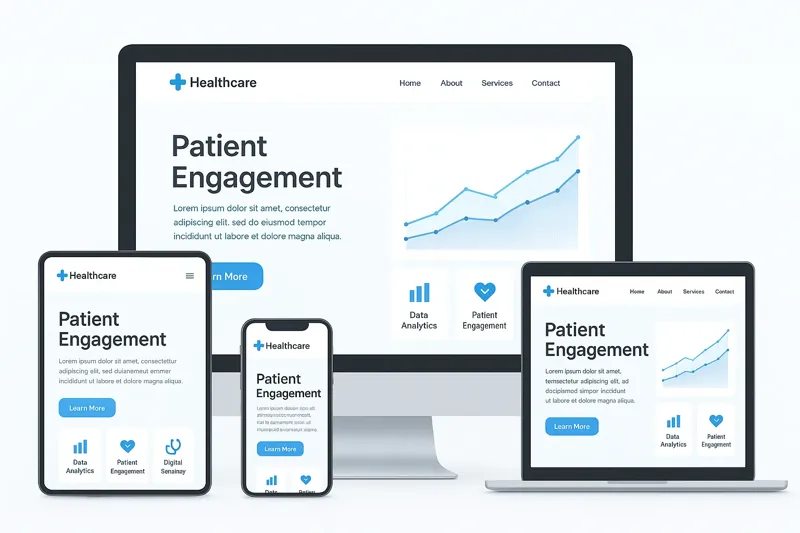
With over half of healthcare website traffic originating from mobile devices, responsive design is mandatory. Ensuring seamless functionality across smartphones and tablets allows patients to access information and services anytime, boosting convenience and engagement. Compliance with HIPAA safeguards patient data privacy, while adherence to ADA and WCAG standards ensures inclusivity for all users, including those with disabilities. These compliance measures underscore professionalism and foster patient confidence.
Maintaining an optimized, secure, and accessible website through redesign is essential for medical practices focused on patient-centered care, operational efficiency, and competitive positioning in the increasingly digital healthcare landscape.
Understanding Digital Marketing’s Impact on Healthcare Practices
What is digital marketing and how can it benefit healthcare practices?
Digital marketing leverages online platforms such as websites, social media, content marketing, search engine optimization (SEO), and pay-per-click (PPC) advertising to promote healthcare services effectively. For healthcare providers, these strategies offer increased visibility and enable targeted outreach to specific patient demographics with personalized messaging.
By adopting digital marketing, healthcare practices can expand their market reach and attract high-value patients more efficiently (Attracting high-value patients). The COVID-19 pandemic accelerated this adoption, highlighting the importance of maintaining accessible communication channels and informative digital resources (Healthcare Digital Marketing).
Additionally, digital marketing improves patient engagement and satisfaction by providing easy access to educational content, online appointment scheduling, and patient reviews (Online Appointment Scheduling). These elements collectively build trust and loyalty, which are critical for long-term success in a competitive healthcare environment (Building Trust with Medical Websites.
Overall, a strategic digital marketing approach helps healthcare providers improve patient care delivery, reduce operational costs, and stay competitive amidst evolving industry demands (Healthcare Digital Marketing.
The Foundations of Compliant and Data-Driven Online Marketing in Healthcare

What are some compliant and data-driven online marketing strategies for medical practices?
Developing effective online marketing strategies for healthcare providers requires a careful balance between data-driven approaches and strict compliance with laws such as HIPAA compliance for healthcare security. Ensuring patient privacy is paramount across all marketing channels.
HIPAA compliance in marketing demands the use of secure analytics tools that protect sensitive information. Platforms like Piwik PRO, which sign Business Associate Agreements (BAAs), are preferred over common analytics tools such as Google Analytics and Facebook, which do not provide adequate assurances regarding protected health information (PHI).
Utilizing local SEO techniques is an effective way to attract patients within a specific geographic area while respecting privacy requirements. This involves optimizing websites using location-specific keywords, maintaining mobile-responsive healthcare websites, and accessible sites, and creating high-quality, informative content that resonates with the local community.
Social media, email, and SMS engagement must be managed carefully to uphold confidentiality. Automated tracking or retargeting that transmits PHI without explicit consent must be avoided. Instead, communications should prioritize opt-in consent and secure messaging.
Regular analysis of collected data enables healthcare marketers to refine campaigns continually, enhancing patient acquisition and retention metrics without compromising compliance. Upholding these practices helps medical practices build trust, protect patient information, and effectively compete in an evolving digital landscape.
Attracting High-Value Patients Through Smart Digital Marketing

How can medical clinics attract high-value patients using digital marketing?
Medical clinics can attract high-value patients by adopting a comprehensive multi-channel marketing strategy. This should include targeted digital advertising via social media and search engines, combined with an optimized local SEO presence to ensure visibility when patients look for nearby healthcare providers. Integration of healthcare-specific CRM systems further personalizes patient communications and enables efficient management of patient relationships.
Data analytics plays a pivotal role by leveraging tools such as predictive analytics and analysis of social determinants of health. These insights help clinics identify patient segments likely to benefit most from services offered, enabling tailored outreach and improved patient conversion rates.
Reputation management is another critical component. Encouraging and managing authentic patient reviews across platforms enhances online reputation and builds patient trust. Maintaining consistent branding and messaging through a professional, user-friendly, and HIPAA-compliant website supports credibility and reassures prospective patients.
Beyond digital outreach, offline strategies like community engagement initiatives, health education events, and partnerships with local organizations can expand reach and attract high-value patients.
Ultimately, implementing online scheduling features and patient portals in healthcare improves patient convenience and satisfaction, which contributes to patient retention and positive word-of-mouth, maximizing the return on digital marketing investments.
The Vital Role of Patient Privacy in Healthcare Digital Marketing
What role does patient privacy play in healthcare digital marketing?
Patient privacy is fundamental in healthcare digital marketing because all marketing initiatives must strictly adhere to regulations such as HIPAA compliance for healthcare security to safeguard Protected Health Information (PHI). Any marketing communication that involves individually identifiable health information requires explicit patient authorization. Exceptions are limited and typically include face-to-face encounters, nominal promotional gifts, or communications related directly to treatment or care coordination rather than marketing.
What are the HIPAA regulations affecting healthcare marketing?
HIPAA compliance for healthcare websites defines clear guidelines to differentiate permissible communications from marketing activities. Marketing messages containing PHI require patient consent, while messages about treatment or coordination of care do not. Healthcare entities must carefully navigate these distinctions to ensure compliance and avoid legal liabilities.
What patient authorization requirements must healthcare marketers observe?
Marketers must obtain explicit written permission from patients before sending marketing communications that include any health information. This consent must be clear and documented. Without this, promotions or advertisements involving PHI could violate privacy laws, resulting in penalties and loss of patient trust.
Which technical safeguards are essential for compliance?
Healthcare organizations must use robust technical protections, including:
- Data encryption for storing and transmitting patient information
- Access controls limiting information to authorized personnel
- Secure communication channels to prevent interception
- Regular system audits and staff training on privacy policies
These safeguards prevent unauthorized disclosure of sensitive patient data while enabling compliant marketing efforts.
Strict attention to patient privacy builds patient trust, supports confidentiality, and preserves the integrity of healthcare marketing strategies. Organizations should engage cybersecurity experts and stay current on evolving regulations to maintain lawful and ethical digital marketing practices.
DemandExperts' Specialized Approach to Healthcare Digital Marketing
How does DemandExperts specialize in healthcare digital marketing?
DemandExperts specializes in Healthcare Digital Marketing by crafting tailored, compliant strategies designed to attract high-value patients effectively. Their expertise lies in a comprehensive understanding of the healthcare sector, which allows them to seamlessly integrate precision targeting with strict HIPAA Compliance for Healthcare Websites across campaigns.
Tailored Marketing Strategies
Their approach begins with detailed discovery sessions, audience analysis, and keyword research. This ensures that every campaign aligns with the unique goals and regulatory requirements of each healthcare organization. They develop strategic plans incorporating SEO, PPC, social media, and Programmatic advertising in healthcare, all customized to enhance patient engagement and promote growth.
HIPAA Compliance
DemandExperts prioritize data privacy and security by embedding HIPAA compliance into every aspect of their marketing tactics. This guarantees that patient data is protected throughout digital interactions, which builds trust and safeguards against regulatory risks.
Data-Driven Tactics and Continuous Optimization
With a focus on measurable outcomes, DemandExperts employ data-driven tactics supported by continuous performance monitoring and analytics. Campaigns are regularly optimized based on real-time insights, ensuring maximum return on investment from day one. Their expertise in healthcare-specific digital channels and trust-building content further elevates online visibility for medical practices and clinics.
Key Indicators That Signal It's Time for a Website Redesign
Outdated Technology and Design
Medical websites with dated visuals or outdated technology negatively impact patient perceptions and reduce credibility. Modern design trends favor minimalism, clean layouts, and authentic, high-quality imagery that convey professionalism and build trust. For insights on winning medical website design strategies and modern medical website design, see these resources.
Slow Performance
Speed is critical; studies show that fast load times around 1.5 seconds or less improve engagement and reduce bounce rates. Websites lagging in page load speed frustrate users, especially on mobile devices, leading to lost patient conversions. Learn more about importance of fast load times and website performance metrics.
Mobile Unfriendliness
With over 55% of healthcare web traffic coming from mobile devices, a lack of mobile responsiveness in healthcare websites significantly hampers patient access and SEO. Responsive design that adapts seamlessly across devices ensures ease of navigation and usability for smartphone and tablet users. Explore mobile-first healthcare web design and mobile responsive medical websites.
Navigation Issues
Cluttered or confusing navigation creates barriers for patients trying to schedule appointments or find information. Intuitive, streamlined menus paired with robust site search functionality enhance user experience and patient engagement by guiding visitors efficiently. See tips on healthcare website navigation and effective healthcare website navigation.
Identifying these signs early is essential, as a well-executed redesign not only modernizes the online presence but also supports patient growth and strengthens trust, vital for competitive U.S. healthcare practices. Check out healthcare website redesign essentials and a practical roadmap for redesigning your healthcare website for guidance.
Essential Design Elements for Modern Medical Practice Websites
Why is mobile responsiveness in healthcare websites critical for healthcare websites?
Mobile responsiveness ensures that healthcare websites function seamlessly across smartphones, tablets, and desktops. With over 55% of healthcare website traffic coming from mobile devices, optimizing for mobile use enhances patient accessibility and supports SEO rankings. Responsive sites not only improve user experience by adapting layout and functionality but also facilitate quicker access to essential features like appointment scheduling and provider searches.
What role does a clean and minimalistic layout play in user experience?
A clean, minimalistic layout reduces visual clutter and cognitive load, allowing users to navigate healthcare websites intuitively. It emphasizes clear information hierarchy and straightforward navigation, which helps patients easily locate necessary services such as telehealth options or medical information. This approach fosters trust and clarity, essential qualities in healthcare digital interactions.
Why are calming color schemes in medical design important in healthcare website design?
Calming color schemes—such as soft blues, greens, and neutrals—reduce patient anxiety and enhance the overall user experience. These colors convey professionalism and serenity, which are crucial in healthcare environments. Incorporating calming palettes helps create a welcoming digital atmosphere that supports patient comfort and encourages engagement.
How does bold typography improve communication on medical websites?
Bold typography improves readability and draws attention to critical content such as calls to action and service highlights. It ensures that information is clear, accessible, and easily scannable, especially for users with visual impairments. Combined with compliance to accessibility standards like WCAG, bold fonts enhance inclusivity and usability.
What is the impact of patient trust through imagery and language in healthcare websites?
High-quality, authentic imagery builds credibility and humanizes medical practices. Incorporating real photos of staff, facilities, and patient interactions fosters trust and emotional connection. Visual storytelling through videos and original images also enriches content engagement and reinforces the practice’s brand identity.
| Design Element | Purpose | Benefits |
|---|---|---|
| Mobile Responsiveness | Seamless access on all device types | Enhances accessibility, supports SEO |
| Clean Layout | Simplifies navigation, reduces distractions | Improves usability and patient trust |
| Calming Colors | Creates relaxing and professional ambiance | Reduces anxiety, enhances user comfort |
| Bold Typography | Enhances readability and highlights key info | Supports inclusivity and clear communication |
| High-Quality Imagery | Builds authenticity and emotional connection | Boosts credibility and patient engagement |
Building Patient Trust Through Functionality and Content
Clear Calls to Action Enhance Patient Engagement
Effective Healthcare Website Calls to Action prioritize clear, empathetic calls to action (CTAs) to guide patients toward desired outcomes such as scheduling appointments or finding providers. CTAs should be prominent, straightforward, and consistent across the user journey to reduce friction and improve patient conversion rates. Simple messaging paired with uncluttered design fosters ease of use, especially on mobile devices where the majority of visitors engage.
Secure Appointment Scheduling Tools Build Confidence
Incorporating HIPAA Compliance for Healthcare Websites online scheduling tools is essential in establishing trust. These tools enable patients to book appointments conveniently while protecting sensitive health data. Security features such as Healthcare website encryption and secure hosting protocols reassure users about privacy. Offering real-time availability and confirmation streamlines patient experience and supports practice efficiency.
Patient Portals and Online Bill Pay Improve Convenience
Patient portals that provide access to medical records, test results, and communications enhance transparency and control, strengthening trust. Integration of secure Online Bill Pay Options simplifies financial transactions, fostering a seamless patient journey from care to payment. These features meet modern patient expectations for digital convenience and privacy compliance.
Authentic Patient Testimonials Foster Emotional Trust
Displaying authentic patient testimonials and success stories—preferably with photos or videos—humanizes the healthcare experience. These narratives offer social proof, reinforcing credibility and emotional connection. Clinically relevant testimonials boost confidence and encourage prospective patients to engage with the provider.
Expert-Reviewed Educational Content Establishes Authority
Content created or reviewed by medical experts on a website assures users of accurate, trustworthy information. Providing accessible, easy-to-understand health education materials supports informed decision-making and builds patient confidence. Such resources also improve search engine credibility and patient retention.
| Feature | Benefits | Best Practices |
|---|---|---|
| Clear Calls to Action | Higher engagement and conversions | Empathetic language, strategic placement |
| Secure Scheduling Tools | Privacy, convenience | HIPAA compliance, encryption, real-time availability |
| Patient Portals & Online Pay | Transparency, ease of use | Integrated systems, secure authentication |
| Patient Testimonials | Emotional connection, trust | Authentic, multimedia formats |
| Expert Educational Content | Authority, patient education | Expert review, clear language, frequent updates |
Accessibility and Compliance: Meeting Legal and Ethical Standards

How do healthcare websites comply with WCAG guidelines and ADA accessibility standards?
Healthcare websites in the U.S. are legally required to comply with the Americans with Disabilities Act (ADA), which mandates accessible digital experiences. Compliance typically involves adhering to WCAG 2.1 AA Accessibility Standards, with many organizations preparing to meet WCAG 3.0 standards by 2026. These guidelines ensure websites accommodate users of varying abilities, supporting inclusive access to important medical information.
What features enhance healthcare website usability for users with disabilities?
Accessibility features integrated into healthcare sites include screen reader compatibility, keyboard navigation, alt text for images, high-contrast fonts, and large clickable buttons. These elements collectively improve navigation and content consumption for users with visual, motor, or cognitive impairments. For example, large buttons and clear fonts as demonstrated by sites like Rest Assured Accessibility, promote easier interaction.
How are HIPAA data security measures implemented to protect patient information?
Data security on healthcare websites is paramount, requiring strict adherence to HIPAA regulations. Enforcement includes HTTPS encryption protocols, secure hosting environments, encrypted forms, and two-factor authentication to safeguard sensitive patient health information. HIPAA compliance for healthcare security not only secures data but also enhances patient trust in digital platforms.
How is accessibility integrated early in the healthcare website design process?
Modern healthcare web design embeds accessibility considerations from the initial planning stages. This proactive integration ensures that compliance with ADA and HIPAA Compliance Integration is built into the foundation, rather than retrofitting later. Design trends for 2026 emphasize seamless compliance paired with minimalist and calming color schemes in medical design to reduce patient anxiety while supporting usability.
The convergence of accessibility features for healthcare, usability, and security standards ensures healthcare digital platforms provide equitable, safe, and trustworthy experiences. This approach not only satisfies legal and ethical standards but also fosters patient engagement and community trust in healthcare services online.
Enhancing User Experience with Smart Navigation and Search
Simple Navigation Structures
Healthcare websites must prioritize simplicity in healthcare website design to ensure patients can find information quickly and without frustration. Clutter-free menus with clearly labeled categories reduce cognitive load, guiding users intuitively through their journey. Incorporating easily recognizable clear CTAs in healthcare sites such as "Schedule an Appointment" or "Find a Provider," supports patient goals effectively.
Advanced AI-Powered Search Functions
Integrating AI-driven search functionalities enhances the healthcare website usability features by predicting and suggesting relevant terminology and topics. Features like autocomplete and natural language processing help visitors locate specific health information swiftly. Mayo Clinic exemplifies successful implementation with detailed, easy-to-scan search results that cater to diverse patient inquiries.
Provider Directories with Filtering Options
Robust provider directories including multi-faceted filtering—for example, by specialty, location, or insurance accepted—empower users to pinpoint suitable healthcare professionals efficiently. This not only supports care coordination but also boosts patient engagement by simplifying the provider search functionality process.
Streamlined User Journeys
Designing focused, tailored workflows aligned with distinct user needs enhances engagement and conversion. Clear, linear paths such as streamlined clinical trial enrollment or appointment scheduling reduce barriers and improve completion rates. HealthMatch's single-minded approach to user journeys is a leading example.
By implementing smart navigation and advanced search capabilities, healthcare websites can significantly improve seamless user journeys in medical design, reduce patient anxiety, and foster trust, ultimately driving measurable patient growth and satisfaction.
Leveraging Analytics and Ongoing Maintenance for Website Success
Analytics Setup and Monitoring
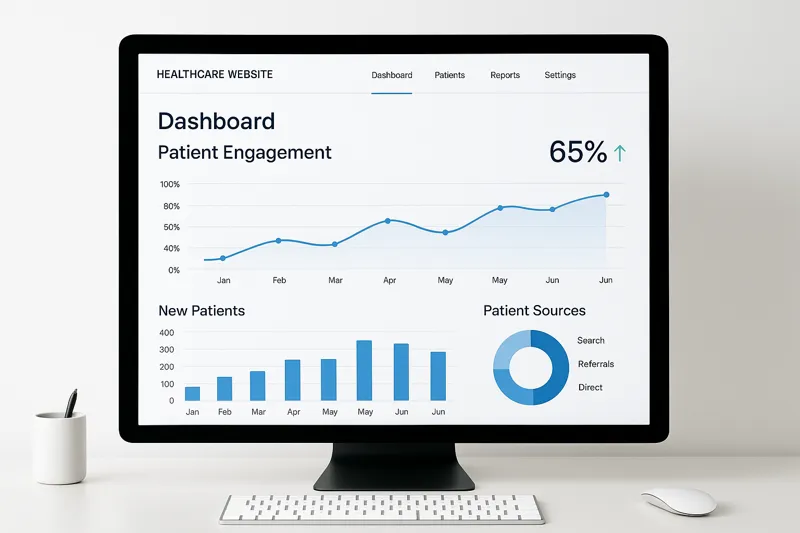
Establishing comprehensive analytics is essential for healthcare websites to measure patient engagement and site effectiveness. Integrating tools like website analytics for medical practices, along with healthcare-specific platforms such as the Doctor Portal, enables detailed tracking of user interactions and workflow efficiency.
User Behavior Tracking
Monitoring how patients navigate the website—including appointment scheduling paths, provider searches, and content consumption—provides invaluable insights. This data allows practices to tailor seamless user journeys in medical design, identify impediments, and enhance overall website usability to meet patient needs.
Regular Security and Performance Updates
Maintaining HIPAA compliance for healthcare security, HTTPS protocols, and encrypted patient data forms is critical. Routine audits and software updates ensure vigilance against vulnerabilities and guarantee that fast load times for medical websites, fostering patient trust and engagement.
Content Refresh and SEO Optimization
Consistently updating website content with accurate, clear, and medical expert-reviewed content improves search engine rankings and user relevance. SEO efforts including structured data for healthcare websites maintain visibility in an increasingly competitive healthcare marketplace.
Continuous User Testing
Ongoing usability testing involving real patient feedback refines site navigation, accessibility, and responsiveness across devices. Iterative improvements based on testing outcomes reduce post-launch issues and enhance patient satisfaction, aligning the website with evolving visitor expectations and healthcare website design principles.
Creating Future-Ready Healthcare Websites That Build Trust and Drive Growth
Importance of Ongoing Updates and Audits
Healthcare websites require continuous updates and regular audits to maintain security, accessibility, and performance. Frequent reviews help ensure HIPAA compliance, address new regulatory requirements, and protect sensitive patient data. Keeping content fresh and SEO-optimized boosts visibility and patient engagement, while site speed and stability audits enhance user experience, particularly on mobile devices where most users access healthcare information.
Balancing Compliance with Patient-Centered Design
Combining strict adherence to regulations like HIPAA, ADA, and WCAG with a patient-centered, empathetic design approach is essential. Websites must be secure yet welcoming—utilizing calming colors, clear calls to action, and intuitive navigation to reduce patient anxiety. Accessibility features such as large buttons, readable fonts, and screen reader compatibility ensure inclusivity without compromising compliance.
Aligning Websites with Practice Goals and Digital Marketing Efforts
Successful healthcare websites strategically reflect organizational objectives, from improving access to care to growing patient volumes. Integrating appointment scheduling, provider directories, and patient portals streamlines user journeys and supports digital marketing campaigns. Analytics tools provide actionable insights into patient behavior, guiding ongoing optimization tailored to community needs and business targets. This alignment maximizes return on investment and fosters sustained patient growth.
The Critical Role of Website Redesigns in Modern Medical Practices
Importance of Website Redesign for Medical Practices
Medical practice websites serve as the crucial digital front door, often shaping a patient’s first impression. Over time, growth in services or changes in organizational goals can render an existing site outdated, cluttered, or difficult to manage. A website redesign aligns the platform with evolving healthcare demands, improving navigation, performance, and security. This strategic update supports improved access to care and reflects the practice’s brand and values effectively.
Impact on Patient Engagement and Trust
Redesigning healthcare websites significantly enhances patient engagement by delivering clear, concise information relevant to patient needs. Incorporating authentic visuals, patient testimonials, and transparent content builds credibility. Trust is further strengthened through compliance with healthcare standards such as HIPAA and accessibility guidelines like WCAG. Clear calls-to-action facilitate meaningful patient interactions, such as scheduling appointments or finding providers, reducing anxiety and uncertainty in healthcare decisions.
Role of Mobile Responsiveness and Compliance
With over half of healthcare website traffic originating from mobile devices, responsive design is mandatory. Ensuring seamless functionality across smartphones and tablets allows patients to access information and services anytime, boosting convenience and engagement. Compliance with HIPAA safeguards patient data privacy, while adherence to ADA and WCAG standards ensures inclusivity for all users, including those with disabilities. These compliance measures underscore professionalism and foster patient confidence.
Maintaining an optimized, secure, and accessible website through redesign is essential for medical practices focused on patient-centered care, operational efficiency, and competitive positioning in the increasingly digital healthcare landscape.
Understanding Digital Marketing’s Impact on Healthcare Practices
What is digital marketing and how can it benefit healthcare practices?
Digital marketing leverages online platforms such as websites, social media, content marketing, search engine optimization (SEO), and pay-per-click (PPC) advertising to promote healthcare services effectively. For healthcare providers, these strategies offer increased visibility and enable targeted outreach to specific patient demographics with personalized messaging.
By adopting digital marketing, healthcare practices can expand their market reach and attract high-value patients more efficiently (Attracting high-value patients). The COVID-19 pandemic accelerated this adoption, highlighting the importance of maintaining accessible communication channels and informative digital resources (Healthcare Digital Marketing).
Additionally, digital marketing improves patient engagement and satisfaction by providing easy access to educational content, online appointment scheduling, and patient reviews (Online Appointment Scheduling). These elements collectively build trust and loyalty, which are critical for long-term success in a competitive healthcare environment (Building Trust with Medical Websites.
Overall, a strategic digital marketing approach helps healthcare providers improve patient care delivery, reduce operational costs, and stay competitive amidst evolving industry demands (Healthcare Digital Marketing.
The Foundations of Compliant and Data-Driven Online Marketing in Healthcare
What are some compliant and data-driven online marketing strategies for medical practices?
Developing effective online marketing strategies for healthcare providers requires a careful balance between data-driven approaches and strict compliance with laws such as HIPAA compliance for healthcare security. Ensuring patient privacy is paramount across all marketing channels.
HIPAA compliance in marketing demands the use of secure analytics tools that protect sensitive information. Platforms like Piwik PRO, which sign Business Associate Agreements (BAAs), are preferred over common analytics tools such as Google Analytics and Facebook, which do not provide adequate assurances regarding protected health information (PHI).
Utilizing local SEO techniques is an effective way to attract patients within a specific geographic area while respecting privacy requirements. This involves optimizing websites using location-specific keywords, maintaining mobile-responsive healthcare websites, and accessible sites, and creating high-quality, informative content that resonates with the local community.
Social media, email, and SMS engagement must be managed carefully to uphold confidentiality. Automated tracking or retargeting that transmits PHI without explicit consent must be avoided. Instead, communications should prioritize opt-in consent and secure messaging.
Regular analysis of collected data enables healthcare marketers to refine campaigns continually, enhancing patient acquisition and retention metrics without compromising compliance. Upholding these practices helps medical practices build trust, protect patient information, and effectively compete in an evolving digital landscape.
Attracting High-Value Patients Through Smart Digital Marketing
How can medical clinics attract high-value patients using digital marketing?
Medical clinics can attract high-value patients by adopting a comprehensive multi-channel marketing strategy. This should include targeted digital advertising via social media and search engines, combined with an optimized local SEO presence to ensure visibility when patients look for nearby healthcare providers. Integration of healthcare-specific CRM systems further personalizes patient communications and enables efficient management of patient relationships.
Data analytics plays a pivotal role by leveraging tools such as predictive analytics and analysis of social determinants of health. These insights help clinics identify patient segments likely to benefit most from services offered, enabling tailored outreach and improved patient conversion rates.
Reputation management is another critical component. Encouraging and managing authentic patient reviews across platforms enhances online reputation and builds patient trust. Maintaining consistent branding and messaging through a professional, user-friendly, and HIPAA-compliant website supports credibility and reassures prospective patients.
Beyond digital outreach, offline strategies like community engagement initiatives, health education events, and partnerships with local organizations can expand reach and attract high-value patients.
Ultimately, implementing online scheduling features and patient portals in healthcare improves patient convenience and satisfaction, which contributes to patient retention and positive word-of-mouth, maximizing the return on digital marketing investments.
The Vital Role of Patient Privacy in Healthcare Digital Marketing
What role does patient privacy play in healthcare digital marketing?
Patient privacy is fundamental in healthcare digital marketing because all marketing initiatives must strictly adhere to regulations such as HIPAA compliance for healthcare security to safeguard Protected Health Information (PHI). Any marketing communication that involves individually identifiable health information requires explicit patient authorization. Exceptions are limited and typically include face-to-face encounters, nominal promotional gifts, or communications related directly to treatment or care coordination rather than marketing.
What are the HIPAA regulations affecting healthcare marketing?
HIPAA compliance for healthcare websites defines clear guidelines to differentiate permissible communications from marketing activities. Marketing messages containing PHI require patient consent, while messages about treatment or coordination of care do not. Healthcare entities must carefully navigate these distinctions to ensure compliance and avoid legal liabilities.
What patient authorization requirements must healthcare marketers observe?
Marketers must obtain explicit written permission from patients before sending marketing communications that include any health information. This consent must be clear and documented. Without this, promotions or advertisements involving PHI could violate privacy laws, resulting in penalties and loss of patient trust.
Which technical safeguards are essential for compliance?
Healthcare organizations must use robust technical protections, including:
- Data encryption for storing and transmitting patient information
- Access controls limiting information to authorized personnel
- Secure communication channels to prevent interception
- Regular system audits and staff training on privacy policies
These safeguards prevent unauthorized disclosure of sensitive patient data while enabling compliant marketing efforts.
Strict attention to patient privacy builds patient trust, supports confidentiality, and preserves the integrity of healthcare marketing strategies. Organizations should engage cybersecurity experts and stay current on evolving regulations to maintain lawful and ethical digital marketing practices.
DemandExperts' Specialized Approach to Healthcare Digital Marketing
How does DemandExperts specialize in healthcare digital marketing?
DemandExperts specializes in Healthcare Digital Marketing by crafting tailored, compliant strategies designed to attract high-value patients effectively. Their expertise lies in a comprehensive understanding of the healthcare sector, which allows them to seamlessly integrate precision targeting with strict HIPAA Compliance for Healthcare Websites across campaigns.
Tailored Marketing Strategies
Their approach begins with detailed discovery sessions, audience analysis, and keyword research. This ensures that every campaign aligns with the unique goals and regulatory requirements of each healthcare organization. They develop strategic plans incorporating SEO, PPC, social media, and Programmatic advertising in healthcare, all customized to enhance patient engagement and promote growth.
HIPAA Compliance
DemandExperts prioritize data privacy and security by embedding HIPAA compliance into every aspect of their marketing tactics. This guarantees that patient data is protected throughout digital interactions, which builds trust and safeguards against regulatory risks.
Data-Driven Tactics and Continuous Optimization
With a focus on measurable outcomes, DemandExperts employ data-driven tactics supported by continuous performance monitoring and analytics. Campaigns are regularly optimized based on real-time insights, ensuring maximum return on investment from day one. Their expertise in healthcare-specific digital channels and trust-building content further elevates online visibility for medical practices and clinics.
Key Indicators That Signal It's Time for a Website Redesign
Outdated Technology and Design
Medical websites with dated visuals or outdated technology negatively impact patient perceptions and reduce credibility. Modern design trends favor minimalism, clean layouts, and authentic, high-quality imagery that convey professionalism and build trust. For insights on winning medical website design strategies and modern medical website design, see these resources.
Slow Performance
Speed is critical; studies show that fast load times around 1.5 seconds or less improve engagement and reduce bounce rates. Websites lagging in page load speed frustrate users, especially on mobile devices, leading to lost patient conversions. Learn more about importance of fast load times and website performance metrics.
Mobile Unfriendliness
With over 55% of healthcare web traffic coming from mobile devices, a lack of mobile responsiveness in healthcare websites significantly hampers patient access and SEO. Responsive design that adapts seamlessly across devices ensures ease of navigation and usability for smartphone and tablet users. Explore mobile-first healthcare web design and mobile responsive medical websites.
Navigation Issues
Cluttered or confusing navigation creates barriers for patients trying to schedule appointments or find information. Intuitive, streamlined menus paired with robust site search functionality enhance user experience and patient engagement by guiding visitors efficiently. See tips on healthcare website navigation and effective healthcare website navigation.
Identifying these signs early is essential, as a well-executed redesign not only modernizes the online presence but also supports patient growth and strengthens trust, vital for competitive U.S. healthcare practices. Check out healthcare website redesign essentials and a practical roadmap for redesigning your healthcare website for guidance.
Essential Design Elements for Modern Medical Practice Websites
Why is mobile responsiveness in healthcare websites critical for healthcare websites?
Mobile responsiveness ensures that healthcare websites function seamlessly across smartphones, tablets, and desktops. With over 55% of healthcare website traffic coming from mobile devices, optimizing for mobile use enhances patient accessibility and supports SEO rankings. Responsive sites not only improve user experience by adapting layout and functionality but also facilitate quicker access to essential features like appointment scheduling and provider searches.
What role does a clean and minimalistic layout play in user experience?
A clean, minimalistic layout reduces visual clutter and cognitive load, allowing users to navigate healthcare websites intuitively. It emphasizes clear information hierarchy and straightforward navigation, which helps patients easily locate necessary services such as telehealth options or medical information. This approach fosters trust and clarity, essential qualities in healthcare digital interactions.
Why are calming color schemes in medical design important in healthcare website design?
Calming color schemes—such as soft blues, greens, and neutrals—reduce patient anxiety and enhance the overall user experience. These colors convey professionalism and serenity, which are crucial in healthcare environments. Incorporating calming palettes helps create a welcoming digital atmosphere that supports patient comfort and encourages engagement.
How does bold typography improve communication on medical websites?
Bold typography improves readability and draws attention to critical content such as calls to action and service highlights. It ensures that information is clear, accessible, and easily scannable, especially for users with visual impairments. Combined with compliance to accessibility standards like WCAG, bold fonts enhance inclusivity and usability.
What is the impact of patient trust through imagery and language in healthcare websites?
High-quality, authentic imagery builds credibility and humanizes medical practices. Incorporating real photos of staff, facilities, and patient interactions fosters trust and emotional connection. Visual storytelling through videos and original images also enriches content engagement and reinforces the practice’s brand identity.
| Design Element | Purpose | Benefits |
|---|---|---|
| Mobile Responsiveness | Seamless access on all device types | Enhances accessibility, supports SEO |
| Clean Layout | Simplifies navigation, reduces distractions | Improves usability and patient trust |
| Calming Colors | Creates relaxing and professional ambiance | Reduces anxiety, enhances user comfort |
| Bold Typography | Enhances readability and highlights key info | Supports inclusivity and clear communication |
| High-Quality Imagery | Builds authenticity and emotional connection | Boosts credibility and patient engagement |
Building Patient Trust Through Functionality and Content
Clear Calls to Action Enhance Patient Engagement
Effective Healthcare Website Calls to Action prioritize clear, empathetic calls to action (CTAs) to guide patients toward desired outcomes such as scheduling appointments or finding providers. CTAs should be prominent, straightforward, and consistent across the user journey to reduce friction and improve patient conversion rates. Simple messaging paired with uncluttered design fosters ease of use, especially on mobile devices where the majority of visitors engage.
Secure Appointment Scheduling Tools Build Confidence
Incorporating HIPAA Compliance for Healthcare Websites online scheduling tools is essential in establishing trust. These tools enable patients to book appointments conveniently while protecting sensitive health data. Security features such as Healthcare website encryption and secure hosting protocols reassure users about privacy. Offering real-time availability and confirmation streamlines patient experience and supports practice efficiency.
Patient Portals and Online Bill Pay Improve Convenience
Patient portals that provide access to medical records, test results, and communications enhance transparency and control, strengthening trust. Integration of secure Online Bill Pay Options simplifies financial transactions, fostering a seamless patient journey from care to payment. These features meet modern patient expectations for digital convenience and privacy compliance.
Authentic Patient Testimonials Foster Emotional Trust
Displaying authentic patient testimonials and success stories—preferably with photos or videos—humanizes the healthcare experience. These narratives offer social proof, reinforcing credibility and emotional connection. Clinically relevant testimonials boost confidence and encourage prospective patients to engage with the provider.
Expert-Reviewed Educational Content Establishes Authority
Content created or reviewed by medical experts on a website assures users of accurate, trustworthy information. Providing accessible, easy-to-understand health education materials supports informed decision-making and builds patient confidence. Such resources also improve search engine credibility and patient retention.
| Feature | Benefits | Best Practices |
|---|---|---|
| Clear Calls to Action | Higher engagement and conversions | Empathetic language, strategic placement |
| Secure Scheduling Tools | Privacy, convenience | HIPAA compliance, encryption, real-time availability |
| Patient Portals & Online Pay | Transparency, ease of use | Integrated systems, secure authentication |
| Patient Testimonials | Emotional connection, trust | Authentic, multimedia formats |
| Expert Educational Content | Authority, patient education | Expert review, clear language, frequent updates |
Accessibility and Compliance: Meeting Legal and Ethical Standards
How do healthcare websites comply with WCAG guidelines and ADA accessibility standards?
Healthcare websites in the U.S. are legally required to comply with the Americans with Disabilities Act (ADA), which mandates accessible digital experiences. Compliance typically involves adhering to WCAG 2.1 AA Accessibility Standards, with many organizations preparing to meet WCAG 3.0 standards by 2026. These guidelines ensure websites accommodate users of varying abilities, supporting inclusive access to important medical information.
What features enhance healthcare website usability for users with disabilities?
Accessibility features integrated into healthcare sites include screen reader compatibility, keyboard navigation, alt text for images, high-contrast fonts, and large clickable buttons. These elements collectively improve navigation and content consumption for users with visual, motor, or cognitive impairments. For example, large buttons and clear fonts as demonstrated by sites like Rest Assured Accessibility, promote easier interaction.
How are HIPAA data security measures implemented to protect patient information?
Data security on healthcare websites is paramount, requiring strict adherence to HIPAA regulations. Enforcement includes HTTPS encryption protocols, secure hosting environments, encrypted forms, and two-factor authentication to safeguard sensitive patient health information. HIPAA compliance for healthcare security not only secures data but also enhances patient trust in digital platforms.
How is accessibility integrated early in the healthcare website design process?
Modern healthcare web design embeds accessibility considerations from the initial planning stages. This proactive integration ensures that compliance with ADA and HIPAA Compliance Integration is built into the foundation, rather than retrofitting later. Design trends for 2026 emphasize seamless compliance paired with minimalist and calming color schemes in medical design to reduce patient anxiety while supporting usability.
The convergence of accessibility features for healthcare, usability, and security standards ensures healthcare digital platforms provide equitable, safe, and trustworthy experiences. This approach not only satisfies legal and ethical standards but also fosters patient engagement and community trust in healthcare services online.
Enhancing User Experience with Smart Navigation and Search
Simple Navigation Structures
Healthcare websites must prioritize simplicity in healthcare website design to ensure patients can find information quickly and without frustration. Clutter-free menus with clearly labeled categories reduce cognitive load, guiding users intuitively through their journey. Incorporating easily recognizable clear CTAs in healthcare sites such as "Schedule an Appointment" or "Find a Provider," supports patient goals effectively.
Advanced AI-Powered Search Functions
Integrating AI-driven search functionalities enhances the healthcare website usability features by predicting and suggesting relevant terminology and topics. Features like autocomplete and natural language processing help visitors locate specific health information swiftly. Mayo Clinic exemplifies successful implementation with detailed, easy-to-scan search results that cater to diverse patient inquiries.
Provider Directories with Filtering Options
Robust provider directories including multi-faceted filtering—for example, by specialty, location, or insurance accepted—empower users to pinpoint suitable healthcare professionals efficiently. This not only supports care coordination but also boosts patient engagement by simplifying the provider search functionality process.
Streamlined User Journeys
Designing focused, tailored workflows aligned with distinct user needs enhances engagement and conversion. Clear, linear paths such as streamlined clinical trial enrollment or appointment scheduling reduce barriers and improve completion rates. HealthMatch's single-minded approach to user journeys is a leading example.
By implementing smart navigation and advanced search capabilities, healthcare websites can significantly improve seamless user journeys in medical design, reduce patient anxiety, and foster trust, ultimately driving measurable patient growth and satisfaction.
Leveraging Analytics and Ongoing Maintenance for Website Success
Analytics Setup and Monitoring
Establishing comprehensive analytics is essential for healthcare websites to measure patient engagement and site effectiveness. Integrating tools like website analytics for medical practices, along with healthcare-specific platforms such as the Doctor Portal, enables detailed tracking of user interactions and workflow efficiency.
User Behavior Tracking
Monitoring how patients navigate the website—including appointment scheduling paths, provider searches, and content consumption—provides invaluable insights. This data allows practices to tailor seamless user journeys in medical design, identify impediments, and enhance overall website usability to meet patient needs.
Regular Security and Performance Updates
Maintaining HIPAA compliance for healthcare security, HTTPS protocols, and encrypted patient data forms is critical. Routine audits and software updates ensure vigilance against vulnerabilities and guarantee that fast load times for medical websites, fostering patient trust and engagement.
Content Refresh and SEO Optimization
Consistently updating website content with accurate, clear, and medical expert-reviewed content improves search engine rankings and user relevance. SEO efforts including structured data for healthcare websites maintain visibility in an increasingly competitive healthcare marketplace.
Continuous User Testing
Ongoing usability testing involving real patient feedback refines site navigation, accessibility, and responsiveness across devices. Iterative improvements based on testing outcomes reduce post-launch issues and enhance patient satisfaction, aligning the website with evolving visitor expectations and healthcare website design principles.
Creating Future-Ready Healthcare Websites That Build Trust and Drive Growth
Importance of Ongoing Updates and Audits
Healthcare websites require continuous updates and regular audits to maintain security, accessibility, and performance. Frequent reviews help ensure HIPAA compliance, address new regulatory requirements, and protect sensitive patient data. Keeping content fresh and SEO-optimized boosts visibility and patient engagement, while site speed and stability audits enhance user experience, particularly on mobile devices where most users access healthcare information.
Balancing Compliance with Patient-Centered Design
Combining strict adherence to regulations like HIPAA, ADA, and WCAG with a patient-centered, empathetic design approach is essential. Websites must be secure yet welcoming—utilizing calming colors, clear calls to action, and intuitive navigation to reduce patient anxiety. Accessibility features such as large buttons, readable fonts, and screen reader compatibility ensure inclusivity without compromising compliance.
Aligning Websites with Practice Goals and Digital Marketing Efforts
Successful healthcare websites strategically reflect organizational objectives, from improving access to care to growing patient volumes. Integrating appointment scheduling, provider directories, and patient portals streamlines user journeys and supports digital marketing campaigns. Analytics tools provide actionable insights into patient behavior, guiding ongoing optimization tailored to community needs and business targets. This alignment maximizes return on investment and fosters sustained patient growth.