.png)


Introduction: Navigating the Dual Imperative of Compliance and Creativity in Healthcare Marketing
Overview of Healthcare Marketing Challenges
Healthcare marketing operates at the intersection of strict regulatory frameworks and the urgent need to engage and grow patient populations effectively. Marketers must comply with laws like HIPAA, GDPR, and CMS Medicare guidelines, which govern patient information protection, promotional communication, and ethical interactions. Simultaneously, they face the challenge of differentiating their services in an increasingly competitive market where digital transformation and consumer empowerment shape expectations.
Importance of Compliance Alongside Innovation
Compliance is not merely a legal obligation but a critical pillar that ensures marketing efforts build patient trust and organizational credibility. Yet, restrictive regulations can limit creative freedom. Successful healthcare marketing balances these demands by leveraging technology-driven solutions—such as AI-enabled compliance monitoring and privacy-focused data analytics—that safeguard sensitive information while enabling personalized and impactful messaging.
Role of Collaboration for Success
Effective healthcare marketing requires concerted collaboration among marketing teams, legal and compliance departments, technology experts, and external partners. This multidisciplinary approach fosters innovative thinking within regulatory boundaries, enabling organizations to implement compliant campaigns that resonate with audiences. By aligning strategic goals and sharing expertise, teams can transform regulatory complexity from a barrier into an opportunity for creative, trustworthy patient engagement.
The Regulatory Landscape Shaping Healthcare Marketing
What are the key laws impacting healthcare marketing?
Healthcare marketing operates under stringent laws that govern patient information and promotional practices. The Health Insurance Portability and Accountability Act (HIPAA) protects patients' Protected Health Information (PHI) by requiring confidentiality and setting strict guidelines to prevent unauthorized disclosures. Similarly, the General Data Protection Regulation (GDPR) enforces transparency on data collection and mandates explicit consent for using personal data, impacting strategies internationally.
The Stark Law prohibits physician referrals for designated health services to entities with financial ties, emphasizing strict liability regardless of intent. The Anti-Kickback Statute (AKS) criminalizes exchanging anything of value for referrals under federal healthcare programs, imposing both civil and criminal penalties.
What are the marketing restrictions concerning PHI and patient consent?
HIPAA requires marketers to obtain explicit patient authorization before using PHI in marketing communications, with limited exceptions such as face-to-face interactions or nominal gifts. Communications about services provided by the healthcare entity are often exempt but must comply with privacy safeguards. Marketing channels—digital or otherwise—must ensure secure data transmission, preventing PHI disclosure in emails, social media, and websites.
What are the consequences of non-compliance, and why is legal adherence vital?
Non-compliance with HIPAA and other regulations can lead to severe penalties, including fines ranging from $137 to over $2 million per violation and possible criminal prosecution resulting in jail time. Violations tarnish organizational reputation and reduce patient trust, highlighting the critical need for adherence through staff training, legal collaboration, and compliance monitoring. See also Healthcare marketing compliance.
How do marketing activities differ from treatment and case management communications?
Treatment, case management, and care coordination communications are distinct from marketing activities and do not require patient authorization for using PHI. Marketing seeks to encourage use or purchase of services, while treatment-related communications focus on patient care delivery without promotional intent. Understanding these distinctions helps healthcare organizations maintain compliant, clear communication strategies.
This regulatory framework shapes healthcare marketing strategies, demanding creativity balanced with legal caution to protect patient privacy and build trust while effectively engaging audiences.
Leveraging Technology and AI for Compliance and Creativity

How Does AI Enhance Compliance Monitoring and Automated Checks?
Healthcare marketing operates under stringent regulations such as HIPAA and GDPR, making compliance a critical concern. AI plays a crucial role in real-time compliance monitoring by automatically scanning marketing content to detect prohibited language, unverified claims, or privacy concerns. Tools like Filestage compliance tool use AI to review marketing materials ensuring disclaimers are present and unauthorized terms are removed, reducing human error and accelerating approval workflows.
How Can AI Enable Personalization While Respecting Privacy?
AI-driven marketing personalization in healthcare marketing leverages de-identified patient data analysis to segment audiences accurately based on demographics, health conditions, and engagement patterns without compromising protected health information (PHI). This approach builds trust through relevant messaging while maintaining privacy standards.
What Compliance-Focused Tools Support Healthcare Marketers?
Several specialized platforms empower healthcare marketers:
- Freshpaint and Tealium for data privacy: Enables privacy-compliant data collection and analysis, with Business Associate Agreements (BAAs) to secure sensitive data.
- Filestage: Uses AI for ensuring content compliance and legal scrutiny.
- Microsoft Azure Purview AI: Offers automated anonymization and masking of personal health information.
These tools offer built-in safeguards to maintain regulatory adherence while supporting innovative marketing strategies.
Why Are Partnerships with Technology Vendors Important?
Collaborations with vendors providing Freshpaint BAAs for privacy strengthen data governance and clarify roles in data handling. These partnerships ensure that marketing teams align with HIPAA compliance in marketing, enabling legally compliant sharing and processing of health data necessary for insightful analytics and personalization.
What Are the Benefits of AI-Powered Chatbots and Social Media Monitoring?
AI-powered chatbots in healthcare enhance patient engagement by delivering accurate health information promptly, reducing the spread of misinformation. Additionally, social media scanning for misinformation identifies and flags misleading health content, safeguarding brand credibility and promoting trust.
Why Is Maintaining a Compliant Technology Stack Critical?
An integrated and compliant technology ecosystem—building on secure data platforms, AI compliance tools, and privacy-protective personalization techniques—is essential. This infrastructure supports seamless coordination between marketing, compliance, and technology teams, fostering innovation aligned with regulatory frameworks and delivering measurable patient growth outcomes.
Creative Marketing Strategies That Respect Privacy

Non-intrusive personalization techniques
Healthcare marketers can achieve personalization without infringing on consumer privacy by employing simple, non-intrusive approaches. These methods focus on general patient interests and pain points rather than detailed profiling, thus maintaining compliance with HIPAA compliance in marketing and GDPR. For example, addressing common health concerns in messaging allows engagement without exposing personal health information.
Use of aggregated data and anonymized analytics
Analyzing aggregated data such as overall website traffic, page views, and video completion rates enables marketers to gain valuable insights while preserving patient anonymity. Techniques like scrubbing server logs of sensitive data and leveraging AI-powered tools, such as Freshpaint and Tealium for data privacy, help ensure compliance by anonymizing data and securing Business Associate Agreements (BAAs).
Contextual advertising and addressing universal patient pain points
Contextual advertising on healthcare-related websites offers a strategic way to target audiences without collecting personal identifiers. By focusing on universal patient pain points—such as managing chronic conditions or navigating healthcare access—organizations deliver relevant messages that resonate broadly while respecting privacy regulations. This aligns with Healthcare Marketer Privacy Strategies.
Email, SMS, and EHR systems as compliant personalization channels
Internal data sources including patient records and email lists can be utilized for compliant personalized outreach through channels like email, SMS, and Electronic Health Record (EHR) systems. These direct communication methods maintain privacy standards through encryption and explicit consent management, offering effective ways to nurture patient relationships, consistent with personalized communications via compliant channels.
Innovative storytelling to humanize healthcare brands while ensuring compliance
Creative storytelling is instrumental in humanizing healthcare brands and fostering emotional connections without risking regulatory breaches. By grounding campaigns in data-driven, authentic narratives, marketers can communicate empathy and trust, leveraging memorable content while adhering to strict compliance guidelines. This approach enhances brand differentiation and patient engagement in a highly regulated environment, supported by insights from Creative storytelling in healthcare marketing.
The Collaborative Approach: Integrating Marketing, Compliance, and Technology Teams
Why Is Cross-Departmental Collaboration Essential in Healthcare Marketing?
Healthcare marketing demands the integration of diverse expertise—marketing creativity, legal and regulatory oversight, and IT security. Collaboration among marketing, legal, compliance, and technology teams is critical to navigate complex regulations such as HIPAA, GDPR, and FDA rules while driving innovative campaigns.
How Should Regulatory and Medical Teams Be Involved Early?
Involving legal, compliance, and medical professionals early in campaign planning helps prevent costly delays and regulatory breaches. Early engagement ensures marketing materials and digital content align with medical accuracy and legal requirements, reducing risks of misinformation or compliance violations.
What Are the Benefits of Proactive Compliance Engagement?
Proactive compliance involvement fosters trust internally and externally. It streamlines approval processes, facilitates real-time monitoring of marketing activities, and supports the implementation of automated compliance tools. This approach minimizes risk of fines, maintains organizational reputation, and enables agile marketing innovation.
How Can Leadership Align Marketing and Technology Goals?
Strategic alignment between the Chief Marketing Officer (CMO), Chief Technology Officer (CTO), Chief Information Officer (CIO), and Chief Financial Officer (CFO) is essential. This unified leadership ensures investments in compliant technology platforms, integration of analytics tools, and effective resource allocation for marketing initiatives.
What Procedures Enhance Compliance in Social Media and Content?
Establishing formal approval workflows and training programs for social media and digital content helps maintain healthcare marketing compliance. Teams develop standardized review processes to detect prohibited language or disclosure of protected health information (PHI). Regular training ensures staff awareness of evolving regulations and reinforces compliant messaging strategies.
Demand Generation and Educational Content Under Compliance Constraints

What role does demand generation play in healthcare marketing?
Demand generation strategically creates sustained interest in healthcare services, positioning providers as trusted authorities. It goes beyond simple lead acquisition to educate and engage patients through multiple touchpoints, thereby cultivating long-term patient relationships and enhancing brand credibility.
How can educational content like blogs, ebooks, and infographics build trust and inform patients?
Educational materials serve as foundational tools that deliver valuable health information while reinforcing provider expertise. Well-crafted blogs, ebooks, and infographics—especially when vetted by medical professionals—promote transparency and empower patients with knowledge, resulting in higher trust and engagement.
How does personalized yet compliant messaging nurture patient relationships?
Personalization in healthcare marketing must navigate HIPAA compliance in marketing constraints carefully. This is achieved through non-intrusive methods such as email campaigns, direct mail, and anonymized data segmentation. Personalized follow-ups that respect privacy cultivate patient loyalty without disclosing protected health information (PHI).
What is the importance of leveraging patient testimonials and doctor-vetted educational content?
Patient testimonials add authenticity, humanizing the healthcare brand and fostering emotional connections. Doctor-vetted content enhances credibility and reassures patients of the accuracy and safety of information shared—crucial for compliance and trust.
How can awareness campaigns balance creative messaging with HIPAA and GDPR requirements?
Successful campaigns focus on aggregated and de-identified data, offering educational value without exposing PHI. Collaboration with legal/compliance teams ensures content adheres to regulations, while contextually targeted advertising addresses common patient concerns respectfully and innovatively.
Healthcare marketers who blend demand generation with creative problem-solving in healthcare and healthcare marketing compliance create measurable patient growth and foster trust, demonstrating that regulatory adherence and marketing innovation can coexist effectively.
Innovating with Events, Social Media, and Influencer Partnerships

Use of Virtual and In-Person Events for Community Engagement
Healthcare organizations leverage both virtual and in-person events to deepen community ties and boost patient trust. Events like support walks and health awareness campaigns effectively raise awareness while encouraging community participation. Virtual formats expand reach, allowing inclusivity and broad engagement while maintaining accessibility.
Educational Events and Health Awareness Campaigns
Educational initiatives, particularly those featuring doctor-vetted content, establish credibility and patient confidence. Organizations like Mayo Clinic and Cleveland Clinic exemplify this through impactful health education, which also supports proactive patient empowerment and fosters lasting relationship building.
Navigating Social Media Compliance with Approval Processes
Social media is a powerful engagement tool but requires strict adherence to healthcare marketing compliance. Implementing robust social media marketing approval processes for all content pre-publication ensures compliance with HIPAA Privacy Rule and marketing, FDA regulations, and other relevant regulations, mitigating risk of unintended disclosures or misleading claims.
Partnering with Influencers While Adhering to Regulatory Rules
Collaborations with influencers can broaden outreach significantly. Healthcare marketers must ensure influencers follow regulatory guidelines in healthcare marketing that govern truthful advertising and privacy protections. Structured partnerships, clear communication of compliance expectations, and ongoing monitoring are essential for maintaining adherence.
Examples of Successful Collaborations in Healthcare Marketing
Notable creative healthcare marketing campaigns have demonstrated the efficacy of partnerships involving organizations and influencers. For example, Damar Hamlin’s work with the American Heart Association's #3forHeart campaign illustrates impactful influencer-driven outreach. Similarly, collaborations between healthcare entities and partners like the American Medical Association partner campaigns or sports teams have enhanced campaign reach and community impact.
Integrating creative event strategies, social media engagement, and compliant influencer partnerships offers healthcare marketing effective avenues to connect authentically with target audiences while navigating complex regulatory environments.
Measuring Marketing Success Within Regulatory Boundaries
Use of Aggregated Metrics
Healthcare marketers focus on aggregated data metrics in healthcare marketing such as clicks, views, conversions, and overall website traffic. These metrics provide valuable insights into campaign effectiveness while respecting patient privacy by avoiding the use of identifiable health information.
Leveraging Marketing Mix Modeling and A/B Testing
Marketing mix modeling (MMM) and A/B testing are employed to optimize campaigns without compromising healthcare marketing compliance. MMM aggregates data across channels to analyze the impact of marketing activities holistically, while A/B testing allows for controlled experiments to refine messaging and creative approaches.
Role of Anonymized Data and Server Log Analysis
Analyzing anonymized data in healthcare marketing and analyzing server logs for insights offers a privacy-safe way to glean user behavior insights. By scrubbing sensitive information, organizations can maintain HIPAA compliance in marketing and GDPR compliance while gaining actionable marketing intelligence.
Challenges in Attribution Without Compromising Privacy
Attribution in healthcare marketing is complex due to strict privacy regulations that restrict access to patient-level data. Marketers must carefully balance the need for precise measurement with legal requirements, often relying on aggregated data metrics in healthcare marketing or anonymized datasets.
Importance of Continuous Monitoring and Data-Driven Optimization
To achieve measurable patient growth, continuous monitoring of marketing performance is essential. Data-driven healthcare marketing optimization enables healthcare organizations to adjust strategies responsively while ensuring ongoing adherence to privacy in healthcare marketing standards and regulatory frameworks.
Future Trends: Embracing Compliance as a Catalyst for Innovation
Emerging Stricter Regulations Related to AI and Data Privacy
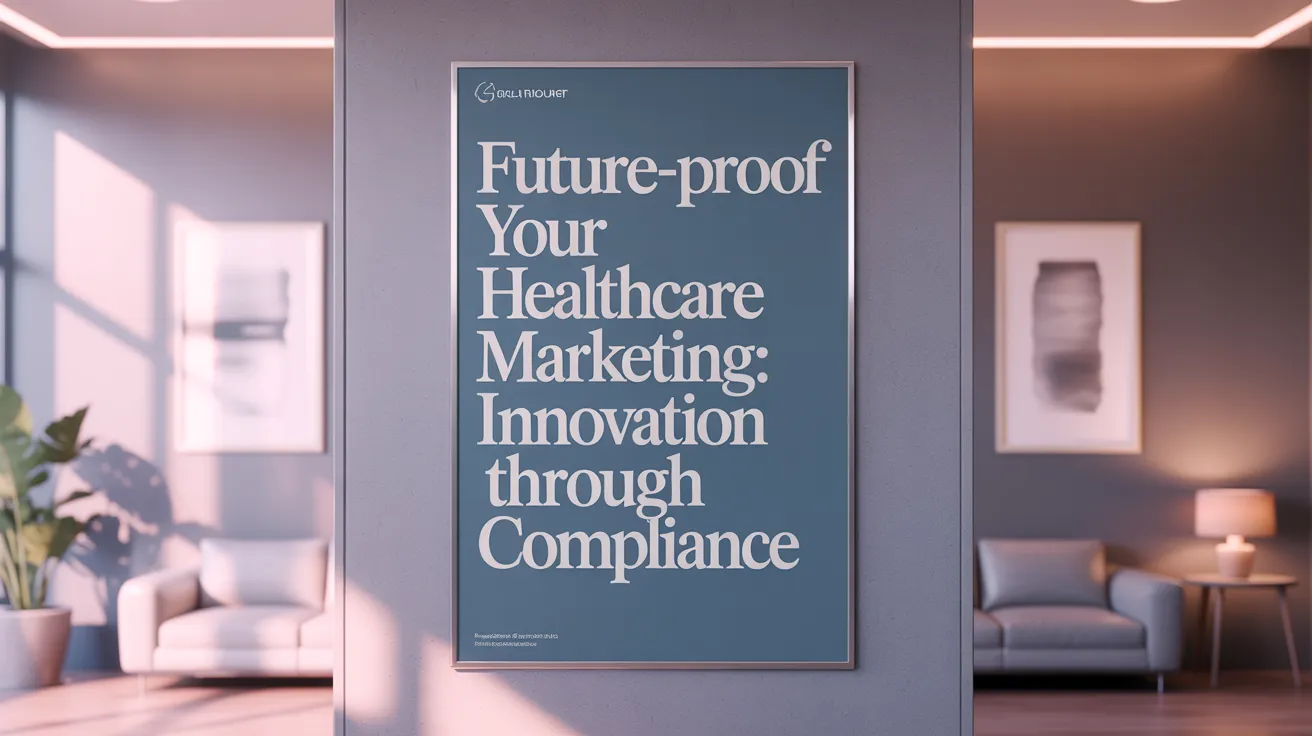
The healthcare marketing landscape is facing intensified regulatory scrutiny, especially with the rise of artificial intelligence applications. Future regulations are likely to impose stricter requirements on data privacy and AI transparency to protect patient information and ensure ethical use in marketing.
Harmonization of International Privacy Laws
As healthcare providers and marketers operate across borders, there's growing momentum toward harmonization of international privacy laws in healthcare marketing. Harmonization efforts aim to reduce compliance complexity by standardizing rules for data handling, consent, and marketing activities in healthcare.
Evolving Patient-Centric Transparency and Consent Models
The future of healthcare marketing compliance will emphasize transparent communication and enhanced patient consent processes. Models that empower patients with control over their data and clarify marketing intent will build trust and meet regulatory demands.
Regulatory Constraints as Opportunities for Creative Problem-Solving
Regulatory limitations are increasingly seen not as barriers but as drivers of innovation. Healthcare marketers are adopting creative strategies to deliver personalized and engaging content within compliance boundaries, leveraging anonymized data and contextual messaging effectively.
Role of Specialized Agencies and Platforms in Supporting Compliant Innovation
Specialty agencies like Showoff Group and platforms such as Freshpaint and Tealium for data privacy play pivotal roles in navigating complex regulations. They facilitate collaboration for healthcare marketing success among marketing, legal, and technology teams to develop compliant, data-driven campaigns that inspire creativity while upholding stringent standards.
Embracing these trends enables healthcare organizations to transform compliance from a challenge into a foundational component of innovative, patient-centered marketing strategies.
Conclusion: Harmonizing Compliance and Creativity for Sustainable Healthcare Marketing Success
Balancing Compliance and Innovation
Healthcare marketing operates within a stringent regulatory landscape, including HIPAA, GDPR, and other federal and state laws. Yet, the most successful healthcare organizations harmonize these strict requirements with innovative marketing strategies to build trust and engage patients effectively. The narrative shifts from "We Can't" to "What If," demonstrating how regulatory boundaries can inspire creative problem-solving rather than constrain it.
Collaboration and Technology as Catalysts
A collaborative approach involving marketing, technology, legal, and compliance teams is essential. This partnership ensures marketing initiatives remain compliant while leveraging tools such as AI-driven analytics, anonymization technologies, and compliant customer data platforms like Freshpaint and Tealium. These technologies enable marketers to personalize outreach without sacrificing privacy or regulatory adherence.
Trust as the Cornerstone
Patient trust is paramount. Adopting transparent data practices and maintaining clear communication about privacy policies cultivates loyalty and fosters long-term patient relationships. Embracing compliance as a foundation for authenticity rather than a barrier ensures campaigns are credible and impactful.
Healthcare marketers are encouraged to view compliance frameworks as enablers of creativity. Through strategic planning, thoughtful collaboration, and intelligent use of technology, compliance can unlock new opportunities for patient engagement and sustainable growth in the evolving healthcare landscape.
Introduction: Navigating the Dual Imperative of Compliance and Creativity in Healthcare Marketing
Overview of Healthcare Marketing Challenges
Healthcare marketing operates at the intersection of strict regulatory frameworks and the urgent need to engage and grow patient populations effectively. Marketers must comply with laws like HIPAA, GDPR, and CMS Medicare guidelines, which govern patient information protection, promotional communication, and ethical interactions. Simultaneously, they face the challenge of differentiating their services in an increasingly competitive market where digital transformation and consumer empowerment shape expectations.
Importance of Compliance Alongside Innovation
Compliance is not merely a legal obligation but a critical pillar that ensures marketing efforts build patient trust and organizational credibility. Yet, restrictive regulations can limit creative freedom. Successful healthcare marketing balances these demands by leveraging technology-driven solutions—such as AI-enabled compliance monitoring and privacy-focused data analytics—that safeguard sensitive information while enabling personalized and impactful messaging.
Role of Collaboration for Success
Effective healthcare marketing requires concerted collaboration among marketing teams, legal and compliance departments, technology experts, and external partners. This multidisciplinary approach fosters innovative thinking within regulatory boundaries, enabling organizations to implement compliant campaigns that resonate with audiences. By aligning strategic goals and sharing expertise, teams can transform regulatory complexity from a barrier into an opportunity for creative, trustworthy patient engagement.
The Regulatory Landscape Shaping Healthcare Marketing
What are the key laws impacting healthcare marketing?
Healthcare marketing operates under stringent laws that govern patient information and promotional practices. The Health Insurance Portability and Accountability Act (HIPAA) protects patients' Protected Health Information (PHI) by requiring confidentiality and setting strict guidelines to prevent unauthorized disclosures. Similarly, the General Data Protection Regulation (GDPR) enforces transparency on data collection and mandates explicit consent for using personal data, impacting strategies internationally.
The Stark Law prohibits physician referrals for designated health services to entities with financial ties, emphasizing strict liability regardless of intent. The Anti-Kickback Statute (AKS) criminalizes exchanging anything of value for referrals under federal healthcare programs, imposing both civil and criminal penalties.
What are the marketing restrictions concerning PHI and patient consent?
HIPAA requires marketers to obtain explicit patient authorization before using PHI in marketing communications, with limited exceptions such as face-to-face interactions or nominal gifts. Communications about services provided by the healthcare entity are often exempt but must comply with privacy safeguards. Marketing channels—digital or otherwise—must ensure secure data transmission, preventing PHI disclosure in emails, social media, and websites.
What are the consequences of non-compliance, and why is legal adherence vital?
Non-compliance with HIPAA and other regulations can lead to severe penalties, including fines ranging from $137 to over $2 million per violation and possible criminal prosecution resulting in jail time. Violations tarnish organizational reputation and reduce patient trust, highlighting the critical need for adherence through staff training, legal collaboration, and compliance monitoring. See also Healthcare marketing compliance.
How do marketing activities differ from treatment and case management communications?
Treatment, case management, and care coordination communications are distinct from marketing activities and do not require patient authorization for using PHI. Marketing seeks to encourage use or purchase of services, while treatment-related communications focus on patient care delivery without promotional intent. Understanding these distinctions helps healthcare organizations maintain compliant, clear communication strategies.
This regulatory framework shapes healthcare marketing strategies, demanding creativity balanced with legal caution to protect patient privacy and build trust while effectively engaging audiences.
Leveraging Technology and AI for Compliance and Creativity
How Does AI Enhance Compliance Monitoring and Automated Checks?
Healthcare marketing operates under stringent regulations such as HIPAA and GDPR, making compliance a critical concern. AI plays a crucial role in real-time compliance monitoring by automatically scanning marketing content to detect prohibited language, unverified claims, or privacy concerns. Tools like Filestage compliance tool use AI to review marketing materials ensuring disclaimers are present and unauthorized terms are removed, reducing human error and accelerating approval workflows.
How Can AI Enable Personalization While Respecting Privacy?
AI-driven marketing personalization in healthcare marketing leverages de-identified patient data analysis to segment audiences accurately based on demographics, health conditions, and engagement patterns without compromising protected health information (PHI). This approach builds trust through relevant messaging while maintaining privacy standards.
What Compliance-Focused Tools Support Healthcare Marketers?
Several specialized platforms empower healthcare marketers:
- Freshpaint and Tealium for data privacy: Enables privacy-compliant data collection and analysis, with Business Associate Agreements (BAAs) to secure sensitive data.
- Filestage: Uses AI for ensuring content compliance and legal scrutiny.
- Microsoft Azure Purview AI: Offers automated anonymization and masking of personal health information.
These tools offer built-in safeguards to maintain regulatory adherence while supporting innovative marketing strategies.
Why Are Partnerships with Technology Vendors Important?
Collaborations with vendors providing Freshpaint BAAs for privacy strengthen data governance and clarify roles in data handling. These partnerships ensure that marketing teams align with HIPAA compliance in marketing, enabling legally compliant sharing and processing of health data necessary for insightful analytics and personalization.
What Are the Benefits of AI-Powered Chatbots and Social Media Monitoring?
AI-powered chatbots in healthcare enhance patient engagement by delivering accurate health information promptly, reducing the spread of misinformation. Additionally, social media scanning for misinformation identifies and flags misleading health content, safeguarding brand credibility and promoting trust.
Why Is Maintaining a Compliant Technology Stack Critical?
An integrated and compliant technology ecosystem—building on secure data platforms, AI compliance tools, and privacy-protective personalization techniques—is essential. This infrastructure supports seamless coordination between marketing, compliance, and technology teams, fostering innovation aligned with regulatory frameworks and delivering measurable patient growth outcomes.
Creative Marketing Strategies That Respect Privacy
Non-intrusive personalization techniques
Healthcare marketers can achieve personalization without infringing on consumer privacy by employing simple, non-intrusive approaches. These methods focus on general patient interests and pain points rather than detailed profiling, thus maintaining compliance with HIPAA compliance in marketing and GDPR. For example, addressing common health concerns in messaging allows engagement without exposing personal health information.
Use of aggregated data and anonymized analytics
Analyzing aggregated data such as overall website traffic, page views, and video completion rates enables marketers to gain valuable insights while preserving patient anonymity. Techniques like scrubbing server logs of sensitive data and leveraging AI-powered tools, such as Freshpaint and Tealium for data privacy, help ensure compliance by anonymizing data and securing Business Associate Agreements (BAAs).
Contextual advertising and addressing universal patient pain points
Contextual advertising on healthcare-related websites offers a strategic way to target audiences without collecting personal identifiers. By focusing on universal patient pain points—such as managing chronic conditions or navigating healthcare access—organizations deliver relevant messages that resonate broadly while respecting privacy regulations. This aligns with Healthcare Marketer Privacy Strategies.
Email, SMS, and EHR systems as compliant personalization channels
Internal data sources including patient records and email lists can be utilized for compliant personalized outreach through channels like email, SMS, and Electronic Health Record (EHR) systems. These direct communication methods maintain privacy standards through encryption and explicit consent management, offering effective ways to nurture patient relationships, consistent with personalized communications via compliant channels.
Innovative storytelling to humanize healthcare brands while ensuring compliance
Creative storytelling is instrumental in humanizing healthcare brands and fostering emotional connections without risking regulatory breaches. By grounding campaigns in data-driven, authentic narratives, marketers can communicate empathy and trust, leveraging memorable content while adhering to strict compliance guidelines. This approach enhances brand differentiation and patient engagement in a highly regulated environment, supported by insights from Creative storytelling in healthcare marketing.
The Collaborative Approach: Integrating Marketing, Compliance, and Technology Teams
Why Is Cross-Departmental Collaboration Essential in Healthcare Marketing?
Healthcare marketing demands the integration of diverse expertise—marketing creativity, legal and regulatory oversight, and IT security. Collaboration among marketing, legal, compliance, and technology teams is critical to navigate complex regulations such as HIPAA, GDPR, and FDA rules while driving innovative campaigns.
How Should Regulatory and Medical Teams Be Involved Early?
Involving legal, compliance, and medical professionals early in campaign planning helps prevent costly delays and regulatory breaches. Early engagement ensures marketing materials and digital content align with medical accuracy and legal requirements, reducing risks of misinformation or compliance violations.
What Are the Benefits of Proactive Compliance Engagement?
Proactive compliance involvement fosters trust internally and externally. It streamlines approval processes, facilitates real-time monitoring of marketing activities, and supports the implementation of automated compliance tools. This approach minimizes risk of fines, maintains organizational reputation, and enables agile marketing innovation.
How Can Leadership Align Marketing and Technology Goals?
Strategic alignment between the Chief Marketing Officer (CMO), Chief Technology Officer (CTO), Chief Information Officer (CIO), and Chief Financial Officer (CFO) is essential. This unified leadership ensures investments in compliant technology platforms, integration of analytics tools, and effective resource allocation for marketing initiatives.
What Procedures Enhance Compliance in Social Media and Content?
Establishing formal approval workflows and training programs for social media and digital content helps maintain healthcare marketing compliance. Teams develop standardized review processes to detect prohibited language or disclosure of protected health information (PHI). Regular training ensures staff awareness of evolving regulations and reinforces compliant messaging strategies.
Demand Generation and Educational Content Under Compliance Constraints
What role does demand generation play in healthcare marketing?
Demand generation strategically creates sustained interest in healthcare services, positioning providers as trusted authorities. It goes beyond simple lead acquisition to educate and engage patients through multiple touchpoints, thereby cultivating long-term patient relationships and enhancing brand credibility.
How can educational content like blogs, ebooks, and infographics build trust and inform patients?
Educational materials serve as foundational tools that deliver valuable health information while reinforcing provider expertise. Well-crafted blogs, ebooks, and infographics—especially when vetted by medical professionals—promote transparency and empower patients with knowledge, resulting in higher trust and engagement.
How does personalized yet compliant messaging nurture patient relationships?
Personalization in healthcare marketing must navigate HIPAA compliance in marketing constraints carefully. This is achieved through non-intrusive methods such as email campaigns, direct mail, and anonymized data segmentation. Personalized follow-ups that respect privacy cultivate patient loyalty without disclosing protected health information (PHI).
What is the importance of leveraging patient testimonials and doctor-vetted educational content?
Patient testimonials add authenticity, humanizing the healthcare brand and fostering emotional connections. Doctor-vetted content enhances credibility and reassures patients of the accuracy and safety of information shared—crucial for compliance and trust.
How can awareness campaigns balance creative messaging with HIPAA and GDPR requirements?
Successful campaigns focus on aggregated and de-identified data, offering educational value without exposing PHI. Collaboration with legal/compliance teams ensures content adheres to regulations, while contextually targeted advertising addresses common patient concerns respectfully and innovatively.
Healthcare marketers who blend demand generation with creative problem-solving in healthcare and healthcare marketing compliance create measurable patient growth and foster trust, demonstrating that regulatory adherence and marketing innovation can coexist effectively.
Innovating with Events, Social Media, and Influencer Partnerships
Use of Virtual and In-Person Events for Community Engagement
Healthcare organizations leverage both virtual and in-person events to deepen community ties and boost patient trust. Events like support walks and health awareness campaigns effectively raise awareness while encouraging community participation. Virtual formats expand reach, allowing inclusivity and broad engagement while maintaining accessibility.
Educational Events and Health Awareness Campaigns
Educational initiatives, particularly those featuring doctor-vetted content, establish credibility and patient confidence. Organizations like Mayo Clinic and Cleveland Clinic exemplify this through impactful health education, which also supports proactive patient empowerment and fosters lasting relationship building.
Navigating Social Media Compliance with Approval Processes
Social media is a powerful engagement tool but requires strict adherence to healthcare marketing compliance. Implementing robust social media marketing approval processes for all content pre-publication ensures compliance with HIPAA Privacy Rule and marketing, FDA regulations, and other relevant regulations, mitigating risk of unintended disclosures or misleading claims.
Partnering with Influencers While Adhering to Regulatory Rules
Collaborations with influencers can broaden outreach significantly. Healthcare marketers must ensure influencers follow regulatory guidelines in healthcare marketing that govern truthful advertising and privacy protections. Structured partnerships, clear communication of compliance expectations, and ongoing monitoring are essential for maintaining adherence.
Examples of Successful Collaborations in Healthcare Marketing
Notable creative healthcare marketing campaigns have demonstrated the efficacy of partnerships involving organizations and influencers. For example, Damar Hamlin’s work with the American Heart Association's #3forHeart campaign illustrates impactful influencer-driven outreach. Similarly, collaborations between healthcare entities and partners like the American Medical Association partner campaigns or sports teams have enhanced campaign reach and community impact.
Integrating creative event strategies, social media engagement, and compliant influencer partnerships offers healthcare marketing effective avenues to connect authentically with target audiences while navigating complex regulatory environments.
Measuring Marketing Success Within Regulatory Boundaries
Use of Aggregated Metrics
Healthcare marketers focus on aggregated data metrics in healthcare marketing such as clicks, views, conversions, and overall website traffic. These metrics provide valuable insights into campaign effectiveness while respecting patient privacy by avoiding the use of identifiable health information.
Leveraging Marketing Mix Modeling and A/B Testing
Marketing mix modeling (MMM) and A/B testing are employed to optimize campaigns without compromising healthcare marketing compliance. MMM aggregates data across channels to analyze the impact of marketing activities holistically, while A/B testing allows for controlled experiments to refine messaging and creative approaches.
Role of Anonymized Data and Server Log Analysis
Analyzing anonymized data in healthcare marketing and analyzing server logs for insights offers a privacy-safe way to glean user behavior insights. By scrubbing sensitive information, organizations can maintain HIPAA compliance in marketing and GDPR compliance while gaining actionable marketing intelligence.
Challenges in Attribution Without Compromising Privacy
Attribution in healthcare marketing is complex due to strict privacy regulations that restrict access to patient-level data. Marketers must carefully balance the need for precise measurement with legal requirements, often relying on aggregated data metrics in healthcare marketing or anonymized datasets.
Importance of Continuous Monitoring and Data-Driven Optimization
To achieve measurable patient growth, continuous monitoring of marketing performance is essential. Data-driven healthcare marketing optimization enables healthcare organizations to adjust strategies responsively while ensuring ongoing adherence to privacy in healthcare marketing standards and regulatory frameworks.
Future Trends: Embracing Compliance as a Catalyst for Innovation
Emerging Stricter Regulations Related to AI and Data Privacy
The healthcare marketing landscape is facing intensified regulatory scrutiny, especially with the rise of artificial intelligence applications. Future regulations are likely to impose stricter requirements on data privacy and AI transparency to protect patient information and ensure ethical use in marketing.
Harmonization of International Privacy Laws
As healthcare providers and marketers operate across borders, there's growing momentum toward harmonization of international privacy laws in healthcare marketing. Harmonization efforts aim to reduce compliance complexity by standardizing rules for data handling, consent, and marketing activities in healthcare.
Evolving Patient-Centric Transparency and Consent Models
The future of healthcare marketing compliance will emphasize transparent communication and enhanced patient consent processes. Models that empower patients with control over their data and clarify marketing intent will build trust and meet regulatory demands.
Regulatory Constraints as Opportunities for Creative Problem-Solving
Regulatory limitations are increasingly seen not as barriers but as drivers of innovation. Healthcare marketers are adopting creative strategies to deliver personalized and engaging content within compliance boundaries, leveraging anonymized data and contextual messaging effectively.
Role of Specialized Agencies and Platforms in Supporting Compliant Innovation
Specialty agencies like Showoff Group and platforms such as Freshpaint and Tealium for data privacy play pivotal roles in navigating complex regulations. They facilitate collaboration for healthcare marketing success among marketing, legal, and technology teams to develop compliant, data-driven campaigns that inspire creativity while upholding stringent standards.
Embracing these trends enables healthcare organizations to transform compliance from a challenge into a foundational component of innovative, patient-centered marketing strategies.
Conclusion: Harmonizing Compliance and Creativity for Sustainable Healthcare Marketing Success
Balancing Compliance and Innovation
Healthcare marketing operates within a stringent regulatory landscape, including HIPAA, GDPR, and other federal and state laws. Yet, the most successful healthcare organizations harmonize these strict requirements with innovative marketing strategies to build trust and engage patients effectively. The narrative shifts from "We Can't" to "What If," demonstrating how regulatory boundaries can inspire creative problem-solving rather than constrain it.
Collaboration and Technology as Catalysts
A collaborative approach involving marketing, technology, legal, and compliance teams is essential. This partnership ensures marketing initiatives remain compliant while leveraging tools such as AI-driven analytics, anonymization technologies, and compliant customer data platforms like Freshpaint and Tealium. These technologies enable marketers to personalize outreach without sacrificing privacy or regulatory adherence.
Trust as the Cornerstone
Patient trust is paramount. Adopting transparent data practices and maintaining clear communication about privacy policies cultivates loyalty and fosters long-term patient relationships. Embracing compliance as a foundation for authenticity rather than a barrier ensures campaigns are credible and impactful.
Healthcare marketers are encouraged to view compliance frameworks as enablers of creativity. Through strategic planning, thoughtful collaboration, and intelligent use of technology, compliance can unlock new opportunities for patient engagement and sustainable growth in the evolving healthcare landscape.