.png)


Introduction: The Vital Role of Online Reputation in Healthcare
The Growing Importance of Online Reputation in Healthcare
In today’s healthcare landscape, a robust online reputation is essential for attracting and retaining patients. Studies indicate that up to 94% of patients consult online reviews as a critical first step in selecting healthcare providers. This trend reflects a shift in patient behavior, where digital presence and peer feedback heavily influence healthcare decisions.
How Reputation Influences Patient Decisions
Patients trust online reviews and ratings to evaluate care quality, provider credibility, and overall experience. A strong reputation on platforms like Google, Healthgrades, and Yelp not only enhances visibility but also increases patient confidence and loyalty. Conversely, negative perceptions or unaddressed feedback can deter potential patients, affecting clinic growth and revenue.
Benefits of Effective Reputation Management
Proactively managing online reputation through timely feedback collection, professional review responses, and leveraging reputation management software leads to measurable improvements. It fosters trust, enhances patient satisfaction, supports compliance, and differentiates healthcare organizations in competitive markets. By aligning patient experiences with digital reputation, providers can improve engagement, increase referrals, and achieve sustained practice growth.
Building and Protecting Trust in the Digital Healthcare Landscape

How do you build trust online?
Building trust online begins with transparency in healthcare, which involves sharing accurate and honest information about your healthcare services. Showcasing authentic patient testimonials and genuine reviews helps demonstrate reliability and credibility. Consistent engagement on social media platforms and timely responses to patient inquiries signal that the provider values patient concerns and fosters strong community connections. Additionally, having a secure, user-friendly website supports confidence by ensuring a positive and accessible patient experience. Clear communication and a genuine commitment to meeting patient needs underpin lasting trust.
What are the four C's of building trust?
The four C's—commitment, caring, consistency, and competence—are foundational to establishing trust in healthcare relationships. Commitment reflects dedication to patient care, while caring conveys empathetic concern for patient well-being. Consistency builds confidence through reliable and dependable service delivery over time. Competence affirms the provider's expertise and ability to deliver quality outcomes. Together, these principles help solidify patient trust, motivating engagement and ongoing loyalty.
How can medical practices protect and control their online reputation?
Medical practices can protect their reputation by actively managing their digital presence: regularly updating and verifying professional information across online platforms and review sites is essential. Implementing cybersecurity measures—including unique passwords, multi-factor authentication, and secure network protocols—prevents unauthorized access to sensitive data. Proactive monitoring of reviews and social media mentions allows for timely responses to negative feedback and encourages positive patient testimonials. Staff education on cybersecurity best practices reduces risks related to phishing and digital threats. Moreover, strict adherence to healthcare data privacy laws such as HIPAA safeguards patient information, ensuring trust remains intact.
Security and privacy in healthcare reputation management
Maintaining security and privacy is vital for trust in healthcare reputation management. Practices must utilize encrypted communication channels and secure websites with protocols like SSL to protect patient interactions online. Transparent privacy policies and compliance with regulations reassure patients that their data is protected. Employing reputation management platforms integrated with Electronic Medical Records (EMRs) safeguards sensitive information and streamlines feedback collection. These measures collectively preserve patient confidentiality and support a trustworthy digital image essential in today’s healthcare marketplace.
Effective Strategies for Managing Online Reputation in Medical Practices

Review Solicitation and Management
Medical practices should actively encourage satisfied patients to share their positive experiences on major platforms like Google, Healthgrades, and Yelp. Timely follow-ups after appointments—via emails or SMS—can significantly boost the volume and authenticity of reviews. Automated reputation management tools enable efficient review solicitation and collection, amplifying positive feedback while providing options for private quality improvement when negative feedback arises.
Monitoring and Responding to Reviews
Consistent monitoring of online reviews and mentions is essential. Utilizing reputation management platforms helps consolidate reviews from multiple sources into one dashboard for real-time oversight. Prompt, professional, and empathetic responses to both positive and negative reviews demonstrate accountability and patient-centered care, which rebuilds trust and strengthens community perception.
Updating Practice Profiles
Accurate, complete, and current practice information across online directories and review sites enhances credibility. Regular updates to practitioner profiles, including professional headshots, credentials, office locations, and services offered, improve search engine visibility and patient confidence. Clear, user-friendly website content with educational material also builds authority and supports patient trust.
Social Media Presence
Maintaining an active and professional presence on social media platforms fosters engagement and transparency. Healthcare providers can use social channels to share success stories, respond to patient concerns, and distribute educational content. A consistent and empathetic brand voice across digital channels reinforces reliability and community connection. See more on building patient trust through responsive healthcare communication.
Reputation Management Platforms and Automation
Healthcare-specific reputation management software integrates review monitoring, automated solicitation, and analytics. Automation streamlines workflow, reduces administrative burden, increases patient feedback response rates, and provides actionable insights through sentiment analysis. Such platforms ensure consistent management efforts, scalability, and measurable improvements in patient experience and online reputation. Learn about healthcare reputation management software.
| Strategy Aspect | Description | Benefit |
|---|---|---|
| Review Solicitation | Automated and timely requests for patient reviews | Increased authentic positive feedback |
| Review Monitoring | Consolidated dashboard for multi-platform review tracking | Real-time awareness and swift response |
| Practice Profile Management | Regular updates of accurate practice info | Enhanced SEO and patient confidence |
| Social Media Engagement | Active communication and content sharing | Stronger community trust and brand visibility |
| Automation Tools | Integration of review solicitation and analytics | Efficient workflow and deeper patient insights |
Leveraging Technology: The Role of Software and Automation in Clinic Reputation Management

Reputation Management Software
Healthcare reputation management software is essential for consolidating patient feedback and managing online presence across multiple platforms like Google, Healthgrades, and Yelp. Solutions such as Kyruus Health provide unified systems that integrate provider data management, patient scheduling, and reputation tools, ensuring accurate information and streamlined workflows.
Automated Review Collection and Response
Automation increases the volume and timeliness of patient reviews by triggering review requests shortly after appointments, resulting in 3-5 times more feedback. Automated reputation management tools in healthcare can filter and prioritize reviews, enabling clinics to address negative feedback promptly and professionally, ultimately preserving patient trust.
Integration with EMR and Patient Systems
Integrating healthcare reputation management platforms with Electronic Medical Records (EMR) and patient engagement systems reduces administrative workload and creates seamless data flows. This connectivity empowers healthcare organizations to monitor patient experiences continuously and respond in real-time, enhancing overall service quality.
Analytics and Sentiment Analysis
Advanced analytics and sentiment analysis in healthcare enable healthcare organizations to identify trends, patient values, and common concerns within the feedback. These insights inform targeted operational improvements that improve care quality and patient satisfaction while reinforcing the clinic's credibility.
Real-Time Monitoring
Continuous monitoring of online reviews and social media mentions on a unified dashboard facilitates swift action to emerging issues. Real-time review monitoring ensures providers maintain their reputations proactively, helping them remain competitive and trusted in an increasingly digital healthcare marketplace.
Utilizing Patient Reviews and Testimonials to Enhance Clinic Credibility

Importance of Positive Patient Reviews
Positive patient reviews are critical in building trust and attracting new patients, with studies indicating that over 90% of individuals consider online reviews before selecting healthcare providers. High ratings and authentic feedback enhance a clinic’s credibility and improve search engine rankings, making the practice more visible to prospective patients. For more insights, see Improve Healthcare Reputation Management.
Encouraging Patient Feedback Ethically
Healthcare providers should implement ethical strategies to solicit patient feedback, such as follow-up emails, QR code invitations, or automated texts, ensuring compliance with privacy regulations like HIPAA. Promptly asking for reviews after appointments maximizes response rates and reflects recent patient experiences. Learn strategies on Reputation Management Strategies in Healthcare.
Managing Negative Reviews Professionally
Addressing negative reviews with professionalism, empathy, and timely responses demonstrates accountability and commitment to patient care. Private collection of critical feedback can facilitate quality improvements without harming public perception, while transparent public replies can rebuild trust and prevent future patient loss. Guidance is available at Managing Your Online Reputation.
Showcasing Testimonials on Websites and Social Media
Displaying authentic patient testimonials on websites and social media platforms humanizes the clinic’s brand and provides social proof. Inclusion of diverse patient stories, complemented by provider bios and educational content, strengthens the patient-provider connection and reassures prospective patients. Explore tips from Building Trust with Patients.
Impact on Patient Trust and Decision Making
A well-managed online reputation leveraging positive reviews and testimonials significantly influences patient trust and healthcare decisions. Consistency in messaging and responsiveness enhances credibility, patient retention, and ultimately supports clinic growth in a competitive healthcare market. See Healthcare Online Reputation Management for more details.
| Strategy | Purpose | Benefit |
|---|---|---|
| Positive Review Collection | Builds credibility and SEO | Attracts new patients |
| Ethical Feedback Solicitation | Ensures compliance and maximizes responses | Maintains patient trust |
| Professional Negative Review Management | Demonstrates accountability and care | Repairs reputation |
| Testimonial Showcase | Humanizes clinic and reinforces brand | Increases patient confidence |
| Consistent Engagement | Strengthens patient-provider relationships | Supports retention and growth |
Creating a Secure and User-Friendly Digital Presence for Clinics
Website Design Elements That Build Trust
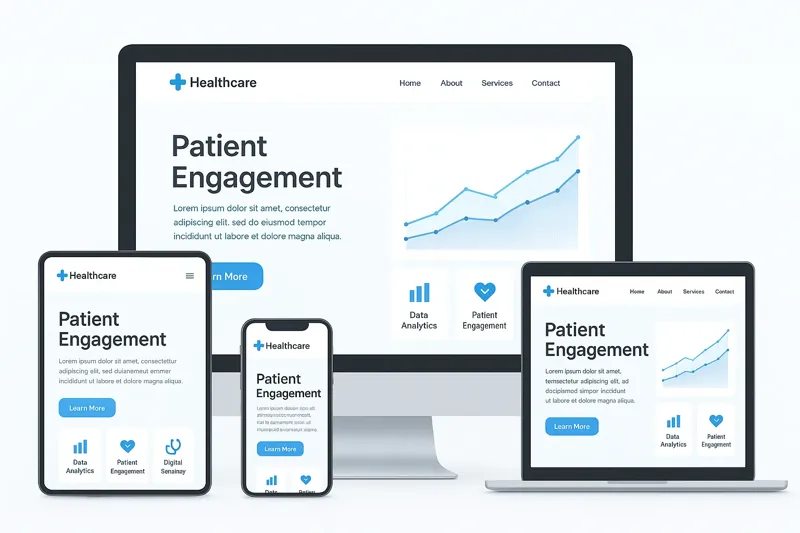
Healthcare websites should use calming colors like blue, white, and purple to evoke feelings of safety and reliability. Including clear icons and graphics that visually communicate the clinic’s specialties helps patients quickly identify services offered. Displaying professional, authentic photos of providers and staff fosters familiarity and personal connection, building trust before the first appointment. For more on building trust through healthcare website design.
Ensuring Secure Website and Patient Portals
Security is critical; websites must implement HTTPS with SSL certificates, ensuring encrypted, secure connections. Private patient portals for access to records and communication should comply with HIPAA regulations. Transparent privacy policies and easy-to-understand terms reinforce patient confidence in using digital tools. Learn about building trust in online clinical storefronts.
Clear Communication of Services and Credentials
Presenting clear, accessible information about services, procedures, and credentials on the website supports transparency. Well-crafted provider bios, including qualifications and photos, establish authority. Directions, parking, and contact details should be easy to find, reducing patient anxiety before visits. See more on building patient trust.
User Experience in Healthcare Websites
Logical categories and intuitive navigation streamline access to important information like insurance details and scheduling. Powerful site search features with autosuggestions enhance usability. Mobile responsiveness ensures accessibility for patients on any device, which is essential given the growing use of smartphones. Discover best practices for healthcare website design elements that build trust.
Role of Social Media and Digital Communication in Patient Trust
Engagement on platforms like Facebook, Instagram, and Twitter helps humanize clinics by sharing success stories and health education. Responsive communication, including via HIPAA-compliant apps or email, reinforces patient-provider relationships and builds lasting trust. Check insights on building patient trust through responsive healthcare communication.
What are the best website builders suitable for clinics and medical practices?
When selecting a website builder, ease of use, healthcare compliance, and customization are key. Wix suits small clinics and solo practitioners due to its user-friendly interface. Squarespace offers sleek design options ideal for private practices seeking professional branding. WordPress delivers the greatest flexibility and control, fitting for practices with technical resources. Shopify is favorable for clinics selling health products directly, blending e-commerce with clinical branding.
This holistic approach to digital presence not only enhances patient experience but also supports trust, credibility, and practice growth in today’s competitive healthcare environment. For more information about building healthcare digital credibility and healthcare online reputation strategies.
Popular Apps and Platforms for Doctor Reviews and Their Influence on Patient Choice

Apps That Allow Doctor Reviews
Several apps and platforms enable patients to review doctors, providing effective channels for peer feedback and influencing healthcare decisions. An example is ScoreDoc, an app available on the App Store that allows users to share experiences and read comprehensive reviews of doctors across specialties.
Key Platforms Like Healthgrades, Zocdoc, Google Reviews
Among the most relied upon platforms are Healthgrades, Zocdoc, and Google Reviews. Healthgrades offers detailed physician profiles and patient ratings, while Zocdoc facilitates appointment bookings along with user feedback. Google Reviews is widely accessed by patients for quick insights backed by star ratings, making it a primary source when searching for providers.
How These Reviews Influence Patient Decisions
Reviews on these platforms play a crucial role in patient decision-making by providing social proof and highlighting real patient experiences. Positive ratings and thoughtful responses to feedback build trust and credibility, encouraging prospective patients to choose providers confidently.
Importance of Multiple Reliable Sources
Relying on several review sources helps patients get a balanced understanding of a provider’s quality and reputation. Checking multiple platforms ensures a more accurate assessment, reduces bias, and supports sound healthcare decisions.
Role of Ratings in Local SEO
Ratings and reviews significantly affect local search engine optimization. Providers with higher star ratings and more reviews appear more prominently in local search results, increasing their visibility and attracting more patients.
| Aspect | Examples | Influence on Healthcare Marketing |
|---|---|---|
| Review Apps | ScoreDoc | Facilitates patient-generated reviews and transparency |
| Major Platforms | Healthgrades, Zocdoc, Google Reviews | Enhance provider credibility, appointment ease, and visibility |
| Patient Decision Factors | Ratings, Feedback Quality | Builds trust and assists in provider selection |
| Multi-Source Verification | Multiple platforms | Reduces bias, provides comprehensive reputation overview |
| SEO Benefits | Star ratings, volume | Improves local search rankings and patient acquisition |
Conclusion: Sustaining Trust and Growth Through Proactive Reputation Management
Proactive reputation management practices are vital for healthcare providers to attract and retain patients and maintain a competitive edge. Key strategies include actively collecting patient feedback shortly after visits, encouraging positive reviews on major platforms like Google and Healthgrades, and responding professionally to all reviews to demonstrate accountability.
Building and maintaining trust depends on transparency, timely communication, and consistent quality care — both online and offline. Leveraging reputation management technologies enables efficient monitoring, sentiment analysis, and engagement, helping practices address patient concerns rapidly.
Healthcare organizations should prioritize reputation management as an ongoing strategy to foster patient loyalty, improve service quality, and enhance brand credibility. Continuously measuring performance and adapting strategies ensures alignment with evolving patient expectations and supports sustainable growth in today’s digital healthcare landscape.
Introduction: The Vital Role of Online Reputation in Healthcare
The Growing Importance of Online Reputation in Healthcare
In today’s healthcare landscape, a robust online reputation is essential for attracting and retaining patients. Studies indicate that up to 94% of patients consult online reviews as a critical first step in selecting healthcare providers. This trend reflects a shift in patient behavior, where digital presence and peer feedback heavily influence healthcare decisions.
How Reputation Influences Patient Decisions
Patients trust online reviews and ratings to evaluate care quality, provider credibility, and overall experience. A strong reputation on platforms like Google, Healthgrades, and Yelp not only enhances visibility but also increases patient confidence and loyalty. Conversely, negative perceptions or unaddressed feedback can deter potential patients, affecting clinic growth and revenue.
Benefits of Effective Reputation Management
Proactively managing online reputation through timely feedback collection, professional review responses, and leveraging reputation management software leads to measurable improvements. It fosters trust, enhances patient satisfaction, supports compliance, and differentiates healthcare organizations in competitive markets. By aligning patient experiences with digital reputation, providers can improve engagement, increase referrals, and achieve sustained practice growth.
Building and Protecting Trust in the Digital Healthcare Landscape
How do you build trust online?
Building trust online begins with transparency in healthcare, which involves sharing accurate and honest information about your healthcare services. Showcasing authentic patient testimonials and genuine reviews helps demonstrate reliability and credibility. Consistent engagement on social media platforms and timely responses to patient inquiries signal that the provider values patient concerns and fosters strong community connections. Additionally, having a secure, user-friendly website supports confidence by ensuring a positive and accessible patient experience. Clear communication and a genuine commitment to meeting patient needs underpin lasting trust.
What are the four C's of building trust?
The four C's—commitment, caring, consistency, and competence—are foundational to establishing trust in healthcare relationships. Commitment reflects dedication to patient care, while caring conveys empathetic concern for patient well-being. Consistency builds confidence through reliable and dependable service delivery over time. Competence affirms the provider's expertise and ability to deliver quality outcomes. Together, these principles help solidify patient trust, motivating engagement and ongoing loyalty.
How can medical practices protect and control their online reputation?
Medical practices can protect their reputation by actively managing their digital presence: regularly updating and verifying professional information across online platforms and review sites is essential. Implementing cybersecurity measures—including unique passwords, multi-factor authentication, and secure network protocols—prevents unauthorized access to sensitive data. Proactive monitoring of reviews and social media mentions allows for timely responses to negative feedback and encourages positive patient testimonials. Staff education on cybersecurity best practices reduces risks related to phishing and digital threats. Moreover, strict adherence to healthcare data privacy laws such as HIPAA safeguards patient information, ensuring trust remains intact.
Security and privacy in healthcare reputation management
Maintaining security and privacy is vital for trust in healthcare reputation management. Practices must utilize encrypted communication channels and secure websites with protocols like SSL to protect patient interactions online. Transparent privacy policies and compliance with regulations reassure patients that their data is protected. Employing reputation management platforms integrated with Electronic Medical Records (EMRs) safeguards sensitive information and streamlines feedback collection. These measures collectively preserve patient confidentiality and support a trustworthy digital image essential in today’s healthcare marketplace.
Effective Strategies for Managing Online Reputation in Medical Practices
Review Solicitation and Management
Medical practices should actively encourage satisfied patients to share their positive experiences on major platforms like Google, Healthgrades, and Yelp. Timely follow-ups after appointments—via emails or SMS—can significantly boost the volume and authenticity of reviews. Automated reputation management tools enable efficient review solicitation and collection, amplifying positive feedback while providing options for private quality improvement when negative feedback arises.
Monitoring and Responding to Reviews
Consistent monitoring of online reviews and mentions is essential. Utilizing reputation management platforms helps consolidate reviews from multiple sources into one dashboard for real-time oversight. Prompt, professional, and empathetic responses to both positive and negative reviews demonstrate accountability and patient-centered care, which rebuilds trust and strengthens community perception.
Updating Practice Profiles
Accurate, complete, and current practice information across online directories and review sites enhances credibility. Regular updates to practitioner profiles, including professional headshots, credentials, office locations, and services offered, improve search engine visibility and patient confidence. Clear, user-friendly website content with educational material also builds authority and supports patient trust.
Social Media Presence
Maintaining an active and professional presence on social media platforms fosters engagement and transparency. Healthcare providers can use social channels to share success stories, respond to patient concerns, and distribute educational content. A consistent and empathetic brand voice across digital channels reinforces reliability and community connection. See more on building patient trust through responsive healthcare communication.
Reputation Management Platforms and Automation
Healthcare-specific reputation management software integrates review monitoring, automated solicitation, and analytics. Automation streamlines workflow, reduces administrative burden, increases patient feedback response rates, and provides actionable insights through sentiment analysis. Such platforms ensure consistent management efforts, scalability, and measurable improvements in patient experience and online reputation. Learn about healthcare reputation management software.
| Strategy Aspect | Description | Benefit |
|---|---|---|
| Review Solicitation | Automated and timely requests for patient reviews | Increased authentic positive feedback |
| Review Monitoring | Consolidated dashboard for multi-platform review tracking | Real-time awareness and swift response |
| Practice Profile Management | Regular updates of accurate practice info | Enhanced SEO and patient confidence |
| Social Media Engagement | Active communication and content sharing | Stronger community trust and brand visibility |
| Automation Tools | Integration of review solicitation and analytics | Efficient workflow and deeper patient insights |
Leveraging Technology: The Role of Software and Automation in Clinic Reputation Management
Reputation Management Software
Healthcare reputation management software is essential for consolidating patient feedback and managing online presence across multiple platforms like Google, Healthgrades, and Yelp. Solutions such as Kyruus Health provide unified systems that integrate provider data management, patient scheduling, and reputation tools, ensuring accurate information and streamlined workflows.
Automated Review Collection and Response
Automation increases the volume and timeliness of patient reviews by triggering review requests shortly after appointments, resulting in 3-5 times more feedback. Automated reputation management tools in healthcare can filter and prioritize reviews, enabling clinics to address negative feedback promptly and professionally, ultimately preserving patient trust.
Integration with EMR and Patient Systems
Integrating healthcare reputation management platforms with Electronic Medical Records (EMR) and patient engagement systems reduces administrative workload and creates seamless data flows. This connectivity empowers healthcare organizations to monitor patient experiences continuously and respond in real-time, enhancing overall service quality.
Analytics and Sentiment Analysis
Advanced analytics and sentiment analysis in healthcare enable healthcare organizations to identify trends, patient values, and common concerns within the feedback. These insights inform targeted operational improvements that improve care quality and patient satisfaction while reinforcing the clinic's credibility.
Real-Time Monitoring
Continuous monitoring of online reviews and social media mentions on a unified dashboard facilitates swift action to emerging issues. Real-time review monitoring ensures providers maintain their reputations proactively, helping them remain competitive and trusted in an increasingly digital healthcare marketplace.
Utilizing Patient Reviews and Testimonials to Enhance Clinic Credibility
Importance of Positive Patient Reviews
Positive patient reviews are critical in building trust and attracting new patients, with studies indicating that over 90% of individuals consider online reviews before selecting healthcare providers. High ratings and authentic feedback enhance a clinic’s credibility and improve search engine rankings, making the practice more visible to prospective patients. For more insights, see Improve Healthcare Reputation Management.
Encouraging Patient Feedback Ethically
Healthcare providers should implement ethical strategies to solicit patient feedback, such as follow-up emails, QR code invitations, or automated texts, ensuring compliance with privacy regulations like HIPAA. Promptly asking for reviews after appointments maximizes response rates and reflects recent patient experiences. Learn strategies on Reputation Management Strategies in Healthcare.
Managing Negative Reviews Professionally
Addressing negative reviews with professionalism, empathy, and timely responses demonstrates accountability and commitment to patient care. Private collection of critical feedback can facilitate quality improvements without harming public perception, while transparent public replies can rebuild trust and prevent future patient loss. Guidance is available at Managing Your Online Reputation.
Showcasing Testimonials on Websites and Social Media
Displaying authentic patient testimonials on websites and social media platforms humanizes the clinic’s brand and provides social proof. Inclusion of diverse patient stories, complemented by provider bios and educational content, strengthens the patient-provider connection and reassures prospective patients. Explore tips from Building Trust with Patients.
Impact on Patient Trust and Decision Making
A well-managed online reputation leveraging positive reviews and testimonials significantly influences patient trust and healthcare decisions. Consistency in messaging and responsiveness enhances credibility, patient retention, and ultimately supports clinic growth in a competitive healthcare market. See Healthcare Online Reputation Management for more details.
| Strategy | Purpose | Benefit |
|---|---|---|
| Positive Review Collection | Builds credibility and SEO | Attracts new patients |
| Ethical Feedback Solicitation | Ensures compliance and maximizes responses | Maintains patient trust |
| Professional Negative Review Management | Demonstrates accountability and care | Repairs reputation |
| Testimonial Showcase | Humanizes clinic and reinforces brand | Increases patient confidence |
| Consistent Engagement | Strengthens patient-provider relationships | Supports retention and growth |
Creating a Secure and User-Friendly Digital Presence for Clinics
Website Design Elements That Build Trust
Healthcare websites should use calming colors like blue, white, and purple to evoke feelings of safety and reliability. Including clear icons and graphics that visually communicate the clinic’s specialties helps patients quickly identify services offered. Displaying professional, authentic photos of providers and staff fosters familiarity and personal connection, building trust before the first appointment. For more on building trust through healthcare website design.
Ensuring Secure Website and Patient Portals
Security is critical; websites must implement HTTPS with SSL certificates, ensuring encrypted, secure connections. Private patient portals for access to records and communication should comply with HIPAA regulations. Transparent privacy policies and easy-to-understand terms reinforce patient confidence in using digital tools. Learn about building trust in online clinical storefronts.
Clear Communication of Services and Credentials
Presenting clear, accessible information about services, procedures, and credentials on the website supports transparency. Well-crafted provider bios, including qualifications and photos, establish authority. Directions, parking, and contact details should be easy to find, reducing patient anxiety before visits. See more on building patient trust.
User Experience in Healthcare Websites
Logical categories and intuitive navigation streamline access to important information like insurance details and scheduling. Powerful site search features with autosuggestions enhance usability. Mobile responsiveness ensures accessibility for patients on any device, which is essential given the growing use of smartphones. Discover best practices for healthcare website design elements that build trust.
Role of Social Media and Digital Communication in Patient Trust
Engagement on platforms like Facebook, Instagram, and Twitter helps humanize clinics by sharing success stories and health education. Responsive communication, including via HIPAA-compliant apps or email, reinforces patient-provider relationships and builds lasting trust. Check insights on building patient trust through responsive healthcare communication.
What are the best website builders suitable for clinics and medical practices?
When selecting a website builder, ease of use, healthcare compliance, and customization are key. Wix suits small clinics and solo practitioners due to its user-friendly interface. Squarespace offers sleek design options ideal for private practices seeking professional branding. WordPress delivers the greatest flexibility and control, fitting for practices with technical resources. Shopify is favorable for clinics selling health products directly, blending e-commerce with clinical branding.
This holistic approach to digital presence not only enhances patient experience but also supports trust, credibility, and practice growth in today’s competitive healthcare environment. For more information about building healthcare digital credibility and healthcare online reputation strategies.
Popular Apps and Platforms for Doctor Reviews and Their Influence on Patient Choice
Apps That Allow Doctor Reviews
Several apps and platforms enable patients to review doctors, providing effective channels for peer feedback and influencing healthcare decisions. An example is ScoreDoc, an app available on the App Store that allows users to share experiences and read comprehensive reviews of doctors across specialties.
Key Platforms Like Healthgrades, Zocdoc, Google Reviews
Among the most relied upon platforms are Healthgrades, Zocdoc, and Google Reviews. Healthgrades offers detailed physician profiles and patient ratings, while Zocdoc facilitates appointment bookings along with user feedback. Google Reviews is widely accessed by patients for quick insights backed by star ratings, making it a primary source when searching for providers.
How These Reviews Influence Patient Decisions
Reviews on these platforms play a crucial role in patient decision-making by providing social proof and highlighting real patient experiences. Positive ratings and thoughtful responses to feedback build trust and credibility, encouraging prospective patients to choose providers confidently.
Importance of Multiple Reliable Sources
Relying on several review sources helps patients get a balanced understanding of a provider’s quality and reputation. Checking multiple platforms ensures a more accurate assessment, reduces bias, and supports sound healthcare decisions.
Role of Ratings in Local SEO
Ratings and reviews significantly affect local search engine optimization. Providers with higher star ratings and more reviews appear more prominently in local search results, increasing their visibility and attracting more patients.
| Aspect | Examples | Influence on Healthcare Marketing |
|---|---|---|
| Review Apps | ScoreDoc | Facilitates patient-generated reviews and transparency |
| Major Platforms | Healthgrades, Zocdoc, Google Reviews | Enhance provider credibility, appointment ease, and visibility |
| Patient Decision Factors | Ratings, Feedback Quality | Builds trust and assists in provider selection |
| Multi-Source Verification | Multiple platforms | Reduces bias, provides comprehensive reputation overview |
| SEO Benefits | Star ratings, volume | Improves local search rankings and patient acquisition |