.png)


The Rise of Patient-Centric Digital Health Experiences
Importance of Digital Presence in Healthcare
In today’s healthcare landscape, having a robust digital presence is indispensable. Studies indicate that 81% of patients research healthcare providers online before making their choice. This behavior underscores how crucial it is for healthcare practices to develop visually appealing, easy-to-navigate, and fast-loading websites. A strong digital footprint significantly influences patient attraction and retention.
Patient Research and Decision-Making Online
Patients rely heavily on online information when selecting their healthcare providers. Approximately 61% of patients choose practitioners based on their digital presence, while 71% consider online reviews important during decision-making. Additionally, 46% of Google searches carry local intent, making local SEO strategies essential to appear prominently in search results and attract nearby patients.
Mobile-First Healthcare Websites
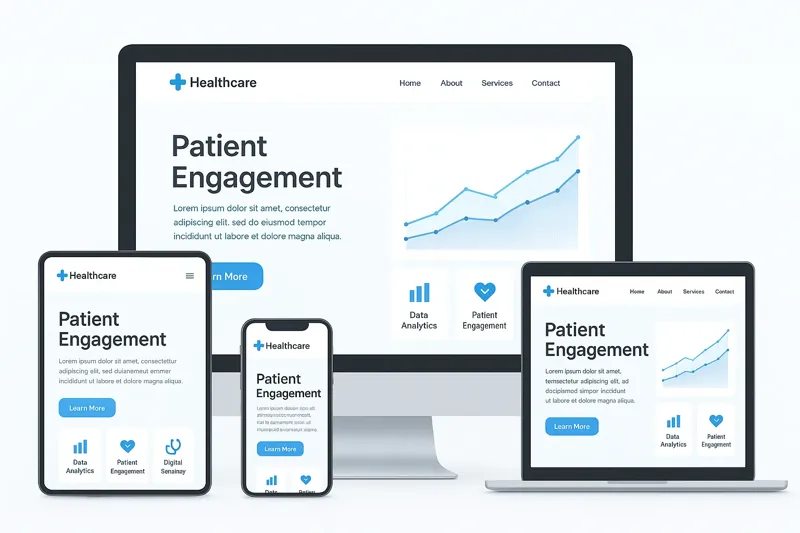
The increasing use of mobile devices for healthcare research—about 70% of patients engage via mobile—necessitates mobile-optimized websites. Mobile-first design ensures convenient, accessible, and efficient browsing experiences, allowing patients to schedule appointments, access provider information, and engage with digital tools anywhere and anytime.
Impact of Online Reputation and Reviews
Online reviews have become as influential as personal recommendations, with 84% of people trusting them equivalently. Practices boasting 4-star ratings or higher typically receive 50% more appointment inquiries. Proactive reputation management, including timely, professional responses to patient feedback, boosts credibility and patient engagement.
These digital strategies collectively enhance patient empowerment, promote convenience, and drive measurable growth in patient acquisition and satisfaction within healthcare organizations.
Understanding Patient-Centric Healthcare: Principles and Practices
What is patient-centric healthcare?
Patient-centric healthcare prioritizes the individual needs, preferences, and desired outcomes of patients throughout the care process. It treats patients as active partners alongside healthcare providers by embracing shared decision-making and full transparency. This approach respects cultural and personal values while addressing clinical, emotional, mental, social, spiritual, and financial aspects of care. Key elements include collaborative communication, family involvement, and redesigning systems to foster trust and patient engagement. The goal is to improve satisfaction, health outcomes, and optimize resource use across various healthcare settings.
What are the 4 P's of patient experience?
Exceptional patient care can be characterized by the 4 P's:
- Proactive: Anticipating and addressing patient needs before they arise.
- Personalized: Delivering tailored care that aligns with each patient’s unique preferences and circumstances.
- Predictive: Using data and analytics to accurately forecast health risks and guide interventions.
- Precise: Providing exact, evidence-based treatments minimizing unnecessary variation.
What are some examples of patient-centered care?
Patient-centered care manifests through multiple practices such as:
- Individualized wellness plans that reflect patient goals and lifestyles.
- Collaborative decision-making ensuring patients actively participate in their treatment choices.
- Compassionate communication to support emotional and mental well-being.
- Comprehensive care coordination through programs like Chronic Care Management (CCM), which reduce hospitalizations and improve outcomes for complex or chronic conditions.
- Addressing social determinants of health by connecting patients with resources to overcome barriers such as transportation or food insecurity.
By embedding these practices, healthcare systems build patient trust, enhance clinical results, and efficiently utilize healthcare resources.
How are patients involved in their care?
Patient involvement is central to this care model, emphasizing shared decision-making and sustained communication. Patients and families are encouraged to contribute to care plans, receive education to understand their conditions, and use tools such as patient portals for self-management. This partnership fosters empowerment and better adherence, leading to improved health outcomes and satisfaction.
These principles and practices collectively drive a more human-centered, effective healthcare experience focused on the whole person rather than just the illness.
Building a Strong Online Presence: Digital Marketing Fundamentals in Healthcare
What is the role of digital marketing in healthcare?
Digital marketing plays a crucial role in increasing healthcare providers’ online visibility and patient engagement. Over 77% of patients researching healthcare providers online and more than 50% perform these searches on mobile devices, highlighting the necessity for mobile-optimized websites and effective Search Engine Optimization (SEO). Local SEO is particularly important as nearly half of all health-related searches have local intent. By optimizing for local keywords and managing online profiles, providers can attract nearby patients efficiently.
Importance of SEO and local SEO
SEO strategies improve search engine rankings, making healthcare practices more discoverable in competitive markets. Local SEO—such as claiming Google My Business listings and incorporating location-specific content—ensures providers appear prominently when patients search for nearby care. This is vital since 46% of Google searches have local intent, greatly influencing patient choice.
Impact of online reviews and reputation management
Online reviews heavily influence patient decisions; 84% of people trust online reviews as much as personal recommendations. Practices with ratings of 4 stars or higher receive significantly more appointment inquiries. Proactive reputation management through timely responses to reviews enhances credibility and patient trust.
Mobile optimization of healthcare websites
With 70% of patients researching healthcare options via mobile devices, having a fast, easy-to-navigate mobile-first website is essential. Mobile optimization increases appointment bookings as 44% of patients using mobile end up scheduling care. Websites must feature streamlined online scheduling and digital communication tools to meet patient expectations for convenience.
Role of social media and content marketing
Social media influences 57% of healthcare consumers’ treatment decisions. Engaging content—such as patient stories, educational videos, and live streams with providers—builds trust and enhances understanding. Personalized content marketing campaigns delivered via email, SMS, and social channels improve patient retention and promote health literacy.
Patient engagement through digital marketing channels
Leveraging HIPAA-compliant digital platforms enables personalized, targeted outreach to patients while protecting privacy. Using data analytics coupled with healthcare CRM systems allows providers to tailor messaging, send appointment reminders, and deliver educational resources that encourage active participation in care. These digital tools contribute to improved treatment adherence, patient satisfaction, and ultimately better health outcomes.
Enhancing Patient Engagement and Experience through Technology

How can patient experience be improved?
Improving patient experience involves strategies aimed at safety, effective communication, and comfort. Minimizing wait times and providing timely status updates reduces patient frustration. Maintaining clean, welcoming environments enhances satisfaction and perceived safety. Transparent communication fosters trust, especially when patients are actively involved in decisions and care planning through culturally competent interactions and personalized follow-ups. Staff engagement and strong incident reporting systems support ongoing quality improvement, reinforcing patient confidence and loyalty. Incorporating innovative digital tools and holistic services further elevates care and engagement.
Patient portals and secure communication
Providing patients with HIPAA-compliant portals enables secure access to medical records, test results, and billing information. Such portals empower patients to participate actively in their healthcare management while ensuring privacy. Secure messaging features facilitate timely communication between patients and care teams, increasing transparency and engagement.
Telehealth and remote monitoring
Telehealth expands access by offering flexible scheduling and reducing travel, especially for rural or underserved populations. Remote monitoring supports complex self-management and timely intervention, particularly for chronic and rare conditions. These digital services enhance patient control and convenience, leading to higher satisfaction and improved health outcomes.
Digital tools to increase activation and participation
Tools such as online appointment scheduling, digital intake forms, and automated reminders simplify administrative tasks, reducing patient burden and no-show rates. Educational content delivered via email or patient portals improves health literacy and encourages preventive care. Personalization of these digital interactions based on patient preferences supports more active involvement in their health journey.
Use of health informatics for data integration and patient empowerment
Health informatics systems integrate electronic health records and digital communication channels to provide comprehensive, timely data to both patients and providers. This enhances coordinated care, reduces errors, and facilitates personalized treatment plans. Data analytics also supports tracking outcomes and tailoring patient engagement strategies for better results.
Overcoming barriers with technology
Language and health literacy barriers can be mitigated with virtual translation services and educational materials designed for diverse literacy levels. Telehealth and secure digital tools overcome geographic and transportation challenges, improving equity of care. These technologies help build patient trust and activate individuals to participate meaningfully in their care, regardless of background or circumstance.
Leveraging Telehealth for Accessible, Flexible Patient-Centered Care

How Does Telehealth Enhance Patient-Centered Care?
Telehealth empowers patients by providing greater control over when, where, and how they receive care. This flexibility allows healthcare to fit more seamlessly into patients' lives, improving convenience and satisfaction. Learn more about Telehealth and patient-centered care.
How Does Telehealth Reduce Geographic and Logistical Barriers?
With nearly 40% of rare disease patients traveling over 60 miles for specialized care, telehealth significantly reduces this burden by enabling virtual consultations. This is especially crucial for rural populations facing provider shortages, transportation issues, and long distances to healthcare facilities. Explore how Reducing travel burdens with telehealth supports access.
In What Ways Does Telehealth Support Complex Condition Management?
Telehealth facilitates the management of complex chronic and rare diseases by offering tools for remote monitoring, timely interventions, and access to multidisciplinary care teams. These features improve patient outcomes by ensuring continuous and coordinated care. Find out about Telehealth supporting complex self-management.
How Does Telehealth Increase Patient Engagement?
Digital portals linked with telehealth platforms enable patients to view medical results, manage bills, and request tests online. Such tools foster active patient participation in care decisions, boosting engagement and satisfaction. For detailed insights, see Increasing patient engagement via telehealth portals.
What Is Telehealth's Impact on Health Equity and Outcomes?
By overcoming geographic, socio-economic, and transportation barriers, telehealth improves access to care for underserved and rural populations, promoting health equity. Studies show telehealth users report higher satisfaction, personalized care, and better health results, underlining its transformative role in patient-centered healthcare. Review the benefits in Promoting health equity with telehealth.
Designing Seamless and Personalized Digital User Experiences in Healthcare
UX design principles for healthcare
Effective healthcare UX design begins with empathy and a thorough understanding of patient behaviors and needs. Employing qualitative research methods such as interviews, focus groups, and quantitative surveys helps uncover patient pain points and preferences, ensuring user-centered development. Clear expectation-setting at each digital touchpoint reduces friction and enhances satisfaction. Learn more about Principles of patient-centric healthcare UX design.
Patient journey mapping and expectation setting
Mapping the patient journey offers insight into all interactions a patient experiences with healthcare systems, from appointment scheduling to follow-up care. This comprehensive perspective enables healthcare providers to align digital tools and services with patient needs, creating smoother, expectation-managed experiences. Read about User journey mapping in healthcare.
Simplifying user processes and reducing patient burden
Healthcare digital interfaces must minimize complexity by automating repetitive tasks like appointment reminders and pre-visit form completion. Streamlined scheduling systems and digital intake forms reduce administrative hurdles and patient stress. Explore strategies on Reducing patient burden in healthcare UX.
Visual aids and progress tracking
Incorporating visual progress indicators and status updates empowers patients to monitor their treatment journey actively. Progress charts foster motivation and a sense of control, which contributes to higher patient engagement and adherence. See more on Use of visual aids in patient engagement.
Accessibility and personalization of digital tools
Digital health platforms should prioritize accessibility by complying with ADA and WCAG standards, ensuring usability for patients with disabilities. Personalization enhances relevance through customized content, reminders, and education tailored to individual patient profiles and treatment stages. Details available at Designing accessible healthcare tools.
These strategies collectively contribute to seamless, user-friendly digital healthcare experiences that support patient-centered care and improve outcomes.
Improving Remote Patient Monitoring: Best Practices and Technology Integration
How to improve remote patient monitoring?
Improving remote patient monitoring (RPM) involves leveraging advanced, FDA-listed devices that provide accurate and reliable data. For example, platforms like Tenovi offer seamless device integration through a single API, simplifying data collection and management.
Optimizing workflow is crucial. This includes clearly defining staff roles, standardizing protocols for device use, and streamlining the process for reviewing patient data. Regular staff training ensures that technology is utilized effectively, maintaining high-quality care delivery.
Patient adherence can be significantly enhanced by incorporating reminders such as LED indicators on devices, prompting consistent use and improving monitoring accuracy.
Data security remains a top priority. RPM must comply with HIPAA-compliant digital platforms to protect patient information, employing encryption and secure data storage practices to maintain confidentiality.
Integration with electronic health records (EHR) is essential for delivering real-time patient insights. This enables healthcare providers to promptly interpret data, adjust care plans, and improve outcomes for chronic disease management.
By combining advanced technology, streamlined workflows, patient adherence support, stringent data security, and robust EHR integration, remote patient monitoring becomes a powerful tool for enhancing patient-centered care.
The Five Pillars of Patient Experience and their Measurement for Quality Improvement

What are the 5 pillars of patient experience?
The five pillars of patient experience are foundational elements healthcare organizations focus on to deliver quality care. These are:
- Effective Communication: Clear, compassionate communication that ensures patients understand their conditions, treatments, and care plans.
- Timely Access to Care: Reducing wait times and providing prompt service to meet patient needs efficiently.
- Personalized Engagement: Tailoring interactions and care plans to meet individual patient preferences and health goals.
- Staff Empathy and Training: Cultivating empathetic provider-patient relationships through continuous staff education and sensitivity training.
- Continuous Feedback Collection: Systematic gathering and analysis of patient feedback to identify areas for improvement.
How is patient experience measured and improved?
Measurement involves several key metrics including:
- Net Promoter Score (NPS): Gauges patient likelihood to recommend the provider, reflecting overall satisfaction and loyalty.
- Overall Satisfaction Scores: Quantitative ratings from surveys that assess patients’ perceptions of their care quality.
- Response Rates and Qualitative Feedback: Collecting comments and narrative feedback provides rich, actionable insights.
Using technologies such as patient portals and digital survey tools facilitates continuous feedback. These tools enable real-time monitoring and rapid response to patient concerns, enhancing trust and engagement.
Staff empathy plays a critical role in building patient trust, which directly influences satisfaction and adherence to care plans. Training programs focusing on communication skills and cultural competence financially benefit organizations through higher patient retention and better health outcomes.
By integrating advanced analytics with these measurement strategies, healthcare providers can personalize patient engagement and administer timely interventions that boost clinical results and loyalty.
Healthcare organizations that emphasize these five pillars and systematically measure patient perceptions create a sustainable culture of patient-centered care, driving both satisfaction and operational success.
Navigating Challenges and Future Trends in Patient-Centric Healthcare Technology
Addressing Health Literacy and Digital Literacy
Improving patient understanding and engagement requires overcoming Patient Activation and Health Outcomes and digital literacy barriers. Delivering educational content at appropriate reading levels, using teach-back methods, and offering supportive resources help patients comprehend complex information. Additionally, accessible design and targeted education can empower patients to navigate digital health tools effectively, enhancing self-management and adherence.
Privacy and HIPAA Compliance in Digital Care
Patient trust hinges on robust privacy protections and HIPAA-Compliant Communication Tools in all digital interactions. Healthcare providers must deploy secure communication platforms such as encrypted portals and telehealth systems, conducting regular staff training and audits to safeguard sensitive data. Compliance ensures not only legal adherence but also fosters confidence among patients engaging with digital services.
AI and Predictive Analytics for Personalized Care
Artificial intelligence and predictive analytics increasingly enable tailored healthcare delivery. These tools analyze patient data to forecast health outcomes and support clinical decision-making, facilitating personalized treatment plans. The integration of AI can increase productivity by up to 20% while improving care quality and reducing hospital readmissions, aligning with value-based care objectives.
Integration of Wearable and Smart Devices
The use of wearable technology and smart devices is expanding to monitor patient behaviors and vital signs remotely. Bluetooth-enabled applications and implantable chips provide continuous health data, supporting proactive interventions. This integration enhances patient engagement and supports holistic, data-driven care approaches across various healthcare settings.
Future Directions in Telehealth and Health Informatics
Telehealth continues to evolve, improving access especially in rural and underserved populations by minimizing travel barriers and enabling multidisciplinary remote care. Concurrently, Benefits of Health Informatics advances streamline data sharing and coordination, contributing to operational efficiency and enhanced patient safety. Emerging trends emphasize interoperability, AI-enhanced communication, and personalized digital experiences to sustain patient-centered healthcare innovation.
Building Patient Loyalty Through Holistic Digital Engagement
Integrating Digital Tools at Every Patient Touchpoint
Successful healthcare practices integrate digital tools across all patient interactions—from online scheduling and telehealth consultations to secure messaging and digital billing. This comprehensive connectivity supports seamless communication and convenience, meeting modern patient expectations for effortless access and appointment management.
Importance of Trust and Transparency
Trust is foundational to patient loyalty. Transparency about data privacy, clear communication regarding treatment and costs, and responsiveness to online reviews significantly enhance patient confidence. HIPAA-compliant portals and secure platforms reassure patients that their information is protected, fostering both trust and engagement.
Continuously Evolving Patient Experience Strategies
Healthcare organizations must refine their digital engagement strategies continuously, adapting to emerging technologies and evolving patient preferences. Incorporating personalized communication, mobile-first design, and real-time feedback mechanisms ensures that digital experiences remain relevant and meaningful.
Impact on Healthcare Outcomes and Practice Competitiveness
Holistic digital engagement improves clinical outcomes by encouraging active patient participation and adherence. It elevates patient satisfaction and loyalty, which directly contributes to practice growth and competitiveness. In a digital-first healthcare market, these strategies distinguish providers by enhancing accessibility, convenience, and personalized care.
The Rise of Patient-Centric Digital Health Experiences
Importance of Digital Presence in Healthcare
In today’s healthcare landscape, having a robust digital presence is indispensable. Studies indicate that 81% of patients research healthcare providers online before making their choice. This behavior underscores how crucial it is for healthcare practices to develop visually appealing, easy-to-navigate, and fast-loading websites. A strong digital footprint significantly influences patient attraction and retention.
Patient Research and Decision-Making Online
Patients rely heavily on online information when selecting their healthcare providers. Approximately 61% of patients choose practitioners based on their digital presence, while 71% consider online reviews important during decision-making. Additionally, 46% of Google searches carry local intent, making local SEO strategies essential to appear prominently in search results and attract nearby patients.
Mobile-First Healthcare Websites
The increasing use of mobile devices for healthcare research—about 70% of patients engage via mobile—necessitates mobile-optimized websites. Mobile-first design ensures convenient, accessible, and efficient browsing experiences, allowing patients to schedule appointments, access provider information, and engage with digital tools anywhere and anytime.
Impact of Online Reputation and Reviews
Online reviews have become as influential as personal recommendations, with 84% of people trusting them equivalently. Practices boasting 4-star ratings or higher typically receive 50% more appointment inquiries. Proactive reputation management, including timely, professional responses to patient feedback, boosts credibility and patient engagement.
These digital strategies collectively enhance patient empowerment, promote convenience, and drive measurable growth in patient acquisition and satisfaction within healthcare organizations.
Understanding Patient-Centric Healthcare: Principles and Practices
What is patient-centric healthcare?
Patient-centric healthcare prioritizes the individual needs, preferences, and desired outcomes of patients throughout the care process. It treats patients as active partners alongside healthcare providers by embracing shared decision-making and full transparency. This approach respects cultural and personal values while addressing clinical, emotional, mental, social, spiritual, and financial aspects of care. Key elements include collaborative communication, family involvement, and redesigning systems to foster trust and patient engagement. The goal is to improve satisfaction, health outcomes, and optimize resource use across various healthcare settings.
What are the 4 P's of patient experience?
Exceptional patient care can be characterized by the 4 P's:
- Proactive: Anticipating and addressing patient needs before they arise.
- Personalized: Delivering tailored care that aligns with each patient’s unique preferences and circumstances.
- Predictive: Using data and analytics to accurately forecast health risks and guide interventions.
- Precise: Providing exact, evidence-based treatments minimizing unnecessary variation.
What are some examples of patient-centered care?
Patient-centered care manifests through multiple practices such as:
- Individualized wellness plans that reflect patient goals and lifestyles.
- Collaborative decision-making ensuring patients actively participate in their treatment choices.
- Compassionate communication to support emotional and mental well-being.
- Comprehensive care coordination through programs like Chronic Care Management (CCM), which reduce hospitalizations and improve outcomes for complex or chronic conditions.
- Addressing social determinants of health by connecting patients with resources to overcome barriers such as transportation or food insecurity.
By embedding these practices, healthcare systems build patient trust, enhance clinical results, and efficiently utilize healthcare resources.
How are patients involved in their care?
Patient involvement is central to this care model, emphasizing shared decision-making and sustained communication. Patients and families are encouraged to contribute to care plans, receive education to understand their conditions, and use tools such as patient portals for self-management. This partnership fosters empowerment and better adherence, leading to improved health outcomes and satisfaction.
These principles and practices collectively drive a more human-centered, effective healthcare experience focused on the whole person rather than just the illness.
Building a Strong Online Presence: Digital Marketing Fundamentals in Healthcare
What is the role of digital marketing in healthcare?
Digital marketing plays a crucial role in increasing healthcare providers’ online visibility and patient engagement. Over 77% of patients researching healthcare providers online and more than 50% perform these searches on mobile devices, highlighting the necessity for mobile-optimized websites and effective Search Engine Optimization (SEO). Local SEO is particularly important as nearly half of all health-related searches have local intent. By optimizing for local keywords and managing online profiles, providers can attract nearby patients efficiently.
Importance of SEO and local SEO
SEO strategies improve search engine rankings, making healthcare practices more discoverable in competitive markets. Local SEO—such as claiming Google My Business listings and incorporating location-specific content—ensures providers appear prominently when patients search for nearby care. This is vital since 46% of Google searches have local intent, greatly influencing patient choice.
Impact of online reviews and reputation management
Online reviews heavily influence patient decisions; 84% of people trust online reviews as much as personal recommendations. Practices with ratings of 4 stars or higher receive significantly more appointment inquiries. Proactive reputation management through timely responses to reviews enhances credibility and patient trust.
Mobile optimization of healthcare websites
With 70% of patients researching healthcare options via mobile devices, having a fast, easy-to-navigate mobile-first website is essential. Mobile optimization increases appointment bookings as 44% of patients using mobile end up scheduling care. Websites must feature streamlined online scheduling and digital communication tools to meet patient expectations for convenience.
Role of social media and content marketing
Social media influences 57% of healthcare consumers’ treatment decisions. Engaging content—such as patient stories, educational videos, and live streams with providers—builds trust and enhances understanding. Personalized content marketing campaigns delivered via email, SMS, and social channels improve patient retention and promote health literacy.
Patient engagement through digital marketing channels
Leveraging HIPAA-compliant digital platforms enables personalized, targeted outreach to patients while protecting privacy. Using data analytics coupled with healthcare CRM systems allows providers to tailor messaging, send appointment reminders, and deliver educational resources that encourage active participation in care. These digital tools contribute to improved treatment adherence, patient satisfaction, and ultimately better health outcomes.
Enhancing Patient Engagement and Experience through Technology
How can patient experience be improved?
Improving patient experience involves strategies aimed at safety, effective communication, and comfort. Minimizing wait times and providing timely status updates reduces patient frustration. Maintaining clean, welcoming environments enhances satisfaction and perceived safety. Transparent communication fosters trust, especially when patients are actively involved in decisions and care planning through culturally competent interactions and personalized follow-ups. Staff engagement and strong incident reporting systems support ongoing quality improvement, reinforcing patient confidence and loyalty. Incorporating innovative digital tools and holistic services further elevates care and engagement.
Patient portals and secure communication
Providing patients with HIPAA-compliant portals enables secure access to medical records, test results, and billing information. Such portals empower patients to participate actively in their healthcare management while ensuring privacy. Secure messaging features facilitate timely communication between patients and care teams, increasing transparency and engagement.
Telehealth and remote monitoring
Telehealth expands access by offering flexible scheduling and reducing travel, especially for rural or underserved populations. Remote monitoring supports complex self-management and timely intervention, particularly for chronic and rare conditions. These digital services enhance patient control and convenience, leading to higher satisfaction and improved health outcomes.
Digital tools to increase activation and participation
Tools such as online appointment scheduling, digital intake forms, and automated reminders simplify administrative tasks, reducing patient burden and no-show rates. Educational content delivered via email or patient portals improves health literacy and encourages preventive care. Personalization of these digital interactions based on patient preferences supports more active involvement in their health journey.
Use of health informatics for data integration and patient empowerment
Health informatics systems integrate electronic health records and digital communication channels to provide comprehensive, timely data to both patients and providers. This enhances coordinated care, reduces errors, and facilitates personalized treatment plans. Data analytics also supports tracking outcomes and tailoring patient engagement strategies for better results.
Overcoming barriers with technology
Language and health literacy barriers can be mitigated with virtual translation services and educational materials designed for diverse literacy levels. Telehealth and secure digital tools overcome geographic and transportation challenges, improving equity of care. These technologies help build patient trust and activate individuals to participate meaningfully in their care, regardless of background or circumstance.
Leveraging Telehealth for Accessible, Flexible Patient-Centered Care
How Does Telehealth Enhance Patient-Centered Care?
Telehealth empowers patients by providing greater control over when, where, and how they receive care. This flexibility allows healthcare to fit more seamlessly into patients' lives, improving convenience and satisfaction. Learn more about Telehealth and patient-centered care.
How Does Telehealth Reduce Geographic and Logistical Barriers?
With nearly 40% of rare disease patients traveling over 60 miles for specialized care, telehealth significantly reduces this burden by enabling virtual consultations. This is especially crucial for rural populations facing provider shortages, transportation issues, and long distances to healthcare facilities. Explore how Reducing travel burdens with telehealth supports access.
In What Ways Does Telehealth Support Complex Condition Management?
Telehealth facilitates the management of complex chronic and rare diseases by offering tools for remote monitoring, timely interventions, and access to multidisciplinary care teams. These features improve patient outcomes by ensuring continuous and coordinated care. Find out about Telehealth supporting complex self-management.
How Does Telehealth Increase Patient Engagement?
Digital portals linked with telehealth platforms enable patients to view medical results, manage bills, and request tests online. Such tools foster active patient participation in care decisions, boosting engagement and satisfaction. For detailed insights, see Increasing patient engagement via telehealth portals.
What Is Telehealth's Impact on Health Equity and Outcomes?
By overcoming geographic, socio-economic, and transportation barriers, telehealth improves access to care for underserved and rural populations, promoting health equity. Studies show telehealth users report higher satisfaction, personalized care, and better health results, underlining its transformative role in patient-centered healthcare. Review the benefits in Promoting health equity with telehealth.
Designing Seamless and Personalized Digital User Experiences in Healthcare
UX design principles for healthcare
Effective healthcare UX design begins with empathy and a thorough understanding of patient behaviors and needs. Employing qualitative research methods such as interviews, focus groups, and quantitative surveys helps uncover patient pain points and preferences, ensuring user-centered development. Clear expectation-setting at each digital touchpoint reduces friction and enhances satisfaction. Learn more about Principles of patient-centric healthcare UX design.
Patient journey mapping and expectation setting
Mapping the patient journey offers insight into all interactions a patient experiences with healthcare systems, from appointment scheduling to follow-up care. This comprehensive perspective enables healthcare providers to align digital tools and services with patient needs, creating smoother, expectation-managed experiences. Read about User journey mapping in healthcare.
Simplifying user processes and reducing patient burden
Healthcare digital interfaces must minimize complexity by automating repetitive tasks like appointment reminders and pre-visit form completion. Streamlined scheduling systems and digital intake forms reduce administrative hurdles and patient stress. Explore strategies on Reducing patient burden in healthcare UX.
Visual aids and progress tracking
Incorporating visual progress indicators and status updates empowers patients to monitor their treatment journey actively. Progress charts foster motivation and a sense of control, which contributes to higher patient engagement and adherence. See more on Use of visual aids in patient engagement.
Accessibility and personalization of digital tools
Digital health platforms should prioritize accessibility by complying with ADA and WCAG standards, ensuring usability for patients with disabilities. Personalization enhances relevance through customized content, reminders, and education tailored to individual patient profiles and treatment stages. Details available at Designing accessible healthcare tools.
These strategies collectively contribute to seamless, user-friendly digital healthcare experiences that support patient-centered care and improve outcomes.
Improving Remote Patient Monitoring: Best Practices and Technology Integration
How to improve remote patient monitoring?
Improving remote patient monitoring (RPM) involves leveraging advanced, FDA-listed devices that provide accurate and reliable data. For example, platforms like Tenovi offer seamless device integration through a single API, simplifying data collection and management.
Optimizing workflow is crucial. This includes clearly defining staff roles, standardizing protocols for device use, and streamlining the process for reviewing patient data. Regular staff training ensures that technology is utilized effectively, maintaining high-quality care delivery.
Patient adherence can be significantly enhanced by incorporating reminders such as LED indicators on devices, prompting consistent use and improving monitoring accuracy.
Data security remains a top priority. RPM must comply with HIPAA-compliant digital platforms to protect patient information, employing encryption and secure data storage practices to maintain confidentiality.
Integration with electronic health records (EHR) is essential for delivering real-time patient insights. This enables healthcare providers to promptly interpret data, adjust care plans, and improve outcomes for chronic disease management.
By combining advanced technology, streamlined workflows, patient adherence support, stringent data security, and robust EHR integration, remote patient monitoring becomes a powerful tool for enhancing patient-centered care.
The Five Pillars of Patient Experience and their Measurement for Quality Improvement
What are the 5 pillars of patient experience?
The five pillars of patient experience are foundational elements healthcare organizations focus on to deliver quality care. These are:
- Effective Communication: Clear, compassionate communication that ensures patients understand their conditions, treatments, and care plans.
- Timely Access to Care: Reducing wait times and providing prompt service to meet patient needs efficiently.
- Personalized Engagement: Tailoring interactions and care plans to meet individual patient preferences and health goals.
- Staff Empathy and Training: Cultivating empathetic provider-patient relationships through continuous staff education and sensitivity training.
- Continuous Feedback Collection: Systematic gathering and analysis of patient feedback to identify areas for improvement.
How is patient experience measured and improved?
Measurement involves several key metrics including:
- Net Promoter Score (NPS): Gauges patient likelihood to recommend the provider, reflecting overall satisfaction and loyalty.
- Overall Satisfaction Scores: Quantitative ratings from surveys that assess patients’ perceptions of their care quality.
- Response Rates and Qualitative Feedback: Collecting comments and narrative feedback provides rich, actionable insights.
Using technologies such as patient portals and digital survey tools facilitates continuous feedback. These tools enable real-time monitoring and rapid response to patient concerns, enhancing trust and engagement.
Staff empathy plays a critical role in building patient trust, which directly influences satisfaction and adherence to care plans. Training programs focusing on communication skills and cultural competence financially benefit organizations through higher patient retention and better health outcomes.
By integrating advanced analytics with these measurement strategies, healthcare providers can personalize patient engagement and administer timely interventions that boost clinical results and loyalty.
Healthcare organizations that emphasize these five pillars and systematically measure patient perceptions create a sustainable culture of patient-centered care, driving both satisfaction and operational success.
Navigating Challenges and Future Trends in Patient-Centric Healthcare Technology
Addressing Health Literacy and Digital Literacy
Improving patient understanding and engagement requires overcoming Patient Activation and Health Outcomes and digital literacy barriers. Delivering educational content at appropriate reading levels, using teach-back methods, and offering supportive resources help patients comprehend complex information. Additionally, accessible design and targeted education can empower patients to navigate digital health tools effectively, enhancing self-management and adherence.
Privacy and HIPAA Compliance in Digital Care
Patient trust hinges on robust privacy protections and HIPAA-Compliant Communication Tools in all digital interactions. Healthcare providers must deploy secure communication platforms such as encrypted portals and telehealth systems, conducting regular staff training and audits to safeguard sensitive data. Compliance ensures not only legal adherence but also fosters confidence among patients engaging with digital services.
AI and Predictive Analytics for Personalized Care
Artificial intelligence and predictive analytics increasingly enable tailored healthcare delivery. These tools analyze patient data to forecast health outcomes and support clinical decision-making, facilitating personalized treatment plans. The integration of AI can increase productivity by up to 20% while improving care quality and reducing hospital readmissions, aligning with value-based care objectives.
Integration of Wearable and Smart Devices
The use of wearable technology and smart devices is expanding to monitor patient behaviors and vital signs remotely. Bluetooth-enabled applications and implantable chips provide continuous health data, supporting proactive interventions. This integration enhances patient engagement and supports holistic, data-driven care approaches across various healthcare settings.
Future Directions in Telehealth and Health Informatics
Telehealth continues to evolve, improving access especially in rural and underserved populations by minimizing travel barriers and enabling multidisciplinary remote care. Concurrently, Benefits of Health Informatics advances streamline data sharing and coordination, contributing to operational efficiency and enhanced patient safety. Emerging trends emphasize interoperability, AI-enhanced communication, and personalized digital experiences to sustain patient-centered healthcare innovation.
Building Patient Loyalty Through Holistic Digital Engagement
Integrating Digital Tools at Every Patient Touchpoint
Successful healthcare practices integrate digital tools across all patient interactions—from online scheduling and telehealth consultations to secure messaging and digital billing. This comprehensive connectivity supports seamless communication and convenience, meeting modern patient expectations for effortless access and appointment management.
Importance of Trust and Transparency
Trust is foundational to patient loyalty. Transparency about data privacy, clear communication regarding treatment and costs, and responsiveness to online reviews significantly enhance patient confidence. HIPAA-compliant portals and secure platforms reassure patients that their information is protected, fostering both trust and engagement.
Continuously Evolving Patient Experience Strategies
Healthcare organizations must refine their digital engagement strategies continuously, adapting to emerging technologies and evolving patient preferences. Incorporating personalized communication, mobile-first design, and real-time feedback mechanisms ensures that digital experiences remain relevant and meaningful.
Impact on Healthcare Outcomes and Practice Competitiveness
Holistic digital engagement improves clinical outcomes by encouraging active patient participation and adherence. It elevates patient satisfaction and loyalty, which directly contributes to practice growth and competitiveness. In a digital-first healthcare market, these strategies distinguish providers by enhancing accessibility, convenience, and personalized care.