.png)


Understanding the New Digital Patient Landscape
The healthcare sector is undergoing a significant transformation driven by the rapid adoption of digital technologies. Patients now expect seamless, personalized, and interactive digital experiences similar to other customer-centric industries. This shift presents new opportunities and challenges for healthcare providers striving to build loyalty and improve patient outcomes through digital engagement. In this article, we explore the best practices, emerging trends, and technological innovations that are reshaping digital patient experience design and fostering long-term loyalty.
Strategic Foundations for Designing Loyalty-Driven Digital Patient Experiences

What are the best strategies and practices for designing digital patient experiences that foster loyalty?
Creating a patient-centered digital environment is essential for building trust, satisfaction, and long-term loyalty. Healthcare organizations should prioritize personalization by tailoring content and services based on individual health data and preferences through analytics and predictive tools. This approach ensures each patient feels understood and valued.
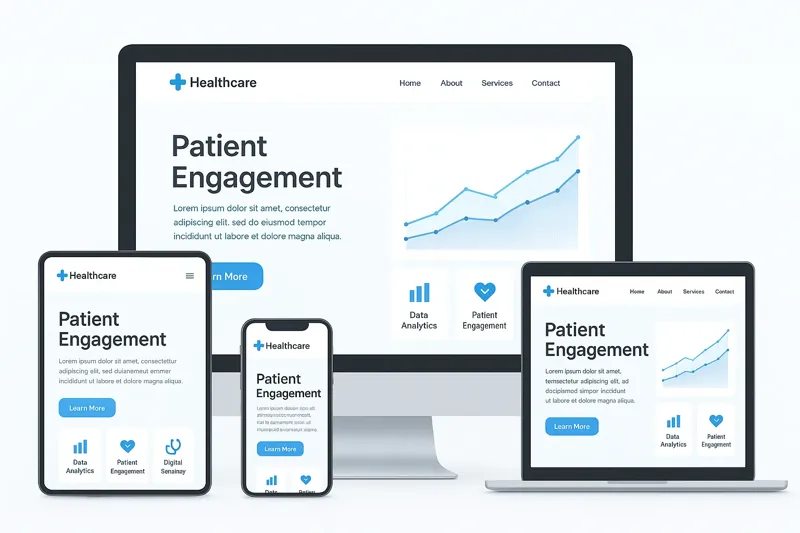
Seamless and intuitive user interfaces are equally important. Easy navigation, mobile-friendly designs, and accessible online tools—such as appointment scheduling, bill payment, and provider directories—allow patients to actively manage their care without frustration. Digital front doors that integrate these features encourage ongoing engagement and reduce barriers.
Patient education and transparent communication are vital for earning trust. Incorporating success stories, educational resources, and clear information about care options help patients feel more confident and involved in their health journey. Consistent, patient-first messaging across websites and digital advertising reinforces reliability and care.
Leveraging analytics enables providers to deliver dynamic, personalized content that adapts to each patient's evolving needs. Regular communication through email, text, or app notifications keeps patients informed, engaged, and motivated to follow care plans.
Maintaining continuous feedback loops—by using surveys and engagement metrics—helps healthcare organizations refine digital services. Responsive support, prompt responses, and reducing notification overload further enhance the user experience.
Ultimately, investing in a comprehensive, engaging, and trustworthy digital platform creates a cycle of loyalty where patients are more likely to stay, review positively, and refer others. This strategic approach ensures both improved health outcomes and organizational growth, making digital patient experience a cornerstone of modern healthcare excellence.
Enhancing Patient Engagement and Satisfaction Through Digital Interfaces and Virtual Care
How can digital healthcare interfaces and virtual care options enhance patient engagement and satisfaction?
Digital healthcare interfaces and virtual care options have transformed the way patients interact with healthcare providers, leading to higher levels of engagement and satisfaction. These platforms offer convenient and accessible ways for patients to communicate, schedule appointments, access health records, and pay bills online. Such immediacy and ease reduce the friction often associated with traditional, in-person visits.
By enabling real-time communication through portals, telehealth, and messaging, patients can receive prompt responses, which fosters a sense of trust and involvement in their care journey. Features like online appointment booking, medication reminders, and digital forms streamline administrative tasks, saving time for both patients and providers.
Importantly, virtual care solutions break down geographical and logistical barriers, providing access to underserved populations including those in rural areas or with mobility challenges. They also support chronic disease management by allowing scheduled remote monitoring and check-ins.
Patient empowerment is further boosted when individuals participate in co-creating digital health tools tailored to their needs. Involving users in the design process helps address disparities in digital literacy, making tools more inclusive and user-friendly.
Overall, these digital innovations cultivate a more personalized, proactive, and efficient healthcare experience. Patients who feel valued and supported through digital engagement are more likely to adhere to treatment plans, resulting in better health outcomes and higher satisfaction levels.
Crafting Personalized and User-Friendly Digital Health Interactions

In today’s digital healthcare landscape, personalization plays a pivotal role in enhancing patient engagement and satisfaction. To create seamless and user-friendly digital health experiences, healthcare organizations leverage various methods rooted in data and design.
One essential approach is using comprehensive patient data. This includes health information, behavior patterns, preferences, and sensor inputs from wearable devices or remote monitoring tools. By analyzing this data, healthcare providers can tailor advice, notifications, and support to meet individual needs more accurately, making interactions more relevant and effective.
Adaptive interfaces are another vital element. These interfaces adjust based on user preferences, technological proficiency, and device type. For example, a mobile app may simplify its layout for older users or those unfamiliar with technology, ensuring accessibility and ease of use.
Artificial Intelligence (AI) enhances personalization through recommendation systems and predictive analytics. These tools analyze past interactions and health trends to suggest appropriate actions, educational content, or reminders at optimal times, thereby supporting proactive health management.
Involving patients directly in the design process—co-creation or co-design—is also crucial. By engaging end-users in testing prototypes, providing feedback, and sharing their needs, developers can ensure digital tools resonate with real-world preferences, creating solutions that patients trust and adopt.
Feedback-based optimization continues this cycle of improvement. Continuous monitoring of user interactions helps identify pain points, inefficiencies, or barriers. Providers can then refine interfaces, content, and functionalities to enhance the overall user journey.
In sum, integrating detailed patient data, adaptive interfaces, AI-driven personalization, co-design with patients, and ongoing feedback analysis creates digital health platforms that are not only tailored to individual needs but also easy and satisfying to navigate. This multidisciplinary approach ensures the delivery of effective, engaging, and trusted digital health experiences, ultimately improving health outcomes and patient loyalty.
Measuring and Elevating Digital Patient Relationships and Engagement Metrics

Understanding and improving the digital patient experience is essential for healthcare success in today's connected environment. Healthcare providers employ various tools and strategies to measure and enhance patient engagement through digital channels.
One effective method is using specialized assessment tools like the Patient Digital Engagement Index (PDEI). This index helps quantify engagement levels across multiple digital touchpoints, including patient portals, appointment scheduling systems, telehealth platforms, and online bill payments. By analyzing large datasets, organizations can identify patterns in patient behavior and measure the impact of their digital tools on health outcomes.
To gauge the quality of digital relationships, providers track a set of key metrics. Patient activation measures how motivated and prepared patients are to manage their health. Net Promoter Score (NPS) evaluates overall satisfaction and likelihood to recommend the care provider. Additional metrics include the number of interactions per month, content completion rates, and time spent on digital platforms. These indicators help identify strengths and areas needing improvement.
Personalization plays a critical role. Tailored content, timely responses, and interactive communication foster deeper trust and loyalty. Utilizing AI-powered communication platforms, such as chatbots or automated messaging, ensures continuous engagement. For example, organizations like Virtua Health and UPMC have successfully incorporated AI systems to enhance responsiveness and streamline patient interactions.
Data-driven cycles are crucial. Continuous analysis of engagement data allows healthcare teams to refine their digital strategies, improve interfaces, and personalize offerings. Regular feedback collection from patients offers insights into their experiences and expectations, enabling iterative improvements.
Combining comprehensive metrics, patient input, and innovative technology creates a powerful framework. This approach not only boosts patient engagement but also enhances overall healthcare quality, trust, and long-term relationships.
| Measurement Tool | What it Tracks | Impact & Examples |
|---|---|---|
| Patient Digital Engagement Index (PDEI) | Multi-platform engagement levels | Identifies usage patterns and outcomes |
| Patient Activation Measure | Readiness to manage health | Predicts adherence and health outcomes |
| Net Promoter Score (NPS) | Overall satisfaction & loyalty | Guides service improvement |
| Interaction Frequency | Number of digital interactions | Indicates engagement depth |
| Content Completion Rates | How patients consume educational content | Reflects platform usability |
| Satisfaction Scores | Patient feedback and rating | Measures perceived quality |
By integrating these tools and metrics, healthcare providers can build stronger digital relationships, increase patient retention, and ultimately deliver more personalized, effective care.
The Role of Healthcare Innovation and Technology Integration in Strengthening Loyalty

How can healthcare innovation and technology integration strengthen patient loyalty?
Healthcare organizations are increasingly leveraging the power of technology to foster stronger, longer-lasting relationships with their patients. The integration of innovative digital tools—such as telehealth, remote patient monitoring, and mobile health applications—offers patients more personalized and convenient care options.
Telehealth and remote monitoring enable continuous engagement outside traditional clinical settings. Patients can manage chronic conditions more effectively and feel a greater sense of security knowing that their health is being monitored proactively. Mobile health apps facilitate easy appointment scheduling, medication reminders, and direct communication channels, boosting convenience and satisfaction.
AI and predictive analytics take personalization to the next level by analyzing patient data to tailor care plans, predict health risks, and recommend preventive interventions. This data-driven approach demonstrates a deep understanding of individual patient needs, which nurtures trust and confidence in healthcare providers.
Behavioral theories underpin many successful digital interventions by increasing patient motivation and adherence. For example, apps that employ gamification or provide real-time feedback encourage positive health behaviors, fostering a sense of accomplishment and commitment.
Enhanced patient support is also achieved through virtual patient education, digital support groups, and AI-powered chatbots that offer around-the-clock assistance. This continuous support network reassures patients and promotes an active role in their health journey.
Overall, integrating these cutting-edge technologies transforms the healthcare experience into more collaborative, responsive, and transparent. Patients feel more engaged, satisfied, and loyal as they perceive their care as aligned with their preferences and lifestyles. In a competitive market, this digital transformation not only improves health outcomes but also builds trust and commitment that translate into long-term patient loyalty.
Emerging Trends in Digital Health Experience Design Driving Patient Retention

What are the latest industry trends and insights on digital health experience design that promote patient retention?
The landscape of digital health is rapidly evolving, with a strong focus on enhancing patient experiences to foster loyalty and retention. A significant trend is the deployment of AI-driven personalization, which tailors digital interactions to individual patient preferences, health histories, and predictive needs. This approach not only makes engagement more relevant but also demonstrates a caring, attentive digital environment.
Central to these developments is the integration of a comprehensive digital front door—an accessible, user-friendly hub that consolidates services like appointment scheduling, bill pay, and provider directories onto web and mobile platforms. This unified experience reduces friction and helps patients navigate their care journeys more smoothly.
Remote monitoring adoption continues to surge, with platforms such as RPM expected to reach 30 million users by 2024. These tools empower continuous care, especially for chronic conditions, while also providing real-time data to clinicians, improving outcomes and patient satisfaction.
Healthcare organizations are increasingly leveraging experience measurement tools like the Digital Experience Scale for Patients (DES/P) to assess usability, relevance, and emotional engagement. These metrics guide iterative improvements, ensuring the digital environment aligns with patient needs and expectations.
Disruptors such as Amazon and Walmart are entering healthcare markets by offering faster, easier digital experiences that challenge traditional providers. Their emphasis on streamlined access, transparent pricing, and rapid service delivery is pushing existing health systems to innovate rapidly.
Overall, these trends reflect a shift toward more human-centered, connected, and data-driven digital health ecosystems. By focusing on personalization, seamless access, and continuous engagement, healthcare providers aim to build lasting patient relationships, resulting in higher retention, better health outcomes, and a competitive advantage in a changing market.
Leveraging Digital Communication and AI-Driven Engagement Solutions in Healthcare

How are digital communication strategies and AI-driven engagement solutions used in healthcare?
Healthcare providers are increasingly adopting digital communication strategies to improve patient experiences and operational efficiency. These techniques include multichannel messaging—such as email, SMS, mobile apps, and patient portals—that ensure patients can connect through their preferred platforms.
AI-powered tools like chatbots and virtual assistants serve as frontline support, answering routine queries, providing health information, and helping schedule appointments. These intelligent systems create a more seamless, immediate interaction for patients, reducing wait times and administrative burdens.
Remote patient monitoring (RPM) is another vital component. By analyzing data from wearable devices and home sensors, healthcare systems can track patient health remotely, predict potential complications, and intervene proactively. For example, chronic disease management benefits greatly from continuous data collection, enabling personalized and timely care.
Advanced AI applications further improve diagnostics and decision-making processes by analyzing complex health data for early detection and risk assessment. AI-driven algorithms assist clinicians in diagnosing conditions faster and more accurately.
In addition to improving care delivery, AI supports cost reduction and access enhancement. Automating administrative tasks like billing and documentation frees up resources, while virtual consultations remove geographical barriers, making healthcare more accessible.
Overall, the integration of digital communication and AI in healthcare fosters a patient-centric environment where interactions are personalized, timely, and efficient. This technological shift aims to enhance patient satisfaction, improve health outcomes, and optimize healthcare operations, especially as telemedicine and remote monitoring become integral to modern healthcare services.
Integrating Innovation and Patient-Centered Design to Build Lasting Loyalty
Designing digital patient experiences that drive loyalty requires a sophisticated blend of personalization, seamless usability, and ongoing engagement powered by innovative technology. Healthcare providers must continuously measure and refine their digital patient interactions, adopting AI-driven tools and communication strategies to meet evolving patient expectations. By embedding patient education, transparency, and accessibility in every digital touchpoint, organizations not only enhance satisfaction but also reduce costs associated with low engagement and poor adherence. Looking forward, embracing emerging trends like integrated digital front doors and predictive analytics will be essential to staying competitive amid healthcare disruptors. Ultimately, a patient-centered, technology-enabled digital ecosystem fosters trust, improves outcomes, and secures lasting patient loyalty in the rapidly evolving healthcare landscape.
References
- Designing a Digital Patient Experience to Cut Confusion ...
- Building Patient Loyalty with Better Digital Healthcare ...
- BUILDING PATIENT LOYALTY WITH EFFECTIVE ...
- Future-proof your practice with digital patient experiences
- How to Optimize Digital Patient Relationships
- Improve Patient Experiences From First Contact: The Key Is ...
- How Digital-First Software is Transforming Patient ...
- Designing digital patient experiences
- How Telemedicine Is Improving Patient Outcomes and ...
- Impact of Virtual Care on Patient Engagement
Understanding the New Digital Patient Landscape
The healthcare sector is undergoing a significant transformation driven by the rapid adoption of digital technologies. Patients now expect seamless, personalized, and interactive digital experiences similar to other customer-centric industries. This shift presents new opportunities and challenges for healthcare providers striving to build loyalty and improve patient outcomes through digital engagement. In this article, we explore the best practices, emerging trends, and technological innovations that are reshaping digital patient experience design and fostering long-term loyalty.
Strategic Foundations for Designing Loyalty-Driven Digital Patient Experiences
What are the best strategies and practices for designing digital patient experiences that foster loyalty?
Creating a patient-centered digital environment is essential for building trust, satisfaction, and long-term loyalty. Healthcare organizations should prioritize personalization by tailoring content and services based on individual health data and preferences through analytics and predictive tools. This approach ensures each patient feels understood and valued.
Seamless and intuitive user interfaces are equally important. Easy navigation, mobile-friendly designs, and accessible online tools—such as appointment scheduling, bill payment, and provider directories—allow patients to actively manage their care without frustration. Digital front doors that integrate these features encourage ongoing engagement and reduce barriers.
Patient education and transparent communication are vital for earning trust. Incorporating success stories, educational resources, and clear information about care options help patients feel more confident and involved in their health journey. Consistent, patient-first messaging across websites and digital advertising reinforces reliability and care.
Leveraging analytics enables providers to deliver dynamic, personalized content that adapts to each patient's evolving needs. Regular communication through email, text, or app notifications keeps patients informed, engaged, and motivated to follow care plans.
Maintaining continuous feedback loops—by using surveys and engagement metrics—helps healthcare organizations refine digital services. Responsive support, prompt responses, and reducing notification overload further enhance the user experience.
Ultimately, investing in a comprehensive, engaging, and trustworthy digital platform creates a cycle of loyalty where patients are more likely to stay, review positively, and refer others. This strategic approach ensures both improved health outcomes and organizational growth, making digital patient experience a cornerstone of modern healthcare excellence.
Enhancing Patient Engagement and Satisfaction Through Digital Interfaces and Virtual Care
How can digital healthcare interfaces and virtual care options enhance patient engagement and satisfaction?
Digital healthcare interfaces and virtual care options have transformed the way patients interact with healthcare providers, leading to higher levels of engagement and satisfaction. These platforms offer convenient and accessible ways for patients to communicate, schedule appointments, access health records, and pay bills online. Such immediacy and ease reduce the friction often associated with traditional, in-person visits.
By enabling real-time communication through portals, telehealth, and messaging, patients can receive prompt responses, which fosters a sense of trust and involvement in their care journey. Features like online appointment booking, medication reminders, and digital forms streamline administrative tasks, saving time for both patients and providers.
Importantly, virtual care solutions break down geographical and logistical barriers, providing access to underserved populations including those in rural areas or with mobility challenges. They also support chronic disease management by allowing scheduled remote monitoring and check-ins.
Patient empowerment is further boosted when individuals participate in co-creating digital health tools tailored to their needs. Involving users in the design process helps address disparities in digital literacy, making tools more inclusive and user-friendly.
Overall, these digital innovations cultivate a more personalized, proactive, and efficient healthcare experience. Patients who feel valued and supported through digital engagement are more likely to adhere to treatment plans, resulting in better health outcomes and higher satisfaction levels.
Crafting Personalized and User-Friendly Digital Health Interactions
In today’s digital healthcare landscape, personalization plays a pivotal role in enhancing patient engagement and satisfaction. To create seamless and user-friendly digital health experiences, healthcare organizations leverage various methods rooted in data and design.
One essential approach is using comprehensive patient data. This includes health information, behavior patterns, preferences, and sensor inputs from wearable devices or remote monitoring tools. By analyzing this data, healthcare providers can tailor advice, notifications, and support to meet individual needs more accurately, making interactions more relevant and effective.
Adaptive interfaces are another vital element. These interfaces adjust based on user preferences, technological proficiency, and device type. For example, a mobile app may simplify its layout for older users or those unfamiliar with technology, ensuring accessibility and ease of use.
Artificial Intelligence (AI) enhances personalization through recommendation systems and predictive analytics. These tools analyze past interactions and health trends to suggest appropriate actions, educational content, or reminders at optimal times, thereby supporting proactive health management.
Involving patients directly in the design process—co-creation or co-design—is also crucial. By engaging end-users in testing prototypes, providing feedback, and sharing their needs, developers can ensure digital tools resonate with real-world preferences, creating solutions that patients trust and adopt.
Feedback-based optimization continues this cycle of improvement. Continuous monitoring of user interactions helps identify pain points, inefficiencies, or barriers. Providers can then refine interfaces, content, and functionalities to enhance the overall user journey.
In sum, integrating detailed patient data, adaptive interfaces, AI-driven personalization, co-design with patients, and ongoing feedback analysis creates digital health platforms that are not only tailored to individual needs but also easy and satisfying to navigate. This multidisciplinary approach ensures the delivery of effective, engaging, and trusted digital health experiences, ultimately improving health outcomes and patient loyalty.
Measuring and Elevating Digital Patient Relationships and Engagement Metrics
Understanding and improving the digital patient experience is essential for healthcare success in today's connected environment. Healthcare providers employ various tools and strategies to measure and enhance patient engagement through digital channels.
One effective method is using specialized assessment tools like the Patient Digital Engagement Index (PDEI). This index helps quantify engagement levels across multiple digital touchpoints, including patient portals, appointment scheduling systems, telehealth platforms, and online bill payments. By analyzing large datasets, organizations can identify patterns in patient behavior and measure the impact of their digital tools on health outcomes.
To gauge the quality of digital relationships, providers track a set of key metrics. Patient activation measures how motivated and prepared patients are to manage their health. Net Promoter Score (NPS) evaluates overall satisfaction and likelihood to recommend the care provider. Additional metrics include the number of interactions per month, content completion rates, and time spent on digital platforms. These indicators help identify strengths and areas needing improvement.
Personalization plays a critical role. Tailored content, timely responses, and interactive communication foster deeper trust and loyalty. Utilizing AI-powered communication platforms, such as chatbots or automated messaging, ensures continuous engagement. For example, organizations like Virtua Health and UPMC have successfully incorporated AI systems to enhance responsiveness and streamline patient interactions.
Data-driven cycles are crucial. Continuous analysis of engagement data allows healthcare teams to refine their digital strategies, improve interfaces, and personalize offerings. Regular feedback collection from patients offers insights into their experiences and expectations, enabling iterative improvements.
Combining comprehensive metrics, patient input, and innovative technology creates a powerful framework. This approach not only boosts patient engagement but also enhances overall healthcare quality, trust, and long-term relationships.
| Measurement Tool | What it Tracks | Impact & Examples |
|---|---|---|
| Patient Digital Engagement Index (PDEI) | Multi-platform engagement levels | Identifies usage patterns and outcomes |
| Patient Activation Measure | Readiness to manage health | Predicts adherence and health outcomes |
| Net Promoter Score (NPS) | Overall satisfaction & loyalty | Guides service improvement |
| Interaction Frequency | Number of digital interactions | Indicates engagement depth |
| Content Completion Rates | How patients consume educational content | Reflects platform usability |
| Satisfaction Scores | Patient feedback and rating | Measures perceived quality |
By integrating these tools and metrics, healthcare providers can build stronger digital relationships, increase patient retention, and ultimately deliver more personalized, effective care.
The Role of Healthcare Innovation and Technology Integration in Strengthening Loyalty
How can healthcare innovation and technology integration strengthen patient loyalty?
Healthcare organizations are increasingly leveraging the power of technology to foster stronger, longer-lasting relationships with their patients. The integration of innovative digital tools—such as telehealth, remote patient monitoring, and mobile health applications—offers patients more personalized and convenient care options.
Telehealth and remote monitoring enable continuous engagement outside traditional clinical settings. Patients can manage chronic conditions more effectively and feel a greater sense of security knowing that their health is being monitored proactively. Mobile health apps facilitate easy appointment scheduling, medication reminders, and direct communication channels, boosting convenience and satisfaction.
AI and predictive analytics take personalization to the next level by analyzing patient data to tailor care plans, predict health risks, and recommend preventive interventions. This data-driven approach demonstrates a deep understanding of individual patient needs, which nurtures trust and confidence in healthcare providers.
Behavioral theories underpin many successful digital interventions by increasing patient motivation and adherence. For example, apps that employ gamification or provide real-time feedback encourage positive health behaviors, fostering a sense of accomplishment and commitment.
Enhanced patient support is also achieved through virtual patient education, digital support groups, and AI-powered chatbots that offer around-the-clock assistance. This continuous support network reassures patients and promotes an active role in their health journey.
Overall, integrating these cutting-edge technologies transforms the healthcare experience into more collaborative, responsive, and transparent. Patients feel more engaged, satisfied, and loyal as they perceive their care as aligned with their preferences and lifestyles. In a competitive market, this digital transformation not only improves health outcomes but also builds trust and commitment that translate into long-term patient loyalty.
Emerging Trends in Digital Health Experience Design Driving Patient Retention
What are the latest industry trends and insights on digital health experience design that promote patient retention?
The landscape of digital health is rapidly evolving, with a strong focus on enhancing patient experiences to foster loyalty and retention. A significant trend is the deployment of AI-driven personalization, which tailors digital interactions to individual patient preferences, health histories, and predictive needs. This approach not only makes engagement more relevant but also demonstrates a caring, attentive digital environment.
Central to these developments is the integration of a comprehensive digital front door—an accessible, user-friendly hub that consolidates services like appointment scheduling, bill pay, and provider directories onto web and mobile platforms. This unified experience reduces friction and helps patients navigate their care journeys more smoothly.
Remote monitoring adoption continues to surge, with platforms such as RPM expected to reach 30 million users by 2024. These tools empower continuous care, especially for chronic conditions, while also providing real-time data to clinicians, improving outcomes and patient satisfaction.
Healthcare organizations are increasingly leveraging experience measurement tools like the Digital Experience Scale for Patients (DES/P) to assess usability, relevance, and emotional engagement. These metrics guide iterative improvements, ensuring the digital environment aligns with patient needs and expectations.
Disruptors such as Amazon and Walmart are entering healthcare markets by offering faster, easier digital experiences that challenge traditional providers. Their emphasis on streamlined access, transparent pricing, and rapid service delivery is pushing existing health systems to innovate rapidly.
Overall, these trends reflect a shift toward more human-centered, connected, and data-driven digital health ecosystems. By focusing on personalization, seamless access, and continuous engagement, healthcare providers aim to build lasting patient relationships, resulting in higher retention, better health outcomes, and a competitive advantage in a changing market.
Leveraging Digital Communication and AI-Driven Engagement Solutions in Healthcare
How are digital communication strategies and AI-driven engagement solutions used in healthcare?
Healthcare providers are increasingly adopting digital communication strategies to improve patient experiences and operational efficiency. These techniques include multichannel messaging—such as email, SMS, mobile apps, and patient portals—that ensure patients can connect through their preferred platforms.
AI-powered tools like chatbots and virtual assistants serve as frontline support, answering routine queries, providing health information, and helping schedule appointments. These intelligent systems create a more seamless, immediate interaction for patients, reducing wait times and administrative burdens.
Remote patient monitoring (RPM) is another vital component. By analyzing data from wearable devices and home sensors, healthcare systems can track patient health remotely, predict potential complications, and intervene proactively. For example, chronic disease management benefits greatly from continuous data collection, enabling personalized and timely care.
Advanced AI applications further improve diagnostics and decision-making processes by analyzing complex health data for early detection and risk assessment. AI-driven algorithms assist clinicians in diagnosing conditions faster and more accurately.
In addition to improving care delivery, AI supports cost reduction and access enhancement. Automating administrative tasks like billing and documentation frees up resources, while virtual consultations remove geographical barriers, making healthcare more accessible.
Overall, the integration of digital communication and AI in healthcare fosters a patient-centric environment where interactions are personalized, timely, and efficient. This technological shift aims to enhance patient satisfaction, improve health outcomes, and optimize healthcare operations, especially as telemedicine and remote monitoring become integral to modern healthcare services.
Integrating Innovation and Patient-Centered Design to Build Lasting Loyalty
Designing digital patient experiences that drive loyalty requires a sophisticated blend of personalization, seamless usability, and ongoing engagement powered by innovative technology. Healthcare providers must continuously measure and refine their digital patient interactions, adopting AI-driven tools and communication strategies to meet evolving patient expectations. By embedding patient education, transparency, and accessibility in every digital touchpoint, organizations not only enhance satisfaction but also reduce costs associated with low engagement and poor adherence. Looking forward, embracing emerging trends like integrated digital front doors and predictive analytics will be essential to staying competitive amid healthcare disruptors. Ultimately, a patient-centered, technology-enabled digital ecosystem fosters trust, improves outcomes, and secures lasting patient loyalty in the rapidly evolving healthcare landscape.
References
- Designing a Digital Patient Experience to Cut Confusion ...
- Building Patient Loyalty with Better Digital Healthcare ...
- BUILDING PATIENT LOYALTY WITH EFFECTIVE ...
- Future-proof your practice with digital patient experiences
- How to Optimize Digital Patient Relationships
- Improve Patient Experiences From First Contact: The Key Is ...
- How Digital-First Software is Transforming Patient ...
- Designing digital patient experiences
- How Telemedicine Is Improving Patient Outcomes and ...
- Impact of Virtual Care on Patient Engagement