


Understanding the Critical Role of Compliance in Healthcare Marketing
Overview of Healthcare Compliance in Digital Marketing
Healthcare marketing in the U.S. operates within a rigorous regulatory environment designed to protect patient privacy and data security. Central to these regulations is HIPAA, which governs the handling, use, and disclosure of Protected Health Information (PHI). Digital marketing channels—such as email, social media, websites, and ad platforms—must be carefully managed to ensure no unauthorized PHI is compromised. Compliance also requires healthcare organizations to obtain explicit patient authorization before utilizing any identifiable health information for marketing purposes and to use HIPAA-compliant platforms that incorporate encryption, access controls, and audit logs.
Significance of Adherence to Regulations like HIPAA
Adherence to laws including HIPAA, HITECH, and FTC guidelines is critical for safeguarding patient trust and maintaining a reputable brand presence. Compliant marketing builds transparency, supports ethical communication, and fosters better patient engagement. Implementing consent management protocols, data de-identification techniques, and secure communication channels minimizes privacy risks and aligns marketing efforts with legal mandates. In addition, staff training, comprehensive compliance programs, and vigilant audit processes are foundational to keeping organizations up to date with evolving regulations.
Consequences of Non-Compliance in Healthcare Marketing
Failure to comply with healthcare marketing regulations can lead to severe legal and financial repercussions. Penalties for HIPAA violations often range from hundreds of thousands to over $2 million per incident, accompanied by potential criminal charges including imprisonment. Non-compliance can also result in costly recoupments, loss of program eligibility, and damaging reputational injury. Moreover, breaches expose organizations to data theft and undermine patient confidence, which negatively impacts engagement and long-term growth. Increasing regulatory scrutiny and targeted audits make maintaining compliance an indispensable strategic priority in healthcare marketing.
Healthcare Digital Marketing Compliance and Risks - Key Facts
- Healthcare digital marketing in the US is governed by HIPAA, FTC, and FDA regulations, with strict rules on PHI confidentiality.
- HIPAA violations can lead to fines from $137 to over $2 million and criminal penalties including prison sentences of up to 10 years.
- Ignoring compliance exposes providers to multi-million dollar fines, criminal charges, and reputational damage.
- Ensuring patient privacy through secure, encrypted technologies enhances trust and long-term patient relationships.
- Healthcare marketing must uphold truthful, transparent messaging, disclosing data use, and avoiding unsubstantiated claims.
- Data breaches in healthcare marketing pose significant privacy risks and can incur large fines under HIPAA and HITECH.
- Using HIPAA-compliant platforms with BAAs and encryption is essential for safeguarding PHI in marketing activities.
- Navigating healthcare marketing laws requires expert legal guidance due to federal and state overlapping regulations like CCPA.
- Reputational risks from PHI mismanagement include investigations and loss of patient trust; documented consent and staff training help mitigate this.
- Implementing automation tools with audit trails reduces manual errors, shortens approval cycles, and enhances regulatory compliance.
1. Avoiding Hefty Legal Penalties and Severe Financial Fines

Legal framework for healthcare digital marketing compliance
Healthcare digital marketing in the United States falls under strict legal oversight primarily through HIPAA overview for healthcare marketing, along with regulations from the FTC and FDA in some cases. HIPAA mandates the confidentiality and integrity of protected health information (PHI) in all marketing communications, requiring explicit patient authorization before use. These rules also extend to all digital channels including email, social media, and website tracking tools.
Potential fines for HIPAA violations in marketing
Violations of HIPAA marketing rules can result in substantial financial penalties. Fines range from $137 for minor, unknowing infractions to over $2 million per violation for willful neglect cases. In 2023, the average fine for HIPAA violations related to marketing reached approximately $1.3 million, reflecting regulators' increased scrutiny on compliance in healthcare marketing practices.
Criminal penalties associated with non-compliance
Beyond fines, severe breaches may lead to criminal charges with prison sentences between one and ten years. These penalties apply especially when marketing activities involve fraudulent use or unauthorized disclosure of PHI, demonstrating the government's commitment to enforcing compliance and protecting patient privacy, as emphasized by HIPAA compliance for healthcare professionals.
Examples of costly enforcement actions
Several enforcement actions illustrate the risks of non-compliance: for example, a 2017 case where Allergy Associates of Hartford faced fines for improperly handling PHI in their digital marketing, and a Texas dental practice that settled after unauthorized social media disclosures of patient information. Such cases highlight that even inadvertent lapses can provoke costly settlements and reputational harm, as detailed in HIPAA compliance in digital marketing.
Why is ignoring healthcare digital marketing compliance risky in terms of legal repercussions?
Ignoring healthcare digital marketing compliance exposes providers to significant legal penalties including multi-million dollar fines and possible criminal charges, as HIPAA mandates strict protection of PHI in marketing. Violations can lead to fines ranging from thousands to over $2 million per incident, with criminal sentences up to 10 years for severe offenses, underscored by the broader Healthcare compliance mistakes and Healthcare Privacy Laws in Digital Marketing.
2. Protecting Patient Privacy and Maintaining Trust

Why is protecting patient privacy crucial in healthcare digital marketing?
Protecting patient privacy is fundamental to maintaining trust and ethical standards in healthcare marketing. HIPAA compliance for healthcare marketing requires strict confidentiality of Protected Health Information (PHI) and mandate controls to prevent unauthorized use or disclosures.
Importance of safeguarding Protected Health Information (PHI)
PHI includes sensitive data such as demographics, diagnoses, and treatment information. Safeguarding this information is essential to avoid violations that can lead to severe penalties, including fines up to $2 million per violation and potential criminal charges.
HIPAA Privacy Rule mandates
The HIPAA Privacy Rule and marketing empowers patients to control how their PHI is used, requiring explicit authorization for marketing communications involving PHI. Exceptions exist but are limited, emphasizing the need for transparency and patient consent.
The impact of data breaches on patient trust
Healthcare faces frequent data breaches, with major incidents occurring daily. Such breaches undermine patient confidence, damage organizational reputation, and increase legal risks. Compliance reduces these risks and demonstrates organizational commitment to privacy.
How compliance enhances patient-provider relationships
By ensuring confidentiality and respecting patient data rights, compliant marketing fosters trust and strengthens patient engagement. Transparent communication builds loyalty and supports better healthcare outcomes over time.
Healthcare marketers who adhere to Healthcare Privacy Laws in Digital Marketing and employ secure, encrypted technologies create a reliable environment that benefits both patients and providers in the highly regulated Healthcare compliance mistakes.
3. Ensuring Transparency and Ethical Communication Practices

Regulatory Requirements for Transparency in Healthcare Ads
Healthcare advertising in the US is governed by strict regulations like HIPAA compliance in marketing, FDA, and FTC guidelines that require truthful, clear, and non-deceptive messaging. Transparency mandates include full disclosure of any use of patient data in marketing materials and clear communication regarding treatment benefits and limitations. Compliance with these laws avoids serious penalties and enhances patient trust.
Avoiding Misleading or Unsubstantiated Claims
To meet regulatory and ethical standards, healthcare marketers must ensure all claims are evidence-based, citing peer-reviewed sources or clinical data. Unsubstantiated promises or guarantees can lead to legal sanctions and damage organizational reputation. Consistent healthcare compliance audits help maintain the accuracy and integrity of marketing content.
Disclosures About Use of Patient Data in Marketing
HIPAA requires explicit patient authorization before using protected health information (PHI) for marketing. Marketers must disclose how patient data is utilized, including any third-party involvement or remuneration. These disclosures foster patient autonomy and uphold privacy standards essential for ethical marketing.
Building Credibility Through Compliant Communication
Compliance underpins ethical communication by promoting transparency, honesty, and patient-centered messaging. This builds long-term credibility with patients and stakeholders, mitigates legal risk, and ultimately supports improved patient engagement and outcomes.
How does compliance contribute to ethical healthcare marketing communications?
Compliance ensures healthcare marketing messaging remains truthful, transparent, and substantiated, preventing misleading claims about treatments or outcomes. It mandates disclosures when patient data is used, fostering transparency that builds organizational credibility and safeguards consumers against deceptive practices as detailed in 7 Key Benefits of Advertising Compliance in Healthcare.
4. Preventing Costly Data Breaches and Enhancing Cybersecurity
Why is compliance essential for preventing data breaches in healthcare digital marketing?
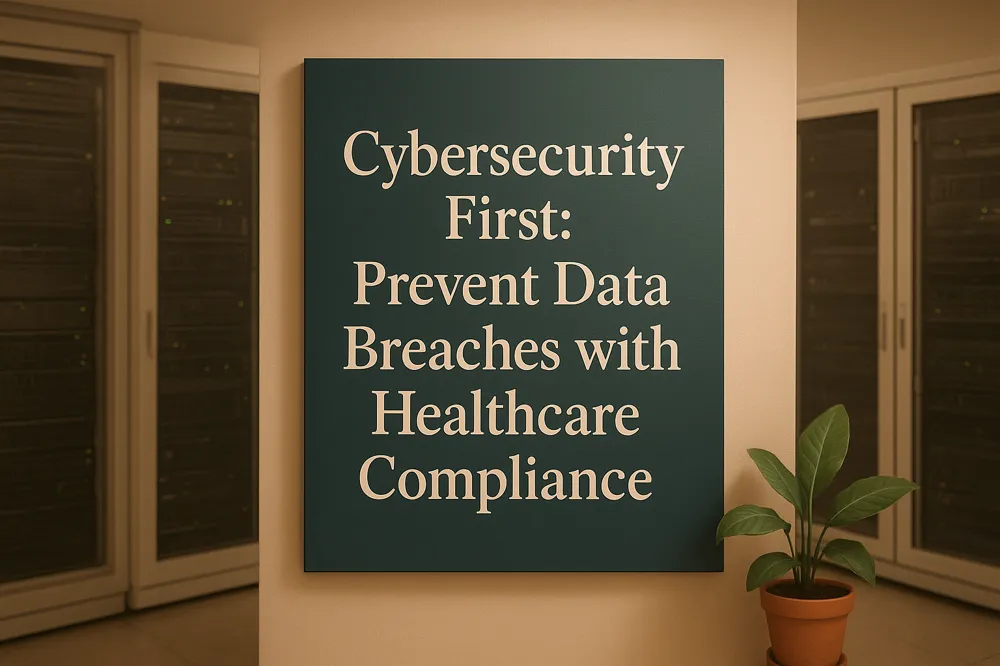
Compliance mandates the use of secure systems, encryption, and strict access controls to protect protected health information (PHI) from breaches. Without adherence to regulatory standards such as HIPAA and HITECH, healthcare organizations face frequent data exposures that can harm patients, incur significant fines, and damage reputations. Cybersecurity is thus a critical pillar of healthcare marketing compliance.
Risks of data breaches in healthcare marketing
Healthcare marketing often involves handling sensitive protected health information (PHI), making it a prime target for data breaches. The medical field experiences multiple major breaches daily, potentially exposing demographics, diagnoses, and provider details. Such breaches not only threaten patient privacy but also result in costly federal investigations and penalties.
Regulatory impact of breaches including HIPAA and HITECH
Federal laws like HIPAA and HITECH enforce strict safeguards on patient data. Violations can result in fines ranging from thousands to millions of dollars, alongside criminal penalties including imprisonment. The Health and Human Services (HHS) department frequently investigates breaches to ensure compliance. Additionally, non-compliance can affect eligibility for Medicare, Medicaid, and other government programs.
Techniques for protecting PHI such as encryption and access controls
Effective protection of PHI demands encrypted data transmission and storage, multi-factor authentication, and least-privilege access enforcement. Encrypting emails and digital communications ensures confidentiality during transit. Implementing robust audit trails and continuous monitoring helps detect unauthorized activity promptly. These best practices align with HIPAA compliance in digital marketing and digital marketing HIPAA compliance guidelines.
Role of HIPAA-compliant platforms and vendor agreements
Using HIPAA-compliant marketing platforms with built-in encryption, access restrictions, and audit logging is fundamental. Vendors handling PHI must sign Business Associate Agreements (BAAs) outlining their responsibilities for safeguarding data and breach notifications. Choosing such compliant solutions mitigates risk and ensures accountability across marketing operations.
| Aspect | Description | Benefits |
|---|---|---|
| Compliance Requirements | Adherence to HIPAA, HITECH regulations | Avoid legal penalties and fines |
| Security Techniques | Encryption, access control, audit logs | Minimizes breach risks |
| Technology Solutions | HIPAA-certified platforms and software | Streamlines compliance and protects PHI |
| Vendor Management | Business Associate Agreements (BAAs) | Ensures third-party accountability |
Through integrating stringent cybersecurity measures and maintaining regulatory compliance, healthcare marketers can protect sensitive patient information and uphold trust while avoiding costly data breaches.
5. Navigating Complex Legal and Regulatory Landscapes

Overview of multifaceted healthcare marketing laws including HIPAA, FTC, FDA
Healthcare marketing in the U.S. is governed by a complex network of laws. The Health Insurance Portability and Accountability Act (HIPAA) strictly regulates the use and disclosure of Protected Health Information (PHI), mandating confidentiality, requiring explicit patient consent for marketing, and enforcing safeguards on digital communications. Additionally, the Federal Trade Commission (FTC) oversees truthfulness and fairness in advertising claims, while the Food and Drug Administration (FDA) monitors prescription drug and medical service advertisements to ensure safety and accuracy.
Impact of state-specific laws such as CCPA
Beyond federal regulations, state laws like the California Consumer Privacy Act (CCPA) add another layer of compliance. These laws may impose stricter requirements around data privacy, consent management, and patient rights. Healthcare marketers must navigate these overlapping rules, which often require tailored approaches depending on the state of operation, complicating campaign planning and execution.
Challenges posed by evolving regulations and technology
Healthcare marketing faces challenges from rapidly changing legal interpretations and technological advances. For example, recent federal guidance expanded the scope of PHI to include data collected via digital tracking pixels and analytics tools, significantly affecting digital marketing strategies. Non-compliant use of popular platforms like Google Analytics or Facebook Pixels can lead to significant penalties. Furthermore, the rise of telehealth and mobile health apps demands continuous updating of compliance measures to meet new standards in patient data protection. For details on HIPAA marketing rules, HIPAA-compliant marketing platforms, and telemedicine legal compliance, consult these resources.
Importance of professional compliance guidance
Given this complexity, expert compliance support is essential. Utilizing Healthcare Marketing Challenges, consulting legal professionals, and maintaining up-to-date training for marketing teams help reduce risks. Contractual agreements, such as Business Associate Agreements (BAAs), with vendors handling PHI, are crucial. Continuous audits and proactive monitoring ensure marketing activities adhere to both federal and state laws as outlined in HIPAA-compliant healthcare marketing best practices and other compliance frameworks.
How does compliance help healthcare marketers navigate complex legal regulations?
Compliance frameworks provide healthcare marketers with structured guidance to understand and apply intricate federal and state laws relevant to PHI and marketing communications. Staying current with regulations and relying on professional legal counsel mitigates the risk of inadvertent violations, thereby protecting organizations from costly penalties and reputation damage in a dynamic regulatory landscape. Emphasizing Transparency in healthcare and building patient trust through compliance are key benefits detailed in Comprehensive compliance program.
6. Avoiding Marketing Missteps That Damage Brand and Reputation
What are the reputational risks of ignoring healthcare marketing compliance?
Ignoring healthcare marketing compliance poses significant reputational risks. Unauthorized disclosures of Protected Health Information (PHI), especially on social media or within email marketing, can lead to investigations by the Office for Civil Rights (OCR) and severe public backlash. Leaks or mishandling of patient data not only breach HIPAA compliance in digital marketing but also severely damage patient trust and loyalty.
Risks of non-compliance including improper social media use
Healthcare professionals must be especially cautious with social media posts. Disclosing PHI without explicit patient consent—even inadvertently—can result in large fines and loss of credibility. Misinformation on social platforms can also lead to legal liabilities and harm public health, emphasizing the necessity of strict social media policies for healthcare organizations.
Consequences of unauthorized PHI disclosures
Unauthorized disclosure or misuse of PHI triggers regulatory penalties ranging from financial fines to criminal charges. These violations weaken a healthcare organization's brand reputation and may cause operational disruptions due to investigations and mandated corrective actions related to Healthcare compliance mistakes.
Managing reputation through compliant review responses
Responding to online reviews in a compliant manner protects patient confidentiality. Providers should avoid referencing specific health details and give general, non-identifying responses to maintain trust without violating HIPAA compliance audits for marketing privacy laws.
Benefits of documented consent and staff training
Documenting patient authorizations for marketing use and regularly training staff on HIPAA and marketing compliance protocols build a culture of accountability. This approach reduces the risk of inadvertent violations, supports effective crisis management, and enhances overall reputation by demonstrating ethical marketing in healthcare.
7. Maximizing Marketing Efficiency Through Compliance Automation
Automation Tools That Enable Regulatory Compliance
Healthcare organizations increasingly rely on specialized marketing automation platforms designed to ensure Regulatory Healthcare Compliance. These tools typically feature data encryption, strict access controls, audit trails, and consent management that strictly align with HIPAA compliance limits and other US healthcare regulations. By securely managing protected health information (PHI) within marketing workflows, these platforms prevent unauthorized disclosures and reduce risk.
Benefits of Centralized Oversight and Audit Trails
Centralizing compliance management allows healthcare marketers to maintain real-time visibility over campaigns and approvals. Comprehensive audit trails document every step, providing evidence for regulatory audits and ensuring accountability. This reduces fragmented manual workflows, a common source of errors and compliance breaches. Such oversight is critical to meeting stringent healthcare marketing compliance standards and protecting patient data privacy.
Efficiency Gains Reducing Approval Cycle Times
Automation platforms streamline the compliance review process, reducing approval cycle times by up to 20-43% according to recent studies. Integrated compliance checks and workflow controls minimize human errors and prevent costly rework. Marketers can scale campaigns more quickly while maintaining strict adherence to HIPAA marketing compliance rules for healthcare providers and other compliance program benefits, ultimately improving return on investment.
Use of HIPAA-Compliant Platforms and Marketing Automation
Adopting HIPAA-compliant marketing platforms enables secure segmentation, targeted communications, and real-time analytics without compromising PHI security. These systems also support granular building patient consent protocols, including opt-in/opt-out management and secure storage of authorization artifacts. Partnering with vendors who sign Business Associate Agreements (BAAs) further reinforces compliance and operational efficiency.
How Does Compliance Improve Efficiency in Healthcare Digital Marketing?
Using compliance-focused marketing automation platforms reduces manual errors and speeds approval processes by integrating HIPAA safeguards, audit trails, and workflow controls. Centralized oversight ensures consistent adherence to regulations, minimizing delays and costly rework, improving marketing ROI and campaign scalability.
8. Building Long-Term Patient Engagement and Business Sustainability
Why is compliance critical for sustaining long-term patient engagement through digital marketing?
Compliance fosters transparent, secure interactions that build patient trust and loyalty. Ethical marketing attracts high-value patients and supports retention by respecting privacy and delivering truthful information. This foundation drives sustainable growth and shields organizations from Healthcare legal risks.
Role of compliant marketing in attracting high-value patients
Compliant marketing ensures clear, accurate messaging aligned with healthcare laws such as HIPAA compliance for healthcare marketing. By protecting patient information and avoiding misleading claims, providers can attract patients whose needs align with offered services. This reduces operational strain and optimizes resource utilization as discussed in Healthcare Marketing Challenges.
Transparency and trust as drivers of loyalty
Open communication, consent protocols, and clear privacy policies enhance transparency. These practices build confidence among patients, fostering long-term loyalty and positive engagement. Trust established through 7 Key Benefits of Advertising Compliance in Healthcare enhances patient satisfaction and advocacy.
Leveraging data-driven insights safely and ethically
Using secure, HIPAA-Compliant Platforms for communication enables healthcare organizations to analyze patient behaviors while safeguarding protected health information (PHI). Data-driven strategies improve personalization without violating privacy, avoiding risks of fines and reputational damage in line with HIPAA compliance audits for marketing.
Supporting growth while maintaining regulatory adherence
Sustained marketing efforts with integrated compliance reduce future legal risks. Structured oversight and continuous staff training ensure adherence to evolving Healthcare regulations in the United States, supporting organizational resilience amid technological and market changes.
| Aspect | Benefit | Compliance Considerations |
|---|---|---|
| Attracting high-value patients | Focused, efficient clinical alignment | Clear consent and truthful messaging per HIPAA marketing rules |
| Building trust and loyalty | Better patient retention and advocacy | Transparency and patient-first policies as outlined in Transparency in healthcare |
| Safe data utilization | Personalized, effective campaigns | Encryption, access controls, audit logs guided by HIPAA compliance in digital marketing |
| Sustainable growth | Adaptability to market disruptions | Ongoing training, legal updates, audits from Healthcare compliance legal programs |
Effective Digital Marketing Strategies for Healthcare Practices
What are effective digital marketing strategies for healthcare practices?
Effective digital marketing for healthcare hinges on a multifaceted approach that balances patient engagement, compliance, and measurable outcomes.
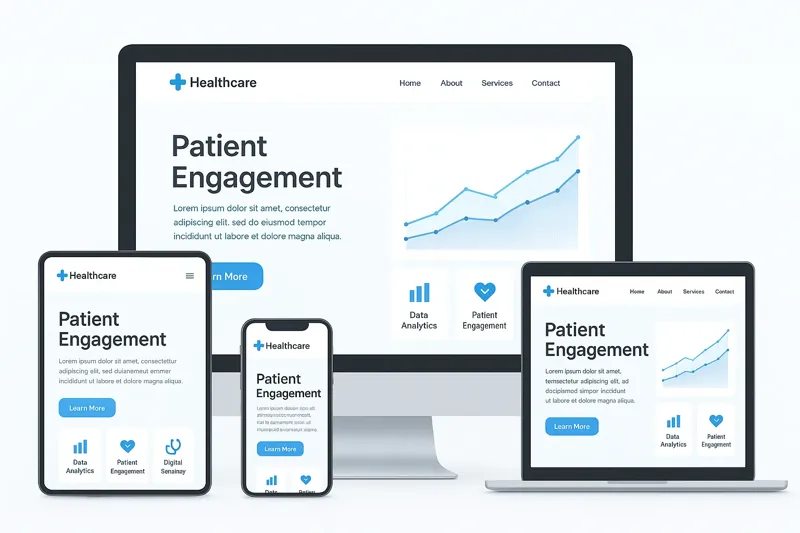
Creating Mobile-Friendly, SEO-Optimized Websites: Healthcare websites must be responsive and user-centered to cater to mobile users, who comprise a significant portion of online traffic. Optimizing website content with Local SEO for Healthcare Providers practices enhances visibility in search engines, enabling patients to easily discover nearby providers and services.
Leveraging Content Marketing and Social Media: Providing valuable, evidence-based health information through blogs, articles, and social media platforms like Facebook and Instagram helps establish trust and positions the practice as a credible healthcare resource. Healthcare marketers and compliance must carefully manage social media posts to avoid inadvertent disclosures of protected health information (PHI) and comply with HIPAA compliance for healthcare marketing regulations.
Using Personalized Email and SMS Campaigns with Automation and HIPAA Adherence: Automated marketing platforms enable tailored communications, such as appointment reminders and health alerts, ensuring messages are relevant and secure. Adherence to HIPAA compliance in digital marketing mandates encryption, patient authorization, and opt-in procedures, safeguarding patient information while fostering engagement.
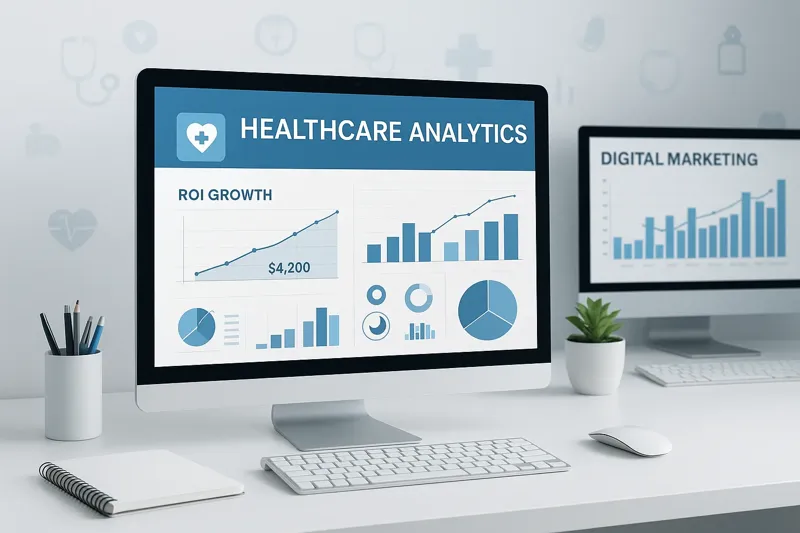
Analyzing Data to Refine Marketing and Measure ROI: Utilizing analytics tools compliant with Healthcare Privacy Laws in Digital Marketing allows practices to track campaign performance, optimize outreach strategies, and demonstrate return on investment. Segregation of PHI from marketing data is essential to maintain HIPAA compliance in healthcare marketing.
Managing Online Reputation with Review Tools: Proactively monitoring and responding to patient reviews using compliant reputation management platforms supports trust-building and organic growth. Strategies must respect privacy boundaries and avoid disclosing patient specifics, in line with HIPAA marketing rules.
Combining these strategies, healthcare providers can effectively engage patients, comply with regulatory frameworks such as HIPAA compliance for healthcare professionals, and confidently measure the impact of their marketing efforts to support sustained growth and quality care delivery.
Ensuring Compliance in Healthcare Online Marketing Efforts
How can healthcare providers ensure compliance in their online marketing efforts?
Healthcare providers can ensure compliance in their online marketing efforts by strictly adhering to HIPAA compliance for healthcare marketing. This includes obtaining explicit, written patient authorization before using any protected health information (PHI) for marketing purposes, except where certain communications related to treatment or healthcare operations are permitted without prior consent.
It is critical to avoid unauthorized selling or sharing of PHI, as this can lead to significant legal repercussions including fines for HIPAA violations and criminal penalties under HIPAA. Marketing communications that encourage the purchase or use of a healthcare product or service generally require patient authorization, and providers must be vigilant to prevent inadvertent disclosures across digital channels like email, social media, and websites, following HIPAA compliance in digital marketing.
Following Medicare Medicaid Tricare rules is also essential, especially when marketing to Medicare, Medicaid, or Tricare beneficiaries. These guidelines help prevent misleading advertisements and ensure fair access to healthcare services without violating Anti-Kickback Statute issues or False Claims Act compliance statutes.
Maintaining Transparency in healthcare is fundamental. Providers should clearly disclose the purposes for which PHI is used in marketing activities and offer patients the right to revoke consent at any time. Keeping abreast of evolving US healthcare regulations and conducting regular healthcare compliance audits supports ongoing adherence to federal and state requirements.
By integrating HIPAA-compliant platforms with encrypted communications, secure data handling, and comprehensive consent protocols, healthcare organizations can protect patient privacy, build trust, and avoid costly enforcement actions. Partnering with HIPAA-experienced marketing teams and legal counsel further strengthens compliance efforts, ensuring ethical and effective digital marketing strategies aligned with current Healthcare provider legal obligations.
The Role of Data-Driven Decision-Making in Healthcare Digital Marketing
What role does data-driven decision-making play in healthcare digital marketing?
Data-driven decision-making is foundational in healthcare digital marketing, empowering organizations to craft personalized and targeted campaigns. By analyzing detailed patient demographics, behaviors, and engagement data, marketers tailor communications to individual patient needs, improving relevance and patient experience.
Utilizing real-time analytics enables healthcare marketers to monitor ongoing campaign performance closely. This responsiveness supports optimized resource allocation—focusing budgets and efforts on strategies that yield the most patient engagement and conversion, such as telehealth or specialized care services.
Predictive analytics and patient journey mapping are transformative tools that anticipate patient needs and behaviors before they arise. These insights direct proactive outreach, improving patient acquisition, retention, and satisfaction while controlling costs associated with unfocused campaigns.
Transparency is maintained through consent tracking mechanisms, which ensure all marketing initiatives comply with regulations such as HIPAA compliance for healthcare marketing and GDPR. Clear documentation and management of patient consent reinforce trust and reduce legal risks.
Together, these data-driven approaches not only enhance marketing effectiveness but also improve Proactive healthcare marketing by delivering timely, relevant messaging aligned with patient needs and organizational goals in a highly regulated healthcare environment.
Attracting High-Value Patients through Compliant Online Marketing
How can medical practices attract high-value patients through online marketing?
Medical practices can strategically attract high-value patients by implementing targeted patient marketing and optimizing Local SEO for Healthcare Providers. These tactics boost visibility where patients search for specialized care, ensuring practices appear prominently in competitive markets.
Providing educational content and authorized patient testimonials cultivates trust and credibility. Well-managed online reviews reinforce this trust, influencing patient decision-making positively.
Engaging patients across multiple channels such as social media, email campaigns, and community outreach ensures message consistency and broader reach. This multi-channel approach helps maintain top-of-mind awareness.
Incorporating telehealth options and user-friendly online appointment scheduling aligns with patient preferences for convenience, facilitating easier access and higher appointment conversions.
Crucially, all marketing activities must comply with healthcare regulations like HIPAA, ensuring patient privacy and avoiding costly penalties. Leveraging analytics tools enables ongoing campaign performance measurement and refinement, optimizing patient acquisition efforts while remaining compliant.
Prioritizing Compliance for Sustainable and Effective Healthcare Marketing
Recap of Critical Compliance Benefits
Compliance with healthcare regulations like HIPAA safeguards patient privacy, minimizes legal risks, and protects organizations from costly fines, which in recent years have averaged over a million dollars per violation. Adhering to privacy laws promotes ethical marketing practices that build patient trust and enhance brand credibility.
Compliance as a Strategic Advantage
Healthcare organizations that prioritize compliance gain a competitive edge by fostering patient loyalty and improving engagement through transparent, secure communications. Utilizing automated compliance tools streamlines approval workflows, reduces operational bottlenecks by over 40%, and enables faster campaign deployment. Compliance also enhances reputation management, supports targeted marketing aligned with clinical priorities, and facilitates long-term growth.
Call to Action for Adopting Compliance-Driven Marketing Practices
To thrive amid increasing regulatory scrutiny, healthcare providers must integrate compliance into their marketing strategies. This includes building robust patient consent protocols, employing HIPAA-compliant platforms, conducting regular audits, and partnering with experienced vendors. Embracing a compliance-focused culture not only mitigates legal exposure but also enhances patient trust and drives measurable growth in a highly regulated healthcare environment.
Understanding the Critical Role of Compliance in Healthcare Marketing
Overview of Healthcare Compliance in Digital Marketing
Healthcare marketing in the U.S. operates within a rigorous regulatory environment designed to protect patient privacy and data security. Central to these regulations is HIPAA, which governs the handling, use, and disclosure of Protected Health Information (PHI). Digital marketing channels—such as email, social media, websites, and ad platforms—must be carefully managed to ensure no unauthorized PHI is compromised. Compliance also requires healthcare organizations to obtain explicit patient authorization before utilizing any identifiable health information for marketing purposes and to use HIPAA-compliant platforms that incorporate encryption, access controls, and audit logs.
Significance of Adherence to Regulations like HIPAA
Adherence to laws including HIPAA, HITECH, and FTC guidelines is critical for safeguarding patient trust and maintaining a reputable brand presence. Compliant marketing builds transparency, supports ethical communication, and fosters better patient engagement. Implementing consent management protocols, data de-identification techniques, and secure communication channels minimizes privacy risks and aligns marketing efforts with legal mandates. In addition, staff training, comprehensive compliance programs, and vigilant audit processes are foundational to keeping organizations up to date with evolving regulations.
Consequences of Non-Compliance in Healthcare Marketing
Failure to comply with healthcare marketing regulations can lead to severe legal and financial repercussions. Penalties for HIPAA violations often range from hundreds of thousands to over $2 million per incident, accompanied by potential criminal charges including imprisonment. Non-compliance can also result in costly recoupments, loss of program eligibility, and damaging reputational injury. Moreover, breaches expose organizations to data theft and undermine patient confidence, which negatively impacts engagement and long-term growth. Increasing regulatory scrutiny and targeted audits make maintaining compliance an indispensable strategic priority in healthcare marketing.
Healthcare Digital Marketing Compliance and Risks - Key Facts
- Healthcare digital marketing in the US is governed by HIPAA, FTC, and FDA regulations, with strict rules on PHI confidentiality.
- HIPAA violations can lead to fines from $137 to over $2 million and criminal penalties including prison sentences of up to 10 years.
- Ignoring compliance exposes providers to multi-million dollar fines, criminal charges, and reputational damage.
- Ensuring patient privacy through secure, encrypted technologies enhances trust and long-term patient relationships.
- Healthcare marketing must uphold truthful, transparent messaging, disclosing data use, and avoiding unsubstantiated claims.
- Data breaches in healthcare marketing pose significant privacy risks and can incur large fines under HIPAA and HITECH.
- Using HIPAA-compliant platforms with BAAs and encryption is essential for safeguarding PHI in marketing activities.
- Navigating healthcare marketing laws requires expert legal guidance due to federal and state overlapping regulations like CCPA.
- Reputational risks from PHI mismanagement include investigations and loss of patient trust; documented consent and staff training help mitigate this.
- Implementing automation tools with audit trails reduces manual errors, shortens approval cycles, and enhances regulatory compliance.
1. Avoiding Hefty Legal Penalties and Severe Financial Fines
Legal framework for healthcare digital marketing compliance
Healthcare digital marketing in the United States falls under strict legal oversight primarily through HIPAA overview for healthcare marketing, along with regulations from the FTC and FDA in some cases. HIPAA mandates the confidentiality and integrity of protected health information (PHI) in all marketing communications, requiring explicit patient authorization before use. These rules also extend to all digital channels including email, social media, and website tracking tools.
Potential fines for HIPAA violations in marketing
Violations of HIPAA marketing rules can result in substantial financial penalties. Fines range from $137 for minor, unknowing infractions to over $2 million per violation for willful neglect cases. In 2023, the average fine for HIPAA violations related to marketing reached approximately $1.3 million, reflecting regulators' increased scrutiny on compliance in healthcare marketing practices.
Criminal penalties associated with non-compliance
Beyond fines, severe breaches may lead to criminal charges with prison sentences between one and ten years. These penalties apply especially when marketing activities involve fraudulent use or unauthorized disclosure of PHI, demonstrating the government's commitment to enforcing compliance and protecting patient privacy, as emphasized by HIPAA compliance for healthcare professionals.
Examples of costly enforcement actions
Several enforcement actions illustrate the risks of non-compliance: for example, a 2017 case where Allergy Associates of Hartford faced fines for improperly handling PHI in their digital marketing, and a Texas dental practice that settled after unauthorized social media disclosures of patient information. Such cases highlight that even inadvertent lapses can provoke costly settlements and reputational harm, as detailed in HIPAA compliance in digital marketing.
Why is ignoring healthcare digital marketing compliance risky in terms of legal repercussions?
Ignoring healthcare digital marketing compliance exposes providers to significant legal penalties including multi-million dollar fines and possible criminal charges, as HIPAA mandates strict protection of PHI in marketing. Violations can lead to fines ranging from thousands to over $2 million per incident, with criminal sentences up to 10 years for severe offenses, underscored by the broader Healthcare compliance mistakes and Healthcare Privacy Laws in Digital Marketing.
2. Protecting Patient Privacy and Maintaining Trust
Why is protecting patient privacy crucial in healthcare digital marketing?
Protecting patient privacy is fundamental to maintaining trust and ethical standards in healthcare marketing. HIPAA compliance for healthcare marketing requires strict confidentiality of Protected Health Information (PHI) and mandate controls to prevent unauthorized use or disclosures.
Importance of safeguarding Protected Health Information (PHI)
PHI includes sensitive data such as demographics, diagnoses, and treatment information. Safeguarding this information is essential to avoid violations that can lead to severe penalties, including fines up to $2 million per violation and potential criminal charges.
HIPAA Privacy Rule mandates
The HIPAA Privacy Rule and marketing empowers patients to control how their PHI is used, requiring explicit authorization for marketing communications involving PHI. Exceptions exist but are limited, emphasizing the need for transparency and patient consent.
The impact of data breaches on patient trust
Healthcare faces frequent data breaches, with major incidents occurring daily. Such breaches undermine patient confidence, damage organizational reputation, and increase legal risks. Compliance reduces these risks and demonstrates organizational commitment to privacy.
How compliance enhances patient-provider relationships
By ensuring confidentiality and respecting patient data rights, compliant marketing fosters trust and strengthens patient engagement. Transparent communication builds loyalty and supports better healthcare outcomes over time.
Healthcare marketers who adhere to Healthcare Privacy Laws in Digital Marketing and employ secure, encrypted technologies create a reliable environment that benefits both patients and providers in the highly regulated Healthcare compliance mistakes.
3. Ensuring Transparency and Ethical Communication Practices
Regulatory Requirements for Transparency in Healthcare Ads
Healthcare advertising in the US is governed by strict regulations like HIPAA compliance in marketing, FDA, and FTC guidelines that require truthful, clear, and non-deceptive messaging. Transparency mandates include full disclosure of any use of patient data in marketing materials and clear communication regarding treatment benefits and limitations. Compliance with these laws avoids serious penalties and enhances patient trust.
Avoiding Misleading or Unsubstantiated Claims
To meet regulatory and ethical standards, healthcare marketers must ensure all claims are evidence-based, citing peer-reviewed sources or clinical data. Unsubstantiated promises or guarantees can lead to legal sanctions and damage organizational reputation. Consistent healthcare compliance audits help maintain the accuracy and integrity of marketing content.
Disclosures About Use of Patient Data in Marketing
HIPAA requires explicit patient authorization before using protected health information (PHI) for marketing. Marketers must disclose how patient data is utilized, including any third-party involvement or remuneration. These disclosures foster patient autonomy and uphold privacy standards essential for ethical marketing.
Building Credibility Through Compliant Communication
Compliance underpins ethical communication by promoting transparency, honesty, and patient-centered messaging. This builds long-term credibility with patients and stakeholders, mitigates legal risk, and ultimately supports improved patient engagement and outcomes.
How does compliance contribute to ethical healthcare marketing communications?
Compliance ensures healthcare marketing messaging remains truthful, transparent, and substantiated, preventing misleading claims about treatments or outcomes. It mandates disclosures when patient data is used, fostering transparency that builds organizational credibility and safeguards consumers against deceptive practices as detailed in 7 Key Benefits of Advertising Compliance in Healthcare.
4. Preventing Costly Data Breaches and Enhancing Cybersecurity
Why is compliance essential for preventing data breaches in healthcare digital marketing?
Compliance mandates the use of secure systems, encryption, and strict access controls to protect protected health information (PHI) from breaches. Without adherence to regulatory standards such as HIPAA and HITECH, healthcare organizations face frequent data exposures that can harm patients, incur significant fines, and damage reputations. Cybersecurity is thus a critical pillar of healthcare marketing compliance.
Risks of data breaches in healthcare marketing
Healthcare marketing often involves handling sensitive protected health information (PHI), making it a prime target for data breaches. The medical field experiences multiple major breaches daily, potentially exposing demographics, diagnoses, and provider details. Such breaches not only threaten patient privacy but also result in costly federal investigations and penalties.
Regulatory impact of breaches including HIPAA and HITECH
Federal laws like HIPAA and HITECH enforce strict safeguards on patient data. Violations can result in fines ranging from thousands to millions of dollars, alongside criminal penalties including imprisonment. The Health and Human Services (HHS) department frequently investigates breaches to ensure compliance. Additionally, non-compliance can affect eligibility for Medicare, Medicaid, and other government programs.
Techniques for protecting PHI such as encryption and access controls
Effective protection of PHI demands encrypted data transmission and storage, multi-factor authentication, and least-privilege access enforcement. Encrypting emails and digital communications ensures confidentiality during transit. Implementing robust audit trails and continuous monitoring helps detect unauthorized activity promptly. These best practices align with HIPAA compliance in digital marketing and digital marketing HIPAA compliance guidelines.
Role of HIPAA-compliant platforms and vendor agreements
Using HIPAA-compliant marketing platforms with built-in encryption, access restrictions, and audit logging is fundamental. Vendors handling PHI must sign Business Associate Agreements (BAAs) outlining their responsibilities for safeguarding data and breach notifications. Choosing such compliant solutions mitigates risk and ensures accountability across marketing operations.
| Aspect | Description | Benefits |
|---|---|---|
| Compliance Requirements | Adherence to HIPAA, HITECH regulations | Avoid legal penalties and fines |
| Security Techniques | Encryption, access control, audit logs | Minimizes breach risks |
| Technology Solutions | HIPAA-certified platforms and software | Streamlines compliance and protects PHI |
| Vendor Management | Business Associate Agreements (BAAs) | Ensures third-party accountability |
Through integrating stringent cybersecurity measures and maintaining regulatory compliance, healthcare marketers can protect sensitive patient information and uphold trust while avoiding costly data breaches.
5. Navigating Complex Legal and Regulatory Landscapes
Overview of multifaceted healthcare marketing laws including HIPAA, FTC, FDA
Healthcare marketing in the U.S. is governed by a complex network of laws. The Health Insurance Portability and Accountability Act (HIPAA) strictly regulates the use and disclosure of Protected Health Information (PHI), mandating confidentiality, requiring explicit patient consent for marketing, and enforcing safeguards on digital communications. Additionally, the Federal Trade Commission (FTC) oversees truthfulness and fairness in advertising claims, while the Food and Drug Administration (FDA) monitors prescription drug and medical service advertisements to ensure safety and accuracy.
Impact of state-specific laws such as CCPA
Beyond federal regulations, state laws like the California Consumer Privacy Act (CCPA) add another layer of compliance. These laws may impose stricter requirements around data privacy, consent management, and patient rights. Healthcare marketers must navigate these overlapping rules, which often require tailored approaches depending on the state of operation, complicating campaign planning and execution.
Challenges posed by evolving regulations and technology
Healthcare marketing faces challenges from rapidly changing legal interpretations and technological advances. For example, recent federal guidance expanded the scope of PHI to include data collected via digital tracking pixels and analytics tools, significantly affecting digital marketing strategies. Non-compliant use of popular platforms like Google Analytics or Facebook Pixels can lead to significant penalties. Furthermore, the rise of telehealth and mobile health apps demands continuous updating of compliance measures to meet new standards in patient data protection. For details on HIPAA marketing rules, HIPAA-compliant marketing platforms, and telemedicine legal compliance, consult these resources.
Importance of professional compliance guidance
Given this complexity, expert compliance support is essential. Utilizing Healthcare Marketing Challenges, consulting legal professionals, and maintaining up-to-date training for marketing teams help reduce risks. Contractual agreements, such as Business Associate Agreements (BAAs), with vendors handling PHI, are crucial. Continuous audits and proactive monitoring ensure marketing activities adhere to both federal and state laws as outlined in HIPAA-compliant healthcare marketing best practices and other compliance frameworks.
How does compliance help healthcare marketers navigate complex legal regulations?
Compliance frameworks provide healthcare marketers with structured guidance to understand and apply intricate federal and state laws relevant to PHI and marketing communications. Staying current with regulations and relying on professional legal counsel mitigates the risk of inadvertent violations, thereby protecting organizations from costly penalties and reputation damage in a dynamic regulatory landscape. Emphasizing Transparency in healthcare and building patient trust through compliance are key benefits detailed in Comprehensive compliance program.
6. Avoiding Marketing Missteps That Damage Brand and Reputation
What are the reputational risks of ignoring healthcare marketing compliance?
Ignoring healthcare marketing compliance poses significant reputational risks. Unauthorized disclosures of Protected Health Information (PHI), especially on social media or within email marketing, can lead to investigations by the Office for Civil Rights (OCR) and severe public backlash. Leaks or mishandling of patient data not only breach HIPAA compliance in digital marketing but also severely damage patient trust and loyalty.
Risks of non-compliance including improper social media use
Healthcare professionals must be especially cautious with social media posts. Disclosing PHI without explicit patient consent—even inadvertently—can result in large fines and loss of credibility. Misinformation on social platforms can also lead to legal liabilities and harm public health, emphasizing the necessity of strict social media policies for healthcare organizations.
Consequences of unauthorized PHI disclosures
Unauthorized disclosure or misuse of PHI triggers regulatory penalties ranging from financial fines to criminal charges. These violations weaken a healthcare organization's brand reputation and may cause operational disruptions due to investigations and mandated corrective actions related to Healthcare compliance mistakes.
Managing reputation through compliant review responses
Responding to online reviews in a compliant manner protects patient confidentiality. Providers should avoid referencing specific health details and give general, non-identifying responses to maintain trust without violating HIPAA compliance audits for marketing privacy laws.
Benefits of documented consent and staff training
Documenting patient authorizations for marketing use and regularly training staff on HIPAA and marketing compliance protocols build a culture of accountability. This approach reduces the risk of inadvertent violations, supports effective crisis management, and enhances overall reputation by demonstrating ethical marketing in healthcare.
7. Maximizing Marketing Efficiency Through Compliance Automation
Automation Tools That Enable Regulatory Compliance
Healthcare organizations increasingly rely on specialized marketing automation platforms designed to ensure Regulatory Healthcare Compliance. These tools typically feature data encryption, strict access controls, audit trails, and consent management that strictly align with HIPAA compliance limits and other US healthcare regulations. By securely managing protected health information (PHI) within marketing workflows, these platforms prevent unauthorized disclosures and reduce risk.
Benefits of Centralized Oversight and Audit Trails
Centralizing compliance management allows healthcare marketers to maintain real-time visibility over campaigns and approvals. Comprehensive audit trails document every step, providing evidence for regulatory audits and ensuring accountability. This reduces fragmented manual workflows, a common source of errors and compliance breaches. Such oversight is critical to meeting stringent healthcare marketing compliance standards and protecting patient data privacy.
Efficiency Gains Reducing Approval Cycle Times
Automation platforms streamline the compliance review process, reducing approval cycle times by up to 20-43% according to recent studies. Integrated compliance checks and workflow controls minimize human errors and prevent costly rework. Marketers can scale campaigns more quickly while maintaining strict adherence to HIPAA marketing compliance rules for healthcare providers and other compliance program benefits, ultimately improving return on investment.
Use of HIPAA-Compliant Platforms and Marketing Automation
Adopting HIPAA-compliant marketing platforms enables secure segmentation, targeted communications, and real-time analytics without compromising PHI security. These systems also support granular building patient consent protocols, including opt-in/opt-out management and secure storage of authorization artifacts. Partnering with vendors who sign Business Associate Agreements (BAAs) further reinforces compliance and operational efficiency.
How Does Compliance Improve Efficiency in Healthcare Digital Marketing?
Using compliance-focused marketing automation platforms reduces manual errors and speeds approval processes by integrating HIPAA safeguards, audit trails, and workflow controls. Centralized oversight ensures consistent adherence to regulations, minimizing delays and costly rework, improving marketing ROI and campaign scalability.
8. Building Long-Term Patient Engagement and Business Sustainability
Why is compliance critical for sustaining long-term patient engagement through digital marketing?
Compliance fosters transparent, secure interactions that build patient trust and loyalty. Ethical marketing attracts high-value patients and supports retention by respecting privacy and delivering truthful information. This foundation drives sustainable growth and shields organizations from Healthcare legal risks.
Role of compliant marketing in attracting high-value patients
Compliant marketing ensures clear, accurate messaging aligned with healthcare laws such as HIPAA compliance for healthcare marketing. By protecting patient information and avoiding misleading claims, providers can attract patients whose needs align with offered services. This reduces operational strain and optimizes resource utilization as discussed in Healthcare Marketing Challenges.
Transparency and trust as drivers of loyalty
Open communication, consent protocols, and clear privacy policies enhance transparency. These practices build confidence among patients, fostering long-term loyalty and positive engagement. Trust established through 7 Key Benefits of Advertising Compliance in Healthcare enhances patient satisfaction and advocacy.
Leveraging data-driven insights safely and ethically
Using secure, HIPAA-Compliant Platforms for communication enables healthcare organizations to analyze patient behaviors while safeguarding protected health information (PHI). Data-driven strategies improve personalization without violating privacy, avoiding risks of fines and reputational damage in line with HIPAA compliance audits for marketing.
Supporting growth while maintaining regulatory adherence
Sustained marketing efforts with integrated compliance reduce future legal risks. Structured oversight and continuous staff training ensure adherence to evolving Healthcare regulations in the United States, supporting organizational resilience amid technological and market changes.
| Aspect | Benefit | Compliance Considerations |
|---|---|---|
| Attracting high-value patients | Focused, efficient clinical alignment | Clear consent and truthful messaging per HIPAA marketing rules |
| Building trust and loyalty | Better patient retention and advocacy | Transparency and patient-first policies as outlined in Transparency in healthcare |
| Safe data utilization | Personalized, effective campaigns | Encryption, access controls, audit logs guided by HIPAA compliance in digital marketing |
| Sustainable growth | Adaptability to market disruptions | Ongoing training, legal updates, audits from Healthcare compliance legal programs |
Effective Digital Marketing Strategies for Healthcare Practices
What are effective digital marketing strategies for healthcare practices?
Effective digital marketing for healthcare hinges on a multifaceted approach that balances patient engagement, compliance, and measurable outcomes.
Creating Mobile-Friendly, SEO-Optimized Websites: Healthcare websites must be responsive and user-centered to cater to mobile users, who comprise a significant portion of online traffic. Optimizing website content with Local SEO for Healthcare Providers practices enhances visibility in search engines, enabling patients to easily discover nearby providers and services.
Leveraging Content Marketing and Social Media: Providing valuable, evidence-based health information through blogs, articles, and social media platforms like Facebook and Instagram helps establish trust and positions the practice as a credible healthcare resource. Healthcare marketers and compliance must carefully manage social media posts to avoid inadvertent disclosures of protected health information (PHI) and comply with HIPAA compliance for healthcare marketing regulations.
Using Personalized Email and SMS Campaigns with Automation and HIPAA Adherence: Automated marketing platforms enable tailored communications, such as appointment reminders and health alerts, ensuring messages are relevant and secure. Adherence to HIPAA compliance in digital marketing mandates encryption, patient authorization, and opt-in procedures, safeguarding patient information while fostering engagement.
Analyzing Data to Refine Marketing and Measure ROI: Utilizing analytics tools compliant with Healthcare Privacy Laws in Digital Marketing allows practices to track campaign performance, optimize outreach strategies, and demonstrate return on investment. Segregation of PHI from marketing data is essential to maintain HIPAA compliance in healthcare marketing.
Managing Online Reputation with Review Tools: Proactively monitoring and responding to patient reviews using compliant reputation management platforms supports trust-building and organic growth. Strategies must respect privacy boundaries and avoid disclosing patient specifics, in line with HIPAA marketing rules.
Combining these strategies, healthcare providers can effectively engage patients, comply with regulatory frameworks such as HIPAA compliance for healthcare professionals, and confidently measure the impact of their marketing efforts to support sustained growth and quality care delivery.
Ensuring Compliance in Healthcare Online Marketing Efforts
How can healthcare providers ensure compliance in their online marketing efforts?
Healthcare providers can ensure compliance in their online marketing efforts by strictly adhering to HIPAA compliance for healthcare marketing. This includes obtaining explicit, written patient authorization before using any protected health information (PHI) for marketing purposes, except where certain communications related to treatment or healthcare operations are permitted without prior consent.
It is critical to avoid unauthorized selling or sharing of PHI, as this can lead to significant legal repercussions including fines for HIPAA violations and criminal penalties under HIPAA. Marketing communications that encourage the purchase or use of a healthcare product or service generally require patient authorization, and providers must be vigilant to prevent inadvertent disclosures across digital channels like email, social media, and websites, following HIPAA compliance in digital marketing.
Following Medicare Medicaid Tricare rules is also essential, especially when marketing to Medicare, Medicaid, or Tricare beneficiaries. These guidelines help prevent misleading advertisements and ensure fair access to healthcare services without violating Anti-Kickback Statute issues or False Claims Act compliance statutes.
Maintaining Transparency in healthcare is fundamental. Providers should clearly disclose the purposes for which PHI is used in marketing activities and offer patients the right to revoke consent at any time. Keeping abreast of evolving US healthcare regulations and conducting regular healthcare compliance audits supports ongoing adherence to federal and state requirements.
By integrating HIPAA-compliant platforms with encrypted communications, secure data handling, and comprehensive consent protocols, healthcare organizations can protect patient privacy, build trust, and avoid costly enforcement actions. Partnering with HIPAA-experienced marketing teams and legal counsel further strengthens compliance efforts, ensuring ethical and effective digital marketing strategies aligned with current Healthcare provider legal obligations.
The Role of Data-Driven Decision-Making in Healthcare Digital Marketing
What role does data-driven decision-making play in healthcare digital marketing?
Data-driven decision-making is foundational in healthcare digital marketing, empowering organizations to craft personalized and targeted campaigns. By analyzing detailed patient demographics, behaviors, and engagement data, marketers tailor communications to individual patient needs, improving relevance and patient experience.
Utilizing real-time analytics enables healthcare marketers to monitor ongoing campaign performance closely. This responsiveness supports optimized resource allocation—focusing budgets and efforts on strategies that yield the most patient engagement and conversion, such as telehealth or specialized care services.
Predictive analytics and patient journey mapping are transformative tools that anticipate patient needs and behaviors before they arise. These insights direct proactive outreach, improving patient acquisition, retention, and satisfaction while controlling costs associated with unfocused campaigns.
Transparency is maintained through consent tracking mechanisms, which ensure all marketing initiatives comply with regulations such as HIPAA compliance for healthcare marketing and GDPR. Clear documentation and management of patient consent reinforce trust and reduce legal risks.
Together, these data-driven approaches not only enhance marketing effectiveness but also improve Proactive healthcare marketing by delivering timely, relevant messaging aligned with patient needs and organizational goals in a highly regulated healthcare environment.
Attracting High-Value Patients through Compliant Online Marketing
How can medical practices attract high-value patients through online marketing?
Medical practices can strategically attract high-value patients by implementing targeted patient marketing and optimizing Local SEO for Healthcare Providers. These tactics boost visibility where patients search for specialized care, ensuring practices appear prominently in competitive markets.
Providing educational content and authorized patient testimonials cultivates trust and credibility. Well-managed online reviews reinforce this trust, influencing patient decision-making positively.
Engaging patients across multiple channels such as social media, email campaigns, and community outreach ensures message consistency and broader reach. This multi-channel approach helps maintain top-of-mind awareness.
Incorporating telehealth options and user-friendly online appointment scheduling aligns with patient preferences for convenience, facilitating easier access and higher appointment conversions.
Crucially, all marketing activities must comply with healthcare regulations like HIPAA, ensuring patient privacy and avoiding costly penalties. Leveraging analytics tools enables ongoing campaign performance measurement and refinement, optimizing patient acquisition efforts while remaining compliant.
Prioritizing Compliance for Sustainable and Effective Healthcare Marketing
Recap of Critical Compliance Benefits
Compliance with healthcare regulations like HIPAA safeguards patient privacy, minimizes legal risks, and protects organizations from costly fines, which in recent years have averaged over a million dollars per violation. Adhering to privacy laws promotes ethical marketing practices that build patient trust and enhance brand credibility.
Compliance as a Strategic Advantage
Healthcare organizations that prioritize compliance gain a competitive edge by fostering patient loyalty and improving engagement through transparent, secure communications. Utilizing automated compliance tools streamlines approval workflows, reduces operational bottlenecks by over 40%, and enables faster campaign deployment. Compliance also enhances reputation management, supports targeted marketing aligned with clinical priorities, and facilitates long-term growth.
Call to Action for Adopting Compliance-Driven Marketing Practices
To thrive amid increasing regulatory scrutiny, healthcare providers must integrate compliance into their marketing strategies. This includes building robust patient consent protocols, employing HIPAA-compliant platforms, conducting regular audits, and partnering with experienced vendors. Embracing a compliance-focused culture not only mitigates legal exposure but also enhances patient trust and drives measurable growth in a highly regulated healthcare environment.