.png)

Shaping the Future of Digital Health Through Patient-Centered Design
The rapid growth of mobile technology in healthcare offers unprecedented opportunities to enhance patient engagement, care coordination, and clinical outcomes. Yet, designing effective, patient-centered mobile experiences demands a deliberate focus on usability, accessibility, and security tailored to diverse user needs. This article explores core principles, user experience guidelines, engagement strategies, usability assessments, human-centered methodologies, and current innovations that define the future of patient-centered mobile healthcare applications.
Core Principles and Best Practices for Designing Patient-Centered Mobile Healthcare Apps
Designing mobile healthcare applications with a patient-centered approach requires adherence to several fundamental principles that ensure the app is usable, trustworthy, and engaging for diverse patient populations.
A primary focus is on prioritizing user needs, which involves understanding the different requirements of patients, caregivers, and healthcare providers. Incorporating human factors methods such as usability testing, interviews, and surveys early in development helps tailor the app’s features to meet actual user expectations and preferences.
Simplicity and clarity are crucial to removing barriers to effective use. Clear navigation, minimal clutter, and straightforward workflows—like easy onboarding and prominent action buttons—make it easier for users of all ages, including seniors and those with limited digital literacy, to access and benefit from the app (Design recommendations for older adult users).
Accessibility and inclusivity should be embedded in design through support for assistive technologies, high contrast visuals, large fonts, multilingual options, and compliance with standards like WCAG. This ensures equitable access regardless of physical ability, language, or cultural background (Healthcare UX design that saves lives).
Maintaining privacy and security is a core principle, especially given the sensitive nature of health data. Compliance with regulations such as HIPAA and GDPR guides encryption, secure authentication (including two-factor verification), and transparent consent mechanisms, fostering user trust (Healthcare app design best practices).
Empathy-driven and culturally sensitive design enhances patient engagement by creating reassuring, emotionally intelligent interactions. Utilizing empathetic language, personalized feedback, and culturally appropriate content acknowledges individual patient contexts and builds trust (Patient-centered design in healthcare).
The iterative development process involves continuous usability testing and refinement. Employing methods like think-aloud protocols (Think aloud protocol in app testing) and heuristic evaluations ensures the app evolves based on real user feedback, improving effectiveness and satisfaction (Usability testing of InfoKids app).
Integrating modern technologies such as AI, telemedicine, remote monitoring, and wearable devices extends the app’s capabilities, offering personalized insights and convenient healthcare access. However, balancing innovative features with usability and securing the technology infrastructure are vital (Healthcare UI Design 2025).
Collectively, these principles and practices foster the creation of patient-centered apps that not only facilitate effective health management but also promote engagement, adherence, and positive health outcomes—ensuring the digital health tools truly serve the needs of the patients they aim to support (Mobile health applications for patient-centered care coordination).
User Experience Considerations in Healthcare Mobile App Design

What user experience considerations and guidelines are essential in healthcare mobile app design?
Designing healthcare mobile apps requires a careful balance of usability, safety, and accessibility. Key factors include creating interfaces that are simple and clear, reducing cognitive load for users who may be under stress or have limited health literacy. This involves using readable fonts, straightforward language, large buttons, and intuitive navigation paths (Designing User-Friendly Healthcare Apps, Healthcare UI & UX Tips).
Personalization and responsiveness are critical. Apps should adapt to individual user needs, preferences, and device contexts, providing tailored content and quick, relevant feedback (Healthcare App Design Fundamentals, AI in Healthcare Apps). Accessibility features supporting diverse users—such as support for disabilities, multiple languages, and different demographic needs—are fundamental to inclusive design (UX/UI Design in Healthcare, Design recommendations for older adult users).
Security and data privacy are paramount. Incorporating strong authentication methods, encryption protocols, and transparent privacy policies helps build user trust and ensures compliance with regulations like HIPAA and GDPR (Healthcare App Accessibility Features, GDPR and HIPAA in Health Apps). Interoperability with existing healthcare systems is facilitated through standards such as HL7 and FHIR, enabling seamless data exchange and enhancing usability (Open Health Stack design guidelines, Healthcare System Interoperability Standards).
Clinical validation is essential. Collaboration with healthcare professionals ensures content accuracy and medical relevance, which supports patient safety and effective care (Usability of a mobile application for health professionals, mHealth app development with user involvement). Additionally, leveraging emerging technologies like AI and blockchain can offer personalized insights, enhance security, and streamline workflows (AI in healthcare apps, Blockchain for healthcare security).
Overall, effective healthcare app UX design fosters engagement, improves health outcomes, and supports clinicians' workflows, emphasizing the importance of user-centered, compliant, and innovative approaches in health technology (Mobile applications for patient-centered care coordination, Healthcare UX design that saves lives).
Strategies to Enhance Patient Engagement via Mobile Health Technologies

Which strategies can improve patient engagement through mobile health technologies?
Enhancing patient engagement with mobile health (mHealth) tools requires a multifaceted approach centered on user needs and continuous support. One effective method is adopting a user-centered design process that actively involves patients in development. This participation ensures that the app or platform addresses real user needs, limitations, and preferences, making technology more accessible and intuitive.
To sustain motivation, it's crucial to reduce the effort required from users. This can be achieved by limiting the amount of manual data entry and leveraging passive data collection through wearable sensors and integrated health devices. Providing real-time, personalized feedback based on collected data also encourages patients to stay engaged and feel more confident in managing their health.
Proactive engagement strategies such as automated reminders for medication intake, appointments, or health checks help maintain ongoing participation. Social support features, including online communities or peer connections, foster a sense of belonging and accountability, further motivating users to adhere to health regimens.
Educational content tailored to individual health conditions enhances understanding and empowers patients to make informed decisions. Personalization—offering customized insights, goal setting, and care pathways boosts confidence and fosters a deeper connection with the intervention.
Continuous support is vital for long-term engagement. Regular follow-ups, direct contact with healthcare providers through secure messaging or telehealth, and easy access to patient portals help maintain trust and address any emerging concerns.
Overall, integrating these strategies—beginning with thoughtful, inclusive design and extending through ongoing support mechanisms —can significantly improve patient engagement, ultimately leading to better health outcomes and sustained use of mobile health technologies.
Evaluating Usability in Healthcare Mobile Apps: Methods and Criteria
Assessing the usability of healthcare mobile applications is crucial to ensure they effectively support users' needs and contribute to better health outcomes. A comprehensive evaluation often employs a multimethod approach that combines various techniques to gather both quantitative and qualitative data.
One of the most common and standardized methods involves questionnaires such as the System Usability Scale (SUS), User Mobile App Rating Scale (uMARS), and the Computer System Usability Questionnaire (CSUQ). These tools provide valuable insights into user satisfaction, perceived effectiveness, and ease of use. However, many of these instruments lack thorough validation specific to healthcare contexts, which can impact reliability and cross-cultural applicability (Usability evaluation of mHealth apps, Mobile health app usability).
In addition to questionnaires, heuristic evaluations are widely used. Experts review the app based on predefined usability principles—heuristics—that address aspects like navigation, error prevention, and security. These evaluations help detect potential issues early in development (Heuristics for evaluating mHealth usability, Mobile health app usability).
User testing methods, especially think-aloud protocols, are particularly effective. During these sessions, users verbalize their thoughts while interacting with the app, revealing usability problems related to navigation, understanding, and task completion. Observing user behavior provides rich, contextual data that complements questionnaire feedback (Think aloud protocol in app testing, Usability testing for health apps, Usability of a mobile application for health professionals).
Combining quantitative data—such as task success rates, error frequency, time on task—and qualitative insights ensures a thorough understanding of usability. This integration helps identify specific barriers and priorities for improvement (Mobile application usability for clinical follow-up, Evaluating Patient-Centered Mobile Health Technologies).
Key usability attributes to evaluate include effectiveness (ability to complete tasks), efficiency (speed and ease), satisfaction, operability, and accessibility for diverse populations, including those with disabilities. Addressing these factors ensures the app is usable across different user groups and settings (Usability standards for mHealth apps, Design considerations for mobile health apps).
The psychometric properties of assessment tools are crucial; validated instruments with demonstrated reliability and sensitivity help produce meaningful assessment results. Developing and adopting such tools tailored for health apps is an ongoing need, as many existing measures are generic or investigator-developed without rigorous validation (Usability of a mobile application for health professionals, Usability evaluation methods for health apps).
Collaboration among designers, developers, clinicians, and researchers enhances the evaluation process. Clinicians' input is vital to ensure the app meets clinical workflow needs and patient safety standards (User-centered mobile app development, Healthcare professionals' mobile devices).
In summary, effective usability evaluation of healthcare apps involves a combination of standardized, validated questionnaires, expert heuristic reviews, user testing with think-aloud protocols, and analysis of performance metrics. This integrated approach ensures that health apps are user-friendly, safe, and capable of supporting positive health behaviors and outcomes (Mobile health applications for patient-centered care coordination, Assessing patient engagement in mHealth, Healthcare app design fundamentals).
Human-Centered and User-Centered Design Methodologies in Digital Health
How do human-centered and user-centered design methodologies apply in digital health?
Human-centered (HCD) and user-centered design (UCD) approaches are fundamental in creating effective digital health solutions. They prioritize an in-depth understanding of the diverse needs, behaviors, and contexts of users— including patients, clinicians, and caregivers— through qualitative research methods such as interviews, focus groups, journey mapping, and ethnography. These techniques help uncover real-world challenges and preferences, ensuring that developed technologies are relevant and user-friendly (Digital Health Design framework, User-centered design process).
A core principle of HCD and UCD is the continuous engagement of users throughout the entire development process. From initial prototyping to usability testing and iterative refinement, involving users early and often enables designers to gather genuine feedback, identify usability issues, and adapt solutions accordingly. This ongoing collaboration not only boosts usability but also increases the likelihood of acceptance and sustained use in clinical settings (User-centered mobile app development, Designing User-Friendly Healthcare Apps).
Multidisciplinary teamwork is also essential. Effective digital health solutions often require collaboration among UX/UI designers, clinicians, behavioral scientists, engineers, and patients. Co-design processes facilitate shared decision-making, ensuring that technological features align with clinical workflows, patient preferences, and regulatory standards (Human factors in mobile health apps, Patient-centered app design).
Beyond usability, these methodologies address ethical and privacy considerations vital to healthcare. They emphasize transparent communication about data use, privacy safeguards, and equitable access. Tailoring interventions for vulnerable populations— such as older adults, those with low health literacy, or marginalized groups— helps reduce health disparities and promotes digital health equity (Design recommendations for older adult users, Healthcare app accessibility features).
By applying human-centered and user-centered design practices, developers craft digital health solutions that are intuitive, trustworthy, and inclusive. This comprehensive approach enhances adoption, improves patient engagement, and ultimately leads to better health outcomes (Healthcare UX design that saves lives, Improving patient experience through design).
For further insights into this topic, searching for "human-centered design in digital healthcare" can provide additional resources and case studies demonstrating successful implementations.
Design Challenges for Diverse User Groups in Healthcare Apps and Their Solutions
Healthcare applications need to serve a wide range of users, from young tech-savvy patients to older adults with unique physiological and cognitive needs. One primary challenge lies in accommodating older adults who often experience visual impairments, motor skill decline, hearing loss, and lower digital literacy. To ensure usability across these diverse groups, designers incorporate features such as large, high-contrast text, intuitive icons, and straightforward navigation pathways (Design considerations for mobile health apps, Healthcare UI & UX Tips).
Accessibility features tailored to older users include voice command support, screen readers, and adjustable text sizes, which help overcome sensory and motor limitations. Simplified interface layouts reduce cognitive load, making it easier for users to locate key functions quickly. Secure yet accessible authentication methods, like biometric options or simple PINs, balance security with ease of use (Healthcare app accessibility features, Designing Consumer-Centered Telehealth, Healthcare UI Design 2025).
Clear guidance for errors or system issues is crucial. Effective solutions involve providing straightforward instructions, visual cues, and immediate feedback to assist users in correcting mistakes without frustration. Iterative testing with actual older adults allows designers to identify potential barriers and refine interfaces accordingly (Usability evaluation of mHealth apps, Mobile health usability heuristics).
A proactive approach also involves co-design strategies that actively involve older users in the development process. This participatory method ensures the app aligns with their preferences and capabilities, resulting in increased confidence and independence (user-centered design process, Co-designing mHealth apps with older adults, Designing User-Friendly Healthcare Apps).
Striking a balance between personalization, security, and simplicity encourages continuous engagement. Features such as customized onboarding, motivational prompts, and easy access to support services foster a positive experience (Patient engagement technology, Healthcare app design fundamentals).
In conclusion, addressing physiological and cognitive barriers through inclusive design, active user participation, and tailored features significantly enhances healthcare app usability for older adults. This approach not only improves access but also supports ongoing independence and health management, making healthcare technology more equitable and effective (patient-centered design in healthcare, Mobile health applications).
Innovations and Emerging Trends in Healthcare App Development and UX
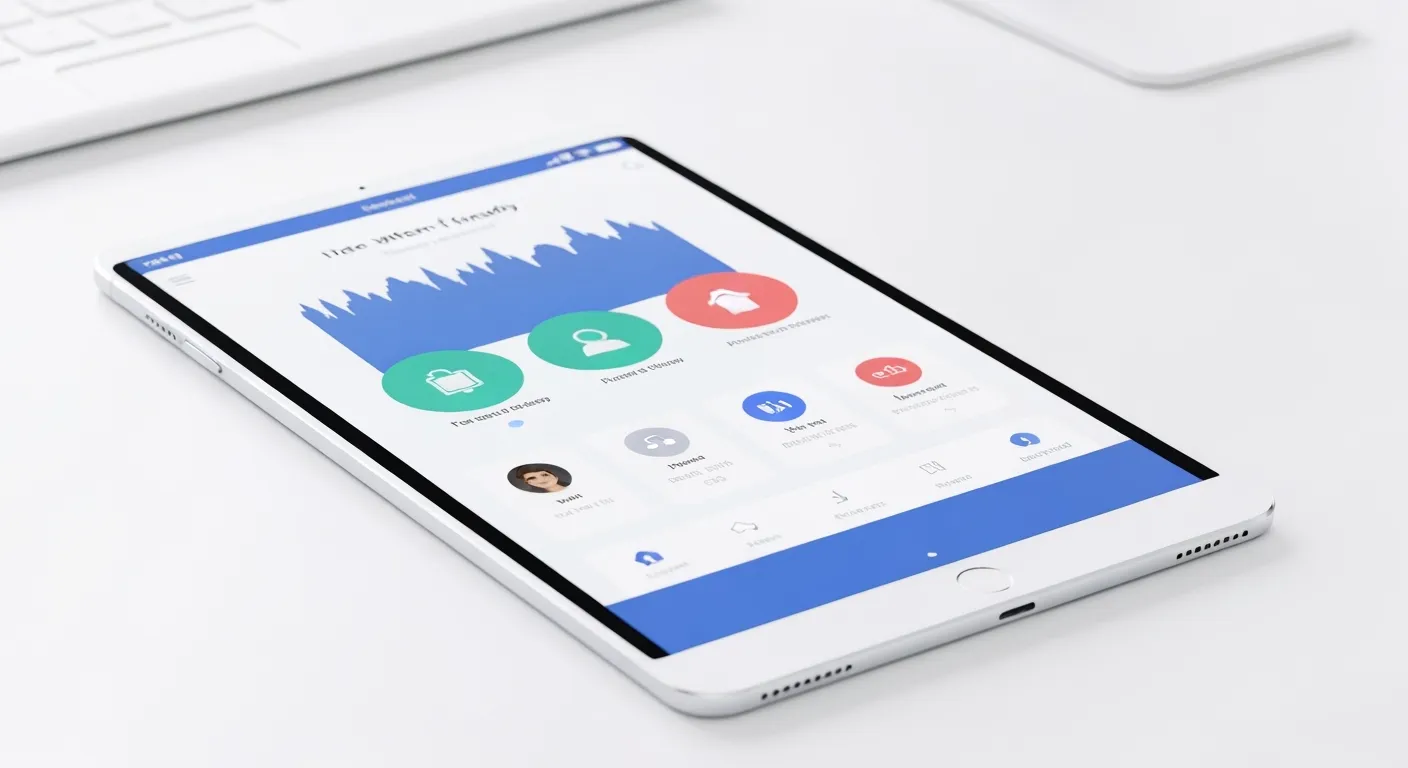
The healthcare app landscape is rapidly evolving, driven by cutting-edge technologies and user-centered design principles. One of the most prominent trends is the integration of artificial intelligence (AI) and machine learning, which facilitate highly personalized care, predictive analytics, and smarter diagnostics. These AI capabilities are transforming how applications provide tailored health insights, track behavioral patterns, and support early intervention.
Connectivity with wearable devices and Internet of Things (IoT) technology also plays a crucial role. Such integration allows real-time health monitoring, data sharing, and remote management of chronic conditions, leading to more proactive and continuous care. Wearables and IoT sensors contribute to comprehensive health profiles and facilitate seamless communication between patients and healthcare providers.
Expanding telehealth services remain a core focus, with embedded features such as one-click virtual consultations and remote diagnostics. These innovations improve accessibility, especially for underserved populations, and enhance the overall patient experience.
User experience (UX) design continues to emphasize accessibility, inclusivity, and security. Voice control integration and augmented reality (AR)/virtual reality (VR) applications are emerging to create more interactive and intuitive healthcare environments. Additionally, engaging UI elements like gamification, customization options, and dark themes increase user retention and satisfaction.
Data visualization tools are vital in translating complex health data into understandable formats, empowering users to make informed decisions. Ensuring cross-platform consistency and scalability is also critical, allowing applications to operate seamlessly across devices and accommodate future technological advancements.
Overall, these innovations are shaping a future where healthcare apps are more intelligent, connected, secure, and user-centric, ultimately improving health outcomes and provider efficiency.
Impact of Mobile Technology on Patient Outcomes, Satisfaction, and Care Management
Mobile technology has transformed healthcare delivery by making it more accessible, personalized, and efficient. One of its most significant contributions is improving treatment adherence and enabling real-time health monitoring. Patients using mobile apps, wearable devices, and SMS-based communication can consistently follow medication schedules, track symptoms, and share health data instantly with providers. This continuous flow of information leads to better clinical management, early intervention, and improved health outcomes for chronic disease patients, such as those with diabetes or renal conditions.
Telemedicine platforms have become vital, especially for underserved populations with limited access to healthcare facilities. Virtual consultations reduce travel barriers, save time, and maintain continuous care, which enhances patient satisfaction and fosters stronger relationships with healthcare providers. These platforms are particularly beneficial for rural residents or individuals with mobility challenges, ensuring they receive timely medical advice and support without geographical constraints.
Furthermore, mobile health technologies promote active patient engagement and self-management. Through personalized educational content, reminders for medication or appointments, and self-monitoring tools, patients become more involved in their care. This empowerment often translates into better disease control, healthier behaviors, and improved overall well-being, including mental health and psychological stability.
Behavioral and psychological health also benefits from mobile technology. Apps and text-based interventions provide behavioral coaching, stress management techniques, and mental health support, which are essential for comprehensive patient care. These tools facilitate ongoing support outside clinical settings, contributing to sustained behavioral change and emotional resilience (technology in patient engagement).
Despite these advantages, several barriers hinder full integration of mobile health solutions. Digital literacy, technology access, and data security concerns can limit their effectiveness. Successful implementation requires addressing these barriers by providing education, ensuring equitable access, and involving healthcare professionals actively in the process. Provider engagement—through training and collaborative care models—is crucial to maximize technology’s benefits and sustain long-term impact.
In conclusion, mobile health technology significantly influences patient outcomes, satisfaction, and care management. Its ability to enhance adherence, facilitate real-time communication, and empower self-care makes it a cornerstone of modern healthcare. To realize its full potential, tailored interventions that overcome barriers and foster active provider participation are essential (patient-centered app design and engagement).
Security, Accessibility, and Personalization in Healthcare Mobile Design
In the realm of healthcare mobile application design, three integral aspects—security, accessibility, and personalization—coalesce to create effective, user-friendly, and trustworthy platforms.
Security is foundational, as healthcare apps handle highly sensitive personal health information. Ensuring data privacy and regulatory compliance with standards such as HIPAA in the U.S. and GDPR in Europe is paramount. Visual cues like lock icons and transparent privacy policies serve to reassure users that their information is protected. Smart security features include encrypted data transmission, secure login methods such as two-factor authentication, and clear consent processes, balancing robust protection with ease of access.
Accessibility is equally vital to ensure that all users, regardless of physical, sensory, or cognitive disabilities, can effectively navigate healthcare apps. Designing for accessibility involves incorporating high-contrast visuals, larger fonts, simplified language, and support for assistive technologies like screen readers. Compliance with WCAG 2.2 AA standards ensures that apps serve diverse populations, including elderly users and those with impairments, thus broadening the reach and usability of digital health solutions.
Personalization elevates user engagement by tailoring the app experience to individual needs and preferences. This can be achieved through adaptive interfaces that respond to user behaviors, data-driven content recommendations, and customizable features like notification settings or dashboard layouts. Personalization not only improves satisfaction but also supports better health management by providing relevant information and prompts aligned with each user's condition and goals.
Together, these elements foster trust and inclusivity within healthcare apps. Achieving an optimal balance requires integrating stringent security measures with intuitive, accessible designs and personalized experiences. This alignment ensures that healthcare applications are not only compliant and inclusive but also compelling enough to encourage consistent user interaction, ultimately facilitating improved health outcomes and greater adoption across diverse patient populations.
Frameworks, Research, and Case Studies: Evidence-Based Healthcare App Design
Numerous frameworks and research findings inform the development of effective healthcare applications. For example, the Behavior Change Wheel and the ISO standards offer structured approaches to designing apps that foster health behavior change while ensuring safety and quality. The WHO’s digital health guidelines emphasize stakeholder involvement, data privacy, and integration with existing health systems, serving as global benchmarks (Evaluating Patient-Centered Mobile Health Technologies).
Research consistently underscores the importance of usability attributes such as intuitive interfaces, personalization, gamification, and seamless automatic data recording (Healthcare App Design Fundamentals). These elements enhance user engagement and retention, which are critical for chronic disease management and preventive care (Mobile health applications). Tools like the Mobile Application Rating Scale (MARS) and the System Usability Scale (SUS) provide quantitative means to assess app effectiveness, usability, and user satisfaction.
Case studies exemplify the value of participatory, user-centered design strategies. Incorporating feedback from healthcare professionals through focus groups, prototype testing, and iterative refinement ensures the app aligns with clinical workflows and meets user expectations (User-centered design process in mHealth). Such approaches facilitate better adoption and integration into routine practice (Usability of a mobile application for health professionals).
Advances in technology further extend app capabilities. Integrating artificial intelligence (AI) and big data analytics enables personalized health interventions, remote patient monitoring, and early risk prediction for conditions like diabetes and hypertension (Healthcare app user experience). However, these innovations bring challenges—such as managing data heterogeneity, ensuring interoperability, and safeguarding patient privacy (Digital health interaction design).
In sum, effective healthcare app design relies on a blend of evidence-based frameworks, usability research, participatory development practices, and technological innovations. Together, they create robust, user-friendly digital health solutions that are tailored to patient and provider needs, fostering improved outcomes and sustainable engagement (Mobile applications for patient-centered care coordination).
Implementing Human Factors Methods in Mobile Health App Development
How are interviews, surveys, and think-aloud protocols used?
Human factors methods such as interviews, surveys, and think-aloud protocols are routinely employed in the creation of patient-centered mobile health applications. These techniques help developers understand the experiences, needs, and preferences of the users—patients and healthcare providers alike. For example, during usability testing, participants verbalize their thought processes while navigating the app, revealing usability issues and areas for improvement.
Why are needs assessments essential?
Needs assessments are conducted early in the development process to ensure app features directly address patient requirements. By involving users through human factors approaches, designers can tailor functionalities such as medication reminders, symptom tracking, and educational resources to enhance relevance and usability. This user-centric approach ensures that the final product is aligned with what patients truly need, fostering engagement and adherence.
How is usability testing conducted?
Usability testing involves iterative evaluation where app prototypes are tested with real users. Methods like task completion assessments, heuristic evaluations, and ‘think aloud’ protocols identify both strengths and shortcomings. Feedback from these sessions guides successive refinements of the app, making interactions more intuitive and satisfying.
How do usage tracking and patient surveys evaluate progress?
Post-launch, developers track app usage data, such as login frequency and feature utilization, alongside patient surveys measuring satisfaction and perceived benefits. These metrics help assess how well the app supports self-management, communication, or health education, providing insights into ongoing usability and areas requiring improvement.
Can usability improvements lead to better health outcomes?
While implementing human factors principles improves the usability and satisfaction with mobile health apps, the direct relationship with health outcomes remains under study. Enhanced usability may lead to increased engagement and medication adherence, potentially improving health metrics over time. However, bridging this gap requires further research, emphasizing that usability is a crucial foundation for effective digital health interventions.
Personalizing Healthcare Mobile Experiences Through AI and Data Integration
How can AI enhance symptom checking and predictive analytics?
AI-driven algorithms can analyze patient-reported symptoms and medical data to provide accurate self-assessment tools. These systems use machine learning models trained on large datasets to identify patterns and predict potential health issues, enabling early intervention and personalized care recommendations.
What is the role of integration with wearable devices and Electronic Health Records (EHRs)?
Connecting mobile health apps with wearable devices allows continuous monitoring of vital signs such as heart rate, blood pressure, and activity levels. When integrated with EHRs, this data becomes part of the patient's comprehensive health profile, facilitating seamless information flow between patients and providers and supporting informed clinical decisions (Healthcare App Design Fundamentals, Mobile Devices in Clinical Practice).
How do tailored notifications and reminders improve engagement?
Personalized alerts based on user data can remind patients to take medications, perform exercises, or schedule checkups. These notifications are customizable according to individual health goals and behaviors, increasing the likelihood of adherence and sustained engagement with health routines (Mobile applications for patient-centered care coordination, Patient engagement technology).
What is the impact of real-time health monitoring and feedback?
Real-time data collection through connected devices enables immediate feedback, motivating patients to manage their conditions more proactively. Instant alerts about abnormal readings can prompt timely actions, reducing emergencies and fostering a sense of empowerment in managing their health (Impact of mobile-enabled devices on patient engagement, Remote patient monitoring).
How can AI and data integration support decision support tools and patient empowerment?
AI-enhanced decision support systems analyze combined data streams to offer personalized insights, guiding both patients and clinicians. This personalization enhances understanding, encourages shared decision-making, and promotes patient confidence and autonomy in managing chronic conditions and preventive health measures (Healthcare app user experience and AI in healthcare apps, Evaluating Patient-Centered Mobile Health Technologies).
Enhancing Accessibility for Older Adults in Mobile Health Applications
What are the best practices to address cognitive, visual, and motor decline among older users?
Designing mobile health (mHealth) applications for older adults requires careful consideration of various age-related changes. To accommodate cognitive decline, apps should minimize complexity by reducing cognitive load, simplifying navigation pathways, and providing clear, step-by-step instructions (Design considerations for mobile health apps, Healthcare UX design that saves lives).
Visual impairments common with aging can be mitigated by using large, high-contrast fonts, high-contrast color schemes, and visual cues that stand out (Designing User-Friendly Healthcare Apps, Healthcare app design fundamentals). Employing straightforward iconography and avoiding clutter helps users easily identify key features without confusion (Healthcare UI & UX Tips).
Motor decline often results in reduced dexterity, so interfaces need large, easily tappable targets and gesture simplicity. Gentle, forgiving touch zones prevent accidental inputs and improve overall usability (Design considerations for mobile health apps, Healthcare app accessibility features).
How can large fonts, high contrast, and gesture simplification improve usability?
Large fonts and high contrast colors enhance readability for users with visual impairments. Text size should be adjustable, and color choices should meet accessibility standards to support color-blind users (Healthcare app accessibility features, Designing User-Friendly Healthcare Apps). Simple, consistent gestures—such as single taps or swipes—reduce frustration and increase confidence in navigating the app (Telehealth UI/UX design principles).
Streamlined gesture requirements eliminate the need for complex interactions, making the app more intuitive and less intimidating for seniors unfamiliar with digital interfaces (Design considerations for mobile health apps).
In what ways do voice commands and audio feedback benefit older users?
Voice commands and audio feedback are vital for overcoming visual and motor limitations. They allow users to operate the app hands-free and receive real-time auditory cues, reducing reliance on visual information (Healthcare app accessibility features, Healthcare UX design that saves lives). Clear, gentle prompts guide users through tasks, enhancing independence and reducing cognitive effort (Patient-centered design principles).
Incorporating voice features also supports users with literacy challenges, ensuring broader inclusivity (Healthcare app accessibility features).
Why is privacy education tailored for seniors important?
Many older adults harbor concerns about data security and privacy. Tailored privacy education within apps should emphasize transparent data practices, simple explanations of consent, and reassurance that personal information is protected (Healthcare app accessibility features, Designing User-Friendly Healthcare Apps). Using plain language and visual aids helps reinforce trust and supports informed consent, encouraging ongoing usage (Patient-centered design principles).
How does inclusive co-design and iterative testing improve accessibility?
Engaging older adults directly in the co-design process ensures the app reflects their unique needs and preferences (User-centered design process, mHealth app usability evaluation). Iterative testing with this demographic helps identify barriers and refine features accordingly (Mobile health app usability). This participatory approach fosters usability, trust, and higher adoption rates, ultimately leading to more effective health management tools for seniors (Mobile health app usability heuristics).
The Role of Telehealth and Remote Monitoring in Patient-Centered Mobile Care

How does seamless data flow and integration enhance patient-centered mobile care?
Seamless data flow and integration are crucial for effective telehealth and remote monitoring. When health data from various devices and systems—such as wearable sensors, electronic health records (EHRs), and mobile apps—are interconnected effortlessly, clinicians get a comprehensive view of a patient’s health in real time. This integration minimizes delays, reduces errors, and supports timely clinical decisions. Standards like HL7 and FHIR facilitate interoperability, ensuring that data sharing is secure, consistent, and reliable across different healthcare platforms.12
How do wireless data transmission devices reduce patient effort?
Wireless data transmission devices (WBDs) enable automatic and instant health data transfer from patients' homes to clinical repositories. This technology eliminates the need for manual data uploads via modems or physical visits, making monitoring less burdensome for patients. Wireless transmission not only simplifies the process but also allows more flexible, portable device use. This ease of access increases patient engagement, adherence, and data accuracy—factors essential for managing chronic conditions such as hypertension and diabetes.34
What role does real-time communication and feedback play?
Real-time communication channels—like instant messaging, alerts, and virtual consultations—are vital for maintaining continuous patient-provider engagement. These tools allow immediate feedback, guidance, and reassurance, essential for timely interventions and patient safety. For chronic disease management, real-time data examples include blood glucose or blood pressure alerts that prompt patients or clinicians to act swiftly. Such immediacy supports proactive care, improves health outcomes, and fosters patient empowerment.56
How do remote tools improve management of chronic diseases?
Remote monitoring and telehealth tools enable continuous oversight of chronic illnesses, allowing clinicians to detect complications early and tailor treatments effectively. Devices that transmit vital signs automatically help maintain optimal control of conditions like asthma, hypertension, or heart failure. Remote consultations reduce the need for frequent hospital visits and provide convenience for patients, especially those with mobility challenges. Overall, these tools facilitate proactive, personalized care that improves disease outcomes and patient satisfaction.78
How do remote health tools empower patients?
Remote health tools empower patients by offering control over their health data and access to care outside traditional settings. Patients can track their symptoms, medication adherence, and lifestyle factors through mobile apps and wearable devices. This active participation increases health literacy, encourages self-management, and prompts timely communication with healthcare providers. When patients feel supported and capable of managing their conditions remotely, they are more engaged, adhere better to treatment plans, and experience improved quality of life.910
| Aspect | Benefits | Supporting Technologies |
|---|---|---|
| Data Flow | Faster clinical decisions, fewer errors | EHR integration, HL7/FHIR standards |
| Patient Effort | Increased adherence, convenience | Wireless data transmission, wearables |
| Communication | Timely feedback, reassurance | Instant messaging, alerts and teleconferencing |
| Disease Management | Better outcomes, early detection | Remote monitoring devices, mobile health apps |
| Patient Empowerment | Increased engagement, self-management | Personal health apps, wearable sensors |
This integration of telehealth and remote monitoring exemplifies a patient-centered approach, making healthcare more accessible, efficient, and tailored to individual needs.11
Balancing Regulatory Compliance and User Experience in Healthcare Apps
How can healthcare applications balance regulatory compliance with user experience?
Healthcare apps operate within a complex regulatory environment, including standards such as HIPAA in the U.S., GDPR in Europe, and FDA guidelines, which impose strict requirements for data security, privacy, and safety.
Ensuring compliance involves implementing secure authentication methods like two-factor authentication (2FA) and biometric logins, which protect sensitive patient data while maintaining ease of access for users.
Transparency is vital; apps should feature clear and easily understandable privacy policies and consent mechanisms. This open communication fosters trust and helps users feel secure when sharing personal health information.
Designing for simplicity is essential—while regulatory measures add layers of security, these should not compromise usability. Simplified login procedures, intuitive navigation, and minimal data entry reduce user frustration (Healthcare App User Experience, Designing User-Friendly Healthcare Apps).
Interoperability standards such as FHIR enable apps to exchange data seamlessly with electronic health records (EHRs) and other health systems, which is crucial for integrated, patient-centered care.
By thoughtfully integrating regulatory requirements into a user-friendly interface—using best practices in UX/UI design—developers can create healthcare apps that are both compliant and compelling, promoting widespread adoption and safeguarding patient trust without compromising the user experience.
Overcoming Barriers to Adoption: Education, Support, and Trust Building
How can user education about security and privacy improve adoption?
Educating users about how their data is protected and reassuring them about security measures is crucial. Clear explanations of encryption, consent, and authentication help build confidence, especially among older adults worried about privacy. Providing simple, accessible resources or tutorials on these topics minimizes fears and misconceptions (Healthcare app accessibility features, Design considerations for mobile health apps, Healthcare UI Design 2025).
What support channels can promote ongoing user engagement?
Offering multiple support options like chatbots, help centers, and dedicated customer service ensures users can get help whenever needed. Regular updates, user feedback opportunities, and community forums foster a sense of support and involvement, encouraging sustained app use (Patient engagement technology, Mobile health applications, Mobile health app usability).
How does transparency help build trust?
Transparent privacy policies, clear data usage statements, and visible security features demonstrate respect for user rights. Showing consistent adherence to regulations such as HIPAA and openly communicating changes or issues enhances credibility and reassures users about their safety (Healthcare app accessibility features, Healthcare App Design, Mobile health apps transforming patient experience).
How can digital literacy challenges be addressed?
Designing intuitive interfaces with large buttons, plain language, and helpful visuals accommodates users with limited tech experience. Offering brief tutorials, onboarding guidance, and accessible learning materials helps bridge the digital divide, making apps more inclusive (Design considerations for mobile health apps, Healthcare UX design that saves lives, Designing User-Friendly Healthcare Apps).
What role does personalized onboarding play in engagement?
Customized onboarding experiences tailored to individual user needs, age groups, or health conditions can motivate initial use and foster trust. Guiding users through features relevant to their health journey and offering support during setup increases comfort and long-term adherence (Patient-centered app design, User-centered design process, Mobile health apps for patient-centered care).
By focusing on education, ongoing support, transparency, and personalized engagement strategies, healthcare providers can significantly improve the adoption and effective use of mobile health applications (Mobile applications for patient-centered care coordination, Designing Consumer-Centered Telehealth, Healthcare app user experience).
Use of Heuristic Evaluation and Usability Frameworks in mHealth App Quality
Domain-specific heuristics for healthcare
Developing effective mobile health (mHealth) applications requires usability heuristics tailored specifically for healthcare contexts. Although general usability principles such as 'visibility of system status' and 'user control' are widely adopted, recent systematic reviews highlight the need for heuristics that address unique healthcare challenges. These include ensuring data privacy, supporting complex decision-making, and facilitating seamless integration with electronic health records. Researchers have consolidated a set of 20 core heuristics—some originating from traditional guidelines, others newly crafted—to evaluate healthcare apps critically (Heuristics for evaluating mHealth usability).
Navigation, privacy, and security heuristics
Among these, particular emphasis is placed on navigation intuitiveness, safeguarding patient data, and maintaining security standards. Effective heuristics advocate for straightforward menus, minimal cognitive load, and error prevention mechanisms, especially for vulnerable populations such as older adults. Privacy and security are paramount; heuristics recommend clear communication about data practices, secure login processes like two-factor authentication, and encryption of sensitive information. These standards not only promote trust but also align with HIPAA and GDPR compliance (Healthcare app accessibility features, Healthcare UI Design 2025, Designing User-Friendly Healthcare Apps).
Evaluating user engagement
Assessing how well healthcare apps foster user engagement involves heuristic checks on interactivity, personalization, and motivational features. For instance, evaluations consider whether apps offer tailored content, instant feedback, and reward systems that sustain patient involvement. High engagement levels are linked to better health outcomes, yet current heuristics often lack explicit measures for emotional connection and sustained behavioral support (Evaluating Patient-Centered Mobile Health Technologies, Patient engagement technology, Mobile health applications and patient-centered care coordination).
Gap analysis in current usability models
Existing usability models such as ISO 9241-11, Nielsen’s heuristics, and PACMAD tend to overlook healthcare-specific needs like ethical data handling, multi-modal interaction, and long-term engagement. The review indicates that these gaps hinder comprehensive app assessments and emphasize the need for enhanced, healthcare-centered heuristics. New evaluation frameworks should incorporate these aspects, particularly considering the high stakes of medical decision-making (Usability standards for mHealth apps, Heuristics for evaluating mHealth usability, Mobile health platform development process).
Expert evaluation and iterative improvements
Most studies employ expert evaluators utilizing these heuristics to identify usability issues. This process is inherently iterative; identified problems are prioritized, addressed through design modifications, and re-evaluated to improve overall app quality. Continuous application of tailored heuristics in development cycles ensures apps are user-centric, secure, and effective in supporting patient health, ultimately leading to higher adoption and better health outcomes (Mobile health app usability, mHealth app usability evaluation, User-centered mobile app development).
Designing for Multistakeholder Healthcare Environments: Patients, Providers, and Caregivers
How can UX/UI design address the needs of multiple healthcare stakeholders?
Designing healthcare apps for diverse user groups requires understanding the distinct goals and workflows of patients, providers, and caregivers. Each group has different interactions with digital tools, so interfaces must be role-specific yet cohesive. For patients, the focus is often on simplified navigation, access to personal health data, and clear communication. Providers need detailed clinical information, decision-support features, and seamless data sharing. Caregivers benefit from intuitive tools that help monitor and assist patients without complexity (Healthcare UI Design 2025, Mobile applications for patient-centered care coordination, Healthcare professionals' mobile devices).
What communication and coordination features support effective care delivery?
Features like secure messaging, appointment scheduling, and real-time alerts foster better interaction among stakeholders. Integrating telehealth capabilities and shared care plans ensures everyone stays informed and aligned. Data visualization and automated updates help providers coordinate care efficiently while empowering patients and caregivers with timely information. These features reduce misunderstandings and streamline workflows across roles (Improved communication through health apps, Designing Consumer-Centered Telehealth, Healthcare app accessibility features).
How to balance complexity and user-friendliness in healthcare apps?
Striking the right balance involves designing role-specific interfaces that condense information without overwhelming users. Using clear language, logical navigation patterns, and progressive disclosure keeps the app accessible. Employing customization options allows users to tailor the experience, providing more details only when needed. Simplified workflows with guided steps improve usability, while maintaining critical clinical and communication functions (Designing User-Friendly Healthcare Apps, Healthcare UX design that saves lives, Heuristics for evaluating mHealth usability).
How can apps support caregivers and accommodate diverse workflows?
Supporting caregivers requires features like shared access permissions, notifications, and tools for monitoring patient activity. Including flexible workflows tailored to various settings ensures the app adapts to different care environments, such as home monitoring or clinical settings. Features that facilitate team collaboration and task assignment help caregivers integrate seamlessly into patient management (Mobile health applications in healthcare, Patient-centered app design, User-centered mobile app development).
What strategies ensure technological and health equity for all user groups?
Designing for equity involves inclusivity and accessibility. Incorporating large fonts, high contrast, and voice support accommodates users with disabilities. Offering multilingual options and simplified interfaces helps diverse populations. Ensuring the app functions well on various devices, including low-end smartphones, reduces barriers. Ongoing user testing with vulnerable populations can identify and address disparities, promoting fair access to healthcare digital tools (Design considerations for mobile health apps, Healthcare app accessibility features, Usability evaluation methods for health apps).
Towards Truly Patient-Centered Mobile Healthcare Experiences
Designing patient-centered mobile healthcare applications demands a holistic approach embracing core design principles, user experience best practices, and robust security measures to meet diverse patient needs effectively. Human-centered methodologies combined with rigorous usability evaluations foster solutions that are accessible, intuitive, and trustworthy. Integrating innovative technologies like AI, wearables, and telehealth enhances personalization and real-time care management, improving patient engagement, satisfaction, and outcomes. Addressing unique challenges faced by older adults and other diverse user groups through inclusive design is crucial for equity in digital health. As healthcare continues its digital transformation, embracing frameworks and participatory design practices ensures mobile health solutions remain responsive to evolving user expectations and regulatory environments. Ultimately, patient-centered mobile experiences empower individuals to take active roles in their care journeys, advancing the quality, safety, and humanity of healthcare delivery.
Shaping the Future of Digital Health Through Patient-Centered Design
The rapid growth of mobile technology in healthcare offers unprecedented opportunities to enhance patient engagement, care coordination, and clinical outcomes. Yet, designing effective, patient-centered mobile experiences demands a deliberate focus on usability, accessibility, and security tailored to diverse user needs. This article explores core principles, user experience guidelines, engagement strategies, usability assessments, human-centered methodologies, and current innovations that define the future of patient-centered mobile healthcare applications.
Core Principles and Best Practices for Designing Patient-Centered Mobile Healthcare Apps
Designing mobile healthcare applications with a patient-centered approach requires adherence to several fundamental principles that ensure the app is usable, trustworthy, and engaging for diverse patient populations.
A primary focus is on prioritizing user needs, which involves understanding the different requirements of patients, caregivers, and healthcare providers. Incorporating human factors methods such as usability testing, interviews, and surveys early in development helps tailor the app’s features to meet actual user expectations and preferences.
Simplicity and clarity are crucial to removing barriers to effective use. Clear navigation, minimal clutter, and straightforward workflows—like easy onboarding and prominent action buttons—make it easier for users of all ages, including seniors and those with limited digital literacy, to access and benefit from the app (Design recommendations for older adult users).
Accessibility and inclusivity should be embedded in design through support for assistive technologies, high contrast visuals, large fonts, multilingual options, and compliance with standards like WCAG. This ensures equitable access regardless of physical ability, language, or cultural background (Healthcare UX design that saves lives).
Maintaining privacy and security is a core principle, especially given the sensitive nature of health data. Compliance with regulations such as HIPAA and GDPR guides encryption, secure authentication (including two-factor verification), and transparent consent mechanisms, fostering user trust (Healthcare app design best practices).
Empathy-driven and culturally sensitive design enhances patient engagement by creating reassuring, emotionally intelligent interactions. Utilizing empathetic language, personalized feedback, and culturally appropriate content acknowledges individual patient contexts and builds trust (Patient-centered design in healthcare).
The iterative development process involves continuous usability testing and refinement. Employing methods like think-aloud protocols (Think aloud protocol in app testing) and heuristic evaluations ensures the app evolves based on real user feedback, improving effectiveness and satisfaction (Usability testing of InfoKids app).
Integrating modern technologies such as AI, telemedicine, remote monitoring, and wearable devices extends the app’s capabilities, offering personalized insights and convenient healthcare access. However, balancing innovative features with usability and securing the technology infrastructure are vital (Healthcare UI Design 2025).
Collectively, these principles and practices foster the creation of patient-centered apps that not only facilitate effective health management but also promote engagement, adherence, and positive health outcomes—ensuring the digital health tools truly serve the needs of the patients they aim to support (Mobile health applications for patient-centered care coordination).
User Experience Considerations in Healthcare Mobile App Design
What user experience considerations and guidelines are essential in healthcare mobile app design?
Designing healthcare mobile apps requires a careful balance of usability, safety, and accessibility. Key factors include creating interfaces that are simple and clear, reducing cognitive load for users who may be under stress or have limited health literacy. This involves using readable fonts, straightforward language, large buttons, and intuitive navigation paths (Designing User-Friendly Healthcare Apps, Healthcare UI & UX Tips).
Personalization and responsiveness are critical. Apps should adapt to individual user needs, preferences, and device contexts, providing tailored content and quick, relevant feedback (Healthcare App Design Fundamentals, AI in Healthcare Apps). Accessibility features supporting diverse users—such as support for disabilities, multiple languages, and different demographic needs—are fundamental to inclusive design (UX/UI Design in Healthcare, Design recommendations for older adult users).
Security and data privacy are paramount. Incorporating strong authentication methods, encryption protocols, and transparent privacy policies helps build user trust and ensures compliance with regulations like HIPAA and GDPR (Healthcare App Accessibility Features, GDPR and HIPAA in Health Apps). Interoperability with existing healthcare systems is facilitated through standards such as HL7 and FHIR, enabling seamless data exchange and enhancing usability (Open Health Stack design guidelines, Healthcare System Interoperability Standards).
Clinical validation is essential. Collaboration with healthcare professionals ensures content accuracy and medical relevance, which supports patient safety and effective care (Usability of a mobile application for health professionals, mHealth app development with user involvement). Additionally, leveraging emerging technologies like AI and blockchain can offer personalized insights, enhance security, and streamline workflows (AI in healthcare apps, Blockchain for healthcare security).
Overall, effective healthcare app UX design fosters engagement, improves health outcomes, and supports clinicians' workflows, emphasizing the importance of user-centered, compliant, and innovative approaches in health technology (Mobile applications for patient-centered care coordination, Healthcare UX design that saves lives).
Strategies to Enhance Patient Engagement via Mobile Health Technologies
Which strategies can improve patient engagement through mobile health technologies?
Enhancing patient engagement with mobile health (mHealth) tools requires a multifaceted approach centered on user needs and continuous support. One effective method is adopting a user-centered design process that actively involves patients in development. This participation ensures that the app or platform addresses real user needs, limitations, and preferences, making technology more accessible and intuitive.
To sustain motivation, it's crucial to reduce the effort required from users. This can be achieved by limiting the amount of manual data entry and leveraging passive data collection through wearable sensors and integrated health devices. Providing real-time, personalized feedback based on collected data also encourages patients to stay engaged and feel more confident in managing their health.
Proactive engagement strategies such as automated reminders for medication intake, appointments, or health checks help maintain ongoing participation. Social support features, including online communities or peer connections, foster a sense of belonging and accountability, further motivating users to adhere to health regimens.
Educational content tailored to individual health conditions enhances understanding and empowers patients to make informed decisions. Personalization—offering customized insights, goal setting, and care pathways boosts confidence and fosters a deeper connection with the intervention.
Continuous support is vital for long-term engagement. Regular follow-ups, direct contact with healthcare providers through secure messaging or telehealth, and easy access to patient portals help maintain trust and address any emerging concerns.
Overall, integrating these strategies—beginning with thoughtful, inclusive design and extending through ongoing support mechanisms —can significantly improve patient engagement, ultimately leading to better health outcomes and sustained use of mobile health technologies.
Evaluating Usability in Healthcare Mobile Apps: Methods and Criteria
Assessing the usability of healthcare mobile applications is crucial to ensure they effectively support users' needs and contribute to better health outcomes. A comprehensive evaluation often employs a multimethod approach that combines various techniques to gather both quantitative and qualitative data.
One of the most common and standardized methods involves questionnaires such as the System Usability Scale (SUS), User Mobile App Rating Scale (uMARS), and the Computer System Usability Questionnaire (CSUQ). These tools provide valuable insights into user satisfaction, perceived effectiveness, and ease of use. However, many of these instruments lack thorough validation specific to healthcare contexts, which can impact reliability and cross-cultural applicability (Usability evaluation of mHealth apps, Mobile health app usability).
In addition to questionnaires, heuristic evaluations are widely used. Experts review the app based on predefined usability principles—heuristics—that address aspects like navigation, error prevention, and security. These evaluations help detect potential issues early in development (Heuristics for evaluating mHealth usability, Mobile health app usability).
User testing methods, especially think-aloud protocols, are particularly effective. During these sessions, users verbalize their thoughts while interacting with the app, revealing usability problems related to navigation, understanding, and task completion. Observing user behavior provides rich, contextual data that complements questionnaire feedback (Think aloud protocol in app testing, Usability testing for health apps, Usability of a mobile application for health professionals).
Combining quantitative data—such as task success rates, error frequency, time on task—and qualitative insights ensures a thorough understanding of usability. This integration helps identify specific barriers and priorities for improvement (Mobile application usability for clinical follow-up, Evaluating Patient-Centered Mobile Health Technologies).
Key usability attributes to evaluate include effectiveness (ability to complete tasks), efficiency (speed and ease), satisfaction, operability, and accessibility for diverse populations, including those with disabilities. Addressing these factors ensures the app is usable across different user groups and settings (Usability standards for mHealth apps, Design considerations for mobile health apps).
The psychometric properties of assessment tools are crucial; validated instruments with demonstrated reliability and sensitivity help produce meaningful assessment results. Developing and adopting such tools tailored for health apps is an ongoing need, as many existing measures are generic or investigator-developed without rigorous validation (Usability of a mobile application for health professionals, Usability evaluation methods for health apps).
Collaboration among designers, developers, clinicians, and researchers enhances the evaluation process. Clinicians' input is vital to ensure the app meets clinical workflow needs and patient safety standards (User-centered mobile app development, Healthcare professionals' mobile devices).
In summary, effective usability evaluation of healthcare apps involves a combination of standardized, validated questionnaires, expert heuristic reviews, user testing with think-aloud protocols, and analysis of performance metrics. This integrated approach ensures that health apps are user-friendly, safe, and capable of supporting positive health behaviors and outcomes (Mobile health applications for patient-centered care coordination, Assessing patient engagement in mHealth, Healthcare app design fundamentals).
Human-Centered and User-Centered Design Methodologies in Digital Health
How do human-centered and user-centered design methodologies apply in digital health?
Human-centered (HCD) and user-centered design (UCD) approaches are fundamental in creating effective digital health solutions. They prioritize an in-depth understanding of the diverse needs, behaviors, and contexts of users— including patients, clinicians, and caregivers— through qualitative research methods such as interviews, focus groups, journey mapping, and ethnography. These techniques help uncover real-world challenges and preferences, ensuring that developed technologies are relevant and user-friendly (Digital Health Design framework, User-centered design process).
A core principle of HCD and UCD is the continuous engagement of users throughout the entire development process. From initial prototyping to usability testing and iterative refinement, involving users early and often enables designers to gather genuine feedback, identify usability issues, and adapt solutions accordingly. This ongoing collaboration not only boosts usability but also increases the likelihood of acceptance and sustained use in clinical settings (User-centered mobile app development, Designing User-Friendly Healthcare Apps).
Multidisciplinary teamwork is also essential. Effective digital health solutions often require collaboration among UX/UI designers, clinicians, behavioral scientists, engineers, and patients. Co-design processes facilitate shared decision-making, ensuring that technological features align with clinical workflows, patient preferences, and regulatory standards (Human factors in mobile health apps, Patient-centered app design).
Beyond usability, these methodologies address ethical and privacy considerations vital to healthcare. They emphasize transparent communication about data use, privacy safeguards, and equitable access. Tailoring interventions for vulnerable populations— such as older adults, those with low health literacy, or marginalized groups— helps reduce health disparities and promotes digital health equity (Design recommendations for older adult users, Healthcare app accessibility features).
By applying human-centered and user-centered design practices, developers craft digital health solutions that are intuitive, trustworthy, and inclusive. This comprehensive approach enhances adoption, improves patient engagement, and ultimately leads to better health outcomes (Healthcare UX design that saves lives, Improving patient experience through design).
For further insights into this topic, searching for "human-centered design in digital healthcare" can provide additional resources and case studies demonstrating successful implementations.
Design Challenges for Diverse User Groups in Healthcare Apps and Their Solutions
Healthcare applications need to serve a wide range of users, from young tech-savvy patients to older adults with unique physiological and cognitive needs. One primary challenge lies in accommodating older adults who often experience visual impairments, motor skill decline, hearing loss, and lower digital literacy. To ensure usability across these diverse groups, designers incorporate features such as large, high-contrast text, intuitive icons, and straightforward navigation pathways (Design considerations for mobile health apps, Healthcare UI & UX Tips).
Accessibility features tailored to older users include voice command support, screen readers, and adjustable text sizes, which help overcome sensory and motor limitations. Simplified interface layouts reduce cognitive load, making it easier for users to locate key functions quickly. Secure yet accessible authentication methods, like biometric options or simple PINs, balance security with ease of use (Healthcare app accessibility features, Designing Consumer-Centered Telehealth, Healthcare UI Design 2025).
Clear guidance for errors or system issues is crucial. Effective solutions involve providing straightforward instructions, visual cues, and immediate feedback to assist users in correcting mistakes without frustration. Iterative testing with actual older adults allows designers to identify potential barriers and refine interfaces accordingly (Usability evaluation of mHealth apps, Mobile health usability heuristics).
A proactive approach also involves co-design strategies that actively involve older users in the development process. This participatory method ensures the app aligns with their preferences and capabilities, resulting in increased confidence and independence (user-centered design process, Co-designing mHealth apps with older adults, Designing User-Friendly Healthcare Apps).
Striking a balance between personalization, security, and simplicity encourages continuous engagement. Features such as customized onboarding, motivational prompts, and easy access to support services foster a positive experience (Patient engagement technology, Healthcare app design fundamentals).
In conclusion, addressing physiological and cognitive barriers through inclusive design, active user participation, and tailored features significantly enhances healthcare app usability for older adults. This approach not only improves access but also supports ongoing independence and health management, making healthcare technology more equitable and effective (patient-centered design in healthcare, Mobile health applications).
Innovations and Emerging Trends in Healthcare App Development and UX
The healthcare app landscape is rapidly evolving, driven by cutting-edge technologies and user-centered design principles. One of the most prominent trends is the integration of artificial intelligence (AI) and machine learning, which facilitate highly personalized care, predictive analytics, and smarter diagnostics. These AI capabilities are transforming how applications provide tailored health insights, track behavioral patterns, and support early intervention.
Connectivity with wearable devices and Internet of Things (IoT) technology also plays a crucial role. Such integration allows real-time health monitoring, data sharing, and remote management of chronic conditions, leading to more proactive and continuous care. Wearables and IoT sensors contribute to comprehensive health profiles and facilitate seamless communication between patients and healthcare providers.
Expanding telehealth services remain a core focus, with embedded features such as one-click virtual consultations and remote diagnostics. These innovations improve accessibility, especially for underserved populations, and enhance the overall patient experience.
User experience (UX) design continues to emphasize accessibility, inclusivity, and security. Voice control integration and augmented reality (AR)/virtual reality (VR) applications are emerging to create more interactive and intuitive healthcare environments. Additionally, engaging UI elements like gamification, customization options, and dark themes increase user retention and satisfaction.
Data visualization tools are vital in translating complex health data into understandable formats, empowering users to make informed decisions. Ensuring cross-platform consistency and scalability is also critical, allowing applications to operate seamlessly across devices and accommodate future technological advancements.
Overall, these innovations are shaping a future where healthcare apps are more intelligent, connected, secure, and user-centric, ultimately improving health outcomes and provider efficiency.
Impact of Mobile Technology on Patient Outcomes, Satisfaction, and Care Management
Mobile technology has transformed healthcare delivery by making it more accessible, personalized, and efficient. One of its most significant contributions is improving treatment adherence and enabling real-time health monitoring. Patients using mobile apps, wearable devices, and SMS-based communication can consistently follow medication schedules, track symptoms, and share health data instantly with providers. This continuous flow of information leads to better clinical management, early intervention, and improved health outcomes for chronic disease patients, such as those with diabetes or renal conditions.
Telemedicine platforms have become vital, especially for underserved populations with limited access to healthcare facilities. Virtual consultations reduce travel barriers, save time, and maintain continuous care, which enhances patient satisfaction and fosters stronger relationships with healthcare providers. These platforms are particularly beneficial for rural residents or individuals with mobility challenges, ensuring they receive timely medical advice and support without geographical constraints.
Furthermore, mobile health technologies promote active patient engagement and self-management. Through personalized educational content, reminders for medication or appointments, and self-monitoring tools, patients become more involved in their care. This empowerment often translates into better disease control, healthier behaviors, and improved overall well-being, including mental health and psychological stability.
Behavioral and psychological health also benefits from mobile technology. Apps and text-based interventions provide behavioral coaching, stress management techniques, and mental health support, which are essential for comprehensive patient care. These tools facilitate ongoing support outside clinical settings, contributing to sustained behavioral change and emotional resilience (technology in patient engagement).
Despite these advantages, several barriers hinder full integration of mobile health solutions. Digital literacy, technology access, and data security concerns can limit their effectiveness. Successful implementation requires addressing these barriers by providing education, ensuring equitable access, and involving healthcare professionals actively in the process. Provider engagement—through training and collaborative care models—is crucial to maximize technology’s benefits and sustain long-term impact.
In conclusion, mobile health technology significantly influences patient outcomes, satisfaction, and care management. Its ability to enhance adherence, facilitate real-time communication, and empower self-care makes it a cornerstone of modern healthcare. To realize its full potential, tailored interventions that overcome barriers and foster active provider participation are essential (patient-centered app design and engagement).
Security, Accessibility, and Personalization in Healthcare Mobile Design
In the realm of healthcare mobile application design, three integral aspects—security, accessibility, and personalization—coalesce to create effective, user-friendly, and trustworthy platforms.
Security is foundational, as healthcare apps handle highly sensitive personal health information. Ensuring data privacy and regulatory compliance with standards such as HIPAA in the U.S. and GDPR in Europe is paramount. Visual cues like lock icons and transparent privacy policies serve to reassure users that their information is protected. Smart security features include encrypted data transmission, secure login methods such as two-factor authentication, and clear consent processes, balancing robust protection with ease of access.
Accessibility is equally vital to ensure that all users, regardless of physical, sensory, or cognitive disabilities, can effectively navigate healthcare apps. Designing for accessibility involves incorporating high-contrast visuals, larger fonts, simplified language, and support for assistive technologies like screen readers. Compliance with WCAG 2.2 AA standards ensures that apps serve diverse populations, including elderly users and those with impairments, thus broadening the reach and usability of digital health solutions.
Personalization elevates user engagement by tailoring the app experience to individual needs and preferences. This can be achieved through adaptive interfaces that respond to user behaviors, data-driven content recommendations, and customizable features like notification settings or dashboard layouts. Personalization not only improves satisfaction but also supports better health management by providing relevant information and prompts aligned with each user's condition and goals.
Together, these elements foster trust and inclusivity within healthcare apps. Achieving an optimal balance requires integrating stringent security measures with intuitive, accessible designs and personalized experiences. This alignment ensures that healthcare applications are not only compliant and inclusive but also compelling enough to encourage consistent user interaction, ultimately facilitating improved health outcomes and greater adoption across diverse patient populations.
Frameworks, Research, and Case Studies: Evidence-Based Healthcare App Design
Numerous frameworks and research findings inform the development of effective healthcare applications. For example, the Behavior Change Wheel and the ISO standards offer structured approaches to designing apps that foster health behavior change while ensuring safety and quality. The WHO’s digital health guidelines emphasize stakeholder involvement, data privacy, and integration with existing health systems, serving as global benchmarks (Evaluating Patient-Centered Mobile Health Technologies).
Research consistently underscores the importance of usability attributes such as intuitive interfaces, personalization, gamification, and seamless automatic data recording (Healthcare App Design Fundamentals). These elements enhance user engagement and retention, which are critical for chronic disease management and preventive care (Mobile health applications). Tools like the Mobile Application Rating Scale (MARS) and the System Usability Scale (SUS) provide quantitative means to assess app effectiveness, usability, and user satisfaction.
Case studies exemplify the value of participatory, user-centered design strategies. Incorporating feedback from healthcare professionals through focus groups, prototype testing, and iterative refinement ensures the app aligns with clinical workflows and meets user expectations (User-centered design process in mHealth). Such approaches facilitate better adoption and integration into routine practice (Usability of a mobile application for health professionals).
Advances in technology further extend app capabilities. Integrating artificial intelligence (AI) and big data analytics enables personalized health interventions, remote patient monitoring, and early risk prediction for conditions like diabetes and hypertension (Healthcare app user experience). However, these innovations bring challenges—such as managing data heterogeneity, ensuring interoperability, and safeguarding patient privacy (Digital health interaction design).
In sum, effective healthcare app design relies on a blend of evidence-based frameworks, usability research, participatory development practices, and technological innovations. Together, they create robust, user-friendly digital health solutions that are tailored to patient and provider needs, fostering improved outcomes and sustainable engagement (Mobile applications for patient-centered care coordination).
Implementing Human Factors Methods in Mobile Health App Development
How are interviews, surveys, and think-aloud protocols used?
Human factors methods such as interviews, surveys, and think-aloud protocols are routinely employed in the creation of patient-centered mobile health applications. These techniques help developers understand the experiences, needs, and preferences of the users—patients and healthcare providers alike. For example, during usability testing, participants verbalize their thought processes while navigating the app, revealing usability issues and areas for improvement.
Why are needs assessments essential?
Needs assessments are conducted early in the development process to ensure app features directly address patient requirements. By involving users through human factors approaches, designers can tailor functionalities such as medication reminders, symptom tracking, and educational resources to enhance relevance and usability. This user-centric approach ensures that the final product is aligned with what patients truly need, fostering engagement and adherence.
How is usability testing conducted?
Usability testing involves iterative evaluation where app prototypes are tested with real users. Methods like task completion assessments, heuristic evaluations, and ‘think aloud’ protocols identify both strengths and shortcomings. Feedback from these sessions guides successive refinements of the app, making interactions more intuitive and satisfying.
How do usage tracking and patient surveys evaluate progress?
Post-launch, developers track app usage data, such as login frequency and feature utilization, alongside patient surveys measuring satisfaction and perceived benefits. These metrics help assess how well the app supports self-management, communication, or health education, providing insights into ongoing usability and areas requiring improvement.
Can usability improvements lead to better health outcomes?
While implementing human factors principles improves the usability and satisfaction with mobile health apps, the direct relationship with health outcomes remains under study. Enhanced usability may lead to increased engagement and medication adherence, potentially improving health metrics over time. However, bridging this gap requires further research, emphasizing that usability is a crucial foundation for effective digital health interventions.
Personalizing Healthcare Mobile Experiences Through AI and Data Integration
How can AI enhance symptom checking and predictive analytics?
AI-driven algorithms can analyze patient-reported symptoms and medical data to provide accurate self-assessment tools. These systems use machine learning models trained on large datasets to identify patterns and predict potential health issues, enabling early intervention and personalized care recommendations.
What is the role of integration with wearable devices and Electronic Health Records (EHRs)?
Connecting mobile health apps with wearable devices allows continuous monitoring of vital signs such as heart rate, blood pressure, and activity levels. When integrated with EHRs, this data becomes part of the patient's comprehensive health profile, facilitating seamless information flow between patients and providers and supporting informed clinical decisions (Healthcare App Design Fundamentals, Mobile Devices in Clinical Practice).
How do tailored notifications and reminders improve engagement?
Personalized alerts based on user data can remind patients to take medications, perform exercises, or schedule checkups. These notifications are customizable according to individual health goals and behaviors, increasing the likelihood of adherence and sustained engagement with health routines (Mobile applications for patient-centered care coordination, Patient engagement technology).
What is the impact of real-time health monitoring and feedback?
Real-time data collection through connected devices enables immediate feedback, motivating patients to manage their conditions more proactively. Instant alerts about abnormal readings can prompt timely actions, reducing emergencies and fostering a sense of empowerment in managing their health (Impact of mobile-enabled devices on patient engagement, Remote patient monitoring).
How can AI and data integration support decision support tools and patient empowerment?
AI-enhanced decision support systems analyze combined data streams to offer personalized insights, guiding both patients and clinicians. This personalization enhances understanding, encourages shared decision-making, and promotes patient confidence and autonomy in managing chronic conditions and preventive health measures (Healthcare app user experience and AI in healthcare apps, Evaluating Patient-Centered Mobile Health Technologies).
Enhancing Accessibility for Older Adults in Mobile Health Applications
What are the best practices to address cognitive, visual, and motor decline among older users?
Designing mobile health (mHealth) applications for older adults requires careful consideration of various age-related changes. To accommodate cognitive decline, apps should minimize complexity by reducing cognitive load, simplifying navigation pathways, and providing clear, step-by-step instructions (Design considerations for mobile health apps, Healthcare UX design that saves lives).
Visual impairments common with aging can be mitigated by using large, high-contrast fonts, high-contrast color schemes, and visual cues that stand out (Designing User-Friendly Healthcare Apps, Healthcare app design fundamentals). Employing straightforward iconography and avoiding clutter helps users easily identify key features without confusion (Healthcare UI & UX Tips).
Motor decline often results in reduced dexterity, so interfaces need large, easily tappable targets and gesture simplicity. Gentle, forgiving touch zones prevent accidental inputs and improve overall usability (Design considerations for mobile health apps, Healthcare app accessibility features).
How can large fonts, high contrast, and gesture simplification improve usability?
Large fonts and high contrast colors enhance readability for users with visual impairments. Text size should be adjustable, and color choices should meet accessibility standards to support color-blind users (Healthcare app accessibility features, Designing User-Friendly Healthcare Apps). Simple, consistent gestures—such as single taps or swipes—reduce frustration and increase confidence in navigating the app (Telehealth UI/UX design principles).
Streamlined gesture requirements eliminate the need for complex interactions, making the app more intuitive and less intimidating for seniors unfamiliar with digital interfaces (Design considerations for mobile health apps).
In what ways do voice commands and audio feedback benefit older users?
Voice commands and audio feedback are vital for overcoming visual and motor limitations. They allow users to operate the app hands-free and receive real-time auditory cues, reducing reliance on visual information (Healthcare app accessibility features, Healthcare UX design that saves lives). Clear, gentle prompts guide users through tasks, enhancing independence and reducing cognitive effort (Patient-centered design principles).
Incorporating voice features also supports users with literacy challenges, ensuring broader inclusivity (Healthcare app accessibility features).
Why is privacy education tailored for seniors important?
Many older adults harbor concerns about data security and privacy. Tailored privacy education within apps should emphasize transparent data practices, simple explanations of consent, and reassurance that personal information is protected (Healthcare app accessibility features, Designing User-Friendly Healthcare Apps). Using plain language and visual aids helps reinforce trust and supports informed consent, encouraging ongoing usage (Patient-centered design principles).
How does inclusive co-design and iterative testing improve accessibility?
Engaging older adults directly in the co-design process ensures the app reflects their unique needs and preferences (User-centered design process, mHealth app usability evaluation). Iterative testing with this demographic helps identify barriers and refine features accordingly (Mobile health app usability). This participatory approach fosters usability, trust, and higher adoption rates, ultimately leading to more effective health management tools for seniors (Mobile health app usability heuristics).
The Role of Telehealth and Remote Monitoring in Patient-Centered Mobile Care
How does seamless data flow and integration enhance patient-centered mobile care?
Seamless data flow and integration are crucial for effective telehealth and remote monitoring. When health data from various devices and systems—such as wearable sensors, electronic health records (EHRs), and mobile apps—are interconnected effortlessly, clinicians get a comprehensive view of a patient’s health in real time. This integration minimizes delays, reduces errors, and supports timely clinical decisions. Standards like HL7 and FHIR facilitate interoperability, ensuring that data sharing is secure, consistent, and reliable across different healthcare platforms.12
How do wireless data transmission devices reduce patient effort?
Wireless data transmission devices (WBDs) enable automatic and instant health data transfer from patients' homes to clinical repositories. This technology eliminates the need for manual data uploads via modems or physical visits, making monitoring less burdensome for patients. Wireless transmission not only simplifies the process but also allows more flexible, portable device use. This ease of access increases patient engagement, adherence, and data accuracy—factors essential for managing chronic conditions such as hypertension and diabetes.34
What role does real-time communication and feedback play?
Real-time communication channels—like instant messaging, alerts, and virtual consultations—are vital for maintaining continuous patient-provider engagement. These tools allow immediate feedback, guidance, and reassurance, essential for timely interventions and patient safety. For chronic disease management, real-time data examples include blood glucose or blood pressure alerts that prompt patients or clinicians to act swiftly. Such immediacy supports proactive care, improves health outcomes, and fosters patient empowerment.56
How do remote tools improve management of chronic diseases?
Remote monitoring and telehealth tools enable continuous oversight of chronic illnesses, allowing clinicians to detect complications early and tailor treatments effectively. Devices that transmit vital signs automatically help maintain optimal control of conditions like asthma, hypertension, or heart failure. Remote consultations reduce the need for frequent hospital visits and provide convenience for patients, especially those with mobility challenges. Overall, these tools facilitate proactive, personalized care that improves disease outcomes and patient satisfaction.78
How do remote health tools empower patients?
Remote health tools empower patients by offering control over their health data and access to care outside traditional settings. Patients can track their symptoms, medication adherence, and lifestyle factors through mobile apps and wearable devices. This active participation increases health literacy, encourages self-management, and prompts timely communication with healthcare providers. When patients feel supported and capable of managing their conditions remotely, they are more engaged, adhere better to treatment plans, and experience improved quality of life.910
| Aspect | Benefits | Supporting Technologies |
|---|---|---|
| Data Flow | Faster clinical decisions, fewer errors | EHR integration, HL7/FHIR standards |
| Patient Effort | Increased adherence, convenience | Wireless data transmission, wearables |
| Communication | Timely feedback, reassurance | Instant messaging, alerts and teleconferencing |
| Disease Management | Better outcomes, early detection | Remote monitoring devices, mobile health apps |
| Patient Empowerment | Increased engagement, self-management | Personal health apps, wearable sensors |
This integration of telehealth and remote monitoring exemplifies a patient-centered approach, making healthcare more accessible, efficient, and tailored to individual needs.11
Balancing Regulatory Compliance and User Experience in Healthcare Apps
How can healthcare applications balance regulatory compliance with user experience?
Healthcare apps operate within a complex regulatory environment, including standards such as HIPAA in the U.S., GDPR in Europe, and FDA guidelines, which impose strict requirements for data security, privacy, and safety.
Ensuring compliance involves implementing secure authentication methods like two-factor authentication (2FA) and biometric logins, which protect sensitive patient data while maintaining ease of access for users.
Transparency is vital; apps should feature clear and easily understandable privacy policies and consent mechanisms. This open communication fosters trust and helps users feel secure when sharing personal health information.
Designing for simplicity is essential—while regulatory measures add layers of security, these should not compromise usability. Simplified login procedures, intuitive navigation, and minimal data entry reduce user frustration (Healthcare App User Experience, Designing User-Friendly Healthcare Apps).
Interoperability standards such as FHIR enable apps to exchange data seamlessly with electronic health records (EHRs) and other health systems, which is crucial for integrated, patient-centered care.
By thoughtfully integrating regulatory requirements into a user-friendly interface—using best practices in UX/UI design—developers can create healthcare apps that are both compliant and compelling, promoting widespread adoption and safeguarding patient trust without compromising the user experience.
Overcoming Barriers to Adoption: Education, Support, and Trust Building
How can user education about security and privacy improve adoption?
Educating users about how their data is protected and reassuring them about security measures is crucial. Clear explanations of encryption, consent, and authentication help build confidence, especially among older adults worried about privacy. Providing simple, accessible resources or tutorials on these topics minimizes fears and misconceptions (Healthcare app accessibility features, Design considerations for mobile health apps, Healthcare UI Design 2025).
What support channels can promote ongoing user engagement?
Offering multiple support options like chatbots, help centers, and dedicated customer service ensures users can get help whenever needed. Regular updates, user feedback opportunities, and community forums foster a sense of support and involvement, encouraging sustained app use (Patient engagement technology, Mobile health applications, Mobile health app usability).
How does transparency help build trust?
Transparent privacy policies, clear data usage statements, and visible security features demonstrate respect for user rights. Showing consistent adherence to regulations such as HIPAA and openly communicating changes or issues enhances credibility and reassures users about their safety (Healthcare app accessibility features, Healthcare App Design, Mobile health apps transforming patient experience).
How can digital literacy challenges be addressed?
Designing intuitive interfaces with large buttons, plain language, and helpful visuals accommodates users with limited tech experience. Offering brief tutorials, onboarding guidance, and accessible learning materials helps bridge the digital divide, making apps more inclusive (Design considerations for mobile health apps, Healthcare UX design that saves lives, Designing User-Friendly Healthcare Apps).
What role does personalized onboarding play in engagement?
Customized onboarding experiences tailored to individual user needs, age groups, or health conditions can motivate initial use and foster trust. Guiding users through features relevant to their health journey and offering support during setup increases comfort and long-term adherence (Patient-centered app design, User-centered design process, Mobile health apps for patient-centered care).
By focusing on education, ongoing support, transparency, and personalized engagement strategies, healthcare providers can significantly improve the adoption and effective use of mobile health applications (Mobile applications for patient-centered care coordination, Designing Consumer-Centered Telehealth, Healthcare app user experience).
Use of Heuristic Evaluation and Usability Frameworks in mHealth App Quality
Domain-specific heuristics for healthcare
Developing effective mobile health (mHealth) applications requires usability heuristics tailored specifically for healthcare contexts. Although general usability principles such as 'visibility of system status' and 'user control' are widely adopted, recent systematic reviews highlight the need for heuristics that address unique healthcare challenges. These include ensuring data privacy, supporting complex decision-making, and facilitating seamless integration with electronic health records. Researchers have consolidated a set of 20 core heuristics—some originating from traditional guidelines, others newly crafted—to evaluate healthcare apps critically (Heuristics for evaluating mHealth usability).
Navigation, privacy, and security heuristics
Among these, particular emphasis is placed on navigation intuitiveness, safeguarding patient data, and maintaining security standards. Effective heuristics advocate for straightforward menus, minimal cognitive load, and error prevention mechanisms, especially for vulnerable populations such as older adults. Privacy and security are paramount; heuristics recommend clear communication about data practices, secure login processes like two-factor authentication, and encryption of sensitive information. These standards not only promote trust but also align with HIPAA and GDPR compliance (Healthcare app accessibility features, Healthcare UI Design 2025, Designing User-Friendly Healthcare Apps).
Evaluating user engagement
Assessing how well healthcare apps foster user engagement involves heuristic checks on interactivity, personalization, and motivational features. For instance, evaluations consider whether apps offer tailored content, instant feedback, and reward systems that sustain patient involvement. High engagement levels are linked to better health outcomes, yet current heuristics often lack explicit measures for emotional connection and sustained behavioral support (Evaluating Patient-Centered Mobile Health Technologies, Patient engagement technology, Mobile health applications and patient-centered care coordination).
Gap analysis in current usability models
Existing usability models such as ISO 9241-11, Nielsen’s heuristics, and PACMAD tend to overlook healthcare-specific needs like ethical data handling, multi-modal interaction, and long-term engagement. The review indicates that these gaps hinder comprehensive app assessments and emphasize the need for enhanced, healthcare-centered heuristics. New evaluation frameworks should incorporate these aspects, particularly considering the high stakes of medical decision-making (Usability standards for mHealth apps, Heuristics for evaluating mHealth usability, Mobile health platform development process).
Expert evaluation and iterative improvements
Most studies employ expert evaluators utilizing these heuristics to identify usability issues. This process is inherently iterative; identified problems are prioritized, addressed through design modifications, and re-evaluated to improve overall app quality. Continuous application of tailored heuristics in development cycles ensures apps are user-centric, secure, and effective in supporting patient health, ultimately leading to higher adoption and better health outcomes (Mobile health app usability, mHealth app usability evaluation, User-centered mobile app development).
Designing for Multistakeholder Healthcare Environments: Patients, Providers, and Caregivers
How can UX/UI design address the needs of multiple healthcare stakeholders?
Designing healthcare apps for diverse user groups requires understanding the distinct goals and workflows of patients, providers, and caregivers. Each group has different interactions with digital tools, so interfaces must be role-specific yet cohesive. For patients, the focus is often on simplified navigation, access to personal health data, and clear communication. Providers need detailed clinical information, decision-support features, and seamless data sharing. Caregivers benefit from intuitive tools that help monitor and assist patients without complexity (Healthcare UI Design 2025, Mobile applications for patient-centered care coordination, Healthcare professionals' mobile devices).
What communication and coordination features support effective care delivery?
Features like secure messaging, appointment scheduling, and real-time alerts foster better interaction among stakeholders. Integrating telehealth capabilities and shared care plans ensures everyone stays informed and aligned. Data visualization and automated updates help providers coordinate care efficiently while empowering patients and caregivers with timely information. These features reduce misunderstandings and streamline workflows across roles (Improved communication through health apps, Designing Consumer-Centered Telehealth, Healthcare app accessibility features).
How to balance complexity and user-friendliness in healthcare apps?
Striking the right balance involves designing role-specific interfaces that condense information without overwhelming users. Using clear language, logical navigation patterns, and progressive disclosure keeps the app accessible. Employing customization options allows users to tailor the experience, providing more details only when needed. Simplified workflows with guided steps improve usability, while maintaining critical clinical and communication functions (Designing User-Friendly Healthcare Apps, Healthcare UX design that saves lives, Heuristics for evaluating mHealth usability).
How can apps support caregivers and accommodate diverse workflows?
Supporting caregivers requires features like shared access permissions, notifications, and tools for monitoring patient activity. Including flexible workflows tailored to various settings ensures the app adapts to different care environments, such as home monitoring or clinical settings. Features that facilitate team collaboration and task assignment help caregivers integrate seamlessly into patient management (Mobile health applications in healthcare, Patient-centered app design, User-centered mobile app development).
What strategies ensure technological and health equity for all user groups?
Designing for equity involves inclusivity and accessibility. Incorporating large fonts, high contrast, and voice support accommodates users with disabilities. Offering multilingual options and simplified interfaces helps diverse populations. Ensuring the app functions well on various devices, including low-end smartphones, reduces barriers. Ongoing user testing with vulnerable populations can identify and address disparities, promoting fair access to healthcare digital tools (Design considerations for mobile health apps, Healthcare app accessibility features, Usability evaluation methods for health apps).
Towards Truly Patient-Centered Mobile Healthcare Experiences
Designing patient-centered mobile healthcare applications demands a holistic approach embracing core design principles, user experience best practices, and robust security measures to meet diverse patient needs effectively. Human-centered methodologies combined with rigorous usability evaluations foster solutions that are accessible, intuitive, and trustworthy. Integrating innovative technologies like AI, wearables, and telehealth enhances personalization and real-time care management, improving patient engagement, satisfaction, and outcomes. Addressing unique challenges faced by older adults and other diverse user groups through inclusive design is crucial for equity in digital health. As healthcare continues its digital transformation, embracing frameworks and participatory design practices ensures mobile health solutions remain responsive to evolving user expectations and regulatory environments. Ultimately, patient-centered mobile experiences empower individuals to take active roles in their care journeys, advancing the quality, safety, and humanity of healthcare delivery.