.png)

Introduction to AI Live Chat in Healthcare
Emergence of AI Chatbots in Healthcare
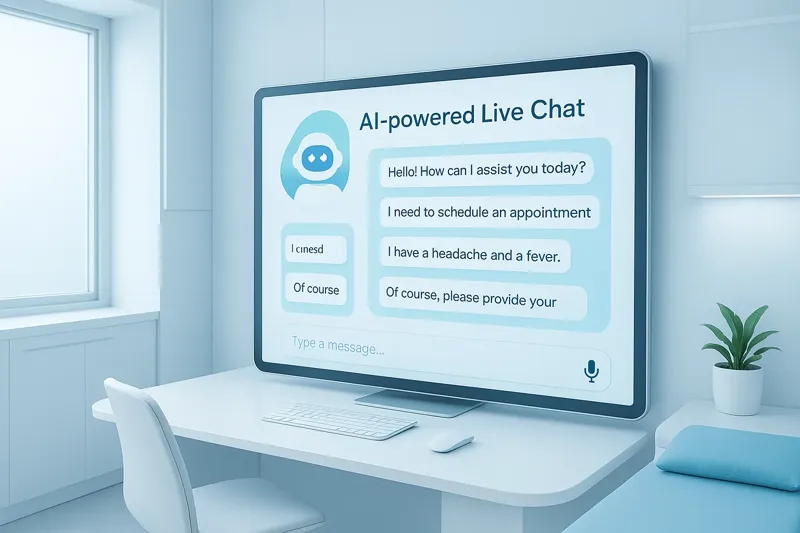
AI chatbots have rapidly emerged as transformative tools within the healthcare sector, enhancing communication and operational processes. Designed to simulate human conversation through natural language processing (NLP) and machine learning (ML), these systems provide round-the-clock digital interaction. Applications range from appointment scheduling and symptom triage to medication reminders and chronic disease management. Such capabilities are especially vital for addressing high patient volumes and healthcare access challenges.
Benefits for Patient Engagement and Provider Efficiency
AI-powered chatbots deliver multiple benefits for both patients and healthcare providers. Patients enjoy real-time, personalized support that improves adherence to treatment plans and enhances their understanding of medical instructions. Providers, on the other hand, experience reduced administrative burdens and increased operational efficiency—some report up to a 40% boost after chatbot integration. High engagement rates, often surpassing 90%, and improved patient retention underscore chatbots’ value in elevating care experiences.
Growing Adoption and Market Potential
Adoption of AI chatbots in healthcare practices is on the rise, with nearly one in five U.S. medical practices implementing these solutions as of 2025. The global market is projected to exceed $10 billion by 2034, fueled by advancements in AI technology and increasing demand for cost-effective, accessible healthcare communication. As digital transformation unfolds, AI chatbots stand poised to become a cornerstone in patient engagement and care delivery strategies.
Enhancing Patient-Provider Communication with AI Chatbots

How does AI enhance communication between patients and healthcare professionals?
AI chatbots leverage natural language processing (NLP) and natural language generation (NLG) to craft personalized and empathetic messages that resonate well with patients. These intelligent systems automate routine tasks such as appointment scheduling, reminders, and symptom assessments, ensuring timely and efficient communication without adding to clinical staff burdens.
Automating Scheduling, Reminders, and Symptom Assessment
AI chatbots integrate seamlessly with healthcare provider systems including Electronic Health Records (EHRs) and appointment platforms. They handle high volumes of interactions from scheduling appointments, sending medication and appointment reminders, to facilitating symptom triage and self-assessment. This automation improves operational efficiency by reducing no-shows and freeing staff to focus on complex patient care.
Personalization and 24/7 Accessibility
These chatbots offer round-the-clock availability, providing patients with immediate support anytime, including outside traditional office hours. They tailor interactions based on individual patient profiles, medical history, and communication preferences, enhancing patient engagement and fostering improved adherence to treatment plans.
Empathetic, Accurate Messaging through NLP
Using advanced NLP techniques, AI chatbots interpret patient inquiries with context awareness, enabling them to respond empathetically and accurately. Studies have shown AI-generated responses can outperform physician replies in empathy and tone, especially when clinicians review and approve drafts. The systems also support multilingual communication and can demystify complex medical instructions, contributing to better understanding and satisfaction.
Together, these capabilities empower healthcare providers to deliver consistent, patient-centered communication that supports improved health outcomes, clinician satisfaction, and operational efficiency.
Operational Efficiency and Cost Savings Driven by AI Chatbots
How is AI being used in healthcare to improve patient care?
AI chatbots in healthcare boost patient care by automating routine administrative tasks such as appointment scheduling, documentation, and follow-up communications. This automation reduces the administrative workload on clinicians, allowing them to dedicate more time to direct patient care and improve outcomes.
Reduction of administrative burden through automation
Conversational AI in healthcare handle common patient interactions, including scheduling, medication reminders, and answering FAQs, which decreases manual workload. They can process up to 85% of patient inquiries autonomously, which lessens staff burnout and increases availability of care.
Improved workflow efficiencies in scheduling and patient inquiries
With AI chatbots integrated into healthcare systems, appointment management becomes more efficient. Patients benefit from 24/7 health information access scheduling capabilities and automated reminders, substantially reducing no-show rates. Chatbots also seamlessly transfer complex cases to human staff, ensuring accuracy and patient safety.
Significant cost savings and efficiency gains reported by healthcare providers
Healthcare organizations have reported up to a 40% increase in operational efficiency after implementing AI chatbots. Cost savings are significant, with global estimates reaching $3.6 billion by 2025 due to improved administrative efficiencies and reduced staffing burdens. These innovations contribute to more affordable and accessible healthcare while maintaining high standards of patient care.
Together, Improving Healthcare Access and Efficiency with AI Chatbots streamline healthcare operations, enhance patient engagement, and enable providers to deliver higher quality care more efficiently and cost-effectively.
Popular and Effective AI Chatbots in the Healthcare Industry

Are AI chatbots used in healthcare and which are considered the best?
AI chatbots in healthcare are extensively utilized across the healthcare industry, assisting both providers and patients by automating routine tasks and supporting medical management. Leading solutions include Babylon Health, Buoy Health, Florence, and Voiceoc. These platforms deliver comprehensive functionalities such as appointment scheduling, symptom checking, medication reminders, and chronic disease management.
Examples of leading healthcare chatbots and their functionalities
- Babylon Health: Offers personalized health assessments based on reported symptoms and facilitates virtual consultations.
- Buoy Health: Specializes in symptom checking and guiding patients to appropriate care.
- Florence: Provides medication reminders and support for adherence to treatment plans.
- Voiceoc: Recognized for advanced AI capabilities, integrating natural language processing, and machine learning to deliver empathetic, accurate patient communications.
Role in appointment management, symptom checking, medication reminders
These chatbots enhance operational efficiency by automating appointment booking, reducing no-shows through automated reminders, and performing initial symptom assessments that prioritize patient triage. Medication reminders improve adherence, particularly for chronic disease patients, ensuring consistent care and better health outcomes.
Importance of integration with digital health systems and HIPAA compliance
Effective chatbot deployment in healthcare hinges on robust integration with electronic health records (EHR), patient management systems, telemedicine platforms, and billing services. Integration ensures seamless data exchange and adaptation within clinical workflows. Coupled with this, HIPAA-compliant security protocols, including end-to-end encryption and audit trails, are critical to protect patient privacy and maintain regulatory compliance.
Table summarizing popular AI healthcare chatbots:
| Chatbot | Core Functionalities | Key Strengths |
|---|---|---|
| Babylon Health | Symptom checking, virtual care | Personalized assessments, resource allocation |
| Buoy Health | Symptom triage | User-friendly triage guidance |
| Florence | Medication reminders | Treatment adherence support |
| Voiceoc | Multimodal communication, AI | Advanced NLP, HIPAA compliance, system integration |
These chatbots represent the forefront of digital healthcare transformation, streamlining operations while enhancing patient engagement and satisfaction.
Ensuring Privacy and Security: HIPAA-Compliant AI Chatbots

Requirement of HIPAA compliance for patient data protection
Protecting patient data is paramount in healthcare communications. HIPAA compliance ensures that AI chatbots manage Protected Health Information (PHI) securely by incorporating end-to-end encryption, access controls, secure audit trails, and compliant cloud storage. Use of non-compliant platforms can lead to serious legal penalties and damage to reputation.
Features of HIPAA-compliant AI chatbots like SmartBot360™ and TeleVox
AI chatbot solutions such as SmartBot360™ and TeleVox deliver secure, compliant communication and automation. They handle tasks like appointment scheduling, medication reminders, symptom triage, and patient follow-ups while maintaining patient privacy. These platforms support 24/7 omnichannel access via text, phone, and online chat, significantly reducing manual workload for healthcare staff.
Integration with secure platforms to facilitate telehealth and data handling
HIPAA-compliant chatbots integrate seamlessly with electronic health records (EHRs), telehealth platforms, and patient management systems. This connectivity enables real-time data exchange, secure virtual visits, and streamlined workflows. Systems like TeleVox's SMART Agent virtual assistant exemplify how AI chatbots securely facilitate patient interactions without compromising data security.
Is there a HIPAA-compliant AI chatbot for healthcare? Yes, AI chatbots such as SmartBot360™ and TeleVox provide HIPAA-compliant communication, supporting telehealth visits, appointment scheduling, and patient follow-ups. They ensure secure data handling while reducing staff workload and enhancing patient engagement.
Personalizing Patient Engagement and Improving Communication Skills with AI
Using AI for real-time feedback and personalized coaching
AI enhances healthcare communication are transforming the way healthcare providers refine their communication skills by offering real-time feedback and personalized coaching. These systems analyze tone, speech patterns, and conversational nuances to enhance key interpersonal skills such as empathy, active listening, and assertiveness. By simulating patient interactions and providing tailored recommendations, AI helps clinicians develop more compassionate and effective communication styles that foster trust and engagement.
Enhancing empathy, active listening, and assertiveness among providers
AI-driven virtual assistants support healthcare providers in practicing and improving empathy and active listening through interactive scenarios and speech analysis. The technology encourages assertiveness in patient dialogue by identifying and suggesting optimized communication approaches, ensuring that providers can clearly convey critical health information while responding sensitively to patient concerns. This improves patient satisfaction and adherence to care plans, ultimately driving better clinical outcomes.
Overcoming language and cultural barriers through NLP and translation
Natural Language Processing (NLP) and AI-powered translation tools break down language and cultural barriers by delivering personalized communication tailored to diverse patient populations. These AI systems provide multilingual support and cultural context awareness, enhancing comprehension and inclusivity. This capability ensures equitable healthcare access, supports health literacy, and strengthens engagement with underrepresented groups through clear, respectful, and culturally sensitive communication.
How can AI improve communication skills in healthcare?
AI provides personalized training through virtual coaching that analyzes tone and speech patterns to enhance empathy and assertiveness. It tailors communication strategies for diverse patient populations, effectively breaking language and cultural barriers, which leads to improved patient engagement and satisfaction.
Generative AI Applications in Healthcare Communication and Beyond
What is the role of generative AI in medicine, including its progress and challenges?
Generative AI plays a transformative role in modern healthcare by automating complex tasks such as drafting compassionate patient communications and facilitating clinical documentation. This technology helps reduce the cognitive burden on physicians by generating empathetic, well-structured responses to patient inquiries and producing detailed clinical notes. It also supports personalized treatment plans, enabling more tailored care through the analysis of patient data and treatment outcomes. For more insights, see Benefits of Latest AI Technologies in Healthcare.
However, the integration of generative AI into healthcare involves significant challenges. Protecting patient privacy is paramount, necessitating strict adherence to data security standards including HIPAA compliance. Additionally, ensuring clinical accuracy remains a critical concern, as the AI must rely on up-to-date, evidence-based medical information to avoid misinformation. Ethical considerations related to bias, transparency, and patient consent must also be addressed carefully to maintain trust and equity in care delivery. Learn more about these issues at Limitations of AI training data and ethical considerations and Ethical AI development in healthcare.
Are there examples of generative AI being used in healthcare?
Several notable use cases illustrate the power and potential of generative AI in healthcare settings. For instance, the UC San Diego Health system employs AI integrated with electronic health records to draft responses for non-emergency patient messages, which clinicians then review and customize. This approach has been shown to enhance the empathy and thoroughness of communication. Further details can be found at UC San Diego Health AI chatbot integration and AI enhances physician-patient communication.
Additionally, generative AI accelerates drug development by analyzing vast biomedical datasets, improves medical imaging diagnostics such as MRI and X-ray interpretations, and streamlines clinical research workflows. AI-driven solutions also facilitate personalized care by synthesizing complex patient histories into actionable, patient-centric treatment recommendations. See Benefits of Latest AI Technologies in Healthcare for more on this.
Together, these applications demonstrate generative AI's ability to enhance healthcare efficiency, improve patient outcomes, and support clinicians, while ongoing efforts continue to address the attendant challenges of safety, privacy, and ethical use. Additional context on AI chatbots in healthcare and AI in healthcare communication further highlight how AI is shaping modern medical practice.
AI Live Chat's Role in Digital Marketing and Patient Acquisition Strategies
How Does AI Chat Integrate with Healthcare Digital Marketing?
Integrating healthcare digital marketing efforts transforms patient engagement by providing real-time, automated interaction across websites, social media, and communication platforms. Integrating AI Chat for a Modern Patient Interaction offered 24/7 accessibility, making it easier for potential patients to schedule appointments, ask questions, and receive timely information without human delay. This seamless availability enhances an organization’s online presence, meeting the modern patient’s expectations for immediate and personalized service.
Enhancing Online Presence Through Automated Patient Interaction
AI chat in medical practices enhances visibility by reducing wait times for scheduling and inquiries, critical to retaining website visitors and converting them into patients. Automated interactions personalize each experience by recognizing patient preferences and history when integrated with practice management and EMR systems. This tailored communication builds trust and encourages repeated engagements, effectively supporting both patient acquisition and retention.
Leveraging Data Analytics to Tailor Campaigns and Improve Retention
AI chat platforms capture rich patient interaction data, which can be analyzed to understand patient needs, behavior, and preferences. Marketers can use these insights to refine SEO strategies, customize social media ads, and develop targeted email campaigns that directly address patient concerns and priorities. This data-driven approach improves marketing ROI by attracting higher-value patients and fostering long-term loyalty through relevant, consistent communication. These tactics align with best practices in healthcare digital marketing.
What Is the Digital Marketing Strategy for Healthcare?
Effective healthcare digital marketing combines SEO-optimized websites, content marketing, targeted social media campaigns, online reputation management, and data-driven strategy adaptations to attract and retain high-value patients efficiently and compliantly. These multi-channel efforts are enhanced by Healthcare digital marketing and AI chatbots in healthcare ability to automate patient communication and streamline service delivery.
What Are Some Effective Digital Marketing Strategies for Healthcare Clinics?
Clinics should focus on:
- SEO to boost-local visibility and help patients find services easily.
- Leveraging social media platforms like Facebook and Instagram for engagement and brand building.
- Using PPC ads to target specific demographics efficiently.
- Creating authoritative, educational content to establish thought leadership.
- Employing email marketing campaigns to nurture patient relationships and promote loyalty.
Combined with AI live chat, these strategies increase conversion rates and patient satisfaction by ensuring personalized, prompt communication.
| Aspect | AI Chat Contribution | Impact on Digital Marketing |
|---|---|---|
| Availability | 24/7 patient interaction | Higher engagement and conversion rates |
| Personalization | Tailored communication | Improves patient retention and loyalty |
| Data Capture | Detailed patient insights | Enables targeted, effective marketing campaigns |
| Integration with CRM/EMR | Unified patient data management | Enhances coordinated outreach and service delivery |
| Operational Efficiency | Automates routine tasks | Reduces administrative burden and improves response |
This synergy of AI chat technology with digital marketing equips healthcare organizations to thrive in competitive markets while maintaining compliance and focusing on patient-centered care.
Real-World AI Chatbot Implementations Enhancing Chronic Disease Management
Examples from academic medical centers using AI chatbots in patient communication
Leading academic medical centers in the United States are actively integrating AI chatbots in healthcare to advance management of chronic disease management. For instance, the University of Pennsylvania’s Abramson Cancer Center employs "Penny chatbot at Abramson Cancer Center," an AI-driven bi-directional messaging system designed to monitor oral chemotherapy patients. Similarly, Northwell Health chronic condition chatbots in New York has customized AI chatbot systems that provide continuous monitoring and support for patients with diabetes and heart failure.
Patient monitoring, symptom triage, medication adherence support
AI chatbots in healthcare facilitate real-time patient monitoring by collecting symptom data and alerting clinicians to potential issues promptly. These systems assist with symptom analysis chatbots and provide medication reminders, significantly enhancing patient adherence to care plans—with some platforms reporting up to 97% adherence rates. This continuous support helps demystify complex medical instructions and encourages proactive improving patient engagement with chatbots.
Improved patient satisfaction and reduced hospital readmissions
Implementation of AI chatbots in healthcare in chronic care has yielded measurable improvements in improving patient retention and satisfaction, engagement, and health outcomes. They enable personalized, empathetic communication while reducing clinician workload, thus fostering stronger patient-clinician relationships. Notably, widespread use of these technologies has contributed to reducing hospital readmissions by enabling early intervention and efficient management of chronic disease management, ultimately improving the quality and efficiency of care delivery.
Future Trends: AI Chatbots Integrating Wearable Data and Predictive Analytics
What makes wearable AI devices a key tool for personalized care?
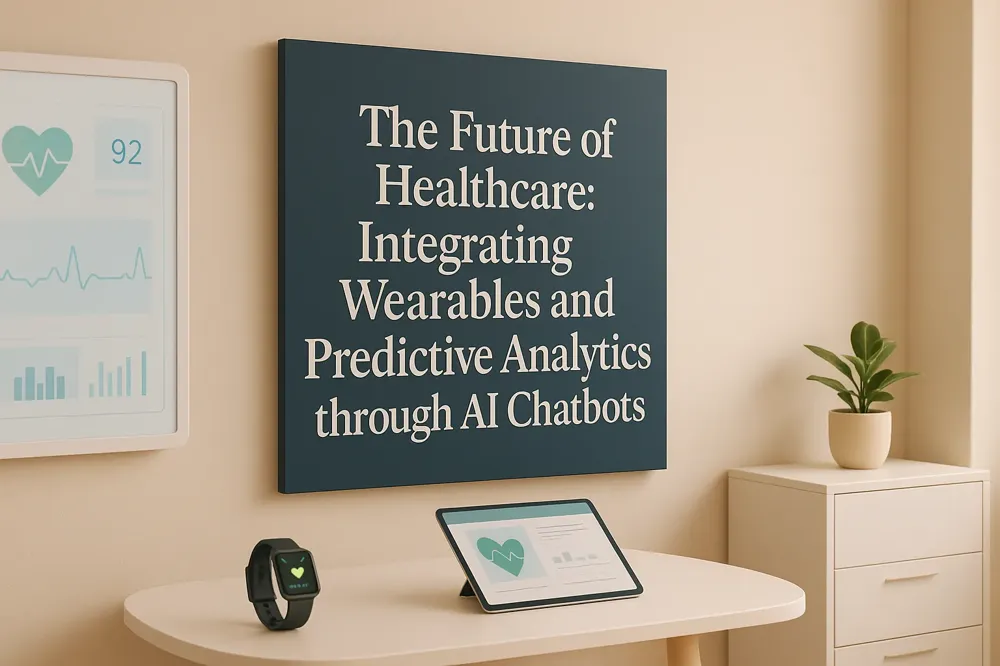
Wearable AI devices have transformed patient care by continuously collecting real-time health data such as heart rate, glucose levels, and physical activity. This constant stream of personalized information enables early detection of health anomalies and the tailoring of treatments to individual needs. By supporting Remote patient monitoring tools, these devices enhance patient engagement and foster proactive interventions, shifting healthcare from reactive to preventative and data-driven models.
How does predictive analytics anticipate patient needs and support proactive interventions?
Predictive analytics leverages vast datasets, including wearable data, historical health records, and behavioral patterns, to forecast potential health issues before they escalate. By identifying risk factors early, healthcare providers can deploy timely preventive measures, coordinate care more effectively, and reduce emergency interventions. This data-driven foresight plays a crucial role in Chronic disease management, medication adherence, and optimizing clinical outcomes.
How are AI chatbots integrating with EHRs and patient monitoring systems to enhance communication?
Modern AI chatbots in healthcare are increasingly integrated with electronic health records (EHRs) and patient monitoring platforms, creating seamless communication loops between patients and care teams. These chatbots can access real-time data from wearables, providing personalized reminders, Symptom analysis chatbots, and care plan adherence notifications. This integration streamlines workflows, supports Human oversight in AI healthcare, enhances health literacy through tailored education, and improves overall patient engagement while maintaining Safety and privacy in AI chatbots and compliance.
Together, the convergence of wearable AI technology, advanced predictive analytics, and integrated chatbot communication heralds a future where healthcare is more personalized, efficient, and responsive to patient needs.
Conclusion: Empowering Patient Communication with AI Live Chat
Transforming Healthcare Communication and Efficiency
AI chatbots are revolutionizing healthcare communication by providing 24/7 patient engagement, automating routine administrative tasks, and enhancing chronic disease management. These virtual assistants improve operational efficiency, with healthcare facilities reporting up to a 40% productivity boost and substantial cost savings. They facilitate personalized interactions, timely reminders, and real-time data collection, which translate to higher patient satisfaction and adherence rates exceeding 90%.
Ensuring Trust Through Compliance and Oversight
Critical to the success of AI chatbots is strict adherence to HIPAA standards, safeguarding patient data privacy and security. Solutions such as TeleVox and Curogram integrate encryption and secure audit trails to maintain compliance across communications. Moreover, human oversight remains indispensable; clinicians review AI-generated responses to ensure accuracy, maintain empathy, and build patient trust. Transparent communication about AI usage and opt-in policies further enhance patient confidence.
Looking Ahead: Integration and Growth
The healthcare chatbot market is poised for rapid expansion, with projected values exceeding $10 billion by 2034. Future developments include deeper integration with electronic health records, real-time predictive analytics, and multimodal data inputs like voice and imaging. As adoption broadens, AI chatbots will become pivotal in delivering equitable, accessible, and personalized care, ultimately supporting both provider workflows and superior patient outcomes.
Introduction to AI Live Chat in Healthcare
Emergence of AI Chatbots in Healthcare
AI chatbots have rapidly emerged as transformative tools within the healthcare sector, enhancing communication and operational processes. Designed to simulate human conversation through natural language processing (NLP) and machine learning (ML), these systems provide round-the-clock digital interaction. Applications range from appointment scheduling and symptom triage to medication reminders and chronic disease management. Such capabilities are especially vital for addressing high patient volumes and healthcare access challenges.
Benefits for Patient Engagement and Provider Efficiency
AI-powered chatbots deliver multiple benefits for both patients and healthcare providers. Patients enjoy real-time, personalized support that improves adherence to treatment plans and enhances their understanding of medical instructions. Providers, on the other hand, experience reduced administrative burdens and increased operational efficiency—some report up to a 40% boost after chatbot integration. High engagement rates, often surpassing 90%, and improved patient retention underscore chatbots’ value in elevating care experiences.
Growing Adoption and Market Potential
Adoption of AI chatbots in healthcare practices is on the rise, with nearly one in five U.S. medical practices implementing these solutions as of 2025. The global market is projected to exceed $10 billion by 2034, fueled by advancements in AI technology and increasing demand for cost-effective, accessible healthcare communication. As digital transformation unfolds, AI chatbots stand poised to become a cornerstone in patient engagement and care delivery strategies.
Enhancing Patient-Provider Communication with AI Chatbots
How does AI enhance communication between patients and healthcare professionals?
AI chatbots leverage natural language processing (NLP) and natural language generation (NLG) to craft personalized and empathetic messages that resonate well with patients. These intelligent systems automate routine tasks such as appointment scheduling, reminders, and symptom assessments, ensuring timely and efficient communication without adding to clinical staff burdens.
Automating Scheduling, Reminders, and Symptom Assessment
AI chatbots integrate seamlessly with healthcare provider systems including Electronic Health Records (EHRs) and appointment platforms. They handle high volumes of interactions from scheduling appointments, sending medication and appointment reminders, to facilitating symptom triage and self-assessment. This automation improves operational efficiency by reducing no-shows and freeing staff to focus on complex patient care.
Personalization and 24/7 Accessibility
These chatbots offer round-the-clock availability, providing patients with immediate support anytime, including outside traditional office hours. They tailor interactions based on individual patient profiles, medical history, and communication preferences, enhancing patient engagement and fostering improved adherence to treatment plans.
Empathetic, Accurate Messaging through NLP
Using advanced NLP techniques, AI chatbots interpret patient inquiries with context awareness, enabling them to respond empathetically and accurately. Studies have shown AI-generated responses can outperform physician replies in empathy and tone, especially when clinicians review and approve drafts. The systems also support multilingual communication and can demystify complex medical instructions, contributing to better understanding and satisfaction.
Together, these capabilities empower healthcare providers to deliver consistent, patient-centered communication that supports improved health outcomes, clinician satisfaction, and operational efficiency.
Operational Efficiency and Cost Savings Driven by AI Chatbots
How is AI being used in healthcare to improve patient care?
AI chatbots in healthcare boost patient care by automating routine administrative tasks such as appointment scheduling, documentation, and follow-up communications. This automation reduces the administrative workload on clinicians, allowing them to dedicate more time to direct patient care and improve outcomes.
Reduction of administrative burden through automation
Conversational AI in healthcare handle common patient interactions, including scheduling, medication reminders, and answering FAQs, which decreases manual workload. They can process up to 85% of patient inquiries autonomously, which lessens staff burnout and increases availability of care.
Improved workflow efficiencies in scheduling and patient inquiries
With AI chatbots integrated into healthcare systems, appointment management becomes more efficient. Patients benefit from 24/7 health information access scheduling capabilities and automated reminders, substantially reducing no-show rates. Chatbots also seamlessly transfer complex cases to human staff, ensuring accuracy and patient safety.
Significant cost savings and efficiency gains reported by healthcare providers
Healthcare organizations have reported up to a 40% increase in operational efficiency after implementing AI chatbots. Cost savings are significant, with global estimates reaching $3.6 billion by 2025 due to improved administrative efficiencies and reduced staffing burdens. These innovations contribute to more affordable and accessible healthcare while maintaining high standards of patient care.
Together, Improving Healthcare Access and Efficiency with AI Chatbots streamline healthcare operations, enhance patient engagement, and enable providers to deliver higher quality care more efficiently and cost-effectively.
Popular and Effective AI Chatbots in the Healthcare Industry
Are AI chatbots used in healthcare and which are considered the best?
AI chatbots in healthcare are extensively utilized across the healthcare industry, assisting both providers and patients by automating routine tasks and supporting medical management. Leading solutions include Babylon Health, Buoy Health, Florence, and Voiceoc. These platforms deliver comprehensive functionalities such as appointment scheduling, symptom checking, medication reminders, and chronic disease management.
Examples of leading healthcare chatbots and their functionalities
- Babylon Health: Offers personalized health assessments based on reported symptoms and facilitates virtual consultations.
- Buoy Health: Specializes in symptom checking and guiding patients to appropriate care.
- Florence: Provides medication reminders and support for adherence to treatment plans.
- Voiceoc: Recognized for advanced AI capabilities, integrating natural language processing, and machine learning to deliver empathetic, accurate patient communications.
Role in appointment management, symptom checking, medication reminders
These chatbots enhance operational efficiency by automating appointment booking, reducing no-shows through automated reminders, and performing initial symptom assessments that prioritize patient triage. Medication reminders improve adherence, particularly for chronic disease patients, ensuring consistent care and better health outcomes.
Importance of integration with digital health systems and HIPAA compliance
Effective chatbot deployment in healthcare hinges on robust integration with electronic health records (EHR), patient management systems, telemedicine platforms, and billing services. Integration ensures seamless data exchange and adaptation within clinical workflows. Coupled with this, HIPAA-compliant security protocols, including end-to-end encryption and audit trails, are critical to protect patient privacy and maintain regulatory compliance.
Table summarizing popular AI healthcare chatbots:
| Chatbot | Core Functionalities | Key Strengths |
|---|---|---|
| Babylon Health | Symptom checking, virtual care | Personalized assessments, resource allocation |
| Buoy Health | Symptom triage | User-friendly triage guidance |
| Florence | Medication reminders | Treatment adherence support |
| Voiceoc | Multimodal communication, AI | Advanced NLP, HIPAA compliance, system integration |
These chatbots represent the forefront of digital healthcare transformation, streamlining operations while enhancing patient engagement and satisfaction.
Ensuring Privacy and Security: HIPAA-Compliant AI Chatbots
Requirement of HIPAA compliance for patient data protection
Protecting patient data is paramount in healthcare communications. HIPAA compliance ensures that AI chatbots manage Protected Health Information (PHI) securely by incorporating end-to-end encryption, access controls, secure audit trails, and compliant cloud storage. Use of non-compliant platforms can lead to serious legal penalties and damage to reputation.
Features of HIPAA-compliant AI chatbots like SmartBot360™ and TeleVox
AI chatbot solutions such as SmartBot360™ and TeleVox deliver secure, compliant communication and automation. They handle tasks like appointment scheduling, medication reminders, symptom triage, and patient follow-ups while maintaining patient privacy. These platforms support 24/7 omnichannel access via text, phone, and online chat, significantly reducing manual workload for healthcare staff.
Integration with secure platforms to facilitate telehealth and data handling
HIPAA-compliant chatbots integrate seamlessly with electronic health records (EHRs), telehealth platforms, and patient management systems. This connectivity enables real-time data exchange, secure virtual visits, and streamlined workflows. Systems like TeleVox's SMART Agent virtual assistant exemplify how AI chatbots securely facilitate patient interactions without compromising data security.
Is there a HIPAA-compliant AI chatbot for healthcare? Yes, AI chatbots such as SmartBot360™ and TeleVox provide HIPAA-compliant communication, supporting telehealth visits, appointment scheduling, and patient follow-ups. They ensure secure data handling while reducing staff workload and enhancing patient engagement.
Personalizing Patient Engagement and Improving Communication Skills with AI
Using AI for real-time feedback and personalized coaching
AI enhances healthcare communication are transforming the way healthcare providers refine their communication skills by offering real-time feedback and personalized coaching. These systems analyze tone, speech patterns, and conversational nuances to enhance key interpersonal skills such as empathy, active listening, and assertiveness. By simulating patient interactions and providing tailored recommendations, AI helps clinicians develop more compassionate and effective communication styles that foster trust and engagement.
Enhancing empathy, active listening, and assertiveness among providers
AI-driven virtual assistants support healthcare providers in practicing and improving empathy and active listening through interactive scenarios and speech analysis. The technology encourages assertiveness in patient dialogue by identifying and suggesting optimized communication approaches, ensuring that providers can clearly convey critical health information while responding sensitively to patient concerns. This improves patient satisfaction and adherence to care plans, ultimately driving better clinical outcomes.
Overcoming language and cultural barriers through NLP and translation
Natural Language Processing (NLP) and AI-powered translation tools break down language and cultural barriers by delivering personalized communication tailored to diverse patient populations. These AI systems provide multilingual support and cultural context awareness, enhancing comprehension and inclusivity. This capability ensures equitable healthcare access, supports health literacy, and strengthens engagement with underrepresented groups through clear, respectful, and culturally sensitive communication.
How can AI improve communication skills in healthcare?
AI provides personalized training through virtual coaching that analyzes tone and speech patterns to enhance empathy and assertiveness. It tailors communication strategies for diverse patient populations, effectively breaking language and cultural barriers, which leads to improved patient engagement and satisfaction.
Generative AI Applications in Healthcare Communication and Beyond
What is the role of generative AI in medicine, including its progress and challenges?
Generative AI plays a transformative role in modern healthcare by automating complex tasks such as drafting compassionate patient communications and facilitating clinical documentation. This technology helps reduce the cognitive burden on physicians by generating empathetic, well-structured responses to patient inquiries and producing detailed clinical notes. It also supports personalized treatment plans, enabling more tailored care through the analysis of patient data and treatment outcomes. For more insights, see Benefits of Latest AI Technologies in Healthcare.
However, the integration of generative AI into healthcare involves significant challenges. Protecting patient privacy is paramount, necessitating strict adherence to data security standards including HIPAA compliance. Additionally, ensuring clinical accuracy remains a critical concern, as the AI must rely on up-to-date, evidence-based medical information to avoid misinformation. Ethical considerations related to bias, transparency, and patient consent must also be addressed carefully to maintain trust and equity in care delivery. Learn more about these issues at Limitations of AI training data and ethical considerations and Ethical AI development in healthcare.
Are there examples of generative AI being used in healthcare?
Several notable use cases illustrate the power and potential of generative AI in healthcare settings. For instance, the UC San Diego Health system employs AI integrated with electronic health records to draft responses for non-emergency patient messages, which clinicians then review and customize. This approach has been shown to enhance the empathy and thoroughness of communication. Further details can be found at UC San Diego Health AI chatbot integration and AI enhances physician-patient communication.
Additionally, generative AI accelerates drug development by analyzing vast biomedical datasets, improves medical imaging diagnostics such as MRI and X-ray interpretations, and streamlines clinical research workflows. AI-driven solutions also facilitate personalized care by synthesizing complex patient histories into actionable, patient-centric treatment recommendations. See Benefits of Latest AI Technologies in Healthcare for more on this.
Together, these applications demonstrate generative AI's ability to enhance healthcare efficiency, improve patient outcomes, and support clinicians, while ongoing efforts continue to address the attendant challenges of safety, privacy, and ethical use. Additional context on AI chatbots in healthcare and AI in healthcare communication further highlight how AI is shaping modern medical practice.
AI Live Chat's Role in Digital Marketing and Patient Acquisition Strategies
How Does AI Chat Integrate with Healthcare Digital Marketing?
Integrating healthcare digital marketing efforts transforms patient engagement by providing real-time, automated interaction across websites, social media, and communication platforms. Integrating AI Chat for a Modern Patient Interaction offered 24/7 accessibility, making it easier for potential patients to schedule appointments, ask questions, and receive timely information without human delay. This seamless availability enhances an organization’s online presence, meeting the modern patient’s expectations for immediate and personalized service.
Enhancing Online Presence Through Automated Patient Interaction
AI chat in medical practices enhances visibility by reducing wait times for scheduling and inquiries, critical to retaining website visitors and converting them into patients. Automated interactions personalize each experience by recognizing patient preferences and history when integrated with practice management and EMR systems. This tailored communication builds trust and encourages repeated engagements, effectively supporting both patient acquisition and retention.
Leveraging Data Analytics to Tailor Campaigns and Improve Retention
AI chat platforms capture rich patient interaction data, which can be analyzed to understand patient needs, behavior, and preferences. Marketers can use these insights to refine SEO strategies, customize social media ads, and develop targeted email campaigns that directly address patient concerns and priorities. This data-driven approach improves marketing ROI by attracting higher-value patients and fostering long-term loyalty through relevant, consistent communication. These tactics align with best practices in healthcare digital marketing.
What Is the Digital Marketing Strategy for Healthcare?
Effective healthcare digital marketing combines SEO-optimized websites, content marketing, targeted social media campaigns, online reputation management, and data-driven strategy adaptations to attract and retain high-value patients efficiently and compliantly. These multi-channel efforts are enhanced by Healthcare digital marketing and AI chatbots in healthcare ability to automate patient communication and streamline service delivery.
What Are Some Effective Digital Marketing Strategies for Healthcare Clinics?
Clinics should focus on:
- SEO to boost-local visibility and help patients find services easily.
- Leveraging social media platforms like Facebook and Instagram for engagement and brand building.
- Using PPC ads to target specific demographics efficiently.
- Creating authoritative, educational content to establish thought leadership.
- Employing email marketing campaigns to nurture patient relationships and promote loyalty.
Combined with AI live chat, these strategies increase conversion rates and patient satisfaction by ensuring personalized, prompt communication.
| Aspect | AI Chat Contribution | Impact on Digital Marketing |
|---|---|---|
| Availability | 24/7 patient interaction | Higher engagement and conversion rates |
| Personalization | Tailored communication | Improves patient retention and loyalty |
| Data Capture | Detailed patient insights | Enables targeted, effective marketing campaigns |
| Integration with CRM/EMR | Unified patient data management | Enhances coordinated outreach and service delivery |
| Operational Efficiency | Automates routine tasks | Reduces administrative burden and improves response |
This synergy of AI chat technology with digital marketing equips healthcare organizations to thrive in competitive markets while maintaining compliance and focusing on patient-centered care.
Real-World AI Chatbot Implementations Enhancing Chronic Disease Management
Examples from academic medical centers using AI chatbots in patient communication
Leading academic medical centers in the United States are actively integrating AI chatbots in healthcare to advance management of chronic disease management. For instance, the University of Pennsylvania’s Abramson Cancer Center employs "Penny chatbot at Abramson Cancer Center," an AI-driven bi-directional messaging system designed to monitor oral chemotherapy patients. Similarly, Northwell Health chronic condition chatbots in New York has customized AI chatbot systems that provide continuous monitoring and support for patients with diabetes and heart failure.
Patient monitoring, symptom triage, medication adherence support
AI chatbots in healthcare facilitate real-time patient monitoring by collecting symptom data and alerting clinicians to potential issues promptly. These systems assist with symptom analysis chatbots and provide medication reminders, significantly enhancing patient adherence to care plans—with some platforms reporting up to 97% adherence rates. This continuous support helps demystify complex medical instructions and encourages proactive improving patient engagement with chatbots.
Improved patient satisfaction and reduced hospital readmissions
Implementation of AI chatbots in healthcare in chronic care has yielded measurable improvements in improving patient retention and satisfaction, engagement, and health outcomes. They enable personalized, empathetic communication while reducing clinician workload, thus fostering stronger patient-clinician relationships. Notably, widespread use of these technologies has contributed to reducing hospital readmissions by enabling early intervention and efficient management of chronic disease management, ultimately improving the quality and efficiency of care delivery.
Future Trends: AI Chatbots Integrating Wearable Data and Predictive Analytics
What makes wearable AI devices a key tool for personalized care?
Wearable AI devices have transformed patient care by continuously collecting real-time health data such as heart rate, glucose levels, and physical activity. This constant stream of personalized information enables early detection of health anomalies and the tailoring of treatments to individual needs. By supporting Remote patient monitoring tools, these devices enhance patient engagement and foster proactive interventions, shifting healthcare from reactive to preventative and data-driven models.
How does predictive analytics anticipate patient needs and support proactive interventions?
Predictive analytics leverages vast datasets, including wearable data, historical health records, and behavioral patterns, to forecast potential health issues before they escalate. By identifying risk factors early, healthcare providers can deploy timely preventive measures, coordinate care more effectively, and reduce emergency interventions. This data-driven foresight plays a crucial role in Chronic disease management, medication adherence, and optimizing clinical outcomes.
How are AI chatbots integrating with EHRs and patient monitoring systems to enhance communication?
Modern AI chatbots in healthcare are increasingly integrated with electronic health records (EHRs) and patient monitoring platforms, creating seamless communication loops between patients and care teams. These chatbots can access real-time data from wearables, providing personalized reminders, Symptom analysis chatbots, and care plan adherence notifications. This integration streamlines workflows, supports Human oversight in AI healthcare, enhances health literacy through tailored education, and improves overall patient engagement while maintaining Safety and privacy in AI chatbots and compliance.
Together, the convergence of wearable AI technology, advanced predictive analytics, and integrated chatbot communication heralds a future where healthcare is more personalized, efficient, and responsive to patient needs.
Conclusion: Empowering Patient Communication with AI Live Chat
Transforming Healthcare Communication and Efficiency
AI chatbots are revolutionizing healthcare communication by providing 24/7 patient engagement, automating routine administrative tasks, and enhancing chronic disease management. These virtual assistants improve operational efficiency, with healthcare facilities reporting up to a 40% productivity boost and substantial cost savings. They facilitate personalized interactions, timely reminders, and real-time data collection, which translate to higher patient satisfaction and adherence rates exceeding 90%.
Ensuring Trust Through Compliance and Oversight
Critical to the success of AI chatbots is strict adherence to HIPAA standards, safeguarding patient data privacy and security. Solutions such as TeleVox and Curogram integrate encryption and secure audit trails to maintain compliance across communications. Moreover, human oversight remains indispensable; clinicians review AI-generated responses to ensure accuracy, maintain empathy, and build patient trust. Transparent communication about AI usage and opt-in policies further enhance patient confidence.
Looking Ahead: Integration and Growth
The healthcare chatbot market is poised for rapid expansion, with projected values exceeding $10 billion by 2034. Future developments include deeper integration with electronic health records, real-time predictive analytics, and multimodal data inputs like voice and imaging. As adoption broadens, AI chatbots will become pivotal in delivering equitable, accessible, and personalized care, ultimately supporting both provider workflows and superior patient outcomes.