.png)

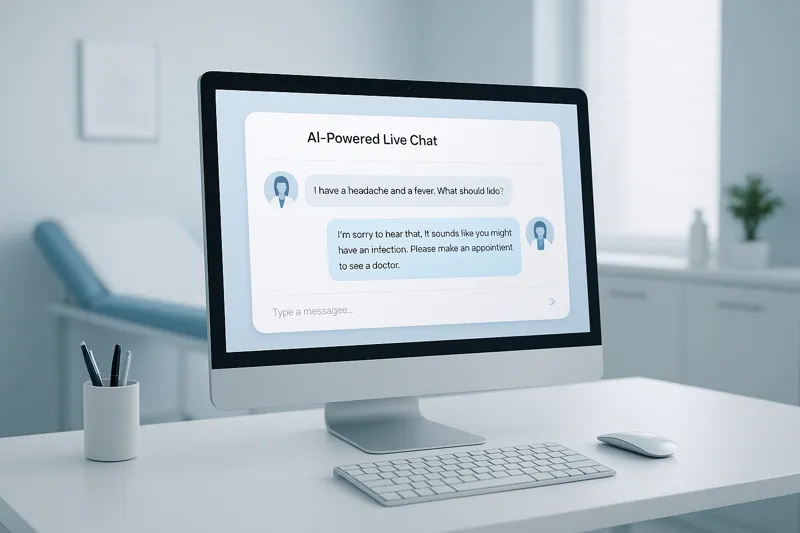
Introduction to AI Live Chat in Healthcare
Overview of AI chatbots in healthcare
AI chatbots, also known as conversational AI, are increasingly transforming healthcare by automating routine tasks and enhancing patient interactions. These tools manage scheduling, symptom checking, medication reminders, triage, and therapeutic support. Their ability to handle large patient volumes without adding staff burden is essential amid the growing demand for efficient healthcare delivery.
Importance of patient engagement and support
Engaging patients effectively is critical in improving adherence to treatments and health outcomes. AI chatbots deliver personalized, 24/7 support through familiar communication channels like SMS and chat, significantly increasing patient engagement rates—sometimes reaching over 90%. They also provide real-time reminders and explanations, empowering patients to better manage chronic diseases and navigate care pathways.
Rising demand for digital communication in healthcare
Modern patients expect convenient, responsive digital communication with their healthcare providers. With 45% or more of chatbot interactions occurring outside normal business hours, AI chatbots meet the need for on-demand assistance. This digital engagement supports operational efficiency, reduces staff workload, and elevates the overall patient experience, which is increasingly vital in the US healthcare landscape.
Transforming Patient Engagement through AI Chatbots
How does AI improve patient engagement in healthcare?
AI significantly enhances patient engagement by delivering personalized, data-driven interactions that match each patient's unique health needs and preferences. By leveraging advanced technologies such as natural language processing and machine learning, AI chatbots in patient engagement provide patients with immediate, empathetic, and informative responses at any time, reducing barriers to care and increasing accessibility through AI chatbots in patient engagement.
These chatbots facilitate quicker access to healthcare services through Chatbots for scheduling patient appointments, enabling patients to receive timely guidance and medical attention without traditional delays. AI tools send Real-time reminders for chronic illness, follow-ups, and preventive care, which boost patient compliance and health outcomes.
Integration with clinical systems like Integration of AI chatbots with Electronic Health Records (EHR) streamlines workflows, freeing clinicians from routine administrative duties so they can dedicate more time to direct patient care. This seamless connectivity ensures that care is coordinated and data-informed, enhancing the overall patient experience.
Role of chatbots in personalized communication
AI chatbots excel in creating Patient education via AI chatbots that feel relevant and supportive to patients. These systems use historical and real-time patient data to tailor conversations, educational content, and care instructions, reinforcing treatment plans effectively.
Chatbots adapt their messaging style and timing based on patient preferences, literacy levels, and language, which fosters trust and engagement. They also serve as 24/7 healthcare support with chatbots that guide patients through symptom checks, appointment scheduling, and medication queries, providing a continuous care presence outside of clinical settings.
Moreover, chatbots can recognize subtle changes in patient responses via Sentiment analysis in healthcare chatbots, allowing proactive interventions and emotionally supportive interactions that enhance patient satisfaction and loyalty.
Data-driven, on-demand interaction and follow-ups
Conversational AI enables real-time, measurable patient engagement by delivering on-demand support via multiple familiar channels like SMS, chat, and voice. This immediacy improves adherence to treatment regimens and enables early detection of complications through continuous Remote patient monitoring chatbots.
Data collected from patient interactions are synthesized into actionable insights, helping healthcare providers identify care gaps and optimize communication strategies. AI-driven follow-ups automate routine outreach for appointment reminders, educational prompts, and symptom checks, reducing manual workload and eliminating missed opportunities for timely care.
This Conversational AI for patient adherence supports a proactive care model that not only meets individual patient needs efficiently but also fosters scalable, sustainable healthcare delivery by increasing both patient retention and operational efficiency.
Operational Benefits of AI Chatbots in Healthcare Facilities
What are the benefits of using AI chatbots in healthcare?
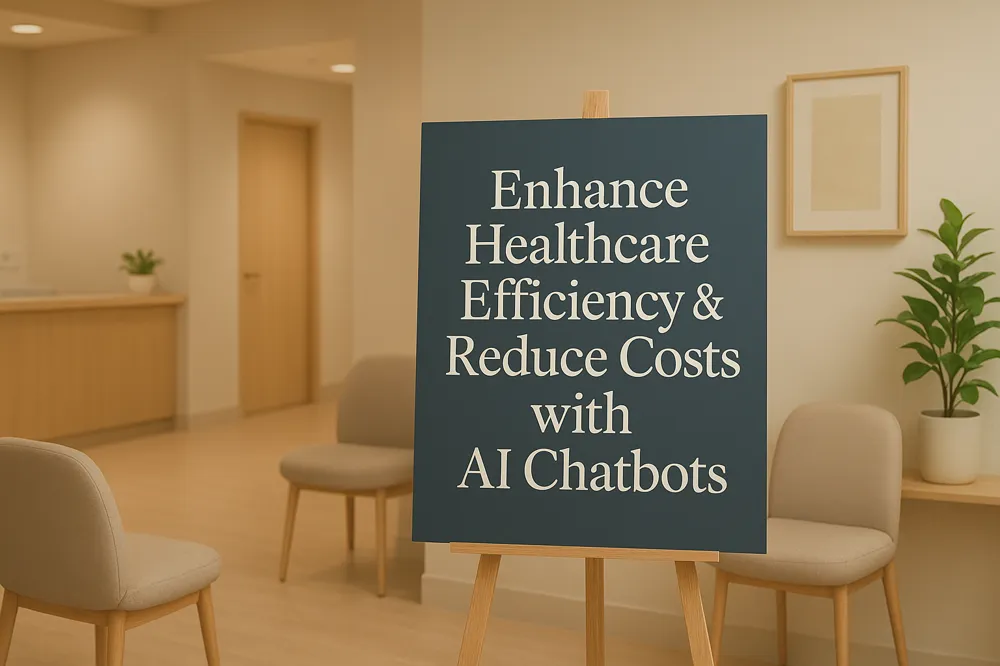
AI chatbots in healthcare deliver substantial operational benefits in healthcare by reducing administrative burdens and clinician workloads. These tools automate routine, time-consuming tasks such as Chatbots for scheduling patient appointments, billing inquiries, and patient follow-ups. This automation not only cuts down wait times and no-shows but also frees clinical and administrative staff to focus on more complex patient care.
How do AI chatbots reduce administrative burden and clinician workload?
By managing repetitive tasks like answering frequently asked questions, conducting Symptom assessment chatbots, and providing Medication reminder AI, Benefits of AI chatbots in healthcare minimize the workload on healthcare professionals. Virtual health assistants offer continuous patient engagement through timely check-ins and care plan reinforcement, which helps prevent nonadherence and reduces hospital readmissions. Automating these functions significantly eases staff pressure, reduces burnout, and improves workflow efficiency.
In what ways do AI chatbots improve operational efficiency and reduce healthcare costs?
Healthcare providers gain enhanced operational efficiency with chatbots by streamlining patient intake, automating scheduling and billing processes, and enabling proactive outreach through personalized reminders. These improvements lead to up to 40% increases in operational efficiency and lower administrative expenses. Systems like OSF HealthCare’s Clare have demonstrated multimillion-dollar savings while increasing net patient revenue by diverting calls from contact centers to virtual assistants.
| Operational Benefit | Description | Impact on Healthcare Facilities |
|---|---|---|
| Reduced Administrative Burden | Automates scheduling, billing, and FAQs | Frees staff for clinical tasks; decreases burnout |
| Improved Patient Engagement | Sends reminders and care plan reinforcements | Increases adherence; lowers readmissions |
| Enhanced Workflow Efficiency | Streamlines patient intake and information flow | Reduces wait times; improves care coordination |
| Cost Reduction | Cuts down staff workload and operational costs | Multimillion-dollar savings; increased revenue |
Through AI-Powered Patient Engagement, AI chatbots in healthcare enable healthcare systems to operate more sustainably while delivering higher-quality care with measurable outcomes.
Clinical Applications and Support through AI Live Chat

How is an AI chatbot used in healthcare?
AI chatbots in healthcare serve multiple clinical and administrative roles to enhance patient care and system efficiency. They provide 24/7 support for appointment scheduling, reminders, symptom tracking, and medication adherence, relieving staff workload. These chatbots use natural language processing and machine learning algorithms to offer personalized, HIPAA-compliant patient interactions.
AI in diagnostic support and decision-making
AI chatbots assist clinicians by improving diagnostic accuracy through symptom analysis and decision-support functions. Integrated with clinical workflows, they guide patients in self-assessing symptoms, triaging care urgency, and providing validated, doctor-approved health information. This supports early intervention and reduces diagnostic errors, enhancing overall patient outcomes.
Symptom checking and triage assistance
Conversational AI platforms serve as virtual triage tools that evaluate patient symptoms using structured questioning, enabling timely prioritization and referral to appropriate care providers. This automation decreases unnecessary emergency visits and ensures those with urgent needs are routed promptly, effectively managing high patient volumes without burdening clinicians.
Integration with clinical workflows and electronic health records
Advanced AI chatbots seamlessly integrate with electronic health records (EHR) and practice management systems to access patient histories and update health data in real time. This interoperability allows chatbots to assist in administrative tasks, patient follow-ups, and personalized education while maintaining regulatory compliance and facilitating clinician oversight. Such integration streamlines clinical documentation and decision support, optimizing healthcare delivery.
| Use Case | Chatbot Function | Clinical Benefit |
|---|---|---|
| Diagnostic support | Symptom analysis and triage | Early accurate diagnosis |
| Appointment management | Scheduling and reminders | Reduced missed visits |
| Patient education | Providing validated health info | Improved treatment adherence |
| Clinical workflow integration | EHR access and documentation support | Streamlined care coordination |
By combining AI-driven clinical insights with robust integration into healthcare IT systems, AI chatbots empower providers to deliver scalable, efficient, and patient-centered care models.
AI Live Chat and Patient Education: Empowering Self-Care
How can AI chatbots engage with patients effectively?
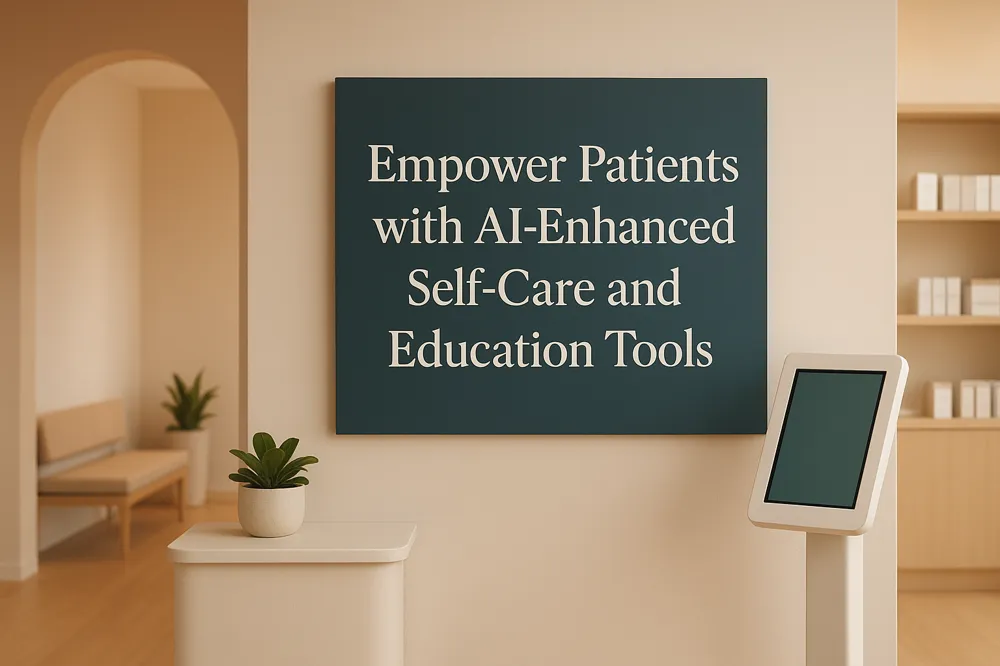
AI chatbots effectively engage patients by collecting symptom data and asking clarifying questions, enabling a more accurate self-assessment experience. They guide patients on appropriate next steps, such as scheduling visits with healthcare providers, consulting pharmacies, or utilizing supplementary health apps. This interactive approach fosters patient empowerment through timely and accessible support.
Chatbots providing doctor-approved information
These AI tools offer doctor-approved, validated information that patients can trust. By delivering accurate health education, chatbots help patients understand their conditions, medical instructions, and wellness strategies. This reliability increases patient confidence in the information they receive, encouraging proactive health management.
Facilitating self-diagnosis and health literacy
AI chatbots assist patients in preliminary self-diagnosis by evaluating symptoms and providing initial assessments. They improve health literacy by explaining medical terminology in plain language and answering common questions, making complex health information more accessible. This guidance supports patients in making informed decisions and recognizing when to seek professional care.
Supporting medication adherence and chronic disease management
Chatbots reinforce medication adherence through personalized reminders and explanations about medication use. For chronic disease management, they provide real-time support via symptom tracking, care plan reminders, and educational content tailored to patients’ needs. These ongoing interactions improve adherence rates and help maintain effective long-term disease control.
Integrating AI live chat solutions with healthcare workflows not only enhances patient education but also supports self-care initiatives, reducing clinician workload and improving health outcomes through continuous engagement.
Security, Compliance, and Ethical Considerations in AI Chatbots
HIPAA Compliance and Data Privacy
AI chatbots designed for healthcare must comply with HIPAA regulations to protect sensitive patient information. Specialized platforms like SmartBot360™ demonstrate this compliance, offering secure chat and live interaction tools tailored for U.S. healthcare providers. Such solutions incorporate end-to-end encryption, secure audit logs, and employee training to safeguard protected health information (PHI). They also employ two-factor authentication and dedicated AWS instances for enhanced security. Notably, these platforms can transition conversations from non-HIPAA compliant channels like SMS or Facebook Messenger to secure, compliant chat environments, ensuring continuity of care and privacy.
Human Oversight and Transparency in Chatbot Interactions
Ensuring transparency and maintaining human oversight are critical when deploying AI chatbots in healthcare. Patients should be fully informed when they are interacting with virtual assistants and have the option to escalate complex or sensitive queries to qualified clinicians. This hybrid approach balances automation efficiency with professional accountability, preventing misinformation and maintaining trust. Moreover, chatbot interactions must be designed with clear patient disclosures regarding data use and the chatbot's role in care management.
Addressing Bias and Promoting Equitable Care Through AI
AI chatbots in healthcare must be carefully developed to address potential biases that can adversely affect underrepresented patient groups. Employing diverse datasets during algorithm training and continuous evaluation helps prevent disparities in chatbot responses and healthcare recommendations. Ethical AI implementation strives to deliver equitable care by ensuring accessibility across languages and literacy levels, supporting patient populations that traditionally face healthcare barriers. Incorporating safeguards against biased outputs and regularly updating AI models enable more inclusive, personalized, and fair patient engagement.
AI Chatbots Driving Patient Access and Equity in Healthcare
How do AI Chatbots Provide 24/7 Access and Multilingual Support?
AI-powered chatbots offer round-the-clock access to healthcare services, allowing patients to engage with symptom checkers, schedule appointments, handle billing inquiries, and receive educational resources anytime. Systems like OSF HealthCare's virtual health assistant Clare demonstrate this benefit, with 45% of interactions occurring outside business hours. Additionally, many chatbots support multilingual communication, accommodating diverse patient populations by overcoming language barriers and enhancing health equity. This continuous, accessible support meets patient expectations for immediate assistance and convenience.
How Are Chatbots Bridging Gaps for Rural and Underserved Populations?
Chatbots extend healthcare reach to remote and underserved areas where access to in-person visits is limited. They provide essential health information, symptom analysis, and appointment coordination without requiring physical facility visits, effectively mitigating provider shortages. Programs leveraging AI chatbots, such as those customized by QliqSOFT, engage high-risk individuals by conducting personalized conversations in multiple languages and addressing social determinants of health (SDOH) like transportation and housing, thus improving care coordination and patient outcomes in vulnerable groups.
In What Ways Do Chatbots Improve Health Equity Through Tailored Digital Outreach?
Healthcare chatbots enable personalized outreach tailored to patients’ specific needs, preferences, and socio-economic contexts. They facilitate bi-directional communication that respects privacy and builds trust, encouraging preventive care and adherence to treatment plans. AI-driven engagement platforms adapt messaging based on patient responses and barriers, which increases participation in care, fosters equity, and enhances satisfaction among diverse populations. This tailored approach supports provider efforts to close care gaps and promote equitable health outcomes across the healthcare system.
Through scalable, accessible, and culturally sensitive digital support, AI chatbots are becoming essential in expanding healthcare access and advancing equity, ensuring more patients receive timely and appropriate care.
Leveraging AI for Marketing and Patient Outreach in Healthcare
How is AI used in healthcare marketing?
AI is transforming healthcare marketing by delivering highly personalized communications through advanced tools such as AI in healthcare marketing, virtual assistants, and predictive analytics. These AI technologies analyze detailed patient data, including demographics and search behavior, to identify high-risk populations or specific patient segments that benefit from targeted outreach. For example, AI powers campaigns promoting preventive services like vaccinations and screenings, ensuring timely and relevant messaging.
Automation plays a crucial role in operational efficiency by managing campaign scheduling, lead scoring, and performance metrics with minimal human intervention. Platforms like Keragon ensure this data-driven marketing maintains HIPAA compliance and protects patient privacy. AI also optimizes digital presence through voice search optimization and content personalization, enhancing patient engagement across multiple communication channels.
By integrating AI into marketing strategies, healthcare providers can improve patient acquisition and retention rates. The ability to tailor outreach efforts to individual patient needs increases response rates and builds stronger patient loyalty while ensuring resource-efficient practices. This strategic use of AI leads to more accessible, relevant, and effective patient communications, improving overall healthcare marketing outcomes.
Future Outlook: Evolving AI Chatbots in Healthcare Support
How are AI chatbots expected to evolve with generative AI and continuous learning?
AI chatbots in healthcare are rapidly evolving as generative AI integration enhances their capabilities. Unlike traditional models, generative AI enables chatbots to continuously learn from interactions, improving response relevance, accuracy, and personalization for each patient. This continuous learning allows chatbots to adapt to diverse patient needs, medical terminology variations, and new health knowledge, providing more human-like, empathetic conversations. Future chatbots will increasingly perform complex tasks such as draft medical responses that clinicians can review and personalize, accelerating clinical workflows and improving patient communication (AI in doctor-patient communication).
What advanced features will AI chatbots incorporate?
Advanced functionalities expected include real-time monitoring, multimodal communication, and seamless integration with healthcare devices. Chatbots will combine text, voice, and visual data inputs — supporting richer patient engagement through voice assistants, SMS, app interfaces, and video interactions (AI-Powered Patient Engagement). Integration with wearable sensors and remote patient monitoring chatbots will allow AI chatbots to track vital signs and symptoms in real-time, enabling proactive interventions and timely clinical alerts. Moreover, chatbots will enhance language translation, inclusivity, and health literacy support, addressing equity in healthcare access (Conversational AI in Healthcare).
What are the anticipated trends for patient and provider experiences with future AI chatbots?
Patients will benefit from 24/7 access to personalized care, proactive outreach, and continuous support beyond traditional clinical encounters, fostering improved adherence and satisfaction (Conversational AI in Healthcare). Providers will experience reduced administrative burden through automation of scheduling, billing, documentation, and more efficient triage with AI-driven guidance (Chatbots for scheduling patient appointments). Clinical decision support integrated with chatbot platforms will empower providers with actionable insights, enhancing diagnostic accuracy and treatment plans (Clinical decision support AI). Adoption of AI chatbots will be accompanied by rigorous human oversight and regulatory compliance to maintain safety, accuracy, and trust (Regulations for healthcare chatbots).
What main ways can medical practices leverage AI in healthcare?
Medical practices can leverage AI broadly through:
- Clinical decision support and diagnostic tools that improve accuracy and speed (Improving diagnostic accuracy with AI.
- Automated administrative tasks such as appointment scheduling, coding, documentation, and billing to reduce clinician burnout (reducing administrative burden in healthcare.
- Population health management utilizing predictive analytics and remote patient monitoring chatbots, especially for chronic disease.
- Optimizing resource usage and forecasting demand, enhancing operational efficiency (Improving healthcare system efficiency.
- Personalized patient engagement via AI-powered outreach and chatbots to increase adherence and outcomes (AI-Powered Patient Engagement.
These implementations collectively bolster care scalability, patient satisfaction, and cost-effectiveness in modern healthcare settings (Healthcare chatbot market growth).
| Aspect | Description | Impact |
|---|---|---|
| Generative AI Integration | Continuous chatbot learning & personalized responses | Enhanced engagement and accuracy |
| Advanced Features | Real-time monitoring, multimodal communication | Proactive care and richer patient interactions |
| Patient Experience | 24/7 support, tailored education, remote monitoring | Improved adherence and satisfaction |
| Provider Experience | Automated admin, clinical decision support | Reduced burnout and improved clinical workflows |
| Practice Leverage | Diagnostics, admin automation, population health | Efficiency, cost savings, better outcomes |
Conclusion: Embracing AI Live Chat to Transform Patient Support
AI live chat is revolutionizing patient engagement by delivering personalized, 24/7 support that meets the modern healthcare consumer's expectations for convenience and responsiveness. These tools enhance operational efficiency by automating routine administrative tasks like appointment scheduling, triage, reminders, and billing inquiries, enabling clinical teams to focus more on complex patient care.
Safe and compliant AI implementations are essential to maintain patient trust and regulatory adherence. Integrating human oversight, clear patient disclosures, and HIPAA-compliant privacy safeguards ensure that AI-powered chatbots provide accurate, secure, and ethical healthcare interactions. This approach mitigates risks associated with misinformation, data privacy, and algorithmic biases.
Looking ahead, healthcare systems can expect expanding adoption of AI conversational agents as part of scalable, sustainable care models. Continuous innovation—driven by advancements in natural language processing, generative AI, and seamless integration with electronic health records—will further refine patient experiences and operational outcomes. Embracing AI live chat platforms positions providers to deliver highly responsive, equitable, and cost-effective healthcare support well into the future.
Introduction to AI Live Chat in Healthcare
Overview of AI chatbots in healthcare
AI chatbots, also known as conversational AI, are increasingly transforming healthcare by automating routine tasks and enhancing patient interactions. These tools manage scheduling, symptom checking, medication reminders, triage, and therapeutic support. Their ability to handle large patient volumes without adding staff burden is essential amid the growing demand for efficient healthcare delivery.
Importance of patient engagement and support
Engaging patients effectively is critical in improving adherence to treatments and health outcomes. AI chatbots deliver personalized, 24/7 support through familiar communication channels like SMS and chat, significantly increasing patient engagement rates—sometimes reaching over 90%. They also provide real-time reminders and explanations, empowering patients to better manage chronic diseases and navigate care pathways.
Rising demand for digital communication in healthcare
Modern patients expect convenient, responsive digital communication with their healthcare providers. With 45% or more of chatbot interactions occurring outside normal business hours, AI chatbots meet the need for on-demand assistance. This digital engagement supports operational efficiency, reduces staff workload, and elevates the overall patient experience, which is increasingly vital in the US healthcare landscape.
Transforming Patient Engagement through AI Chatbots
How does AI improve patient engagement in healthcare?
AI significantly enhances patient engagement by delivering personalized, data-driven interactions that match each patient's unique health needs and preferences. By leveraging advanced technologies such as natural language processing and machine learning, AI chatbots in patient engagement provide patients with immediate, empathetic, and informative responses at any time, reducing barriers to care and increasing accessibility through AI chatbots in patient engagement.
These chatbots facilitate quicker access to healthcare services through Chatbots for scheduling patient appointments, enabling patients to receive timely guidance and medical attention without traditional delays. AI tools send Real-time reminders for chronic illness, follow-ups, and preventive care, which boost patient compliance and health outcomes.
Integration with clinical systems like Integration of AI chatbots with Electronic Health Records (EHR) streamlines workflows, freeing clinicians from routine administrative duties so they can dedicate more time to direct patient care. This seamless connectivity ensures that care is coordinated and data-informed, enhancing the overall patient experience.
Role of chatbots in personalized communication
AI chatbots excel in creating Patient education via AI chatbots that feel relevant and supportive to patients. These systems use historical and real-time patient data to tailor conversations, educational content, and care instructions, reinforcing treatment plans effectively.
Chatbots adapt their messaging style and timing based on patient preferences, literacy levels, and language, which fosters trust and engagement. They also serve as 24/7 healthcare support with chatbots that guide patients through symptom checks, appointment scheduling, and medication queries, providing a continuous care presence outside of clinical settings.
Moreover, chatbots can recognize subtle changes in patient responses via Sentiment analysis in healthcare chatbots, allowing proactive interventions and emotionally supportive interactions that enhance patient satisfaction and loyalty.
Data-driven, on-demand interaction and follow-ups
Conversational AI enables real-time, measurable patient engagement by delivering on-demand support via multiple familiar channels like SMS, chat, and voice. This immediacy improves adherence to treatment regimens and enables early detection of complications through continuous Remote patient monitoring chatbots.
Data collected from patient interactions are synthesized into actionable insights, helping healthcare providers identify care gaps and optimize communication strategies. AI-driven follow-ups automate routine outreach for appointment reminders, educational prompts, and symptom checks, reducing manual workload and eliminating missed opportunities for timely care.
This Conversational AI for patient adherence supports a proactive care model that not only meets individual patient needs efficiently but also fosters scalable, sustainable healthcare delivery by increasing both patient retention and operational efficiency.
Operational Benefits of AI Chatbots in Healthcare Facilities
What are the benefits of using AI chatbots in healthcare?
AI chatbots in healthcare deliver substantial operational benefits in healthcare by reducing administrative burdens and clinician workloads. These tools automate routine, time-consuming tasks such as Chatbots for scheduling patient appointments, billing inquiries, and patient follow-ups. This automation not only cuts down wait times and no-shows but also frees clinical and administrative staff to focus on more complex patient care.
How do AI chatbots reduce administrative burden and clinician workload?
By managing repetitive tasks like answering frequently asked questions, conducting Symptom assessment chatbots, and providing Medication reminder AI, Benefits of AI chatbots in healthcare minimize the workload on healthcare professionals. Virtual health assistants offer continuous patient engagement through timely check-ins and care plan reinforcement, which helps prevent nonadherence and reduces hospital readmissions. Automating these functions significantly eases staff pressure, reduces burnout, and improves workflow efficiency.
In what ways do AI chatbots improve operational efficiency and reduce healthcare costs?
Healthcare providers gain enhanced operational efficiency with chatbots by streamlining patient intake, automating scheduling and billing processes, and enabling proactive outreach through personalized reminders. These improvements lead to up to 40% increases in operational efficiency and lower administrative expenses. Systems like OSF HealthCare’s Clare have demonstrated multimillion-dollar savings while increasing net patient revenue by diverting calls from contact centers to virtual assistants.
| Operational Benefit | Description | Impact on Healthcare Facilities |
|---|---|---|
| Reduced Administrative Burden | Automates scheduling, billing, and FAQs | Frees staff for clinical tasks; decreases burnout |
| Improved Patient Engagement | Sends reminders and care plan reinforcements | Increases adherence; lowers readmissions |
| Enhanced Workflow Efficiency | Streamlines patient intake and information flow | Reduces wait times; improves care coordination |
| Cost Reduction | Cuts down staff workload and operational costs | Multimillion-dollar savings; increased revenue |
Through AI-Powered Patient Engagement, AI chatbots in healthcare enable healthcare systems to operate more sustainably while delivering higher-quality care with measurable outcomes.
Clinical Applications and Support through AI Live Chat
How is an AI chatbot used in healthcare?
AI chatbots in healthcare serve multiple clinical and administrative roles to enhance patient care and system efficiency. They provide 24/7 support for appointment scheduling, reminders, symptom tracking, and medication adherence, relieving staff workload. These chatbots use natural language processing and machine learning algorithms to offer personalized, HIPAA-compliant patient interactions.
AI in diagnostic support and decision-making
AI chatbots assist clinicians by improving diagnostic accuracy through symptom analysis and decision-support functions. Integrated with clinical workflows, they guide patients in self-assessing symptoms, triaging care urgency, and providing validated, doctor-approved health information. This supports early intervention and reduces diagnostic errors, enhancing overall patient outcomes.
Symptom checking and triage assistance
Conversational AI platforms serve as virtual triage tools that evaluate patient symptoms using structured questioning, enabling timely prioritization and referral to appropriate care providers. This automation decreases unnecessary emergency visits and ensures those with urgent needs are routed promptly, effectively managing high patient volumes without burdening clinicians.
Integration with clinical workflows and electronic health records
Advanced AI chatbots seamlessly integrate with electronic health records (EHR) and practice management systems to access patient histories and update health data in real time. This interoperability allows chatbots to assist in administrative tasks, patient follow-ups, and personalized education while maintaining regulatory compliance and facilitating clinician oversight. Such integration streamlines clinical documentation and decision support, optimizing healthcare delivery.
| Use Case | Chatbot Function | Clinical Benefit |
|---|---|---|
| Diagnostic support | Symptom analysis and triage | Early accurate diagnosis |
| Appointment management | Scheduling and reminders | Reduced missed visits |
| Patient education | Providing validated health info | Improved treatment adherence |
| Clinical workflow integration | EHR access and documentation support | Streamlined care coordination |
By combining AI-driven clinical insights with robust integration into healthcare IT systems, AI chatbots empower providers to deliver scalable, efficient, and patient-centered care models.
AI Live Chat and Patient Education: Empowering Self-Care
How can AI chatbots engage with patients effectively?
AI chatbots effectively engage patients by collecting symptom data and asking clarifying questions, enabling a more accurate self-assessment experience. They guide patients on appropriate next steps, such as scheduling visits with healthcare providers, consulting pharmacies, or utilizing supplementary health apps. This interactive approach fosters patient empowerment through timely and accessible support.
Chatbots providing doctor-approved information
These AI tools offer doctor-approved, validated information that patients can trust. By delivering accurate health education, chatbots help patients understand their conditions, medical instructions, and wellness strategies. This reliability increases patient confidence in the information they receive, encouraging proactive health management.
Facilitating self-diagnosis and health literacy
AI chatbots assist patients in preliminary self-diagnosis by evaluating symptoms and providing initial assessments. They improve health literacy by explaining medical terminology in plain language and answering common questions, making complex health information more accessible. This guidance supports patients in making informed decisions and recognizing when to seek professional care.
Supporting medication adherence and chronic disease management
Chatbots reinforce medication adherence through personalized reminders and explanations about medication use. For chronic disease management, they provide real-time support via symptom tracking, care plan reminders, and educational content tailored to patients’ needs. These ongoing interactions improve adherence rates and help maintain effective long-term disease control.
Integrating AI live chat solutions with healthcare workflows not only enhances patient education but also supports self-care initiatives, reducing clinician workload and improving health outcomes through continuous engagement.
Security, Compliance, and Ethical Considerations in AI Chatbots
HIPAA Compliance and Data Privacy
AI chatbots designed for healthcare must comply with HIPAA regulations to protect sensitive patient information. Specialized platforms like SmartBot360™ demonstrate this compliance, offering secure chat and live interaction tools tailored for U.S. healthcare providers. Such solutions incorporate end-to-end encryption, secure audit logs, and employee training to safeguard protected health information (PHI). They also employ two-factor authentication and dedicated AWS instances for enhanced security. Notably, these platforms can transition conversations from non-HIPAA compliant channels like SMS or Facebook Messenger to secure, compliant chat environments, ensuring continuity of care and privacy.
Human Oversight and Transparency in Chatbot Interactions
Ensuring transparency and maintaining human oversight are critical when deploying AI chatbots in healthcare. Patients should be fully informed when they are interacting with virtual assistants and have the option to escalate complex or sensitive queries to qualified clinicians. This hybrid approach balances automation efficiency with professional accountability, preventing misinformation and maintaining trust. Moreover, chatbot interactions must be designed with clear patient disclosures regarding data use and the chatbot's role in care management.
Addressing Bias and Promoting Equitable Care Through AI
AI chatbots in healthcare must be carefully developed to address potential biases that can adversely affect underrepresented patient groups. Employing diverse datasets during algorithm training and continuous evaluation helps prevent disparities in chatbot responses and healthcare recommendations. Ethical AI implementation strives to deliver equitable care by ensuring accessibility across languages and literacy levels, supporting patient populations that traditionally face healthcare barriers. Incorporating safeguards against biased outputs and regularly updating AI models enable more inclusive, personalized, and fair patient engagement.
AI Chatbots Driving Patient Access and Equity in Healthcare
How do AI Chatbots Provide 24/7 Access and Multilingual Support?
AI-powered chatbots offer round-the-clock access to healthcare services, allowing patients to engage with symptom checkers, schedule appointments, handle billing inquiries, and receive educational resources anytime. Systems like OSF HealthCare's virtual health assistant Clare demonstrate this benefit, with 45% of interactions occurring outside business hours. Additionally, many chatbots support multilingual communication, accommodating diverse patient populations by overcoming language barriers and enhancing health equity. This continuous, accessible support meets patient expectations for immediate assistance and convenience.
How Are Chatbots Bridging Gaps for Rural and Underserved Populations?
Chatbots extend healthcare reach to remote and underserved areas where access to in-person visits is limited. They provide essential health information, symptom analysis, and appointment coordination without requiring physical facility visits, effectively mitigating provider shortages. Programs leveraging AI chatbots, such as those customized by QliqSOFT, engage high-risk individuals by conducting personalized conversations in multiple languages and addressing social determinants of health (SDOH) like transportation and housing, thus improving care coordination and patient outcomes in vulnerable groups.
In What Ways Do Chatbots Improve Health Equity Through Tailored Digital Outreach?
Healthcare chatbots enable personalized outreach tailored to patients’ specific needs, preferences, and socio-economic contexts. They facilitate bi-directional communication that respects privacy and builds trust, encouraging preventive care and adherence to treatment plans. AI-driven engagement platforms adapt messaging based on patient responses and barriers, which increases participation in care, fosters equity, and enhances satisfaction among diverse populations. This tailored approach supports provider efforts to close care gaps and promote equitable health outcomes across the healthcare system.
Through scalable, accessible, and culturally sensitive digital support, AI chatbots are becoming essential in expanding healthcare access and advancing equity, ensuring more patients receive timely and appropriate care.
Leveraging AI for Marketing and Patient Outreach in Healthcare
How is AI used in healthcare marketing?
AI is transforming healthcare marketing by delivering highly personalized communications through advanced tools such as AI in healthcare marketing, virtual assistants, and predictive analytics. These AI technologies analyze detailed patient data, including demographics and search behavior, to identify high-risk populations or specific patient segments that benefit from targeted outreach. For example, AI powers campaigns promoting preventive services like vaccinations and screenings, ensuring timely and relevant messaging.
Automation plays a crucial role in operational efficiency by managing campaign scheduling, lead scoring, and performance metrics with minimal human intervention. Platforms like Keragon ensure this data-driven marketing maintains HIPAA compliance and protects patient privacy. AI also optimizes digital presence through voice search optimization and content personalization, enhancing patient engagement across multiple communication channels.
By integrating AI into marketing strategies, healthcare providers can improve patient acquisition and retention rates. The ability to tailor outreach efforts to individual patient needs increases response rates and builds stronger patient loyalty while ensuring resource-efficient practices. This strategic use of AI leads to more accessible, relevant, and effective patient communications, improving overall healthcare marketing outcomes.
Future Outlook: Evolving AI Chatbots in Healthcare Support
How are AI chatbots expected to evolve with generative AI and continuous learning?
AI chatbots in healthcare are rapidly evolving as generative AI integration enhances their capabilities. Unlike traditional models, generative AI enables chatbots to continuously learn from interactions, improving response relevance, accuracy, and personalization for each patient. This continuous learning allows chatbots to adapt to diverse patient needs, medical terminology variations, and new health knowledge, providing more human-like, empathetic conversations. Future chatbots will increasingly perform complex tasks such as draft medical responses that clinicians can review and personalize, accelerating clinical workflows and improving patient communication (AI in doctor-patient communication).
What advanced features will AI chatbots incorporate?
Advanced functionalities expected include real-time monitoring, multimodal communication, and seamless integration with healthcare devices. Chatbots will combine text, voice, and visual data inputs — supporting richer patient engagement through voice assistants, SMS, app interfaces, and video interactions (AI-Powered Patient Engagement). Integration with wearable sensors and remote patient monitoring chatbots will allow AI chatbots to track vital signs and symptoms in real-time, enabling proactive interventions and timely clinical alerts. Moreover, chatbots will enhance language translation, inclusivity, and health literacy support, addressing equity in healthcare access (Conversational AI in Healthcare).
What are the anticipated trends for patient and provider experiences with future AI chatbots?
Patients will benefit from 24/7 access to personalized care, proactive outreach, and continuous support beyond traditional clinical encounters, fostering improved adherence and satisfaction (Conversational AI in Healthcare). Providers will experience reduced administrative burden through automation of scheduling, billing, documentation, and more efficient triage with AI-driven guidance (Chatbots for scheduling patient appointments). Clinical decision support integrated with chatbot platforms will empower providers with actionable insights, enhancing diagnostic accuracy and treatment plans (Clinical decision support AI). Adoption of AI chatbots will be accompanied by rigorous human oversight and regulatory compliance to maintain safety, accuracy, and trust (Regulations for healthcare chatbots).
What main ways can medical practices leverage AI in healthcare?
Medical practices can leverage AI broadly through:
- Clinical decision support and diagnostic tools that improve accuracy and speed (Improving diagnostic accuracy with AI.
- Automated administrative tasks such as appointment scheduling, coding, documentation, and billing to reduce clinician burnout (reducing administrative burden in healthcare.
- Population health management utilizing predictive analytics and remote patient monitoring chatbots, especially for chronic disease.
- Optimizing resource usage and forecasting demand, enhancing operational efficiency (Improving healthcare system efficiency.
- Personalized patient engagement via AI-powered outreach and chatbots to increase adherence and outcomes (AI-Powered Patient Engagement.
These implementations collectively bolster care scalability, patient satisfaction, and cost-effectiveness in modern healthcare settings (Healthcare chatbot market growth).
| Aspect | Description | Impact |
|---|---|---|
| Generative AI Integration | Continuous chatbot learning & personalized responses | Enhanced engagement and accuracy |
| Advanced Features | Real-time monitoring, multimodal communication | Proactive care and richer patient interactions |
| Patient Experience | 24/7 support, tailored education, remote monitoring | Improved adherence and satisfaction |
| Provider Experience | Automated admin, clinical decision support | Reduced burnout and improved clinical workflows |
| Practice Leverage | Diagnostics, admin automation, population health | Efficiency, cost savings, better outcomes |