.png)

Introduction to Social Media Optimization in Healthcare
Importance of Social Media in Healthcare Marketing
Social media has become an indispensable tool in healthcare marketing, with nearly 74% of Americans turning to social platforms to compare healthcare options before making decisions. It helps healthcare organizations build reputation, foster trust, and actively manage their brand image by engaging with communities locally and around specific health interests. The COVID-19 pandemic underscored social media's role in distributing accurate health information, combating misinformation, and facilitating patient communication.
Overview of Digital Marketing in Healthcare
Digital marketing encompasses a broad range of channels, including websites, email, SMS, SEO, and social media platforms. Approximately 77% of patients in the US research health options online before booking appointments. Search engines drive significant traffic to healthcare websites, while personalized digital strategies—enabled by CRM tools—boost patient acquisition and retention. Video content, projected to represent 82% of internet traffic soon, enhances engagement and conversion.
Role of Social Media in Patient Engagement and Education
Social media platforms like Facebook, Instagram, LinkedIn, Twitter, and TikTok serve as vital channels for educating patients, sharing wellness initiatives, and answering FAQs. Engaging content formats—such as patient testimonials, infographics, and live Q&A sessions—humanize providers and foster community support. Additionally, social listening and analytics tools allow healthcare organizations to monitor trends, measure engagement, and refine strategies to enhance patient experience and promote health literacy.
Building an Effective Digital Marketing Strategy for Healthcare

What is digital marketing strategy for healthcare?
A digital marketing strategy for healthcare involves creating a targeted, compliant, and data-driven approach to reach potential patients effectively. It includes optimized efforts across various online channels such as search engine optimization (SEO), pay-per-click (PPC) advertising, social media engagement, and content marketing to enhance visibility and patient engagement. Healthcare providers also leverage email marketing and patient review management to build trust and foster long-term relationships. Importantly, all digital marketing activities must adhere to strict healthcare regulations like HIPAA to protect patient privacy. Ultimately, a well-crafted digital marketing strategy helps healthcare practices attract high-value patients while maintaining ethical and legal standards.
Components of a Digital Marketing Strategy
- SEO and Local SEO: Optimizing websites to appear in top search results and in local directories. Given that 7% of daily Google searches relate to health, SEO is essential for visibility.
- PPC Advertising: Targeted ads on platforms such as Google Ads and social media enable precise audience reach and measurable ROI.
- Social Media Marketing: Platforms like Facebook, Instagram, LinkedIn, and TikTok connect providers with patients for education, brand building, and reputation management through social media marketing strategies.
- Email Marketing: Personalized and HIPAA-compliant campaigns help re-engage patients and deliver educational content, maintaining strong patient relationships.
- Patient Reviews Management: Handling online patient feedback boosts credibility and influences prospective patient decisions.
Ensuring Compliance and Privacy
Compliance with HIPAA and healthcare regulations is foundational. This includes obtaining patient consent before sharing information, protecting sensitive data during campaigns, and training staff on privacy standards as outlined in HIPAA compliance in social media marketing and legal considerations for healthcare social media content.
Leveraging Data-Driven and Personalized Approaches
Utilizing analytics tools like Google Analytics, Hootsuite, and healthcare CRM systems allows providers to monitor campaign effectiveness, segment audiences, and tailor messages to individual patient needs, enhancing engagement and conversion rates.
Strategic integration of these components creates a robust digital marketing framework that fosters patient growth while safeguarding privacy and promoting trust.
Choosing the Right Social Media Platforms for Healthcare Marketing
Platform demographics and usage statistics
Healthcare marketers in the United States should consider platform demographics to engage audiences effectively. Facebook remains the most widespread platform with nearly 4 billion monthly active users, appealing to broad, multigenerational audiences. Instagram attracts younger demographics, including Gen Z and Millennials, with over 1 billion active users and supports immersive visual storytelling. YouTube is the foremost platform for health-related video consumption, with 110 billion health videos viewed globally in 2021. LinkedIn serves as a hub for healthcare professionals, fostering networking and thought leadership. Emerging platforms like TikTok are rapidly gaining traction among younger users, with millions of healthcare professionals active in dispelling myths and sharing quick, engaging content.
Best platforms for healthcare: Facebook, Instagram, YouTube, LinkedIn, TikTok
For healthcare marketing, Facebook is ideal for community building, patient engagement, and sharing informative content to a broad audience. Instagram complements this with its focus on stories, live sessions, and engaging visuals that resonate with younger patients. YouTube supports detailed educational content, patient testimonials, and procedural insights, which build trust through transparency and clarity. LinkedIn helps position healthcare organizations as industry leaders, enabling recruitment, professional development, and B2B engagement. TikTok uniquely supports authentic, short-form video that captures younger audiences’ attention and combats misinformation through creative formats.
Platform-specific strategic uses
- Facebook: Real-time Q&A, patient communities, event promotion, emergency information dissemination.
- Instagram: Behind-the-scenes, live interaction, health tips via Stories, influencer partnerships.
- YouTube: In-depth patient education, physician Q&As, medical procedure walkthroughs.
- LinkedIn: Professional networking, recruitment, sharing research updates.
- TikTok: Myth-busting, trend-aligned health messaging, viral short videos.
Integrating HIPAA compliance and AI tools in platform selection
Healthcare marketers must ensure strict adherence to HIPAA compliance in social media marketing when sharing any patient-related content. Platforms should be chosen with capabilities for secure consent management and de-identification of protected health information. AI-powered tools in healthcare marketing enhance content optimization and audience targeting while analyzing sentiment and engagement trends. Using HIPAA-compliant social media management platforms like Hootsuite ensures secure workflows, helping organizations protect sensitive data and maintain legal compliance throughout their digital marketing efforts.
Implementing Proven Social Media Marketing Strategies in Healthcare
What are effective social media marketing strategies for healthcare?
Healthcare organizations can significantly boost patient engagement and trust by maintaining an active healthcare social media marketing strategies presence. Platforms like Facebook see participation from over 99% of U.S. hospitals, making them critical channels for outreach as highlighted in the Hospital Leadership Guide to Digital & Social Media Engagement. Sharing well-researched and accurate public health information strengthens credibility and positions providers as trusted sources in line with social media use in healthcare decisions.
Patient-powered networks such as PatientsLikeMe platform offer unique opportunities for peer support and community building, enhancing patient involvement beyond clinical settings. Leveraging trending hashtags and participating in relevant online conversations increases visibility and helps reach wider audiences, consistent with strategies outlined in Social media impact on patient satisfaction scores.
Marketing teams play an essential role in content creation by drafting posts and managing social channels. This support is vital as physicians often have limited time for direct social media engagement, as noted in social media patient engagement. High-quality, professionally curated content that complies with HIPAA compliance in social media marketing ensures patient privacy while delivering educational value.
Educational tactics include live-tweeting health events, hosting Q&A sessions, and sharing patient testimonials with explicit consent. These activities foster interactive, transparent communication, thereby elevating patient health literacy and satisfaction, reflective of themes in Enhancing Patient Engagement Through Social Media and Video Content Strategy for Healthcare Social Media. Consistent adherence to legal and ethical guidelines safeguards the organization's reputation and sustains long-term trust as advised in Best practices for doctors on social media.
By integrating these strategies, healthcare providers can effectively engage their audiences, foster community trust, and enhance their digital presence within regulatory frameworks, aligning with best approaches described in Healthcare Social Media Marketing and Social Media Use Among Physicians in 2024.
Navigating the 7 C's of Social Media Strategy for Healthcare Organizations
What are the 7 C's of social media strategy?
The 7 C's of social media strategy form the foundation for healthcare organizations seeking to build a strong, engaging, and compliant digital presence.
Content Creation and Relevance
Creating valuable, accurate, and relatable content is critical. Healthcare providers should share educational posts, patient testimonials (with consent), infographics, and videos that resonate with patient needs and promote wellness. Content must be HIPAA compliant to maintain confidentiality.
Community Building and Engagement
Developing online communities on platforms like Facebook and Instagram helps foster patient support and loyalty. Active engagement through comments, Q&A sessions, and user-generated content strengthens trust and humanizes healthcare services. This approach aligns with best practices for building brand reputation in healthcare.
Contextual Timing and Appropriateness
Timing posts around health awareness months or crises ensures relevance. Content should be tailored for the audience's preferences and cultural sensitivity, enhancing impact and minimizing misunderstandings. Such contextual timing enhances social media impact on patient satisfaction scores and crisis management.
Consistency and Creativity in Messaging
Regular posting schedules maintain visibility and build trust. Creative use of visuals, storytelling, and video content—following trends while maintaining professionalism—captures attention and improves patient retention. Employing a Video Content Strategy for Healthcare is especially effective here.
Collaboration and Conversion Goals
Partnering with healthcare influencers and cross-team collaboration amplifies reach. Social media efforts should ultimately drive meaningful conversions, such as appointment bookings or patient inquiries, tracked via social media analytics for healthcare. Using tools for healthcare social listening and compliance ensures privacy and security.
Implementing these elements strategically enables healthcare organizations to maximize social media’s potential for patient growth and community impact.
Best Practices for Social Media Use in Healthcare
What are best practices for social media use in healthcare?
Adhering to HIPAA compliance in social media marketing and obtaining explicit patient consent before sharing any identifiable health information are foundational practices in healthcare social media use. This protects patient confidentiality and prevents legal issues.
Professionalism is pivotal: healthcare professionals should share only accurate, evidence-based information, referencing reliable sources and peer-reviewed studies. Avoiding unverified claims and misinformation maintains credibility and supports informed patient decision-making. For more details, see Best practices for clinicians on social media.
Healthcare organizations must develop clear social media policies that define acceptable behavior, content standards, and confidentiality protocols. Regular staff training is essential to reinforce these policies and empower teams to manage social media responsibly while mitigating risks such as misinformation spread, privacy breaches, or reputational harm. See the Hospital Leadership Guide to Digital & Social Media Engagement for guidance.
Engagement should be respectful and timely, promoting educational content and transparent communication to build trust with patients and communities. However, balancing social media activities with risk management is critical—clinicians should establish boundaries to avoid direct medical advice online, which can lead to ethical and clinical challenges. For strategies, refer to Social Media Use Among Physicians in 2024.
Lastly, promoting self-care among healthcare providers engaging on social media helps prevent burnout from continuous online demands and public scrutiny, fostering sustainable and positive digital presence.
Implementing these best practices supports effective healthcare communication, enhances public trust, and safeguards both patients and providers in the digital environment.
Recognizing Risks and Common HIPAA Violations in Healthcare Social Media
What are the risks of using social media in healthcare?
Using social media in healthcare entails significant risks primarily due to the potential breaches of patient privacy and violations of HIPAA compliance in social media marketing. Unauthorized disclosure of protected health information (PHI) on social platforms can lead to substantial civil and criminal penalties, including fines that can range from thousands to tens of thousands of dollars. Beyond legal ramifications, the spread of misinformation can seriously undermine patient safety and damage public trust.
Social media also opens avenues for unprofessional behavior or conflicts of interest that can tarnish a healthcare provider's reputation and violate ethical guidelines. To combat these issues, healthcare organizations must implement rigorous social media policies, conduct staff training focused on compliance with legal standards, and promote transparent, evidence-based communication that fosters trust. See more on Best practices for clinicians on social media.
What are common examples of HIPAA violations on social media?
HIPAA violations on social media often arise from sharing identifiable patient details such as images, videos, or case specifics without securing explicit patient consent. Posts mentioning patients in public contexts or revealing health status information that could reveal identity are also violations. Even well-meaning posts can inadvertently release PHI if not carefully vetted. Refer to Privacy Laws and HIPAA Compliance in Healthcare Social Media for detailed discussion.
Such breaches not only expose healthcare entities to fines and regulatory scrutiny but also can irreparably harm their reputation. Preventive measures include establishing firm social media guidelines, rigorous staff education on HIPAA compliance, and proactive monitoring of social media activities to detect and address any potential violations early. For social media management and compliance tools, consider Hootsuite for healthcare.
How can healthcare organizations manage misinformation and reputational damage?
Misinformation on social media is a notable risk that can compromise patient care and erode public confidence. Healthcare providers should actively dispel inaccuracies through timely, verified health information and by engaging in transparent dialogue. Establishing a credible online presence helps counteract false claims and promotes evidence-based healthcare messages. The Hospital Leadership Guide to Digital & Social Media Engagement offers best practices for managing hospital reputations and patient feedback on social media.
Why are policies and training essential in preventing breaches?
Clear, enforceable social media policies clarify acceptable conduct, confidentiality obligations, and legal requirements for healthcare professionals. Regular training ensures staff understand HIPAA regulations and ethical boundaries in social media contexts, minimizing inadvertent breaches. These efforts protect patient privacy, maintain regulatory compliance, and uphold the healthcare organization's integrity. More guidance on Social media best practices for medical practices is available.
| Topic | Discussion Points | Importance |
|---|---|---|
| Privacy Risks & Legal Penalties | Unauthorized PHI disclosure leads to fines and legal action | Protect patient confidentiality and avoid costly penalties |
| Examples of HIPAA Violations | Posting patient images, sharing identifiable case details without consent | Prevention of reputational damage and regulatory violations |
| Managing Misinformation | Providing accurate, timely information to counter false claims | Maintains public trust and patient safety |
| Policies & Training | Clear guidelines and staff education on compliance | Essential for preventing accidental breaches and upholding ethics |
Recommended Social Media Management Tools for Healthcare Marketing
What are the best free social media management tools suitable for healthcare marketing?
Healthcare organizations aiming to optimize their social media efforts can leverage a variety of free and paid management tools that support compliance, collaboration, analytics, and scheduling across multiple platforms such as Facebook, Instagram, Twitter, LinkedIn, and TikTok.
Free Tools: Social Champ, Buffer, Iconosquare, and Metricool stand out as user-friendly options with features tailored to healthcare needs. These tools facilitate managing multiple accounts from a single dashboard and provide advanced analytics to track engagement, audience growth, and content performance.
Social Listening and Engagement: Tools like Keyhole and Vista Social offer real-time social listening capabilities, enabling healthcare providers to monitor patient feedback and trending topics. This responsiveness is essential for patient engagement and managing reputation.
Content Display and Collaboration: Embedding social media feeds with Taggbox showcases positive patient reviews and community involvement, enhancing trust. For internal workflow management, platforms like Planable and Sendible streamline content creation, approval, and compliance checks, ensuring patient privacy and HIPAA compliance throughout the process.
Paid Platforms: Hootsuite for healthcare remains a top choice for healthcare given its HIPAA-compliant social media tools, allowing secure data handling and comprehensive reporting. Buffer and Social Champ also offer scalable packages that support team collaboration and ROI measurement.
Integrating these tools empowers healthcare marketers to make data-driven decisions, maintain regulatory compliance, and enhance marketing efficiency, ultimately fostering patient trust and growth.
Leveraging Video and Content for Patient Engagement and Trust

Why Is Video Content Important in Healthcare Social Media?
Video content dominates digital consumption, projected to account for 82% of all internet traffic by 2025. Patients increasingly rely on videos to research healthcare options before booking appointments, with Google reporting 110 billion health-related YouTube views in 2021 alone. Social media platforms such as Meta, YouTube, and TikTok prioritize videos to boost engagement metrics like watch time and shares, making video a critical tool for healthcare organizations to connect authentically with audiences. For more details, see Video Content Strategy for Healthcare Social Media.
What Types of Video Content Are Most Effective?
Healthcare providers use a diverse mix of video formats to engage patients:
- Patient Testimonials: Personal stories build trust by humanizing treatments and outcomes.
- Educational Videos: Covering disease information, prevention tips, and treatment explanations to enhance health literacy.
- Live Streams: Real-time Q&A sessions and procedure demonstrations foster transparency and immediate engagement.
- Short-form Clips: Bite-sized videos suited for social media platforms to capture attention quickly.
More about effective video types and marketing can be found at Healthcare Social Media Marketing.
How Should Videos Align With Marketing Funnel Stages?
A strategic video approach tailors content to patient journey stages:
- Awareness: Short, engaging videos introducing conditions or providers to attract broad audiences.
- Engagement: Educational series and patient stories deepen understanding and emotional connection.
- Conversion: Clear calls to action and appointment booking prompts guide viewers toward care decisions.
Learn strategies for video content alignment at Healthcare Social Media Video Tips.
How Do Storytelling and Visual Appeal Build Credibility?
Storytelling through patient narratives and clinical expertise creates emotional resonance and authenticity. High-quality visuals simplify complex medical information, making it accessible and memorable. Together, these elements elevate the healthcare brand’s authority and foster lasting patient trust.
Healthcare leaders like Mayo Clinic and Cleveland Clinic exemplify effective use of video, integrating consistent, region-specific content across multiple channels to educate and retain patients, ultimately driving measurable engagement and growth. More success stories and strategies are highlighted in Healthcare Social Media Marketing Strategies.
Measuring Success and Navigating the Future of Healthcare Social Media
Which metrics matter most for healthcare social media success?
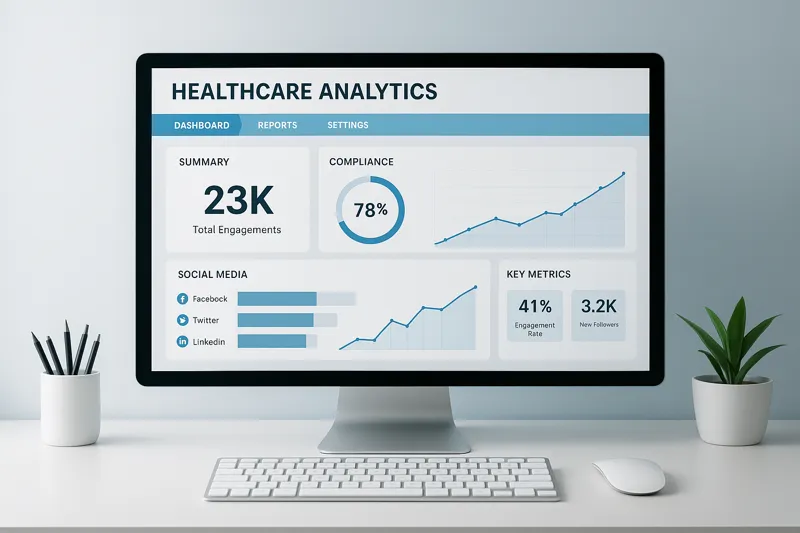
Healthcare organizations must measure engagement rates, website traffic, patient inquiries, and return on investment (ROI) to evaluate their social media effectiveness. These metrics directly correlate with patient acquisition, retention, and brand credibility. Engagement rates capture audience interaction, website traffic reflects user interest, patient inquiries indicate conversion potential, and ROI quantifies the financial impact of campaigns. For more details on Healthcare social media performance analytics and Measuring Social Media Engagement and Impact, see these resources.
How do healthcare providers utilize analytics tools?
Tools like Google Analytics and Hootsuite are essential for monitoring and optimizing social media strategies. Google Analytics offers in-depth insights into audience demographics, content performance, and conversion funnels, while Hootsuite provides HIPAA-compliant social media tools, sentiment analysis, and campaign reporting. Integrating these platforms enables organizations to track real-time data, ensuring regulatory compliance and targeted outreach. Explore more about Healthcare Social Media Marketing and Social media management for health brands for comprehensive insights.
Why is adapting strategies based on data vital?
Healthcare marketers must analyze performance data continuously to refine content, messaging, and channel selection. Adapting strategies based on analytics helps address shifting patient behaviors, emerging health concerns, and platform algorithm changes. This iterative approach maximizes engagement, mitigates risks, and boosts overall campaign ROI, ensuring resources are efficiently allocated. Read about the role of digital marketing in healthcare and Impact of digital marketing in healthcare to understand these benefits.
What emerging trends are shaping the future?
The integration of AI-driven personalization is revolutionizing healthcare marketing by delivering tailored content that resonates with individual patients. Multi-channel integration, combining social media, email, SMS, and programmatic advertising, enhances message reach and frequency. Additionally, partnering with healthcare influencers adds authenticity and expands audience trust, provided strict HIPAA compliance in social media marketing and ethical standards are maintained. These trends collectively empower healthcare providers to engage patients more effectively in an increasingly digital landscape. For further reading, visit Healthcare Digital Marketing Tools 2026 and digital marketing in healthcare.
Conclusion: Optimizing Social Media Management for Healthcare Success
Strategic, Compliant, and Data-Driven Social Media Management
Healthcare organizations must adopt a multifaceted social media strategy that balances innovation with strict adherence to regulatory frameworks such as HIPAA. Leveraging advanced analytics tools enables precise measurement of engagement and campaign ROI, fueling data-driven decisions to refine content and outreach. Using platforms like Hootsuite and Google Analytics helps ensure compliance while enhancing visibility and patient interaction.
Fostering Trust and Engagement
Building trust through authentic communication and transparent content — including patient testimonials, educational videos, and physician-led discussions — is essential. Social media fosters ongoing patient engagement, support communities, and rapid dissemination of critical health information, especially during crises. Maintaining professionalism and safeguarding patient privacy remain foundational to preserving credibility.
Encouraging Innovation and Investment
Healthcare providers are encouraged to invest in diverse social media channels tailored to target demographics such as Facebook for broad audiences and TikTok for younger populations. Incorporating AI-driven personalization and automation boosts campaign effectiveness. Strategic allocation of resources towards social media as a core component of healthcare marketing will drive patient growth, elevate provider reputation, and deliver measurable outcomes in an increasingly digital health landscape.
Introduction to Social Media Optimization in Healthcare
Importance of Social Media in Healthcare Marketing
Social media has become an indispensable tool in healthcare marketing, with nearly 74% of Americans turning to social platforms to compare healthcare options before making decisions. It helps healthcare organizations build reputation, foster trust, and actively manage their brand image by engaging with communities locally and around specific health interests. The COVID-19 pandemic underscored social media's role in distributing accurate health information, combating misinformation, and facilitating patient communication.
Overview of Digital Marketing in Healthcare
Digital marketing encompasses a broad range of channels, including websites, email, SMS, SEO, and social media platforms. Approximately 77% of patients in the US research health options online before booking appointments. Search engines drive significant traffic to healthcare websites, while personalized digital strategies—enabled by CRM tools—boost patient acquisition and retention. Video content, projected to represent 82% of internet traffic soon, enhances engagement and conversion.
Role of Social Media in Patient Engagement and Education
Social media platforms like Facebook, Instagram, LinkedIn, Twitter, and TikTok serve as vital channels for educating patients, sharing wellness initiatives, and answering FAQs. Engaging content formats—such as patient testimonials, infographics, and live Q&A sessions—humanize providers and foster community support. Additionally, social listening and analytics tools allow healthcare organizations to monitor trends, measure engagement, and refine strategies to enhance patient experience and promote health literacy.
Building an Effective Digital Marketing Strategy for Healthcare
What is digital marketing strategy for healthcare?
A digital marketing strategy for healthcare involves creating a targeted, compliant, and data-driven approach to reach potential patients effectively. It includes optimized efforts across various online channels such as search engine optimization (SEO), pay-per-click (PPC) advertising, social media engagement, and content marketing to enhance visibility and patient engagement. Healthcare providers also leverage email marketing and patient review management to build trust and foster long-term relationships. Importantly, all digital marketing activities must adhere to strict healthcare regulations like HIPAA to protect patient privacy. Ultimately, a well-crafted digital marketing strategy helps healthcare practices attract high-value patients while maintaining ethical and legal standards.
Components of a Digital Marketing Strategy
- SEO and Local SEO: Optimizing websites to appear in top search results and in local directories. Given that 7% of daily Google searches relate to health, SEO is essential for visibility.
- PPC Advertising: Targeted ads on platforms such as Google Ads and social media enable precise audience reach and measurable ROI.
- Social Media Marketing: Platforms like Facebook, Instagram, LinkedIn, and TikTok connect providers with patients for education, brand building, and reputation management through social media marketing strategies.
- Email Marketing: Personalized and HIPAA-compliant campaigns help re-engage patients and deliver educational content, maintaining strong patient relationships.
- Patient Reviews Management: Handling online patient feedback boosts credibility and influences prospective patient decisions.
Ensuring Compliance and Privacy
Compliance with HIPAA and healthcare regulations is foundational. This includes obtaining patient consent before sharing information, protecting sensitive data during campaigns, and training staff on privacy standards as outlined in HIPAA compliance in social media marketing and legal considerations for healthcare social media content.
Leveraging Data-Driven and Personalized Approaches
Utilizing analytics tools like Google Analytics, Hootsuite, and healthcare CRM systems allows providers to monitor campaign effectiveness, segment audiences, and tailor messages to individual patient needs, enhancing engagement and conversion rates.
Strategic integration of these components creates a robust digital marketing framework that fosters patient growth while safeguarding privacy and promoting trust.
Choosing the Right Social Media Platforms for Healthcare Marketing
Platform demographics and usage statistics
Healthcare marketers in the United States should consider platform demographics to engage audiences effectively. Facebook remains the most widespread platform with nearly 4 billion monthly active users, appealing to broad, multigenerational audiences. Instagram attracts younger demographics, including Gen Z and Millennials, with over 1 billion active users and supports immersive visual storytelling. YouTube is the foremost platform for health-related video consumption, with 110 billion health videos viewed globally in 2021. LinkedIn serves as a hub for healthcare professionals, fostering networking and thought leadership. Emerging platforms like TikTok are rapidly gaining traction among younger users, with millions of healthcare professionals active in dispelling myths and sharing quick, engaging content.
Best platforms for healthcare: Facebook, Instagram, YouTube, LinkedIn, TikTok
For healthcare marketing, Facebook is ideal for community building, patient engagement, and sharing informative content to a broad audience. Instagram complements this with its focus on stories, live sessions, and engaging visuals that resonate with younger patients. YouTube supports detailed educational content, patient testimonials, and procedural insights, which build trust through transparency and clarity. LinkedIn helps position healthcare organizations as industry leaders, enabling recruitment, professional development, and B2B engagement. TikTok uniquely supports authentic, short-form video that captures younger audiences’ attention and combats misinformation through creative formats.
Platform-specific strategic uses
- Facebook: Real-time Q&A, patient communities, event promotion, emergency information dissemination.
- Instagram: Behind-the-scenes, live interaction, health tips via Stories, influencer partnerships.
- YouTube: In-depth patient education, physician Q&As, medical procedure walkthroughs.
- LinkedIn: Professional networking, recruitment, sharing research updates.
- TikTok: Myth-busting, trend-aligned health messaging, viral short videos.
Integrating HIPAA compliance and AI tools in platform selection
Healthcare marketers must ensure strict adherence to HIPAA compliance in social media marketing when sharing any patient-related content. Platforms should be chosen with capabilities for secure consent management and de-identification of protected health information. AI-powered tools in healthcare marketing enhance content optimization and audience targeting while analyzing sentiment and engagement trends. Using HIPAA-compliant social media management platforms like Hootsuite ensures secure workflows, helping organizations protect sensitive data and maintain legal compliance throughout their digital marketing efforts.
Implementing Proven Social Media Marketing Strategies in Healthcare
What are effective social media marketing strategies for healthcare?
Healthcare organizations can significantly boost patient engagement and trust by maintaining an active healthcare social media marketing strategies presence. Platforms like Facebook see participation from over 99% of U.S. hospitals, making them critical channels for outreach as highlighted in the Hospital Leadership Guide to Digital & Social Media Engagement. Sharing well-researched and accurate public health information strengthens credibility and positions providers as trusted sources in line with social media use in healthcare decisions.
Patient-powered networks such as PatientsLikeMe platform offer unique opportunities for peer support and community building, enhancing patient involvement beyond clinical settings. Leveraging trending hashtags and participating in relevant online conversations increases visibility and helps reach wider audiences, consistent with strategies outlined in Social media impact on patient satisfaction scores.
Marketing teams play an essential role in content creation by drafting posts and managing social channels. This support is vital as physicians often have limited time for direct social media engagement, as noted in social media patient engagement. High-quality, professionally curated content that complies with HIPAA compliance in social media marketing ensures patient privacy while delivering educational value.
Educational tactics include live-tweeting health events, hosting Q&A sessions, and sharing patient testimonials with explicit consent. These activities foster interactive, transparent communication, thereby elevating patient health literacy and satisfaction, reflective of themes in Enhancing Patient Engagement Through Social Media and Video Content Strategy for Healthcare Social Media. Consistent adherence to legal and ethical guidelines safeguards the organization's reputation and sustains long-term trust as advised in Best practices for doctors on social media.
By integrating these strategies, healthcare providers can effectively engage their audiences, foster community trust, and enhance their digital presence within regulatory frameworks, aligning with best approaches described in Healthcare Social Media Marketing and Social Media Use Among Physicians in 2024.
Navigating the 7 C's of Social Media Strategy for Healthcare Organizations
What are the 7 C's of social media strategy?
The 7 C's of social media strategy form the foundation for healthcare organizations seeking to build a strong, engaging, and compliant digital presence.
Content Creation and Relevance
Creating valuable, accurate, and relatable content is critical. Healthcare providers should share educational posts, patient testimonials (with consent), infographics, and videos that resonate with patient needs and promote wellness. Content must be HIPAA compliant to maintain confidentiality.
Community Building and Engagement
Developing online communities on platforms like Facebook and Instagram helps foster patient support and loyalty. Active engagement through comments, Q&A sessions, and user-generated content strengthens trust and humanizes healthcare services. This approach aligns with best practices for building brand reputation in healthcare.
Contextual Timing and Appropriateness
Timing posts around health awareness months or crises ensures relevance. Content should be tailored for the audience's preferences and cultural sensitivity, enhancing impact and minimizing misunderstandings. Such contextual timing enhances social media impact on patient satisfaction scores and crisis management.
Consistency and Creativity in Messaging
Regular posting schedules maintain visibility and build trust. Creative use of visuals, storytelling, and video content—following trends while maintaining professionalism—captures attention and improves patient retention. Employing a Video Content Strategy for Healthcare is especially effective here.
Collaboration and Conversion Goals
Partnering with healthcare influencers and cross-team collaboration amplifies reach. Social media efforts should ultimately drive meaningful conversions, such as appointment bookings or patient inquiries, tracked via social media analytics for healthcare. Using tools for healthcare social listening and compliance ensures privacy and security.
Implementing these elements strategically enables healthcare organizations to maximize social media’s potential for patient growth and community impact.
Best Practices for Social Media Use in Healthcare
What are best practices for social media use in healthcare?
Adhering to HIPAA compliance in social media marketing and obtaining explicit patient consent before sharing any identifiable health information are foundational practices in healthcare social media use. This protects patient confidentiality and prevents legal issues.
Professionalism is pivotal: healthcare professionals should share only accurate, evidence-based information, referencing reliable sources and peer-reviewed studies. Avoiding unverified claims and misinformation maintains credibility and supports informed patient decision-making. For more details, see Best practices for clinicians on social media.
Healthcare organizations must develop clear social media policies that define acceptable behavior, content standards, and confidentiality protocols. Regular staff training is essential to reinforce these policies and empower teams to manage social media responsibly while mitigating risks such as misinformation spread, privacy breaches, or reputational harm. See the Hospital Leadership Guide to Digital & Social Media Engagement for guidance.
Engagement should be respectful and timely, promoting educational content and transparent communication to build trust with patients and communities. However, balancing social media activities with risk management is critical—clinicians should establish boundaries to avoid direct medical advice online, which can lead to ethical and clinical challenges. For strategies, refer to Social Media Use Among Physicians in 2024.
Lastly, promoting self-care among healthcare providers engaging on social media helps prevent burnout from continuous online demands and public scrutiny, fostering sustainable and positive digital presence.
Implementing these best practices supports effective healthcare communication, enhances public trust, and safeguards both patients and providers in the digital environment.
Recognizing Risks and Common HIPAA Violations in Healthcare Social Media
What are the risks of using social media in healthcare?
Using social media in healthcare entails significant risks primarily due to the potential breaches of patient privacy and violations of HIPAA compliance in social media marketing. Unauthorized disclosure of protected health information (PHI) on social platforms can lead to substantial civil and criminal penalties, including fines that can range from thousands to tens of thousands of dollars. Beyond legal ramifications, the spread of misinformation can seriously undermine patient safety and damage public trust.
Social media also opens avenues for unprofessional behavior or conflicts of interest that can tarnish a healthcare provider's reputation and violate ethical guidelines. To combat these issues, healthcare organizations must implement rigorous social media policies, conduct staff training focused on compliance with legal standards, and promote transparent, evidence-based communication that fosters trust. See more on Best practices for clinicians on social media.
What are common examples of HIPAA violations on social media?
HIPAA violations on social media often arise from sharing identifiable patient details such as images, videos, or case specifics without securing explicit patient consent. Posts mentioning patients in public contexts or revealing health status information that could reveal identity are also violations. Even well-meaning posts can inadvertently release PHI if not carefully vetted. Refer to Privacy Laws and HIPAA Compliance in Healthcare Social Media for detailed discussion.
Such breaches not only expose healthcare entities to fines and regulatory scrutiny but also can irreparably harm their reputation. Preventive measures include establishing firm social media guidelines, rigorous staff education on HIPAA compliance, and proactive monitoring of social media activities to detect and address any potential violations early. For social media management and compliance tools, consider Hootsuite for healthcare.
How can healthcare organizations manage misinformation and reputational damage?
Misinformation on social media is a notable risk that can compromise patient care and erode public confidence. Healthcare providers should actively dispel inaccuracies through timely, verified health information and by engaging in transparent dialogue. Establishing a credible online presence helps counteract false claims and promotes evidence-based healthcare messages. The Hospital Leadership Guide to Digital & Social Media Engagement offers best practices for managing hospital reputations and patient feedback on social media.
Why are policies and training essential in preventing breaches?
Clear, enforceable social media policies clarify acceptable conduct, confidentiality obligations, and legal requirements for healthcare professionals. Regular training ensures staff understand HIPAA regulations and ethical boundaries in social media contexts, minimizing inadvertent breaches. These efforts protect patient privacy, maintain regulatory compliance, and uphold the healthcare organization's integrity. More guidance on Social media best practices for medical practices is available.
| Topic | Discussion Points | Importance |
|---|---|---|
| Privacy Risks & Legal Penalties | Unauthorized PHI disclosure leads to fines and legal action | Protect patient confidentiality and avoid costly penalties |
| Examples of HIPAA Violations | Posting patient images, sharing identifiable case details without consent | Prevention of reputational damage and regulatory violations |
| Managing Misinformation | Providing accurate, timely information to counter false claims | Maintains public trust and patient safety |
| Policies & Training | Clear guidelines and staff education on compliance | Essential for preventing accidental breaches and upholding ethics |
Recommended Social Media Management Tools for Healthcare Marketing
What are the best free social media management tools suitable for healthcare marketing?
Healthcare organizations aiming to optimize their social media efforts can leverage a variety of free and paid management tools that support compliance, collaboration, analytics, and scheduling across multiple platforms such as Facebook, Instagram, Twitter, LinkedIn, and TikTok.
Free Tools: Social Champ, Buffer, Iconosquare, and Metricool stand out as user-friendly options with features tailored to healthcare needs. These tools facilitate managing multiple accounts from a single dashboard and provide advanced analytics to track engagement, audience growth, and content performance.
Social Listening and Engagement: Tools like Keyhole and Vista Social offer real-time social listening capabilities, enabling healthcare providers to monitor patient feedback and trending topics. This responsiveness is essential for patient engagement and managing reputation.
Content Display and Collaboration: Embedding social media feeds with Taggbox showcases positive patient reviews and community involvement, enhancing trust. For internal workflow management, platforms like Planable and Sendible streamline content creation, approval, and compliance checks, ensuring patient privacy and HIPAA compliance throughout the process.
Paid Platforms: Hootsuite for healthcare remains a top choice for healthcare given its HIPAA-compliant social media tools, allowing secure data handling and comprehensive reporting. Buffer and Social Champ also offer scalable packages that support team collaboration and ROI measurement.
Integrating these tools empowers healthcare marketers to make data-driven decisions, maintain regulatory compliance, and enhance marketing efficiency, ultimately fostering patient trust and growth.
Leveraging Video and Content for Patient Engagement and Trust
Why Is Video Content Important in Healthcare Social Media?
Video content dominates digital consumption, projected to account for 82% of all internet traffic by 2025. Patients increasingly rely on videos to research healthcare options before booking appointments, with Google reporting 110 billion health-related YouTube views in 2021 alone. Social media platforms such as Meta, YouTube, and TikTok prioritize videos to boost engagement metrics like watch time and shares, making video a critical tool for healthcare organizations to connect authentically with audiences. For more details, see Video Content Strategy for Healthcare Social Media.
What Types of Video Content Are Most Effective?
Healthcare providers use a diverse mix of video formats to engage patients:
- Patient Testimonials: Personal stories build trust by humanizing treatments and outcomes.
- Educational Videos: Covering disease information, prevention tips, and treatment explanations to enhance health literacy.
- Live Streams: Real-time Q&A sessions and procedure demonstrations foster transparency and immediate engagement.
- Short-form Clips: Bite-sized videos suited for social media platforms to capture attention quickly.
More about effective video types and marketing can be found at Healthcare Social Media Marketing.
How Should Videos Align With Marketing Funnel Stages?
A strategic video approach tailors content to patient journey stages:
- Awareness: Short, engaging videos introducing conditions or providers to attract broad audiences.
- Engagement: Educational series and patient stories deepen understanding and emotional connection.
- Conversion: Clear calls to action and appointment booking prompts guide viewers toward care decisions.
Learn strategies for video content alignment at Healthcare Social Media Video Tips.
How Do Storytelling and Visual Appeal Build Credibility?
Storytelling through patient narratives and clinical expertise creates emotional resonance and authenticity. High-quality visuals simplify complex medical information, making it accessible and memorable. Together, these elements elevate the healthcare brand’s authority and foster lasting patient trust.
Healthcare leaders like Mayo Clinic and Cleveland Clinic exemplify effective use of video, integrating consistent, region-specific content across multiple channels to educate and retain patients, ultimately driving measurable engagement and growth. More success stories and strategies are highlighted in Healthcare Social Media Marketing Strategies.
Measuring Success and Navigating the Future of Healthcare Social Media
Which metrics matter most for healthcare social media success?
Healthcare organizations must measure engagement rates, website traffic, patient inquiries, and return on investment (ROI) to evaluate their social media effectiveness. These metrics directly correlate with patient acquisition, retention, and brand credibility. Engagement rates capture audience interaction, website traffic reflects user interest, patient inquiries indicate conversion potential, and ROI quantifies the financial impact of campaigns. For more details on Healthcare social media performance analytics and Measuring Social Media Engagement and Impact, see these resources.
How do healthcare providers utilize analytics tools?
Tools like Google Analytics and Hootsuite are essential for monitoring and optimizing social media strategies. Google Analytics offers in-depth insights into audience demographics, content performance, and conversion funnels, while Hootsuite provides HIPAA-compliant social media tools, sentiment analysis, and campaign reporting. Integrating these platforms enables organizations to track real-time data, ensuring regulatory compliance and targeted outreach. Explore more about Healthcare Social Media Marketing and Social media management for health brands for comprehensive insights.
Why is adapting strategies based on data vital?
Healthcare marketers must analyze performance data continuously to refine content, messaging, and channel selection. Adapting strategies based on analytics helps address shifting patient behaviors, emerging health concerns, and platform algorithm changes. This iterative approach maximizes engagement, mitigates risks, and boosts overall campaign ROI, ensuring resources are efficiently allocated. Read about the role of digital marketing in healthcare and Impact of digital marketing in healthcare to understand these benefits.
What emerging trends are shaping the future?
The integration of AI-driven personalization is revolutionizing healthcare marketing by delivering tailored content that resonates with individual patients. Multi-channel integration, combining social media, email, SMS, and programmatic advertising, enhances message reach and frequency. Additionally, partnering with healthcare influencers adds authenticity and expands audience trust, provided strict HIPAA compliance in social media marketing and ethical standards are maintained. These trends collectively empower healthcare providers to engage patients more effectively in an increasingly digital landscape. For further reading, visit Healthcare Digital Marketing Tools 2026 and digital marketing in healthcare.
Conclusion: Optimizing Social Media Management for Healthcare Success
Strategic, Compliant, and Data-Driven Social Media Management
Healthcare organizations must adopt a multifaceted social media strategy that balances innovation with strict adherence to regulatory frameworks such as HIPAA. Leveraging advanced analytics tools enables precise measurement of engagement and campaign ROI, fueling data-driven decisions to refine content and outreach. Using platforms like Hootsuite and Google Analytics helps ensure compliance while enhancing visibility and patient interaction.
Fostering Trust and Engagement
Building trust through authentic communication and transparent content — including patient testimonials, educational videos, and physician-led discussions — is essential. Social media fosters ongoing patient engagement, support communities, and rapid dissemination of critical health information, especially during crises. Maintaining professionalism and safeguarding patient privacy remain foundational to preserving credibility.
Encouraging Innovation and Investment
Healthcare providers are encouraged to invest in diverse social media channels tailored to target demographics such as Facebook for broad audiences and TikTok for younger populations. Incorporating AI-driven personalization and automation boosts campaign effectiveness. Strategic allocation of resources towards social media as a core component of healthcare marketing will drive patient growth, elevate provider reputation, and deliver measurable outcomes in an increasingly digital health landscape.