.png)

The Rising Importance of Patient Experience in Digital Healthcare
Defining Patient Experience and Its Significance
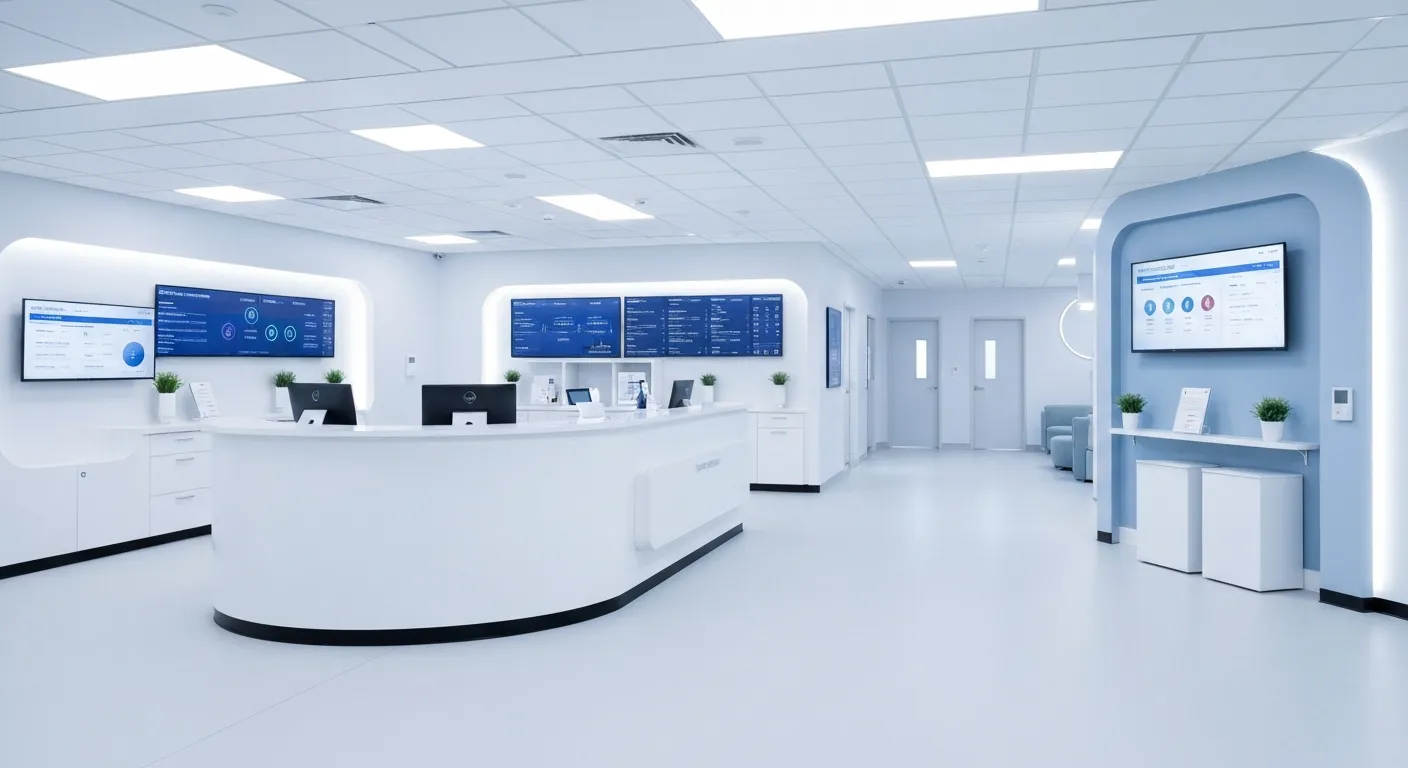
Patient experience encompasses the full spectrum of interactions patients have with the healthcare system, from initial online searches to post-treatment follow-ups. It is a crucial element that directly influences patient satisfaction, retention, and loyalty. A positive patient experience is linked to higher patient lifetime value and increased referrals, driving both clinical outcomes and organizational growth.
The Shift Toward Digital Patient Engagement
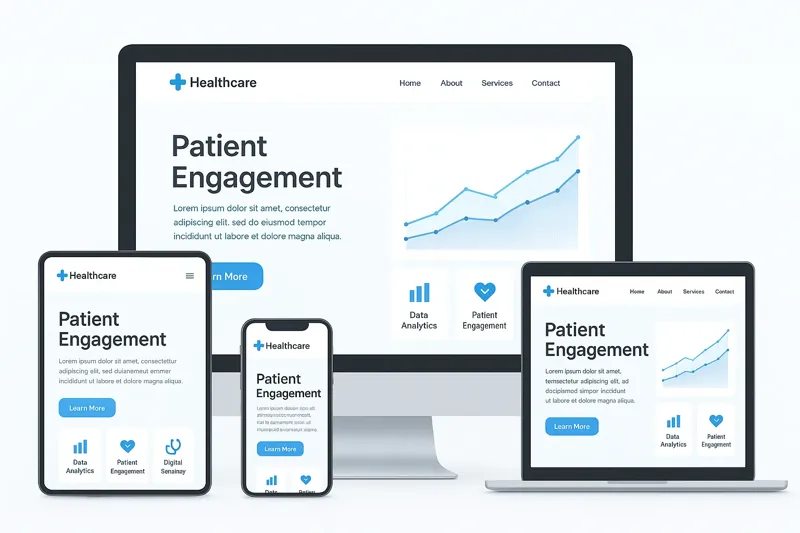
With the digital transformation of healthcare, patient experiences are increasingly shaped by interactions with digital platforms such as websites, portals, and telehealth services. Patients now expect seamless, intuitive, and personalized digital journeys akin to those offered by leading consumer brands. Key digital engagement strategies include mobile-friendly websites, online appointment scheduling, telehealth access, and secure patient portals that empower patients to manage their care efficiently.
Impact on Healthcare Outcomes
Digital patient experience enhancements contribute to improved care access, better patient-provider communication, medication adherence, and overall health outcomes. Systems with higher digital maturity utilize patient data effectively to tailor care and reduce fragmentation, leading to increased satisfaction and trust. Integrating digital tools into the patient journey not only streamlines administrative tasks but also fosters patient empowerment, supporting proactive health management and improving population health metrics.
Understanding Patient Expectations in the Digital Age
What do patients expect from digital healthcare platforms?
Patients today demand digital patient experience that mirror the convenience and personalization found in leading consumer brands such as Amazon, Google, and Netflix. Their expectations include seamless interactions that are intuitive and easy to navigate, with a clear understanding of how digital tools benefit their health journey.
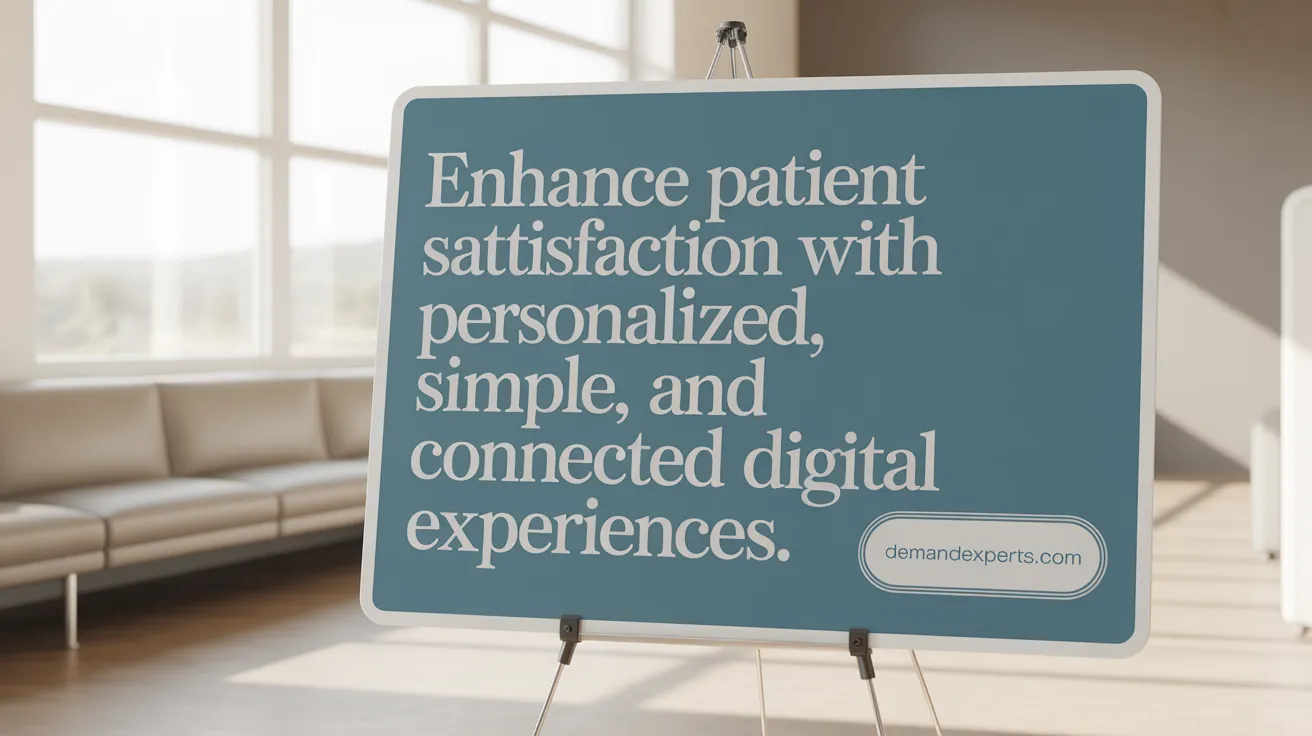
Central to a patient-centered digital experience are three critical components: personalization, simplicity, and connectivity. Personalization means platforms must deliver tailored content and empathetic engagement to foster trust and support. Simplicity involves Enhancing User Experience (UX) that guide patients effortlessly through healthcare processes. Connectivity ensures integration across devices and services, offering consistent and comprehensive access to care resources.
By focusing on these elements—understanding benefits, providing ease of use, and maintaining connectedness—digital patient experience can meet and exceed patient expectations, ultimately enhancing satisfaction and engagement.
Digital Tools as Pillars of Patient-Centered Care

How do digital health technologies improve patient engagement?
Digital health technologies significantly enhance Digital patient engagement tools by providing easier access to healthcare services and enabling continuous communication. Telehealth stands out by reducing travel time and costs, allowing patients to connect with medical experts regardless of geographic barriers. This accessibility leads to higher patient satisfaction and better adherence to care plans, especially for those managing chronic or complex conditions.
Digital self-management tools, including patient portals and mobile applications, empower patients to actively participate in their care. These platforms facilitate symptom tracking, medication compliance, appointment scheduling, and access to personalized educational resources. They also help patients better understand and manage their health, fostering ownership and a collaborative relationship with providers.
Integrating electronic health records (EHR) with these digital tools is crucial for consistency and reducing patient frustration. Seamless access to clinical data across platforms streamlines patient journeys by minimizing repetitive information sharing and enhancing provider communication. The unified digital ecosystem improves trust and overall digital patient experience by delivering timely, comprehensive health information and facilitating coordinated care.
Ultimately, the combination of telehealth, self-management apps, and interoperable EHR systems forms the backbone of patient-centered healthcare and digital technology, driving improved engagement and health outcomes.
Designing Seamless Digital Experiences: Challenges and Strategies

What challenges exist in creating unified digital patient experiences?
Healthcare digital experiences frequently suffer from fragmentation caused by multiple disconnected interfaces and legacy systems. This fragmentation leads to inconsistent data flow, confusion, and frustration among patients who must navigate various platforms without seamless integration. For more on these issues, see digital patient experience improvement.
Common UX challenges in healthcare
Patients encounter usability issues because of complex navigation, inconsistent interfaces, and data discontinuity. Disconnected systems hinder access to complete health information and impair smooth transitions across care phases, negatively affecting patient satisfaction and care quality. These challenges are explored in Healthcare-specific usability measurement and digital patient experience in health industries.
Importance of patient involvement in design
Incorporating patient perspectives through participatory design methods ensures digital tools address real user needs. Engaging patients early and throughout the design process fosters more intuitive, empathetic, and user-friendly digital health solutions that promote trust and adoption. Refer to Design processes in digital health and digital health technologies for further details.
Strategic approaches to overcoming fragmentation and data discontinuity
Successful strategies include aligning with standards such as FHIR for scalable data exchange and integrating vendor solutions featuring single sign-on, brand alignment, centralized notifications, and efficient data usage. Leveraging cloud-native capabilities, including single page applications, API platforms, and secure infrastructure, facilitates seamless, unified digital healthcare ecosystems. These approaches are detailed at digital patient experience.
These strategic efforts collectively enable healthcare organizations to provide cohesive, secure, and personalized digital experiences that improve patient engagement, loyalty, and outcomes. Additional insights can be found in Improving the digital patient experience and Digital Patient Experience Transformation.
Marketing’s Role in Shaping and Enhancing Patient Experience

How does healthcare marketing impact patient experience?
Healthcare marketing plays a pivotal role in shaping how patients perceive and interact with healthcare services. By aligning brand messaging with patient expectations, marketing efforts ensure that patient experiences reflect the organization’s values and quality of care.
Influence of healthcare marketing on patient perceptions
Effective healthcare marketing promotes a compassionate, patient-centered culture through staff training for healthcare and positive interactions. Marketing communicates the ease of access to care, availability of services, and transparency in pricing, which directly affect patient trust and comfort.
Digital marketing tools and strategies
Digital channels are integral to modern healthcare patient journey online. Strategies include:
- Optimizing healthcare website optimization for user-friendly navigation and SEO to increase visibility.
- Implementing online appointment booking systems and telehealth services options to enhance convenience.
- Utilizing video marketing for healthcare such as facility tours and patient testimonials to personalize the experience.
- Engaging with patients through building trust through healthcare marketing social media to provide timely information and foster community.
Importance of authentic communication and online reputation management
Authenticity and transparency form the foundation of trust in healthcare marketing. Managing importance of online reviews —responding to both positive and negative feedback carefully—strengthens credibility while protecting HIPAA considerations in reviews patient privacy. Storytelling in healthcare marketing that highlights practitioner expertise and patient success stories further builds confidence and encourages referrals.
Through these approaches, healthcare marketing not only attracts patients but also enriches their experience, promoting satisfaction, retention, and positive health outcomes.
Leveraging Data and AI to Personalize and Improve Care Journeys

How can data and AI improve digital patient experiences?
Healthcare organizations are increasingly turning to Digital patient engagement best practices and artificial intelligence (AI) to tailor communications and improve patient engagement. By leveraging detailed patient data, providers can customize messaging and outreach according to individual patient history, preferences, and treatment stages. This personalization fosters trust, supports better decision-making, and ultimately drives improved health outcomes.
Automation powered by AI plays a crucial role in enhancing operational efficiency. Repetitive tasks such as Appointment booking online, follow-ups, and scheduling can be automated, reducing administrative burdens on staff and ensuring timely patient interactions. Predictive analytics also allow care teams to proactively identify patient needs and intervene earlier.
Continuous feedback collection through digital channels enables healthcare systems to monitor patient satisfaction in real-time. Segmenting patient data by demographics and clinical conditions helps refine engagement strategies and optimize communication timing and volume. By balancing message frequency during a patient's care journey, providers prevent alert fatigue and maintain meaningful connections.
In summary, integrating data analytics and AI transforms digital patient experience improvement by enabling tailored, proactive, and efficient care journey management, driving higher satisfaction and improved outcomes.
The Business Case: Patient Experience as a Profit Driver
Why is focusing on patient experience financially beneficial for healthcare providers?
Investing in patient experience yields significant financial advantages for healthcare providers. Positive experiences encourage patients to remain loyal, increasing retention rates and reducing the costs associated with acquiring new patients. Satisfied patients are also more likely to refer others, expanding the provider's patient base at minimal marketing expense.
Digital platforms dramatically enhance these benefits by offering user-friendly interfaces for appointment scheduling, telehealth, and accessing medical information. Such accessibility improves patient satisfaction and encourages positive online reviews, which are crucial as 94% of patients consider reviews when selecting providers.
Transparent communication regarding treatment, billing, and follow-up builds trust, leading to stronger patient relationships and higher lifetime value. Personalized digital content tailored to patient needs further solidifies engagement, differentiating providers in a competitive market.
Ultimately, healthcare organizations that prioritize patient-centered digital strategies experience measurable growth, improved reputation, and superior profitability by aligning their services with patient expectations.
Future Directions: Building Resilient, Patient-Centric Digital Ecosystems
How should healthcare organizations future-proof their digital strategies?
Healthcare organizations must create resilient digital ecosystems that prioritize patient-centric experiences by leveraging scalable, cloud-based digital health solutions. These platforms facilitate the integration of emerging technologies such as Using AI and machine learning in patient care, voice assistants, and wearable devices. By ensuring seamless interoperability among EHR integration in patient portals , telehealth, and other digital tools, health systems can unify patient data and interactions across channels, enhancing coordination and reducing fragmentation.
Incorporating continuous improvement processes is essential. Organizations should analyze real-time patient feedback from Digital Patient Experience Transformation and apply advanced analytics to adapt and personalize care delivery dynamically. This approach fosters trust and engagement by aligning services with individual patient preferences and Optimizing content for health literacy.
Beyond technology, future-proofing strategies emphasize maintaining human connection and empathy. Holistic care models that integrate behavioral, social, and mental health services alongside physical health ensure comprehensive patient support. Digital tools need to facilitate not just access but also ongoing, proactive management of patient well-being.
Ultimately, healthcare organizations that combine innovative digital capabilities with authentic, patient-centered digital health solutions will meet evolving patient expectations, drive loyalty, and position themselves for sustainable growth in an increasingly competitive environment.
Embracing Patient Experience as the Heart of Digital Healthcare
Enhancing Patient Outcomes and Trust
Patient-centered digital strategies significantly improve health outcomes by empowering patients with personalized tools for self-management and fostering transparency throughout the care journey. Seamless digital experiences reduce administrative burdens, facilitate timely communication, and elevate patient satisfaction, directly influencing retention and loyalty.
Driving Operational Efficiency and Growth
Integrating user-friendly platforms such as online appointment scheduling, telehealth modalities, and secure portals streamlines workflows and increases accessibility. These strategies not only lower patient acquisition costs but also boost referrals and lifetime patient value, ultimately supporting sustainable revenue growth.
Digital Engagement as a Competitive Necessity
In a landscape where 65% of patients are willing to switch providers for a better digital experience, healthcare organizations must prioritize cohesive, patient-centric digital ecosystems. Leveraging data-driven personalization and continuous feedback loops can dissect patient needs and optimize service delivery.
Call to Action
Healthcare organizations are urged to adopt holistic digital transformation initiatives that place authentic patient experience at the core. This involves aligning cross-functional teams, investing in scalable technology solutions, and embedding patient input throughout design and implementation phases to ensure meaningful improvements and measurable outcomes.
The Rising Importance of Patient Experience in Digital Healthcare
Defining Patient Experience and Its Significance
Patient experience encompasses the full spectrum of interactions patients have with the healthcare system, from initial online searches to post-treatment follow-ups. It is a crucial element that directly influences patient satisfaction, retention, and loyalty. A positive patient experience is linked to higher patient lifetime value and increased referrals, driving both clinical outcomes and organizational growth.
The Shift Toward Digital Patient Engagement
With the digital transformation of healthcare, patient experiences are increasingly shaped by interactions with digital platforms such as websites, portals, and telehealth services. Patients now expect seamless, intuitive, and personalized digital journeys akin to those offered by leading consumer brands. Key digital engagement strategies include mobile-friendly websites, online appointment scheduling, telehealth access, and secure patient portals that empower patients to manage their care efficiently.
Impact on Healthcare Outcomes
Digital patient experience enhancements contribute to improved care access, better patient-provider communication, medication adherence, and overall health outcomes. Systems with higher digital maturity utilize patient data effectively to tailor care and reduce fragmentation, leading to increased satisfaction and trust. Integrating digital tools into the patient journey not only streamlines administrative tasks but also fosters patient empowerment, supporting proactive health management and improving population health metrics.
Understanding Patient Expectations in the Digital Age
What do patients expect from digital healthcare platforms?
Patients today demand digital patient experience that mirror the convenience and personalization found in leading consumer brands such as Amazon, Google, and Netflix. Their expectations include seamless interactions that are intuitive and easy to navigate, with a clear understanding of how digital tools benefit their health journey.
Central to a patient-centered digital experience are three critical components: personalization, simplicity, and connectivity. Personalization means platforms must deliver tailored content and empathetic engagement to foster trust and support. Simplicity involves Enhancing User Experience (UX) that guide patients effortlessly through healthcare processes. Connectivity ensures integration across devices and services, offering consistent and comprehensive access to care resources.
By focusing on these elements—understanding benefits, providing ease of use, and maintaining connectedness—digital patient experience can meet and exceed patient expectations, ultimately enhancing satisfaction and engagement.
Digital Tools as Pillars of Patient-Centered Care
How do digital health technologies improve patient engagement?
Digital health technologies significantly enhance Digital patient engagement tools by providing easier access to healthcare services and enabling continuous communication. Telehealth stands out by reducing travel time and costs, allowing patients to connect with medical experts regardless of geographic barriers. This accessibility leads to higher patient satisfaction and better adherence to care plans, especially for those managing chronic or complex conditions.
Digital self-management tools, including patient portals and mobile applications, empower patients to actively participate in their care. These platforms facilitate symptom tracking, medication compliance, appointment scheduling, and access to personalized educational resources. They also help patients better understand and manage their health, fostering ownership and a collaborative relationship with providers.
Integrating electronic health records (EHR) with these digital tools is crucial for consistency and reducing patient frustration. Seamless access to clinical data across platforms streamlines patient journeys by minimizing repetitive information sharing and enhancing provider communication. The unified digital ecosystem improves trust and overall digital patient experience by delivering timely, comprehensive health information and facilitating coordinated care.
Ultimately, the combination of telehealth, self-management apps, and interoperable EHR systems forms the backbone of patient-centered healthcare and digital technology, driving improved engagement and health outcomes.
Designing Seamless Digital Experiences: Challenges and Strategies
What challenges exist in creating unified digital patient experiences?
Healthcare digital experiences frequently suffer from fragmentation caused by multiple disconnected interfaces and legacy systems. This fragmentation leads to inconsistent data flow, confusion, and frustration among patients who must navigate various platforms without seamless integration. For more on these issues, see digital patient experience improvement.
Common UX challenges in healthcare
Patients encounter usability issues because of complex navigation, inconsistent interfaces, and data discontinuity. Disconnected systems hinder access to complete health information and impair smooth transitions across care phases, negatively affecting patient satisfaction and care quality. These challenges are explored in Healthcare-specific usability measurement and digital patient experience in health industries.
Importance of patient involvement in design
Incorporating patient perspectives through participatory design methods ensures digital tools address real user needs. Engaging patients early and throughout the design process fosters more intuitive, empathetic, and user-friendly digital health solutions that promote trust and adoption. Refer to Design processes in digital health and digital health technologies for further details.
Strategic approaches to overcoming fragmentation and data discontinuity
Successful strategies include aligning with standards such as FHIR for scalable data exchange and integrating vendor solutions featuring single sign-on, brand alignment, centralized notifications, and efficient data usage. Leveraging cloud-native capabilities, including single page applications, API platforms, and secure infrastructure, facilitates seamless, unified digital healthcare ecosystems. These approaches are detailed at digital patient experience.
These strategic efforts collectively enable healthcare organizations to provide cohesive, secure, and personalized digital experiences that improve patient engagement, loyalty, and outcomes. Additional insights can be found in Improving the digital patient experience and Digital Patient Experience Transformation.
Marketing’s Role in Shaping and Enhancing Patient Experience
How does healthcare marketing impact patient experience?
Healthcare marketing plays a pivotal role in shaping how patients perceive and interact with healthcare services. By aligning brand messaging with patient expectations, marketing efforts ensure that patient experiences reflect the organization’s values and quality of care.
Influence of healthcare marketing on patient perceptions
Effective healthcare marketing promotes a compassionate, patient-centered culture through staff training for healthcare and positive interactions. Marketing communicates the ease of access to care, availability of services, and transparency in pricing, which directly affect patient trust and comfort.
Digital marketing tools and strategies
Digital channels are integral to modern healthcare patient journey online. Strategies include:
- Optimizing healthcare website optimization for user-friendly navigation and SEO to increase visibility.
- Implementing online appointment booking systems and telehealth services options to enhance convenience.
- Utilizing video marketing for healthcare such as facility tours and patient testimonials to personalize the experience.
- Engaging with patients through building trust through healthcare marketing social media to provide timely information and foster community.
Importance of authentic communication and online reputation management
Authenticity and transparency form the foundation of trust in healthcare marketing. Managing importance of online reviews —responding to both positive and negative feedback carefully—strengthens credibility while protecting HIPAA considerations in reviews patient privacy. Storytelling in healthcare marketing that highlights practitioner expertise and patient success stories further builds confidence and encourages referrals.
Through these approaches, healthcare marketing not only attracts patients but also enriches their experience, promoting satisfaction, retention, and positive health outcomes.
Leveraging Data and AI to Personalize and Improve Care Journeys
How can data and AI improve digital patient experiences?
Healthcare organizations are increasingly turning to Digital patient engagement best practices and artificial intelligence (AI) to tailor communications and improve patient engagement. By leveraging detailed patient data, providers can customize messaging and outreach according to individual patient history, preferences, and treatment stages. This personalization fosters trust, supports better decision-making, and ultimately drives improved health outcomes.
Automation powered by AI plays a crucial role in enhancing operational efficiency. Repetitive tasks such as Appointment booking online, follow-ups, and scheduling can be automated, reducing administrative burdens on staff and ensuring timely patient interactions. Predictive analytics also allow care teams to proactively identify patient needs and intervene earlier.
Continuous feedback collection through digital channels enables healthcare systems to monitor patient satisfaction in real-time. Segmenting patient data by demographics and clinical conditions helps refine engagement strategies and optimize communication timing and volume. By balancing message frequency during a patient's care journey, providers prevent alert fatigue and maintain meaningful connections.
In summary, integrating data analytics and AI transforms digital patient experience improvement by enabling tailored, proactive, and efficient care journey management, driving higher satisfaction and improved outcomes.
The Business Case: Patient Experience as a Profit Driver
Why is focusing on patient experience financially beneficial for healthcare providers?
Investing in patient experience yields significant financial advantages for healthcare providers. Positive experiences encourage patients to remain loyal, increasing retention rates and reducing the costs associated with acquiring new patients. Satisfied patients are also more likely to refer others, expanding the provider's patient base at minimal marketing expense.
Digital platforms dramatically enhance these benefits by offering user-friendly interfaces for appointment scheduling, telehealth, and accessing medical information. Such accessibility improves patient satisfaction and encourages positive online reviews, which are crucial as 94% of patients consider reviews when selecting providers.
Transparent communication regarding treatment, billing, and follow-up builds trust, leading to stronger patient relationships and higher lifetime value. Personalized digital content tailored to patient needs further solidifies engagement, differentiating providers in a competitive market.
Ultimately, healthcare organizations that prioritize patient-centered digital strategies experience measurable growth, improved reputation, and superior profitability by aligning their services with patient expectations.
Future Directions: Building Resilient, Patient-Centric Digital Ecosystems
How should healthcare organizations future-proof their digital strategies?
Healthcare organizations must create resilient digital ecosystems that prioritize patient-centric experiences by leveraging scalable, cloud-based digital health solutions. These platforms facilitate the integration of emerging technologies such as Using AI and machine learning in patient care, voice assistants, and wearable devices. By ensuring seamless interoperability among EHR integration in patient portals , telehealth, and other digital tools, health systems can unify patient data and interactions across channels, enhancing coordination and reducing fragmentation.
Incorporating continuous improvement processes is essential. Organizations should analyze real-time patient feedback from Digital Patient Experience Transformation and apply advanced analytics to adapt and personalize care delivery dynamically. This approach fosters trust and engagement by aligning services with individual patient preferences and Optimizing content for health literacy.
Beyond technology, future-proofing strategies emphasize maintaining human connection and empathy. Holistic care models that integrate behavioral, social, and mental health services alongside physical health ensure comprehensive patient support. Digital tools need to facilitate not just access but also ongoing, proactive management of patient well-being.
Ultimately, healthcare organizations that combine innovative digital capabilities with authentic, patient-centered digital health solutions will meet evolving patient expectations, drive loyalty, and position themselves for sustainable growth in an increasingly competitive environment.
Embracing Patient Experience as the Heart of Digital Healthcare
Enhancing Patient Outcomes and Trust
Patient-centered digital strategies significantly improve health outcomes by empowering patients with personalized tools for self-management and fostering transparency throughout the care journey. Seamless digital experiences reduce administrative burdens, facilitate timely communication, and elevate patient satisfaction, directly influencing retention and loyalty.
Driving Operational Efficiency and Growth
Integrating user-friendly platforms such as online appointment scheduling, telehealth modalities, and secure portals streamlines workflows and increases accessibility. These strategies not only lower patient acquisition costs but also boost referrals and lifetime patient value, ultimately supporting sustainable revenue growth.
Digital Engagement as a Competitive Necessity
In a landscape where 65% of patients are willing to switch providers for a better digital experience, healthcare organizations must prioritize cohesive, patient-centric digital ecosystems. Leveraging data-driven personalization and continuous feedback loops can dissect patient needs and optimize service delivery.
Call to Action
Healthcare organizations are urged to adopt holistic digital transformation initiatives that place authentic patient experience at the core. This involves aligning cross-functional teams, investing in scalable technology solutions, and embedding patient input throughout design and implementation phases to ensure meaningful improvements and measurable outcomes.