.png)

The Critical Role of Website Redesign in Modern Healthcare
Importance of Online Presence in Patient Healthcare Journeys
The majority of healthcare consumers in the United States begin their care journey online, making a robust digital presence essential. Approximately 60% of patients research providers online before scheduling appointments, and 94% consult online reviews to evaluate healthcare options. This trend emphasizes the necessity for healthcare organizations to maintain informative, trustworthy, and user-friendly websites that guide patients seamlessly from information gathering to appointment booking.
Impact of Digital Touchpoints on Patient Decisions
Digital touchpoints such as interactive patient portals, video content, and comprehensive provider profiles significantly influence patient trust and engagement. High-quality content, including blogs, FAQs, and success stories, empowers patients and strengthens provider credibility. Clear calls to action and accessible contact information further motivate users to convert visits into appointments, directly impacting patient acquisition and retention.
Mobile Optimization and Accessibility as Foundational Elements
With over 90% of U.S. adults owning smartphones and 74% more likely to revisit mobile-optimized sites, responsive design across devices is critical. Effective healthcare websites must comply with accessibility standards, such as WCAG guidelines, ensuring usability for all patients, including those with disabilities. Fast load times, readable fonts, high-contrast colors, and intuitive navigation enhance satisfaction, foster trust, and contribute to improved SEO rankings. Mobile-first strategies are not optional but foundational in contemporary healthcare digital marketing.
Understanding the Patient Experience in Healthcare Website Design
What is Patient Experience and Why Does It Matter?
Patient experience encompasses every interaction patients have with the healthcare system, from communication with providers and staff to navigating appointments and billing. In the U.S., patient experience is a crucial quality indicator, closely linked to satisfaction, clinical outcomes, and safety. Measurement tools like the HCAHPS survey overview collect standardized patient feedback, which is publicly reported and tied to value-based reimbursement models.
What are the 4 P's of Patient Experience?
The 4 P's—proactive, personalized, predictive, and precise—form a holistic framework for delivering exceptional care:
- Proactive: Anticipating patient needs and engaging them with timely education and support.
- Personalized: Tailoring communication and services to individual preferences and cultural contexts.
- Predictive: Using data analytics to forecast patient risks and care requirements.
- Precise: Delivering accurate, evidence-based care and clear information.
These principles aim to activate patients through improved health literacy, seamless navigation, and involvement in decision-making. Tools like patient satisfaction surveys (e.g., HCAHPS, NPS) guide providers in monitoring and improving experience metrics, discussed in Proven strategies to improve patient experience.
How Does Patient Experience Impact Satisfaction, Outcomes, and Reimbursement?
Improving patient experience leads to higher satisfaction rates and better clinical outcomes by fostering empathy, clear communication, and coordinated care. This enhancement is directly rewarded under value-based care programs that link reimbursement to patient-reported outcomes and experience scores. Effective use of follow-up services and transitional care management minimizes readmissions, further demonstrating quality.
Incorporating these patient-centered strategies in Healthcare journey starts online supports operational goals by enhancing digital engagement, simplifying access to care information, and promoting patient activation. Ultimately, prioritizing the 4 P's drives measurable growth, loyalty, and care quality in compliance-driven U.S. healthcare markets.
Assessing and Developing a Patient Experience Action Plan for Website Redesign

How can healthcare providers develop a patient experience action plan?
Healthcare providers can develop a patient experience action plan by beginning with a thorough assessment of their current patient interactions using surveys, patient feedback, and direct observations. This approach helps understand not only patient satisfaction but also the quality of communication, emotional support, and cultural appropriateness delivered throughout the care journey. For more on this, see Proven strategies to improve patient experience.
Engaging all staff levels, from clinical to administrative teams, alongside patients, is vital to uncover pain points and brainstorm improvement opportunities. This collaborative effort ensures that every perspective is considered, fostering buy-in and accountability across the organization. Insights on Collaborative quality improvement approaches provide useful guidance here.
A clear North Star aligned with the organization's mission should be established to guide the action plan. This guiding principle serves as a foundation for setting realistic, measurable goals that address critical areas such as Healthcare website redesign strategies, website usability, access to information, and patient communication.
Implementing small, sustainable improvements—like forming patient advisory councils, enhancing staff communication training, and upgrading clinic environments—can create measurable impacts iteratively. Emphasizing continuous measurement of progress, transparent sharing of outcomes, and celebrating successes cultivates a patient-centered culture, driving ongoing enhancements in both digital and in-person patient experiences. Additional context is available in Patient experience as a quality indicator and What is Patient Experience.
Best Practices for Patient-Centric Website Design
Clear navigation structures and search functions
Effective healthcare websites prioritize easy navigation in healthcare websites. Clear menus and intuitive site architecture help patients quickly find relevant information or services. Integrated search bars enhance user experience by allowing patients to locate specific topics or providers without frustration. Institutions like Centura Health exemplify how well-designed menus and search functions boost user satisfaction and conversion rates.
Mobile responsiveness and fast load times
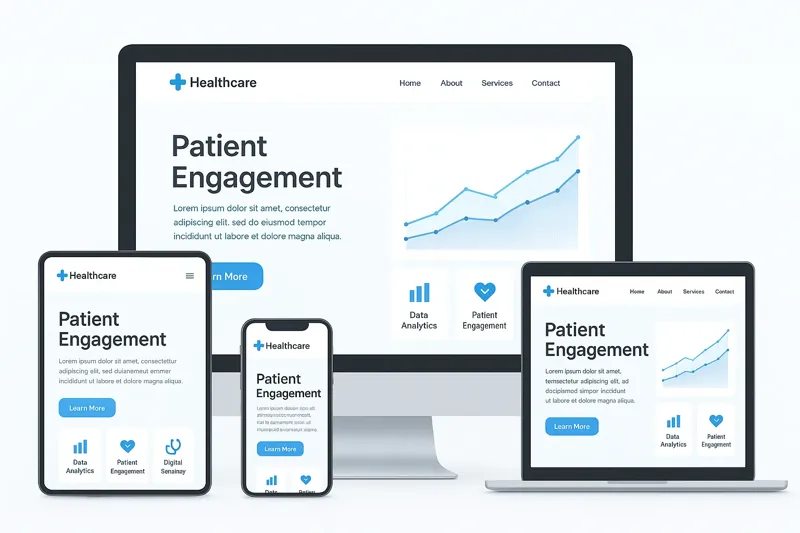
With over 60% of consumers search online before appointments healthcare website traffic in the US originating from mobile devices, mobile optimization in healthcare websites is essential. Websites must be responsive, adjusting seamlessly across smartphones and tablets, a practice well-demonstrated by One Medical. Additionally, website load speed importance—ideally under three seconds—significantly reduce bounce rates, positively impacting patient acquisition and retention. West Coast Endodontics models this minimalist, efficient approach.
Accessibility compliance (WCAG, ADA)
Inclusive design adhering to standards such as WCAG Guidelines for Healthcare and ADA compliance for healthcare sites ensures healthcare websites are usable by all patients, including those with disabilities. Features like high-contrast colors and alt-text usage, scalable fonts, keyboard operability, and descriptive alt-text for images are critical. Accessibility not only broadens audience reach but fosters trust and legal compliance, as seen in Good Shepherd Community Care’s exemplars.
Use of clear, simple language and educational content
Patients often arrive at healthcare websites anxious or under stress, making clear, simple language in healthcare web design vital. Educational content, including FAQs, blogs, and patient reviews, empowers users by clarifying medical concepts and procedures. Layered educational information with visuals reduces cognitive load and supports better decision-making. Arkansas Surgical Hospital’s approach to delivering valuable, accessible content serves as a best practice for engaging patients effectively.
Key Website Features to Enhance Patient Engagement and Satisfaction
Interactive patient portals and videos
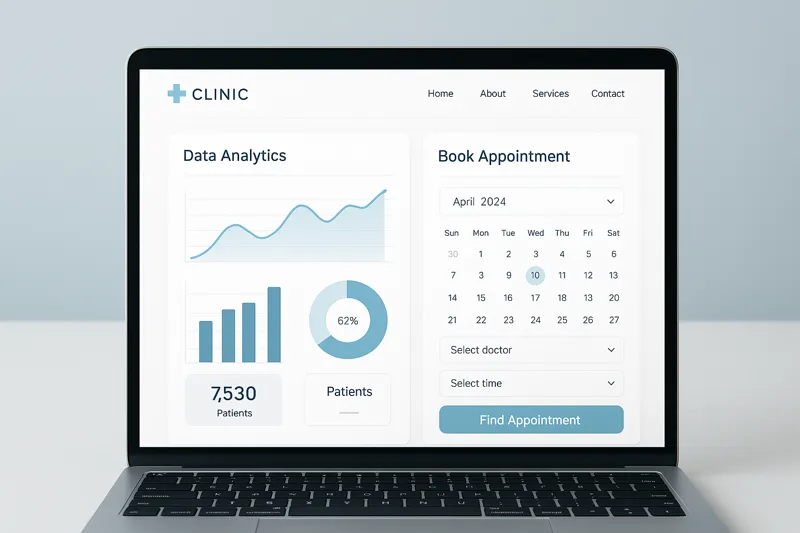
Integrating patient portals and online scheduling tools is fundamental for modern healthcare websites. These features facilitate 24/7 access to medical records, appointment bookings, and direct communication, reducing administrative burdens and improving convenience. Patient portals that are mobile-optimized enhance engagement by allowing patients to manage their care anytime and anywhere, contributing to higher satisfaction rates.
Clear contact data and online consultations
Clear and prominently displayed contact information, including phone numbers and email addresses, is essential for building trust and ensuring accessibility. Websites should simplify the appointment booking process with intuitive, mobile-friendly scheduling systems that enable patients to quickly secure appointments without the need for phone calls, increasing conversion rates.
Doctor profiles and success stories online
Detailed provider profiles showcasing clinician qualifications, specialties, and experience establish authority and build patient confidence. Including success stories and positive outcomes personalized through narratives or videos further encourages patient trust and engagement by demonstrating proven care effectiveness.
94% seek online reviews for providers
Healthcare websites must feature authentic patient reviews and testimonials, which 94% of U.S. patients consult before choosing providers. These endorsements act as vital social proof, enhancing credibility and influencing patient decisions. Incorporating platforms for patients to leave feedback and displaying responses to reviews can deepen relationships and promote transparency.
Digital Tools and Innovations Elevating Patient Experience on Clinic Websites
What are innovative ways to improve patient experience?
Innovative patient experience improvements harness advanced digital tools and operational enhancements that align with today's healthcare expectations. For more on Proven strategies to improve patient experience and Improving patient experience in healthcare, explore these resources.
Integration of Telemedicine and Virtual Consultations
Telemedicine platforms integrated into clinic websites offer patients convenient access to virtual consultations and patient portals and online scheduling tools. These digital touchpoints reduce wait times and administrative burdens, making care more accessible and timely. Virtual mental health screenings have become an essential feature, providing discreet, immediate support. Learn more about Telemedicine marketing strategies and Healthcare Website Design Best Practices.
AI-Powered Patient Feedback Collection and Analysis
AI-enabled tools for patient feedback facilitate real-time collection and deep analysis of patient feedback, allowing clinics to promptly address concerns and celebrate positive experiences. Such technologies turn patient insights into actionable improvements, driving personalized engagement and higher satisfaction levels. Additional insights on Real-time patient feedback analysis can be found here.
Real-Time Health Monitoring via Smart Technologies
Smart hospital technologies, including IoT devices like smart beds and sensors, enable continuous patient monitoring. These tools provide clinicians with timely data that support earlier interventions and better health outcomes, creating a more responsive care environment. Background on smart hospital innovations is available for further reading.
Personalized Health Education and Engagement Through Digital Tools
Clinic websites use layered, patient-centric educational content tailored to diverse literacy levels and health conditions. Visual aids, interactive portals, and AI-driven personalization enhance understanding, reduce anxiety, and empower patients throughout their care journey. For more on Patient-Centric Healthcare Web Design and Layered Educational Information, visit these links.
Together, these innovations transform clinic websites into seamless, accessible portals that enhance patient convenience, safety, and overall experience, especially vital in the U.S. healthcare system where digital engagement is increasingly linked to quality care. For comprehensive overviews on Healthcare Website Design Best Practices and Digital marketing for clinics, explore the provided resources.
SEO Strategies Tailored for Healthcare Clinics and Their Website Redesigns
What strategies define effective SEO for healthcare providers?
Effective SEO for healthcare clinics requires a focused approach that addresses both local visibility and technical excellence. One foundational step is optimizing local listings and Google Business Profiles (GBPs). Practices must claim their GBP and Bing Places listings, ensuring consistent Name, Address, and Phone number (NAP) details across platforms, accompanied by high-quality photos and actively managed patient reviews. This local SEO foundation increases rankings in map packs, which capture high-intent patients searching nearby. For more detail, see Healthcare SEO and Healthcare SEO steps.
Targeting long-tail keywords that reflect specific services and include location information (e.g., "pediatrician in Chicago" or "emergency dental care Phoenix") is essential. Such keywords capture prospective patients with immediate needs, which improves conversion rates. Utilizing keyword research tools tailored for healthcare can help identify and prioritize these phrases strategically. Learn more in Healthcare SEO for beginners and Content Marketing and SEO for Medical Practices.
Building expertise, experience, authority, and trust—collectively known as E-E-A-T—is particularly critical in healthcare SEO. Clinics enhance E-E-A-T by featuring detailed clinician bios with certifications, publishing authoritative blog content reviewed by experts, showcasing patient testimonials, and maintaining transparent communication. This not only aligns with search engine algorithms but fosters patient confidence in the clinic’s credibility. See the importance of Building E-E-A-T in healthcare SEO and Clinician bios for SEO.
Website security and compliance are non-negotiable in healthcare. Ensuring ongoing HIPAA compliance, implementing HTTPS/SSL certification, and safeguarding patient data contribute significantly to trustworthiness. Additionally, mobile-friendly and fast-loading websites reduce bounce rates and support favorable search rankings. For guidance on these points, consult Healthcare website security and Mobile responsiveness in healthcare SEO.
Integrated within any redesign, these SEO strategies improve discoverability, patient engagement, and appointments. They also streamline navigation and content messaging to complement digital marketing efforts while complying with privacy regulations, ultimately driving measurable patient acquisition and growth. For a comprehensive approach, explore Healthcare website redesign strategies, Healthcare SEO comprehensive strategy, and Healthcare Website Redesign and SEO.
Optimizing Website Performance: Speed, Mobile, and Security Considerations
Importance of Website Load Speed (Under 3 Seconds)
Website load speed is critical in healthcare settings where patients seek timely information and appointment scheduling. Studies show that sites loading within three seconds experience significantly lower bounce rates. For instance, West Coast Endodontics exemplifies a minimalist approach that prioritizes fast loading times, directly contributing to improved patient engagement and retention. For more details on Website load speed importance.
Mobile-First Design Principles and User Statistics
With over 60% of consumers search online before appointments coming from mobile devices, adopting a mobile-first design is essential. Mobile optimization not only enhances user experience but also aligns with patient expectations; 85% expect mobile website quality of adults in the US believe websites should perform as well or better on mobile than desktop. Responsive healthcare websites best practices ensures seamless navigation across smartphones and tablets, as demonstrated by One Medical’s website, which excels in providing consistent accessibility and ease of use.
Implementing HTTPS for Data Privacy and Trust
Security is paramount in healthcare websites due to the sensitivity of patient data. Employing HTTPS ensures encrypted data transmission, safeguarding privacy and reinforcing patient trust. Compliance with regulations such as HIPAA requires secure transmission protocols. HTTPS implementation also positively impacts search engine rankings, further enhancing site credibility and visibility. Learn more about Healthcare SEO and HIPAA compliance in web design.
Reliability Factors Including Hosting and Image Optimization
Reliable hosting and technical optimizations like image compression and browser caching improve site performance and uptime, minimizing disruptions. Fast load times result from optimized images, lazy loading techniques, and content delivery networks (CDNs). These practices collectively reduce page weight and accelerate delivery, contributing to superior patient experience and SEO performance. Explore best practices in Healthcare website redesign strategies and medical website best practices for doctors and dentists.
| Aspect | Importance | Best Practice Example |
|---|---|---|
| Load Speed | Reduces bounce, improves engagement | West Coast Endodontics’ minimalist design (Top medical website design principles) |
| Mobile Optimization | Majority mobile users expect seamless experience | One Medical's responsive design (Responsive healthcare websites best practices |
| Security (HTTPS) | Protects data, builds trust, improves SEO | Mandatory HIPAA compliance (HIPAA compliance in web design) |
| Hosting & Image Optimization | Enhances reliability and speed | Use of CDNs, image compression (medical website best practices for doctors and dentists) |
Content Strategy for Healthcare Websites: Educate, Empower, and Engage

Developing blogs, FAQs, and resource centers
Creating educational blogs, detailed FAQs, and comprehensive resource centers is foundational for healthcare websites. These elements provide patients with valuable healthcare content and relevant information that addresses common health concerns and questions, fostering trust and establishing the provider's authority. Regularly updated content that reflects current medical knowledge and patient needs empowers visitors to make informed healthcare decisions.
Addressing health literacy and simplified medical information
Effective healthcare content prioritizes clarity by using simplified medical language tailored to diverse patient populations with varying health literacy levels. Simplifying medical jargon and employing visual aids such as infographics ensures patients can easily understand complex information. This approach reduces anxiety, improves patient comprehension, and helps guide decision-making throughout the care journey.
Utilizing videos and imagery to build trust and engagement
Visual content, including engaging videos and high-quality imagery, enhances patient connection and understanding. Videos featuring physician introductions, procedure explanations, and patient testimonials build credibility and personalize the experience. According to industry examples, incorporating videos can increase conversion rates by up to 80%, making them a powerful tool for engagement and trust-building.
Maintaining regular content updates to sustain SEO and patient interest
Consistently updating website content supports SEO by signaling relevance to search engines and maintaining high visibility in search results. Additionally, frequent updates keep patients returning for fresh, authoritative health information. Integrating new research findings, treatment options, and patient stories ensures the website remains a trusted, go-to resource over time, aiding patient acquisition and retention.
Leveraging Online Reviews and Reputation Management to Build Patient Trust
Encouraging patient reviews and testimonials
Patient reviews and testimonials are essential tools for building trust and credibility in healthcare. Encouraging patients to share their experiences via follow-up emails, text messages, or onsite prompts increases the volume of authentic feedback. Creating an easy-to-use process with clear directions helps patients submit reviews without friction. Highlighting the importance of honest reviews assures patients their voices matter, which supports transparency. See Patient reviews and testimonials.
Responding to feedback promptly and ethically
Prompt and thoughtful responses to patient feedback, both positive and negative, demonstrate that a healthcare provider values patient input and continuously seeks improvement. Responses should be HIPAA-compliant and avoid discussing personal medical details publicly. Expressing appreciation for positive feedback and providing professional, empathetic replies to concerns shows commitment to patient satisfaction and builds online reputation. Learn more about addressing negative patient feedback promptly.
Integrating reviews into local SEO strategies
Patient reviews significantly influence local search rankings and visibility. Optimizing Google Business Profile by verifying information, regularly updating photos and services, and actively managing reviews enhances local SEO. Encouraging patients to leave location-specific reviews increases relevance and trust among prospective local patients. Consistent NAP (Name, Address, Phone number) information across directories further supports local search performance. For details, see local SEO for healthcare.
Displaying positive feedback to influence patient decision-making
Featuring authentic positive reviews and testimonials prominently on a healthcare website helps potential patients feel confident in choosing a provider. Success stories, star ratings, and patient quotes build social proof and reduce decision-making barriers. Incorporating these elements near calls-to-action, such as appointment scheduling or contact forms, leverages trust to increase conversion rates. This is part of Better patient experience in healthcare websites.
What are some effective ways to improve patient satisfaction?
Improving patient satisfaction goes beyond clinical care to delivering personalized, clear communication and streamlined experiences. Utilizing digital marketing strategies like tailored content, educational videos, and an accessible online presence—including reputation management—helps engage patients effectively. Simplifying appointment scheduling and leveraging AI tools for health education promote adherence and loyalty. Combining positive online reputation with community engagement strengthens patient trust and supports long-term practice growth. More insights can be found in Proven strategies to improve patient experience and Digital marketing for clinics.
Integrating Accessibility and Inclusivity in Healthcare Website Redesign
How are accessibility standards like WCAG and ADA implemented in healthcare website redesigns?
Healthcare website redesigns integrate WCAG Guidelines for Healthcare (Web Content Accessibility Guidelines) and ADA (Americans with Disabilities Act) standards to ensure digital inclusivity. These frameworks guide the development of websites that accommodate users with disabilities by promoting compatibility with assistive technologies and accessible user interfaces.
Which features improve accessibility for all users?
Effective accessibility features include:
- High-contrast colors: Improves visibility for users with visual impairments.
- Scalable fonts: Allows users to adjust text size without breaking site layout.
- Alt text for images: Provides descriptive alternatives for screen readers.
- Clear focus indicators: Helps keyboard users navigate through interactive elements.
These are key components of Web accessibility in healthcare websites.
What ensures keyboard operability and screen reader compatibility?
Websites are designed to support full keyboard navigation, enabling users to access all site functionalities without a mouse. Screen reader compatibility is achieved by using semantic HTML, ARIA (Accessible Rich Internet Applications) attributes, and properly labeled forms and buttons. This supports users with visual disabilities and enhances the overall user experience—core principles of Accessible Healthcare Websites.
How does accessibility promote equitable access for diverse and disabled patient populations?
By adhering to these standards and features, healthcare websites ensure that patients with disabilities, including those with visual, auditory, motor, or cognitive impairments, can easily access health information and services. This equitable access reduces barriers, fosters trust, and aligns with ethical and legal healthcare requirements, thereby improving patient engagement across diverse populations as emphasized in Best Practices for Patient-Centric Hospital Sites.
Team Building and Project Management for Successful Healthcare Website Redesigns

Assembling multidisciplinary teams including in-house and outsourced professionals
Successful Healthcare website redesign strategies rely on assembling a diverse team that combines in-house expertise with specialized outsourced talent. In-house staff provide essential knowledge about organizational goals, patient demographics, and operational workflows. Meanwhile, outsourcing to experienced healthcare web design agencies ensures access to technical skills, creative design, Healthcare SEO strategies, and compliance expertise necessary for a robust digital presence.
Defining roles, responsibilities, and decision authority
Clear role definition within the project team is critical. Each member’s responsibilities must be explicitly assigned to avoid overlaps and ambiguities. Establishing decision-making authority details who approves designs, content, and technical implementations, streamlining communication flows. This clarity reduces delays and confusion throughout the Healthcare website redesign process.
Developing realistic timelines including content, design, testing, approvals
Project timelines should realistically factor in each phase: content creation and audits, visual and technical design, comprehensive functionality testing, and multiple rounds of stakeholder approvals. Timelines that allow adequate time for iterative feedback promote a smoother development cycle and higher-quality outcomes. Considerations include technical tasks such as redirects and HIPAA compliance in web design.
Incorporating stakeholder involvement to reduce rework and enhance outcomes
Engaging key stakeholders early and throughout the project minimizes major late-stage revisions. Stakeholders typically include clinical staff, marketing teams, IT security, and compliance officers. Regular touchpoints and review cycles ensure alignment with organizational objectives, delivering a patient-centric, compliant, and effective healthcare website that drives higher patient engagement and satisfaction (Healthcare website redesign strategies.
Post-Launch Strategies: Continuous Improvement and Marketing Integration
Ongoing website maintenance and content updates
Maintaining a healthcare website post-launch is essential to ensure it remains effective, secure, and relevant. This includes regular technical maintenance such as security updates, load speed optimization, and compliance checks to align with healthcare regulations like HIPAA. Content updates should focus on adding new patient education materials, blogs on medical trends, and patient testimonials to keep the site fresh and helpful. Continual content audits help identify outdated information and optimize for SEO, fostering sustained patient engagement and improved search rankings. For more details, see Healthcare website redesign strategies.
Integrating the website into broader digital marketing strategies
A healthcare website should not function in isolation but be integrated into a comprehensive digital marketing framework. This includes syncing with social media platforms to amplify patient outreach and engagement, as well as incorporating online appointment scheduling and telemedicine features to enhance convenience. Aligning the website content and messaging with broader campaign goals—such as increasing specialist appointments or promoting new treatments—creates a cohesive patient journey across channels. Learn more at Importance of Digital Marketing in Healthcare.
Monitoring performance via analytics and adjusting SEO
Using analytics tools like Google Analytics and Search Console enables healthcare providers to track vital metrics such as organic traffic, bounce rates, session durations, and conversion events. This data guides informed decision-making for SEO improvements and content refinement. Healthcare organizations should continuously optimize on-page SEO elements, adjust keywords to reflect evolving search trends, and maintain local SEO efforts including Google Business Profile management to attract area patients effectively. Explore Healthcare SEO for comprehensive guidance.
Utilizing social media, paid campaigns, and email marketing effectively
Social media platforms are powerful tools for healthcare marketing, enabling targeted outreach through organic posts and paid advertisements that reach specific patient demographics. Engaging patients with educational videos, live Q&As, and patient stories enhances trust and community connection. Email marketing campaigns, especially those personalized and mobile-optimized, maintain ongoing communication with patients by sharing educational content, appointment reminders, and health tips. Ensuring all communications comply with privacy regulations is critical for maintaining patient trust and engagement. Consider strategies from Digital marketing for clinics.
Digital Marketing Strategies Complementing Website Redesign for Clinics
What are examples of digital marketing strategies for healthcare clinics?
Effective digital marketing for healthcare clinics integrates multiple tactics to amplify the impact of a well-designed website. Key approaches include:
Local SEO and Google Business Profile Optimization: Clinics should optimize their Google Business Profiles by verifying listings, providing complete contact information, adding photos, and encouraging patient reviews. Creating location-specific landing pages and maintaining consistent Name, Address, and Phone Number (NAP) information strengthens local search visibility, crucial as most patients seek nearby providers.
Paid Search and Social Media Advertising: Pay-per-click (PPC) ads targeting high-intent keywords such as "urgent care near me" can generate immediate patient inquiries. Social media platforms like Facebook enable targeted campaigns based on demographics and interests, enhancing community engagement and brand awareness. Combining PPC with conversion-optimized landing pages ensures visitors take action.
Video Marketing and Patient Education Content: Incorporating videos—such as provider introductions, treatment explanations, or patient testimonials—boosts engagement and trust. Studies show video can increase conversion rates by up to 80% on landing pages. Educational blogs and webinars further establish authority and aid patients in informed decision-making.
Reputation Management and Personalized Communication Campaigns: Actively monitoring and responding to online reviews enhances credibility and patient trust. Using healthcare CRM platforms for personalized communication allows clinics to deliver personalized emails and reminders, improving patient retention and reactivation. Automation tools can streamline feedback collection and communication while ensuring HIPAA compliance.
Implementing these digital marketing strategies in tandem with a patient-centric, mobile-friendly website creates a comprehensive approach. This holistic strategy improves online visibility, attracts relevant patients, enhances the patient experience, and drives measurable growth in appointment bookings and service line utilization.
The Future of Clinic Websites: Patient-Centered, Data-Driven, and Continuously Evolving
Importance of continuous monitoring and enhancement
Clinic websites must be viewed as dynamic tools rather than static platforms. Continuous monitoring of performance metrics like site traffic, bounce rates, session duration, and conversion rates enables healthcare providers to identify areas for improvement. Routinely updating content and optimizing SEO ensures ongoing visibility in high-intent patient searches. Additionally, integrating analytics supports informed decision-making, maximizing digital marketing ROI while aligning with evolving patient needs.
Embracing technology for personalization and engagement
Adopting advanced digital technologies is key to enhancing patient engagement. AI-powered tools facilitate real-time patient feedback collection and analysis, allowing hyper-personalized interaction. Interactive features such as patient portals, live chat, and telehealth integration reduce administrative burdens and improve access to care. Video content helps convey complex health information effectively, increasing trust and conversion rates. These innovations foster a seamless and supportive patient experience across devices.
Commitment to inclusivity, security, and patient empowerment
Future clinic websites prioritize inclusivity by adhering to accessibility standards like WCAG, ensuring usability for diverse populations, including individuals with disabilities and varying digital literacy levels. Robust security measures, including HIPAA-compliant protocols and HTTPS encryption, safeguard sensitive patient data, fostering confidence. Transparent communication, enriched educational resources, and patient-driven navigation empower individuals to take an active role in their healthcare journeys, reinforcing trust and loyalty.
The Critical Role of Website Redesign in Modern Healthcare
Importance of Online Presence in Patient Healthcare Journeys
The majority of healthcare consumers in the United States begin their care journey online, making a robust digital presence essential. Approximately 60% of patients research providers online before scheduling appointments, and 94% consult online reviews to evaluate healthcare options. This trend emphasizes the necessity for healthcare organizations to maintain informative, trustworthy, and user-friendly websites that guide patients seamlessly from information gathering to appointment booking.
Impact of Digital Touchpoints on Patient Decisions
Digital touchpoints such as interactive patient portals, video content, and comprehensive provider profiles significantly influence patient trust and engagement. High-quality content, including blogs, FAQs, and success stories, empowers patients and strengthens provider credibility. Clear calls to action and accessible contact information further motivate users to convert visits into appointments, directly impacting patient acquisition and retention.
Mobile Optimization and Accessibility as Foundational Elements
With over 90% of U.S. adults owning smartphones and 74% more likely to revisit mobile-optimized sites, responsive design across devices is critical. Effective healthcare websites must comply with accessibility standards, such as WCAG guidelines, ensuring usability for all patients, including those with disabilities. Fast load times, readable fonts, high-contrast colors, and intuitive navigation enhance satisfaction, foster trust, and contribute to improved SEO rankings. Mobile-first strategies are not optional but foundational in contemporary healthcare digital marketing.
Understanding the Patient Experience in Healthcare Website Design
What is Patient Experience and Why Does It Matter?
Patient experience encompasses every interaction patients have with the healthcare system, from communication with providers and staff to navigating appointments and billing. In the U.S., patient experience is a crucial quality indicator, closely linked to satisfaction, clinical outcomes, and safety. Measurement tools like the HCAHPS survey overview collect standardized patient feedback, which is publicly reported and tied to value-based reimbursement models.
What are the 4 P's of Patient Experience?
The 4 P's—proactive, personalized, predictive, and precise—form a holistic framework for delivering exceptional care:
- Proactive: Anticipating patient needs and engaging them with timely education and support.
- Personalized: Tailoring communication and services to individual preferences and cultural contexts.
- Predictive: Using data analytics to forecast patient risks and care requirements.
- Precise: Delivering accurate, evidence-based care and clear information.
These principles aim to activate patients through improved health literacy, seamless navigation, and involvement in decision-making. Tools like patient satisfaction surveys (e.g., HCAHPS, NPS) guide providers in monitoring and improving experience metrics, discussed in Proven strategies to improve patient experience.
How Does Patient Experience Impact Satisfaction, Outcomes, and Reimbursement?
Improving patient experience leads to higher satisfaction rates and better clinical outcomes by fostering empathy, clear communication, and coordinated care. This enhancement is directly rewarded under value-based care programs that link reimbursement to patient-reported outcomes and experience scores. Effective use of follow-up services and transitional care management minimizes readmissions, further demonstrating quality.
Incorporating these patient-centered strategies in Healthcare journey starts online supports operational goals by enhancing digital engagement, simplifying access to care information, and promoting patient activation. Ultimately, prioritizing the 4 P's drives measurable growth, loyalty, and care quality in compliance-driven U.S. healthcare markets.
Assessing and Developing a Patient Experience Action Plan for Website Redesign
How can healthcare providers develop a patient experience action plan?
Healthcare providers can develop a patient experience action plan by beginning with a thorough assessment of their current patient interactions using surveys, patient feedback, and direct observations. This approach helps understand not only patient satisfaction but also the quality of communication, emotional support, and cultural appropriateness delivered throughout the care journey. For more on this, see Proven strategies to improve patient experience.
Engaging all staff levels, from clinical to administrative teams, alongside patients, is vital to uncover pain points and brainstorm improvement opportunities. This collaborative effort ensures that every perspective is considered, fostering buy-in and accountability across the organization. Insights on Collaborative quality improvement approaches provide useful guidance here.
A clear North Star aligned with the organization's mission should be established to guide the action plan. This guiding principle serves as a foundation for setting realistic, measurable goals that address critical areas such as Healthcare website redesign strategies, website usability, access to information, and patient communication.
Implementing small, sustainable improvements—like forming patient advisory councils, enhancing staff communication training, and upgrading clinic environments—can create measurable impacts iteratively. Emphasizing continuous measurement of progress, transparent sharing of outcomes, and celebrating successes cultivates a patient-centered culture, driving ongoing enhancements in both digital and in-person patient experiences. Additional context is available in Patient experience as a quality indicator and What is Patient Experience.
Best Practices for Patient-Centric Website Design
Clear navigation structures and search functions
Effective healthcare websites prioritize easy navigation in healthcare websites. Clear menus and intuitive site architecture help patients quickly find relevant information or services. Integrated search bars enhance user experience by allowing patients to locate specific topics or providers without frustration. Institutions like Centura Health exemplify how well-designed menus and search functions boost user satisfaction and conversion rates.
Mobile responsiveness and fast load times
With over 60% of consumers search online before appointments healthcare website traffic in the US originating from mobile devices, mobile optimization in healthcare websites is essential. Websites must be responsive, adjusting seamlessly across smartphones and tablets, a practice well-demonstrated by One Medical. Additionally, website load speed importance—ideally under three seconds—significantly reduce bounce rates, positively impacting patient acquisition and retention. West Coast Endodontics models this minimalist, efficient approach.
Accessibility compliance (WCAG, ADA)
Inclusive design adhering to standards such as WCAG Guidelines for Healthcare and ADA compliance for healthcare sites ensures healthcare websites are usable by all patients, including those with disabilities. Features like high-contrast colors and alt-text usage, scalable fonts, keyboard operability, and descriptive alt-text for images are critical. Accessibility not only broadens audience reach but fosters trust and legal compliance, as seen in Good Shepherd Community Care’s exemplars.
Use of clear, simple language and educational content
Patients often arrive at healthcare websites anxious or under stress, making clear, simple language in healthcare web design vital. Educational content, including FAQs, blogs, and patient reviews, empowers users by clarifying medical concepts and procedures. Layered educational information with visuals reduces cognitive load and supports better decision-making. Arkansas Surgical Hospital’s approach to delivering valuable, accessible content serves as a best practice for engaging patients effectively.
Key Website Features to Enhance Patient Engagement and Satisfaction
Interactive patient portals and videos
Integrating patient portals and online scheduling tools is fundamental for modern healthcare websites. These features facilitate 24/7 access to medical records, appointment bookings, and direct communication, reducing administrative burdens and improving convenience. Patient portals that are mobile-optimized enhance engagement by allowing patients to manage their care anytime and anywhere, contributing to higher satisfaction rates.
Clear contact data and online consultations
Clear and prominently displayed contact information, including phone numbers and email addresses, is essential for building trust and ensuring accessibility. Websites should simplify the appointment booking process with intuitive, mobile-friendly scheduling systems that enable patients to quickly secure appointments without the need for phone calls, increasing conversion rates.
Doctor profiles and success stories online
Detailed provider profiles showcasing clinician qualifications, specialties, and experience establish authority and build patient confidence. Including success stories and positive outcomes personalized through narratives or videos further encourages patient trust and engagement by demonstrating proven care effectiveness.
94% seek online reviews for providers
Healthcare websites must feature authentic patient reviews and testimonials, which 94% of U.S. patients consult before choosing providers. These endorsements act as vital social proof, enhancing credibility and influencing patient decisions. Incorporating platforms for patients to leave feedback and displaying responses to reviews can deepen relationships and promote transparency.
Digital Tools and Innovations Elevating Patient Experience on Clinic Websites
What are innovative ways to improve patient experience?
Innovative patient experience improvements harness advanced digital tools and operational enhancements that align with today's healthcare expectations. For more on Proven strategies to improve patient experience and Improving patient experience in healthcare, explore these resources.
Integration of Telemedicine and Virtual Consultations
Telemedicine platforms integrated into clinic websites offer patients convenient access to virtual consultations and patient portals and online scheduling tools. These digital touchpoints reduce wait times and administrative burdens, making care more accessible and timely. Virtual mental health screenings have become an essential feature, providing discreet, immediate support. Learn more about Telemedicine marketing strategies and Healthcare Website Design Best Practices.
AI-Powered Patient Feedback Collection and Analysis
AI-enabled tools for patient feedback facilitate real-time collection and deep analysis of patient feedback, allowing clinics to promptly address concerns and celebrate positive experiences. Such technologies turn patient insights into actionable improvements, driving personalized engagement and higher satisfaction levels. Additional insights on Real-time patient feedback analysis can be found here.
Real-Time Health Monitoring via Smart Technologies
Smart hospital technologies, including IoT devices like smart beds and sensors, enable continuous patient monitoring. These tools provide clinicians with timely data that support earlier interventions and better health outcomes, creating a more responsive care environment. Background on smart hospital innovations is available for further reading.
Personalized Health Education and Engagement Through Digital Tools
Clinic websites use layered, patient-centric educational content tailored to diverse literacy levels and health conditions. Visual aids, interactive portals, and AI-driven personalization enhance understanding, reduce anxiety, and empower patients throughout their care journey. For more on Patient-Centric Healthcare Web Design and Layered Educational Information, visit these links.
Together, these innovations transform clinic websites into seamless, accessible portals that enhance patient convenience, safety, and overall experience, especially vital in the U.S. healthcare system where digital engagement is increasingly linked to quality care. For comprehensive overviews on Healthcare Website Design Best Practices and Digital marketing for clinics, explore the provided resources.
SEO Strategies Tailored for Healthcare Clinics and Their Website Redesigns
What strategies define effective SEO for healthcare providers?
Effective SEO for healthcare clinics requires a focused approach that addresses both local visibility and technical excellence. One foundational step is optimizing local listings and Google Business Profiles (GBPs). Practices must claim their GBP and Bing Places listings, ensuring consistent Name, Address, and Phone number (NAP) details across platforms, accompanied by high-quality photos and actively managed patient reviews. This local SEO foundation increases rankings in map packs, which capture high-intent patients searching nearby. For more detail, see Healthcare SEO and Healthcare SEO steps.
Targeting long-tail keywords that reflect specific services and include location information (e.g., "pediatrician in Chicago" or "emergency dental care Phoenix") is essential. Such keywords capture prospective patients with immediate needs, which improves conversion rates. Utilizing keyword research tools tailored for healthcare can help identify and prioritize these phrases strategically. Learn more in Healthcare SEO for beginners and Content Marketing and SEO for Medical Practices.
Building expertise, experience, authority, and trust—collectively known as E-E-A-T—is particularly critical in healthcare SEO. Clinics enhance E-E-A-T by featuring detailed clinician bios with certifications, publishing authoritative blog content reviewed by experts, showcasing patient testimonials, and maintaining transparent communication. This not only aligns with search engine algorithms but fosters patient confidence in the clinic’s credibility. See the importance of Building E-E-A-T in healthcare SEO and Clinician bios for SEO.
Website security and compliance are non-negotiable in healthcare. Ensuring ongoing HIPAA compliance, implementing HTTPS/SSL certification, and safeguarding patient data contribute significantly to trustworthiness. Additionally, mobile-friendly and fast-loading websites reduce bounce rates and support favorable search rankings. For guidance on these points, consult Healthcare website security and Mobile responsiveness in healthcare SEO.
Integrated within any redesign, these SEO strategies improve discoverability, patient engagement, and appointments. They also streamline navigation and content messaging to complement digital marketing efforts while complying with privacy regulations, ultimately driving measurable patient acquisition and growth. For a comprehensive approach, explore Healthcare website redesign strategies, Healthcare SEO comprehensive strategy, and Healthcare Website Redesign and SEO.
Optimizing Website Performance: Speed, Mobile, and Security Considerations
Importance of Website Load Speed (Under 3 Seconds)
Website load speed is critical in healthcare settings where patients seek timely information and appointment scheduling. Studies show that sites loading within three seconds experience significantly lower bounce rates. For instance, West Coast Endodontics exemplifies a minimalist approach that prioritizes fast loading times, directly contributing to improved patient engagement and retention. For more details on Website load speed importance.
Mobile-First Design Principles and User Statistics
With over 60% of consumers search online before appointments coming from mobile devices, adopting a mobile-first design is essential. Mobile optimization not only enhances user experience but also aligns with patient expectations; 85% expect mobile website quality of adults in the US believe websites should perform as well or better on mobile than desktop. Responsive healthcare websites best practices ensures seamless navigation across smartphones and tablets, as demonstrated by One Medical’s website, which excels in providing consistent accessibility and ease of use.
Implementing HTTPS for Data Privacy and Trust
Security is paramount in healthcare websites due to the sensitivity of patient data. Employing HTTPS ensures encrypted data transmission, safeguarding privacy and reinforcing patient trust. Compliance with regulations such as HIPAA requires secure transmission protocols. HTTPS implementation also positively impacts search engine rankings, further enhancing site credibility and visibility. Learn more about Healthcare SEO and HIPAA compliance in web design.
Reliability Factors Including Hosting and Image Optimization
Reliable hosting and technical optimizations like image compression and browser caching improve site performance and uptime, minimizing disruptions. Fast load times result from optimized images, lazy loading techniques, and content delivery networks (CDNs). These practices collectively reduce page weight and accelerate delivery, contributing to superior patient experience and SEO performance. Explore best practices in Healthcare website redesign strategies and medical website best practices for doctors and dentists.
| Aspect | Importance | Best Practice Example |
|---|---|---|
| Load Speed | Reduces bounce, improves engagement | West Coast Endodontics’ minimalist design (Top medical website design principles) |
| Mobile Optimization | Majority mobile users expect seamless experience | One Medical's responsive design (Responsive healthcare websites best practices |
| Security (HTTPS) | Protects data, builds trust, improves SEO | Mandatory HIPAA compliance (HIPAA compliance in web design) |
| Hosting & Image Optimization | Enhances reliability and speed | Use of CDNs, image compression (medical website best practices for doctors and dentists) |
Content Strategy for Healthcare Websites: Educate, Empower, and Engage
Developing blogs, FAQs, and resource centers
Creating educational blogs, detailed FAQs, and comprehensive resource centers is foundational for healthcare websites. These elements provide patients with valuable healthcare content and relevant information that addresses common health concerns and questions, fostering trust and establishing the provider's authority. Regularly updated content that reflects current medical knowledge and patient needs empowers visitors to make informed healthcare decisions.
Addressing health literacy and simplified medical information
Effective healthcare content prioritizes clarity by using simplified medical language tailored to diverse patient populations with varying health literacy levels. Simplifying medical jargon and employing visual aids such as infographics ensures patients can easily understand complex information. This approach reduces anxiety, improves patient comprehension, and helps guide decision-making throughout the care journey.
Utilizing videos and imagery to build trust and engagement
Visual content, including engaging videos and high-quality imagery, enhances patient connection and understanding. Videos featuring physician introductions, procedure explanations, and patient testimonials build credibility and personalize the experience. According to industry examples, incorporating videos can increase conversion rates by up to 80%, making them a powerful tool for engagement and trust-building.
Maintaining regular content updates to sustain SEO and patient interest
Consistently updating website content supports SEO by signaling relevance to search engines and maintaining high visibility in search results. Additionally, frequent updates keep patients returning for fresh, authoritative health information. Integrating new research findings, treatment options, and patient stories ensures the website remains a trusted, go-to resource over time, aiding patient acquisition and retention.
Leveraging Online Reviews and Reputation Management to Build Patient Trust
Encouraging patient reviews and testimonials
Patient reviews and testimonials are essential tools for building trust and credibility in healthcare. Encouraging patients to share their experiences via follow-up emails, text messages, or onsite prompts increases the volume of authentic feedback. Creating an easy-to-use process with clear directions helps patients submit reviews without friction. Highlighting the importance of honest reviews assures patients their voices matter, which supports transparency. See Patient reviews and testimonials.
Responding to feedback promptly and ethically
Prompt and thoughtful responses to patient feedback, both positive and negative, demonstrate that a healthcare provider values patient input and continuously seeks improvement. Responses should be HIPAA-compliant and avoid discussing personal medical details publicly. Expressing appreciation for positive feedback and providing professional, empathetic replies to concerns shows commitment to patient satisfaction and builds online reputation. Learn more about addressing negative patient feedback promptly.
Integrating reviews into local SEO strategies
Patient reviews significantly influence local search rankings and visibility. Optimizing Google Business Profile by verifying information, regularly updating photos and services, and actively managing reviews enhances local SEO. Encouraging patients to leave location-specific reviews increases relevance and trust among prospective local patients. Consistent NAP (Name, Address, Phone number) information across directories further supports local search performance. For details, see local SEO for healthcare.
Displaying positive feedback to influence patient decision-making
Featuring authentic positive reviews and testimonials prominently on a healthcare website helps potential patients feel confident in choosing a provider. Success stories, star ratings, and patient quotes build social proof and reduce decision-making barriers. Incorporating these elements near calls-to-action, such as appointment scheduling or contact forms, leverages trust to increase conversion rates. This is part of Better patient experience in healthcare websites.
What are some effective ways to improve patient satisfaction?
Improving patient satisfaction goes beyond clinical care to delivering personalized, clear communication and streamlined experiences. Utilizing digital marketing strategies like tailored content, educational videos, and an accessible online presence—including reputation management—helps engage patients effectively. Simplifying appointment scheduling and leveraging AI tools for health education promote adherence and loyalty. Combining positive online reputation with community engagement strengthens patient trust and supports long-term practice growth. More insights can be found in Proven strategies to improve patient experience and Digital marketing for clinics.
Integrating Accessibility and Inclusivity in Healthcare Website Redesign
How are accessibility standards like WCAG and ADA implemented in healthcare website redesigns?
Healthcare website redesigns integrate WCAG Guidelines for Healthcare (Web Content Accessibility Guidelines) and ADA (Americans with Disabilities Act) standards to ensure digital inclusivity. These frameworks guide the development of websites that accommodate users with disabilities by promoting compatibility with assistive technologies and accessible user interfaces.
Which features improve accessibility for all users?
Effective accessibility features include:
- High-contrast colors: Improves visibility for users with visual impairments.
- Scalable fonts: Allows users to adjust text size without breaking site layout.
- Alt text for images: Provides descriptive alternatives for screen readers.
- Clear focus indicators: Helps keyboard users navigate through interactive elements.
These are key components of Web accessibility in healthcare websites.
What ensures keyboard operability and screen reader compatibility?
Websites are designed to support full keyboard navigation, enabling users to access all site functionalities without a mouse. Screen reader compatibility is achieved by using semantic HTML, ARIA (Accessible Rich Internet Applications) attributes, and properly labeled forms and buttons. This supports users with visual disabilities and enhances the overall user experience—core principles of Accessible Healthcare Websites.
How does accessibility promote equitable access for diverse and disabled patient populations?
By adhering to these standards and features, healthcare websites ensure that patients with disabilities, including those with visual, auditory, motor, or cognitive impairments, can easily access health information and services. This equitable access reduces barriers, fosters trust, and aligns with ethical and legal healthcare requirements, thereby improving patient engagement across diverse populations as emphasized in Best Practices for Patient-Centric Hospital Sites.
Team Building and Project Management for Successful Healthcare Website Redesigns
Assembling multidisciplinary teams including in-house and outsourced professionals
Successful Healthcare website redesign strategies rely on assembling a diverse team that combines in-house expertise with specialized outsourced talent. In-house staff provide essential knowledge about organizational goals, patient demographics, and operational workflows. Meanwhile, outsourcing to experienced healthcare web design agencies ensures access to technical skills, creative design, Healthcare SEO strategies, and compliance expertise necessary for a robust digital presence.
Defining roles, responsibilities, and decision authority
Clear role definition within the project team is critical. Each member’s responsibilities must be explicitly assigned to avoid overlaps and ambiguities. Establishing decision-making authority details who approves designs, content, and technical implementations, streamlining communication flows. This clarity reduces delays and confusion throughout the Healthcare website redesign process.
Developing realistic timelines including content, design, testing, approvals
Project timelines should realistically factor in each phase: content creation and audits, visual and technical design, comprehensive functionality testing, and multiple rounds of stakeholder approvals. Timelines that allow adequate time for iterative feedback promote a smoother development cycle and higher-quality outcomes. Considerations include technical tasks such as redirects and HIPAA compliance in web design.
Incorporating stakeholder involvement to reduce rework and enhance outcomes
Engaging key stakeholders early and throughout the project minimizes major late-stage revisions. Stakeholders typically include clinical staff, marketing teams, IT security, and compliance officers. Regular touchpoints and review cycles ensure alignment with organizational objectives, delivering a patient-centric, compliant, and effective healthcare website that drives higher patient engagement and satisfaction (Healthcare website redesign strategies.
Post-Launch Strategies: Continuous Improvement and Marketing Integration
Ongoing website maintenance and content updates
Maintaining a healthcare website post-launch is essential to ensure it remains effective, secure, and relevant. This includes regular technical maintenance such as security updates, load speed optimization, and compliance checks to align with healthcare regulations like HIPAA. Content updates should focus on adding new patient education materials, blogs on medical trends, and patient testimonials to keep the site fresh and helpful. Continual content audits help identify outdated information and optimize for SEO, fostering sustained patient engagement and improved search rankings. For more details, see Healthcare website redesign strategies.
Integrating the website into broader digital marketing strategies
A healthcare website should not function in isolation but be integrated into a comprehensive digital marketing framework. This includes syncing with social media platforms to amplify patient outreach and engagement, as well as incorporating online appointment scheduling and telemedicine features to enhance convenience. Aligning the website content and messaging with broader campaign goals—such as increasing specialist appointments or promoting new treatments—creates a cohesive patient journey across channels. Learn more at Importance of Digital Marketing in Healthcare.
Monitoring performance via analytics and adjusting SEO
Using analytics tools like Google Analytics and Search Console enables healthcare providers to track vital metrics such as organic traffic, bounce rates, session durations, and conversion events. This data guides informed decision-making for SEO improvements and content refinement. Healthcare organizations should continuously optimize on-page SEO elements, adjust keywords to reflect evolving search trends, and maintain local SEO efforts including Google Business Profile management to attract area patients effectively. Explore Healthcare SEO for comprehensive guidance.
Utilizing social media, paid campaigns, and email marketing effectively
Social media platforms are powerful tools for healthcare marketing, enabling targeted outreach through organic posts and paid advertisements that reach specific patient demographics. Engaging patients with educational videos, live Q&As, and patient stories enhances trust and community connection. Email marketing campaigns, especially those personalized and mobile-optimized, maintain ongoing communication with patients by sharing educational content, appointment reminders, and health tips. Ensuring all communications comply with privacy regulations is critical for maintaining patient trust and engagement. Consider strategies from Digital marketing for clinics.
Digital Marketing Strategies Complementing Website Redesign for Clinics
What are examples of digital marketing strategies for healthcare clinics?
Effective digital marketing for healthcare clinics integrates multiple tactics to amplify the impact of a well-designed website. Key approaches include:
Local SEO and Google Business Profile Optimization: Clinics should optimize their Google Business Profiles by verifying listings, providing complete contact information, adding photos, and encouraging patient reviews. Creating location-specific landing pages and maintaining consistent Name, Address, and Phone Number (NAP) information strengthens local search visibility, crucial as most patients seek nearby providers.
Paid Search and Social Media Advertising: Pay-per-click (PPC) ads targeting high-intent keywords such as "urgent care near me" can generate immediate patient inquiries. Social media platforms like Facebook enable targeted campaigns based on demographics and interests, enhancing community engagement and brand awareness. Combining PPC with conversion-optimized landing pages ensures visitors take action.
Video Marketing and Patient Education Content: Incorporating videos—such as provider introductions, treatment explanations, or patient testimonials—boosts engagement and trust. Studies show video can increase conversion rates by up to 80% on landing pages. Educational blogs and webinars further establish authority and aid patients in informed decision-making.
Reputation Management and Personalized Communication Campaigns: Actively monitoring and responding to online reviews enhances credibility and patient trust. Using healthcare CRM platforms for personalized communication allows clinics to deliver personalized emails and reminders, improving patient retention and reactivation. Automation tools can streamline feedback collection and communication while ensuring HIPAA compliance.
Implementing these digital marketing strategies in tandem with a patient-centric, mobile-friendly website creates a comprehensive approach. This holistic strategy improves online visibility, attracts relevant patients, enhances the patient experience, and drives measurable growth in appointment bookings and service line utilization.
The Future of Clinic Websites: Patient-Centered, Data-Driven, and Continuously Evolving
Importance of continuous monitoring and enhancement
Clinic websites must be viewed as dynamic tools rather than static platforms. Continuous monitoring of performance metrics like site traffic, bounce rates, session duration, and conversion rates enables healthcare providers to identify areas for improvement. Routinely updating content and optimizing SEO ensures ongoing visibility in high-intent patient searches. Additionally, integrating analytics supports informed decision-making, maximizing digital marketing ROI while aligning with evolving patient needs.
Embracing technology for personalization and engagement
Adopting advanced digital technologies is key to enhancing patient engagement. AI-powered tools facilitate real-time patient feedback collection and analysis, allowing hyper-personalized interaction. Interactive features such as patient portals, live chat, and telehealth integration reduce administrative burdens and improve access to care. Video content helps convey complex health information effectively, increasing trust and conversion rates. These innovations foster a seamless and supportive patient experience across devices.
Commitment to inclusivity, security, and patient empowerment
Future clinic websites prioritize inclusivity by adhering to accessibility standards like WCAG, ensuring usability for diverse populations, including individuals with disabilities and varying digital literacy levels. Robust security measures, including HIPAA-compliant protocols and HTTPS encryption, safeguard sensitive patient data, fostering confidence. Transparent communication, enriched educational resources, and patient-driven navigation empower individuals to take an active role in their healthcare journeys, reinforcing trust and loyalty.