.png)

Introduction to Patient-Centric Digital Healthcare Experiences
Importance of Patient-Centric Design in Healthcare Digital Tools
Patient-centric design places the patient's needs, preferences, and experiences at the forefront of digital healthcare innovation. This focus enhances usability, accessibility, and trust, leading to improved health outcomes and greater patient engagement. By addressing barriers such as digital literacy and ensuring ethical, inclusive solutions, patient-centric approaches reduce disparities and foster equitable care.
Overview of Digital Health Technologies Transforming Patient Care
Digital health encompasses a wide range of technologies including telemedicine, mobile health applications, patient portals, remote monitoring devices, and AI-powered tools. These innovations enable 24/7 access to medical records, simplify appointment scheduling, facilitate secure communication, and support self-management of chronic conditions. Together, they improve healthcare accessibility, transparency, and patient empowerment.
Role of Human-Centered Design in Improving Patient Outcomes
Human-centered design (HCD) is essential in developing effective digital health solutions that reflect real patient needs. It involves engaging patients and stakeholders throughout the design process, applying iterative feedback, and tailoring interventions to specific populations. HCD not only enhances usability but also addresses systemic challenges such as regulatory compliance and health equity, ultimately driving better adherence, clinical outcomes, and patient satisfaction in complex healthcare environments.
Diverse Digital Health Tools Empowering Patients
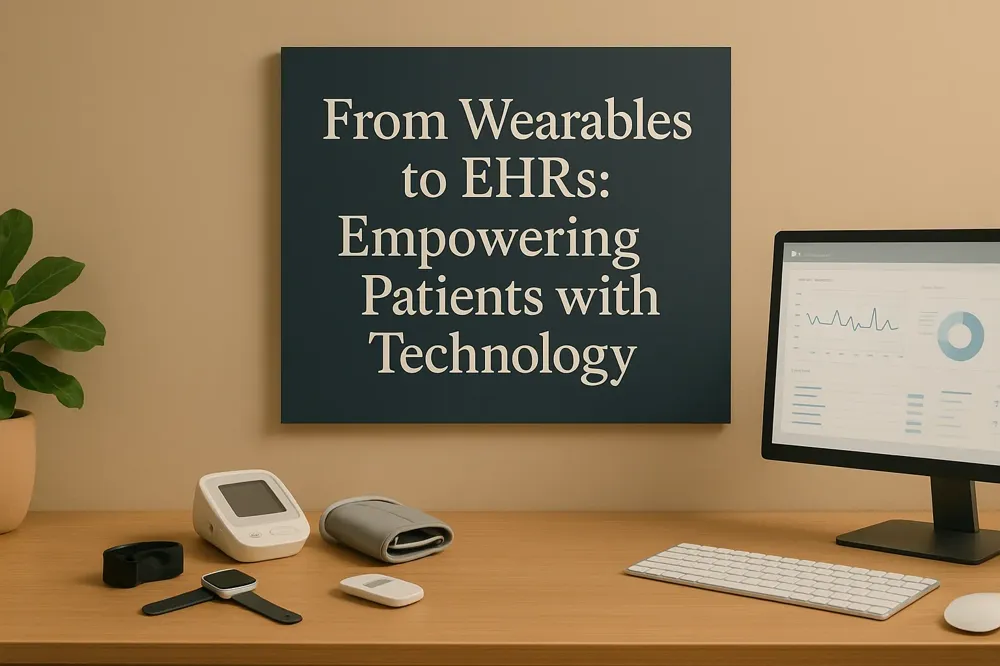
What are some examples of digital health tools?
Digital health tools encompass a wide array of technologies designed to enhance patient care and self-management. Key examples include:
Wearable Devices: Smartwatches, fitness trackers, and sensor-enabled devices monitor vital signs such as heart rate, blood glucose, oxygen saturation, and physical activity. These devices support real-time health monitoring and empower patients to engage proactively with their health.
Mobile Health Applications: Apps that assist with medication adherence, symptom tracking, lifestyle management, and personalized health education. Mobile platforms also often integrate behavioral health support. See Mobile health applications and mobile health apps and connected devices.
Telemedicine Platforms: Virtual care services enable patients to consult healthcare providers remotely, improving access, convenience, and safety. Telemedicine is supported by tools for appointment scheduling, virtual check-ins, and digital communication. Related topics at Digital health platforms and telemedicine growth and adoption.
Electronic Health Records (EHRs) and Patient Portals: EHRs serve as centralized digital repositories of patient health information, facilitating continuity of care across providers. Patient portals provide secure access for patients to review lab results, manage appointments, communicate with providers, and access personalized educational resources. Refer to Electronic health records and Patient portals.
Wearables and Remote Monitoring Devices
Wearable technology and remote patient monitoring devices are transforming chronic disease management and post-acute care. These devices can continuously track physiological data and transmit it to healthcare teams, enabling timely interventions. For example, remote blood pressure monitors, glucose meters, and cardiac rhythm monitors support patients at home, reducing hospitalizations and enhancing adherence to care plans. For more on remote patient monitoring and Digital health tools empowering patients.
Telemedicine Platforms and Appointment Scheduling Apps
Telemedicine platforms have rapidly expanded in US healthcare, offering video visits, virtual check-ins, and asynchronous communication. Appointment scheduling apps streamline access by enabling patients to book, reschedule, or cancel visits online, increasing convenience and operational efficiency for providers. Refer to Telemedicine platforms and Appointment scheduling apps.
Electronic Health Records and Patient Portals
EHR systems integrate clinical data to support coordinated care, while patient portals grant individuals direct, 24/7 access to their health records, test results, and personalized health information. Secure messaging features within portals reduce administrative burdens and enhance patient-provider communication. For further details, see Electronic health records and patient portals.
These digital health tools collectively empower patients by improving access, engagement, and personalization in healthcare while supporting providers to deliver efficient, patient-centered care. For insights on Designing digital patient experiences and Patient Centered Digital Health, consult the linked resources.
Effective Digital Communication Tools in Healthcare

What are the examples of digital communication tools in healthcare?
Digital communication tools in healthcare encompass a suite of technologies designed to enhance patient-provider interaction, accessibility, and care coordination.
Telehealth platforms such as Teladoc Health have notably expanded access to care, especially during the COVID-19 pandemic. They provide video and audio consultations, allowing patients to receive timely medical advice remotely. Video communication is preferred over audio-only calls for building better rapport, as it supports nonverbal cues and clearer communication. telemedicine growth and adoption
Patient portals like MyChart offer secure messaging, appointment scheduling, access to test results, and billing transparency. They enable patients to actively participate in their care 24/7, improving convenience and engagement. Patient portals
Unified Communication as a Service (UCaaS) solutions integrate multiple communication channels—voice calls, video conferencing, instant messaging, and alerts—into a single platform. This cohesion streamlines workflows for healthcare providers and enhances responsiveness in clinical settings. Digital patient engagement
AI-powered documentation and communication assistants, such as Nuance's Dragon Medical One, automate clinical documentation and improve decision-making workflows. These assistants enable faster, more accurate record-keeping and free clinicians to focus on patient care. AI-powered digital health tools
Together, these tools improve the timeliness, security, and efficiency of healthcare communication, fostering better patient experiences and operational effectiveness.
Foundational Principles and Pillars of Patient Experience

What are the 3 C's of patient experience?
The 3 C's of patient experience—Consistency, Continuity, and Coordination—form a strategic foundation for delivering seamless, patient-centered care. Consistency involves maintaining uniform care standards across all touchpoints, reducing variability in patient interactions to build trust.
Continuity ensures that patients experience seamless and ongoing care throughout their health journey, fostering long-term engagement and improved outcomes. Coordination integrates multidisciplinary healthcare efforts by adhering to established protocols and guidelines, enhancing communication across providers and streamlining care delivery.
What are the 5 pillars of patient experience?
The five essential pillars shaping exemplary patient experiences are:
- Communication: Clear, transparent, and culturally sensitive interaction builds understanding and trust.
- Access: Timely availability of appointments, information, and services minimizes barriers.
- Personalization: Tailored healthcare engagement respecting patient preferences and individual needs.
- Empathy: Compassionate and professionally trained staff demonstrate genuine care.
- Feedback: Continuous collection and application of patient input through surveys and digital analytics hone service quality.
Measuring patient engagement and satisfaction metrics
To refine patient experience initiatives, healthcare organizations deploy targeted measurement tools such as patient surveys, patient activation measures, and digital analytics platforms. These metrics yield actionable insights into adherence rates, usability of digital patient engagement, and overall patient satisfaction, enabling data-driven adjustments that enhance trust and adherence.
Strategies to uphold and improve patient experience quality
Sustaining high-quality patient experiences requires comprehensive strategies including:
- Implementing human-centered design in digital health solutions to align technology with patient needs.
- Ensuring interoperability among healthcare platforms to provide a coherent digital front door.
- Employing AI and data analytics to personalize communication and reduce patient burden.
- Facilitating continuous stakeholder engagement, especially involving patients early in care solution designs.
Collectively, these principles and practices drive measurable improvements in patient engagement and outcomes, establishing a resilient, patient-centric healthcare environment.
Integrating Internet of Things (IoT) to Enhance Healthcare Delivery

What are 5 examples of IoT used in healthcare?
Healthcare increasingly leverages Internet of Things (IoT) devices to boost patient monitoring and care precision. Five prominent examples include:
- Continuous Glucose Monitors (CGMs): Track blood sugar levels in real time for diabetes management, enabling rapid intervention.
- Connected ECG Monitors: Provide continuous cardiac monitoring remotely, improving early detection of arrhythmias.
- Remote Patient Monitoring Systems: Collect vital signs such as blood pressure, oxygen saturation, and respiratory rate from patients at home, facilitating timely clinical responses.
- Smart Infusion Pumps: Automate safe medication delivery by adjusting infusion rates and alerting clinicians to potential errors.
- AI-Integrated MRI Machines: Enhance imaging diagnostics through predictive maintenance and image analysis accuracy.
Benefits of IoT in patient monitoring and convenience
IoT devices foster proactive healthcare by enabling continuous, real-time monitoring outside clinical settings, which improves health outcomes and reduces hospital visits. Convenience is elevated by empowering patients to manage conditions via connected devices that seamlessly sync data with healthcare providers. This connectivity supports personalized treatment plans and timely interventions, reducing complications and healthcare costs. See further insights on digital patient engagement and patient engagement tools.
Growth and security considerations in IoT healthcare applications
The growing adoption of IoT in healthcare requires robust security frameworks to safeguard sensitive patient data from breaches and unauthorized access. Regulatory compliance, encrypted communication channels, and regular system audits are essential to maintain trust and protect privacy. Moreover, scalability and integration with existing health IT systems must be addressed to fully realize IoT's potential in enhancing healthcare delivery.
Nursing Informatics: Enhancing Patient Safety and Care Coordination
How does nursing informatics improve patient safety?
Nursing informatics plays a pivotal role in enhancing patient safety by leveraging technology to reduce clinical errors and improve care coordination. The integration of electronic health records (EHRs) with clinical decision support systems (CDSS) helps clinicians access accurate patient information and receive alerts about potential risks such as drug interactions or allergies, thereby minimizing medication errors.
Virtual nursing and remote patient monitoring expand care access, enabling continuous observation of patients outside hospital settings. This approach supports early detection of complications and timely interventions, which further reduce adverse events. Informatics tools also utilize predictive analytics to identify high-risk patients, allowing healthcare providers to proactively manage care and prevent deterioration.
Additionally, adopting barcode scanning for medication administration and electronic checklists standardizes processes, reduces human error, and improves documentation accuracy. These technologies streamline workflows and enhance communication among care teams, promoting coordinated and safer patient care.
The nursing workforce faces significant challenges, including shortages and increased demands. Nursing informatics supports these challenges by enabling telehealth and virtual nursing and remote patient monitoring models that optimize staffing and extend nursing reach without compromising care quality. Training programs focused on informatics competencies prepare nurses to effectively utilize digital tools, ensuring technology integration enhances rather than hinders patient safety.
Overall, nursing informatics advances patient safety and care coordination through a combination of proactive risk management, technology-enabled workflows, and innovative care delivery models suited to the evolving healthcare landscape.
Regulatory and Support Roles in Digital Health Innovation
What is the role of the FDA Digital Health Center of Excellence?
The FDA Digital Health Center of Excellence (DHCoE) is pivotal in advancing safe and effective digital health technologies within the United States. It develops regulatory standards and frameworks tailored to emerging technologies such as artificial intelligence (AI), wearable devices, and virtual reality platforms. This ensures that innovative digital health solutions meet stringent safety and efficacy criteria before reaching patients.
What standards, regulatory frameworks, and guidance exist for digital tools?
The Center establishes comprehensive guidelines that encompass product development, validation, and continuous monitoring. Regulatory programs like the pre-certification pathway facilitate expedited reviews for qualified digital health products, emphasizing transparency and post-market surveillance. The standards address interoperability, cybersecurity, and data privacy to align with healthcare regulations and protect patient information.
How does the FDA collaborate with stakeholders and promote responsible innovation?
DHCoE actively engages with a wide range of stakeholders, including industry leaders, medical societies, healthcare providers, and international regulatory agencies. These partnerships foster the alignment of regulatory policies with industry innovation and clinical needs. The Center promotes responsible innovation by supporting stakeholder education, facilitating advisory meetings, and encouraging patient-centric design principles that prioritize safety, usability, and equitable access.
Together, these efforts help integrate digital health technologies effectively and responsibly into the U.S. healthcare ecosystem, ensuring regulatory compliance while enabling transformative patient care improvements.
Leveraging Electronic Health Records for Patient-Centered Care

How do electronic health records (EHR) support patient-centered care?
Electronic health records (EHRs) are foundational to delivering patient-centered care by providing healthcare teams with real-time access to comprehensive and accurate patient data. This enables improved coordination among providers and reduces medical errors by ensuring everyone involved in care has updated information at their fingertips.
EHR systems facilitate the documentation of patient goals and preferences, which helps align treatment plans with individual patient values and expectations. Patient portals connected to EHRs empower patients by allowing them to review test results, access medication lists, and communicate securely with providers, fostering active participation in their care journey.
Care coordination is enhanced through integrated EHR functionalities that support referrals, shared decision-making, and follow-ups, thereby reducing fragmentation across various care settings.
Despite these benefits, challenges persist in optimizing EHR use. Variability in system usability and inconsistent clinician knowledge can limit the realization of full patient-centered potential. Efforts to improve functionality include better user training, customization aligned with clinical workflows, and enhanced patient engagement tools.
Overall, EHRs are pivotal in supporting patient-centered healthcare by creating a comprehensive, connected, and patient-focused platform for care delivery.
Benefits of Using a Digital Health Design Framework for Patient Experiences
What are the benefits of designing digital patient experiences using a digital health design (DHD) framework?
Adopting a digital health design (DHD) framework promotes a human-centered, iterative design approach that prioritizes the needs and experiences of patients and clinicians alike. This inclusive process integrates stakeholder collaboration early and throughout the design phases—preparation, problem-thinking, problem-solving, and implementation—to craft digital tools that are not only usable but also clinically effective and compliant with healthcare regulations.
Complexity and regulatory constraints in healthcare necessitate thorough contextual research and continuous stakeholder engagement strategies. The DHD framework guides teams to manage these challenges through systematic planning, ethical documentation, and evidence collection. By involving patients and clinicians directly, solutions are personalized and aligned with real-world workflows, improving adoption rates and patient satisfaction.
Enhanced usability and engagement arise from iterative prototyping and testing cycles embedded in the framework. This leads to greater trust, better navigation, and increased accessibility, all of which contribute to improved medication adherence and health outcomes. Moreover, aligning digital health tools with regulatory standards and clinical value demonstrations fosters sustainable adoption within the demanding US healthcare landscape.
In summary, leveraging a digital health design framework ensures healthcare technologies are user-friendly, accessible, and patient-centric while adhering to regulatory requirements. This results in effective digital health interventions that enhance patient engagement, satisfaction, and overall clinical outcomes.
Recent Digital Innovations Shaping Patient-Centered Healthcare
What are some recent digital innovations in healthcare?
Recent advancements in healthcare technology are rapidly reshaping patient-centered care. Telemedicine and virtual care platforms have seen significant expansion, offering patients enhanced accessibility, safety, and convenience for remote consultations. This growth is supported by telemedicine parity laws, making virtual visits more widely available across the U.S.
Emerging artificial intelligence (AI) tools are transforming healthcare delivery by enabling advanced diagnostics, personalized medicine, and 24/7 patient support. AI-powered chatbots and virtual assistants help automate appointment scheduling, provide medication reminders, and improve patient adherence. Additionally, digital therapeutics software offers evidence-based interventions specifically designed for chronic disease management, enhancing self-care and clinical outcomes.
Wearable devices and mobile health applications play a vital role in continuous patient monitoring. These devices track vital signs such as heart rate, blood glucose, and oxygen saturation, enabling early detection of health issues and more proactive management of chronic conditions. Mobile apps facilitate patient engagement through medication reminders, health tracking, and direct communication with providers.
Interoperability and data standardization efforts are crucial to maximizing the impact of these innovations. Adoption of standards like FHIR (Fast Healthcare Interoperability Resources) promotes seamless sharing of health data among electronic health records (EHRs), digital tools, and care providers. These integrations reduce fragmentation, support coordinated care, and empower patients with comprehensive, real-time access to their health information.
Together, these digital health innovations enhance personalized care delivery, improve operational efficiency for healthcare organizations, and contribute to reducing disparities—thus advancing more equitable and effective healthcare ecosystems in the United States.
Conclusion: Advancing Patient-Centric Digital Experiences for Better Health Outcomes
Enhancing Patient Care through Digital Tools and Frameworks
Digital health technologies, including patient portals, mobile apps, telemedicine, and AI-powered tools, have revolutionized access to healthcare and patient self-management. Frameworks such as the Digital Health Design (DHD) model and the Digital Experience Scale for Patients (DES/P) provide structured approaches to creating and measuring high-quality, patient-focused digital experiences. These methodologies emphasize iterative development, thorough stakeholder engagement, and careful evaluation of usability and efficacy, all of which contribute to improved clinical outcomes and patient adherence.
Inclusive Design and Regulatory Foundations
Achieving patient-centric digital healthcare demands inclusive, human-centered design principles that address barriers faced by vulnerable populations, including older adults, minorities, and those with low digital literacy. Regulatory initiatives like the HITECH Act and 21st Century Cures Act foster interoperability, data security, and equitable access, enabling safer and more trustworthy digital interactions. Compliance with accessibility standards ensures that digital tools accommodate diverse needs, thereby promoting health equity and reducing disparities.
Future Outlook: Technology-Driven Patient Engagement
The trajectory of patient engagement is increasingly shaped by advanced technologies such as agentic AI, remote monitoring, and integrated virtual care solutions. These innovations facilitate continuous, personalized care, timely communication, and shared decision-making. As healthcare organizations continue to invest in robust digital ecosystems and workforce education, patient experience will further evolve to be more seamless, proactive, and inclusive. Embracing this transformation is essential for sustainable, efficient, and patient-centered healthcare delivery in the U.S.
Introduction to Patient-Centric Digital Healthcare Experiences
Importance of Patient-Centric Design in Healthcare Digital Tools
Patient-centric design places the patient's needs, preferences, and experiences at the forefront of digital healthcare innovation. This focus enhances usability, accessibility, and trust, leading to improved health outcomes and greater patient engagement. By addressing barriers such as digital literacy and ensuring ethical, inclusive solutions, patient-centric approaches reduce disparities and foster equitable care.
Overview of Digital Health Technologies Transforming Patient Care
Digital health encompasses a wide range of technologies including telemedicine, mobile health applications, patient portals, remote monitoring devices, and AI-powered tools. These innovations enable 24/7 access to medical records, simplify appointment scheduling, facilitate secure communication, and support self-management of chronic conditions. Together, they improve healthcare accessibility, transparency, and patient empowerment.
Role of Human-Centered Design in Improving Patient Outcomes
Human-centered design (HCD) is essential in developing effective digital health solutions that reflect real patient needs. It involves engaging patients and stakeholders throughout the design process, applying iterative feedback, and tailoring interventions to specific populations. HCD not only enhances usability but also addresses systemic challenges such as regulatory compliance and health equity, ultimately driving better adherence, clinical outcomes, and patient satisfaction in complex healthcare environments.
Diverse Digital Health Tools Empowering Patients
What are some examples of digital health tools?
Digital health tools encompass a wide array of technologies designed to enhance patient care and self-management. Key examples include:
Wearable Devices: Smartwatches, fitness trackers, and sensor-enabled devices monitor vital signs such as heart rate, blood glucose, oxygen saturation, and physical activity. These devices support real-time health monitoring and empower patients to engage proactively with their health.
Mobile Health Applications: Apps that assist with medication adherence, symptom tracking, lifestyle management, and personalized health education. Mobile platforms also often integrate behavioral health support. See Mobile health applications and mobile health apps and connected devices.
Telemedicine Platforms: Virtual care services enable patients to consult healthcare providers remotely, improving access, convenience, and safety. Telemedicine is supported by tools for appointment scheduling, virtual check-ins, and digital communication. Related topics at Digital health platforms and telemedicine growth and adoption.
Electronic Health Records (EHRs) and Patient Portals: EHRs serve as centralized digital repositories of patient health information, facilitating continuity of care across providers. Patient portals provide secure access for patients to review lab results, manage appointments, communicate with providers, and access personalized educational resources. Refer to Electronic health records and Patient portals.
Wearables and Remote Monitoring Devices
Wearable technology and remote patient monitoring devices are transforming chronic disease management and post-acute care. These devices can continuously track physiological data and transmit it to healthcare teams, enabling timely interventions. For example, remote blood pressure monitors, glucose meters, and cardiac rhythm monitors support patients at home, reducing hospitalizations and enhancing adherence to care plans. For more on remote patient monitoring and Digital health tools empowering patients.
Telemedicine Platforms and Appointment Scheduling Apps
Telemedicine platforms have rapidly expanded in US healthcare, offering video visits, virtual check-ins, and asynchronous communication. Appointment scheduling apps streamline access by enabling patients to book, reschedule, or cancel visits online, increasing convenience and operational efficiency for providers. Refer to Telemedicine platforms and Appointment scheduling apps.
Electronic Health Records and Patient Portals
EHR systems integrate clinical data to support coordinated care, while patient portals grant individuals direct, 24/7 access to their health records, test results, and personalized health information. Secure messaging features within portals reduce administrative burdens and enhance patient-provider communication. For further details, see Electronic health records and patient portals.
These digital health tools collectively empower patients by improving access, engagement, and personalization in healthcare while supporting providers to deliver efficient, patient-centered care. For insights on Designing digital patient experiences and Patient Centered Digital Health, consult the linked resources.
Effective Digital Communication Tools in Healthcare
What are the examples of digital communication tools in healthcare?
Digital communication tools in healthcare encompass a suite of technologies designed to enhance patient-provider interaction, accessibility, and care coordination.
Telehealth platforms such as Teladoc Health have notably expanded access to care, especially during the COVID-19 pandemic. They provide video and audio consultations, allowing patients to receive timely medical advice remotely. Video communication is preferred over audio-only calls for building better rapport, as it supports nonverbal cues and clearer communication. telemedicine growth and adoption
Patient portals like MyChart offer secure messaging, appointment scheduling, access to test results, and billing transparency. They enable patients to actively participate in their care 24/7, improving convenience and engagement. Patient portals
Unified Communication as a Service (UCaaS) solutions integrate multiple communication channels—voice calls, video conferencing, instant messaging, and alerts—into a single platform. This cohesion streamlines workflows for healthcare providers and enhances responsiveness in clinical settings. Digital patient engagement
AI-powered documentation and communication assistants, such as Nuance's Dragon Medical One, automate clinical documentation and improve decision-making workflows. These assistants enable faster, more accurate record-keeping and free clinicians to focus on patient care. AI-powered digital health tools
Together, these tools improve the timeliness, security, and efficiency of healthcare communication, fostering better patient experiences and operational effectiveness.
Foundational Principles and Pillars of Patient Experience
What are the 3 C's of patient experience?
The 3 C's of patient experience—Consistency, Continuity, and Coordination—form a strategic foundation for delivering seamless, patient-centered care. Consistency involves maintaining uniform care standards across all touchpoints, reducing variability in patient interactions to build trust.
Continuity ensures that patients experience seamless and ongoing care throughout their health journey, fostering long-term engagement and improved outcomes. Coordination integrates multidisciplinary healthcare efforts by adhering to established protocols and guidelines, enhancing communication across providers and streamlining care delivery.
What are the 5 pillars of patient experience?
The five essential pillars shaping exemplary patient experiences are:
- Communication: Clear, transparent, and culturally sensitive interaction builds understanding and trust.
- Access: Timely availability of appointments, information, and services minimizes barriers.
- Personalization: Tailored healthcare engagement respecting patient preferences and individual needs.
- Empathy: Compassionate and professionally trained staff demonstrate genuine care.
- Feedback: Continuous collection and application of patient input through surveys and digital analytics hone service quality.
Measuring patient engagement and satisfaction metrics
To refine patient experience initiatives, healthcare organizations deploy targeted measurement tools such as patient surveys, patient activation measures, and digital analytics platforms. These metrics yield actionable insights into adherence rates, usability of digital patient engagement, and overall patient satisfaction, enabling data-driven adjustments that enhance trust and adherence.
Strategies to uphold and improve patient experience quality
Sustaining high-quality patient experiences requires comprehensive strategies including:
- Implementing human-centered design in digital health solutions to align technology with patient needs.
- Ensuring interoperability among healthcare platforms to provide a coherent digital front door.
- Employing AI and data analytics to personalize communication and reduce patient burden.
- Facilitating continuous stakeholder engagement, especially involving patients early in care solution designs.
Collectively, these principles and practices drive measurable improvements in patient engagement and outcomes, establishing a resilient, patient-centric healthcare environment.
Integrating Internet of Things (IoT) to Enhance Healthcare Delivery
What are 5 examples of IoT used in healthcare?
Healthcare increasingly leverages Internet of Things (IoT) devices to boost patient monitoring and care precision. Five prominent examples include:
- Continuous Glucose Monitors (CGMs): Track blood sugar levels in real time for diabetes management, enabling rapid intervention.
- Connected ECG Monitors: Provide continuous cardiac monitoring remotely, improving early detection of arrhythmias.
- Remote Patient Monitoring Systems: Collect vital signs such as blood pressure, oxygen saturation, and respiratory rate from patients at home, facilitating timely clinical responses.
- Smart Infusion Pumps: Automate safe medication delivery by adjusting infusion rates and alerting clinicians to potential errors.
- AI-Integrated MRI Machines: Enhance imaging diagnostics through predictive maintenance and image analysis accuracy.
Benefits of IoT in patient monitoring and convenience
IoT devices foster proactive healthcare by enabling continuous, real-time monitoring outside clinical settings, which improves health outcomes and reduces hospital visits. Convenience is elevated by empowering patients to manage conditions via connected devices that seamlessly sync data with healthcare providers. This connectivity supports personalized treatment plans and timely interventions, reducing complications and healthcare costs. See further insights on digital patient engagement and patient engagement tools.
Growth and security considerations in IoT healthcare applications
The growing adoption of IoT in healthcare requires robust security frameworks to safeguard sensitive patient data from breaches and unauthorized access. Regulatory compliance, encrypted communication channels, and regular system audits are essential to maintain trust and protect privacy. Moreover, scalability and integration with existing health IT systems must be addressed to fully realize IoT's potential in enhancing healthcare delivery.
Nursing Informatics: Enhancing Patient Safety and Care Coordination
How does nursing informatics improve patient safety?
Nursing informatics plays a pivotal role in enhancing patient safety by leveraging technology to reduce clinical errors and improve care coordination. The integration of electronic health records (EHRs) with clinical decision support systems (CDSS) helps clinicians access accurate patient information and receive alerts about potential risks such as drug interactions or allergies, thereby minimizing medication errors.
Virtual nursing and remote patient monitoring expand care access, enabling continuous observation of patients outside hospital settings. This approach supports early detection of complications and timely interventions, which further reduce adverse events. Informatics tools also utilize predictive analytics to identify high-risk patients, allowing healthcare providers to proactively manage care and prevent deterioration.
Additionally, adopting barcode scanning for medication administration and electronic checklists standardizes processes, reduces human error, and improves documentation accuracy. These technologies streamline workflows and enhance communication among care teams, promoting coordinated and safer patient care.
The nursing workforce faces significant challenges, including shortages and increased demands. Nursing informatics supports these challenges by enabling telehealth and virtual nursing and remote patient monitoring models that optimize staffing and extend nursing reach without compromising care quality. Training programs focused on informatics competencies prepare nurses to effectively utilize digital tools, ensuring technology integration enhances rather than hinders patient safety.
Overall, nursing informatics advances patient safety and care coordination through a combination of proactive risk management, technology-enabled workflows, and innovative care delivery models suited to the evolving healthcare landscape.
Regulatory and Support Roles in Digital Health Innovation
What is the role of the FDA Digital Health Center of Excellence?
The FDA Digital Health Center of Excellence (DHCoE) is pivotal in advancing safe and effective digital health technologies within the United States. It develops regulatory standards and frameworks tailored to emerging technologies such as artificial intelligence (AI), wearable devices, and virtual reality platforms. This ensures that innovative digital health solutions meet stringent safety and efficacy criteria before reaching patients.
What standards, regulatory frameworks, and guidance exist for digital tools?
The Center establishes comprehensive guidelines that encompass product development, validation, and continuous monitoring. Regulatory programs like the pre-certification pathway facilitate expedited reviews for qualified digital health products, emphasizing transparency and post-market surveillance. The standards address interoperability, cybersecurity, and data privacy to align with healthcare regulations and protect patient information.
How does the FDA collaborate with stakeholders and promote responsible innovation?
DHCoE actively engages with a wide range of stakeholders, including industry leaders, medical societies, healthcare providers, and international regulatory agencies. These partnerships foster the alignment of regulatory policies with industry innovation and clinical needs. The Center promotes responsible innovation by supporting stakeholder education, facilitating advisory meetings, and encouraging patient-centric design principles that prioritize safety, usability, and equitable access.
Together, these efforts help integrate digital health technologies effectively and responsibly into the U.S. healthcare ecosystem, ensuring regulatory compliance while enabling transformative patient care improvements.
Leveraging Electronic Health Records for Patient-Centered Care
How do electronic health records (EHR) support patient-centered care?
Electronic health records (EHRs) are foundational to delivering patient-centered care by providing healthcare teams with real-time access to comprehensive and accurate patient data. This enables improved coordination among providers and reduces medical errors by ensuring everyone involved in care has updated information at their fingertips.
EHR systems facilitate the documentation of patient goals and preferences, which helps align treatment plans with individual patient values and expectations. Patient portals connected to EHRs empower patients by allowing them to review test results, access medication lists, and communicate securely with providers, fostering active participation in their care journey.
Care coordination is enhanced through integrated EHR functionalities that support referrals, shared decision-making, and follow-ups, thereby reducing fragmentation across various care settings.
Despite these benefits, challenges persist in optimizing EHR use. Variability in system usability and inconsistent clinician knowledge can limit the realization of full patient-centered potential. Efforts to improve functionality include better user training, customization aligned with clinical workflows, and enhanced patient engagement tools.
Overall, EHRs are pivotal in supporting patient-centered healthcare by creating a comprehensive, connected, and patient-focused platform for care delivery.
Benefits of Using a Digital Health Design Framework for Patient Experiences
What are the benefits of designing digital patient experiences using a digital health design (DHD) framework?
Adopting a digital health design (DHD) framework promotes a human-centered, iterative design approach that prioritizes the needs and experiences of patients and clinicians alike. This inclusive process integrates stakeholder collaboration early and throughout the design phases—preparation, problem-thinking, problem-solving, and implementation—to craft digital tools that are not only usable but also clinically effective and compliant with healthcare regulations.
Complexity and regulatory constraints in healthcare necessitate thorough contextual research and continuous stakeholder engagement strategies. The DHD framework guides teams to manage these challenges through systematic planning, ethical documentation, and evidence collection. By involving patients and clinicians directly, solutions are personalized and aligned with real-world workflows, improving adoption rates and patient satisfaction.
Enhanced usability and engagement arise from iterative prototyping and testing cycles embedded in the framework. This leads to greater trust, better navigation, and increased accessibility, all of which contribute to improved medication adherence and health outcomes. Moreover, aligning digital health tools with regulatory standards and clinical value demonstrations fosters sustainable adoption within the demanding US healthcare landscape.
In summary, leveraging a digital health design framework ensures healthcare technologies are user-friendly, accessible, and patient-centric while adhering to regulatory requirements. This results in effective digital health interventions that enhance patient engagement, satisfaction, and overall clinical outcomes.
Recent Digital Innovations Shaping Patient-Centered Healthcare
What are some recent digital innovations in healthcare?
Recent advancements in healthcare technology are rapidly reshaping patient-centered care. Telemedicine and virtual care platforms have seen significant expansion, offering patients enhanced accessibility, safety, and convenience for remote consultations. This growth is supported by telemedicine parity laws, making virtual visits more widely available across the U.S.
Emerging artificial intelligence (AI) tools are transforming healthcare delivery by enabling advanced diagnostics, personalized medicine, and 24/7 patient support. AI-powered chatbots and virtual assistants help automate appointment scheduling, provide medication reminders, and improve patient adherence. Additionally, digital therapeutics software offers evidence-based interventions specifically designed for chronic disease management, enhancing self-care and clinical outcomes.
Wearable devices and mobile health applications play a vital role in continuous patient monitoring. These devices track vital signs such as heart rate, blood glucose, and oxygen saturation, enabling early detection of health issues and more proactive management of chronic conditions. Mobile apps facilitate patient engagement through medication reminders, health tracking, and direct communication with providers.
Interoperability and data standardization efforts are crucial to maximizing the impact of these innovations. Adoption of standards like FHIR (Fast Healthcare Interoperability Resources) promotes seamless sharing of health data among electronic health records (EHRs), digital tools, and care providers. These integrations reduce fragmentation, support coordinated care, and empower patients with comprehensive, real-time access to their health information.
Together, these digital health innovations enhance personalized care delivery, improve operational efficiency for healthcare organizations, and contribute to reducing disparities—thus advancing more equitable and effective healthcare ecosystems in the United States.
Conclusion: Advancing Patient-Centric Digital Experiences for Better Health Outcomes
Enhancing Patient Care through Digital Tools and Frameworks
Digital health technologies, including patient portals, mobile apps, telemedicine, and AI-powered tools, have revolutionized access to healthcare and patient self-management. Frameworks such as the Digital Health Design (DHD) model and the Digital Experience Scale for Patients (DES/P) provide structured approaches to creating and measuring high-quality, patient-focused digital experiences. These methodologies emphasize iterative development, thorough stakeholder engagement, and careful evaluation of usability and efficacy, all of which contribute to improved clinical outcomes and patient adherence.
Inclusive Design and Regulatory Foundations
Achieving patient-centric digital healthcare demands inclusive, human-centered design principles that address barriers faced by vulnerable populations, including older adults, minorities, and those with low digital literacy. Regulatory initiatives like the HITECH Act and 21st Century Cures Act foster interoperability, data security, and equitable access, enabling safer and more trustworthy digital interactions. Compliance with accessibility standards ensures that digital tools accommodate diverse needs, thereby promoting health equity and reducing disparities.
Future Outlook: Technology-Driven Patient Engagement
The trajectory of patient engagement is increasingly shaped by advanced technologies such as agentic AI, remote monitoring, and integrated virtual care solutions. These innovations facilitate continuous, personalized care, timely communication, and shared decision-making. As healthcare organizations continue to invest in robust digital ecosystems and workforce education, patient experience will further evolve to be more seamless, proactive, and inclusive. Embracing this transformation is essential for sustainable, efficient, and patient-centered healthcare delivery in the U.S.