

Introduction to Healthcare Digital Marketing Strategies
Defining Healthcare Digital Marketing
Healthcare digital marketing leverages online platforms such as search engines, social media, email, and websites to attract, engage, and retain patients. It is designed to promote healthcare providers’ medical services and improve patient accessibility, delivering tailored content that meets the needs of diverse audiences across the United States.
Patient-Centered and Data-Driven Approaches
Modern healthcare marketing emphasizes a patient-centered strategy, focusing on personalized communication using first-party data. Organizations craft detailed buyer personas and customized messaging to address specific patient concerns and decision-maker roles within healthcare systems. This enhances patient trust and nurtures long-term engagement.
Key Digital Marketing Channels
Healthcare marketers use a multi-channel digital framework, including search engine optimization (SEO), social media engagement, email campaigns, targeted advertisements, and website optimization. These channels collectively support targeted outreach, education, appointment scheduling, and reputation management.
Compliance and Privacy Regulations
Strict regulatory compliance with HIPAA and other privacy laws is foundational in healthcare digital marketing. Ensuring secure data handling, consent management, and privacy-compliant messaging protects patient information and avoids legal risks, while aligning with industry standards.
Growing Investment in Digital Healthcare Marketing
The healthcare industry is significantly increasing its digital advertising budget, with US B2B digital ad spend projected to reach $18.3 billion in 2024 and $23-$25 billion by 2026. This reflects the ongoing shift toward digital channels as essential growth drivers for patient acquisition and engagement in a competitive healthcare landscape.
Core Components of an Effective Healthcare Digital Marketing Strategy

What is the digital marketing strategy for healthcare?
Healthcare digital marketing involves employing strategic, data-driven approaches across channels like web, social media, email, and SMS to attract and retain high-value patients. It emphasizes patient-centered messaging, personalized experiences, and seamless online interactions such as scheduling and education, which are increasingly expected by consumers.
Strategic use of web, social media, email, SMS channels
Effective healthcare digital marketing integrates multiple digital channels to create cohesive patient experiences. A professional healthcare website serves as the foundation, enabling online scheduling, patient portals, and educational content. Social media platforms like Facebook, Instagram, and LinkedIn facilitate engagement with diverse patient demographics through informative posts and community-building.
Email and SMS campaigns offer personalized communication for appointment reminders, health tips, and service promotions, contributing to stronger healthcare patient retention strategies and engagement.
Creating detailed buyer personas and tailoring messaging
Understanding the roles and pain points of each healthcare decision-maker is essential. Developing healthcare buyer personas help marketers design targeted messaging for various stakeholders such as physicians, hospital executives, or office managers. By addressing specific concerns and aligning messages to buyer journeys, campaigns can increase conversion rates and trust.
Importance of personalized patient communication
Patients increasingly expect personalized healthcare digital journeys that acknowledge their unique health needs and preferences. Using first-party data to tailor communications across digital touchpoints improves patient satisfaction and engagement, leading to higher lifetime value and loyalty.
Building nurturing funnels with educational content
Following initial engagement, nurturing prospects through educational content for patients —such as blogs, videos, and email sequences—is critical. This approach supports patients and healthcare buyers at every stage, building trust and aiding informed decision-making.
Alignment with patient decision-making processes
Healthcare purchasing cycles are complex and often involve multiple stakeholders. Timing software demos effectively and Building healthcare nurturing funnels to coincide with stages of research and evaluation ensures maximum impact. Rushing demos or outreach risks disengagement, while a well-paced content funnel fosters confidence and conversion.
By combining these components, healthcare providers can execute effective, HIPAA-compliant digital marketing strategies that drive patient growth and build lasting relationships.
Ensuring HIPAA Compliance in Healthcare Marketing Campaigns
What is compliance in healthcare marketing?
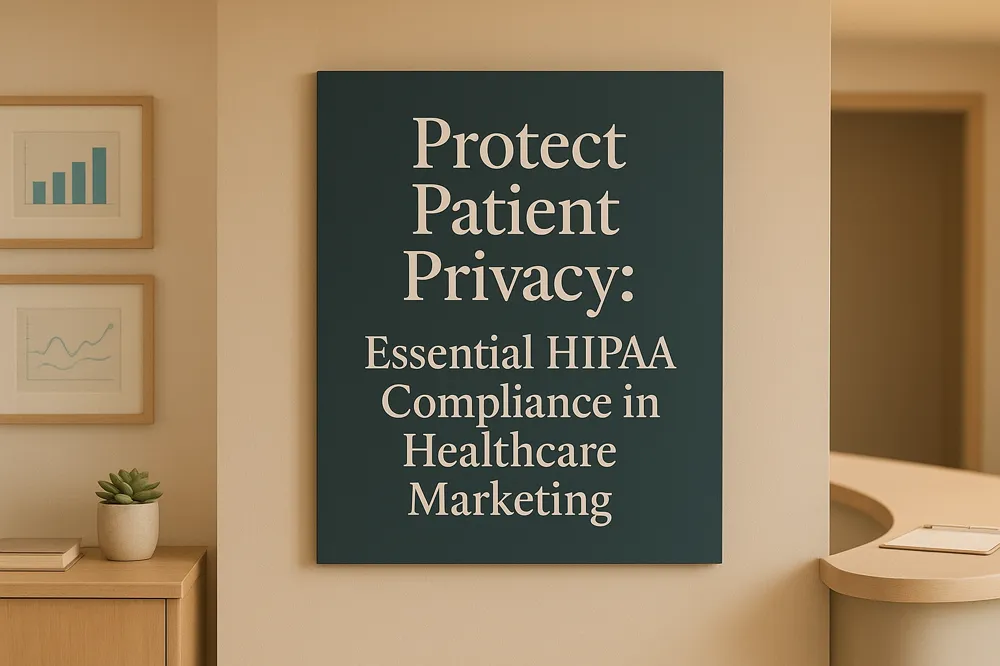
Compliance in healthcare marketing means following strict legal and ethical guidelines to protect patient privacy and ensure honest communication. The Health Insurance Portability and Accountability Act (HIPAA) sets standards for handling and sharing Protected Health Information (PHI), requiring explicit patient consent and the use of secure communication platforms. For healthcare organizations dealing with patients internationally, regulations like GDPR further mandate transparency and data protection. Maintaining compliance demands ongoing staff training, transparent privacy policies, and using tools designed to safeguard patient information. See HIPAA-Compliant Marketing Guide for more details.
How can healthcare providers ensure their marketing campaigns are HIPAA compliant?
Healthcare providers can maintain HIPAA compliance in marketing by obtaining explicit patient authorization before using any PHI. They should utilize secure communication technologies, including encryption and role-based access controls, to protect data during digital interactions. Partnering with vendors that sign Business Associate Agreements (BAAs) ensures third-party compliance with HIPAA standards. Developing comprehensive marketing policies that cover patient consent, opt-out options, and staff education is crucial for safeguarding privacy. Learn more about Healthcare marketing regulatory landscape.
What practices help avoid sharing identifiable patient information?
Avoiding the sharing of identifiable patient information, particularly on social media and in advertising, is critical. Patient testimonials or images should only be used with written informed consent. Anonymous and aggregated data should be employed for analytics and targeting to eliminate privacy risks. For more information, visit Protecting patient privacy in AI.
How do healthcare organizations navigate evolving legal regulations and state laws?
Healthcare marketing teams must stay informed on regulatory changes, including updates to federal HIPAA rules and varying state-level privacy laws. Regular audits and risk assessments help mitigate compliance risks. A multidisciplinary approach—engaging compliance officers, legal, IT, and marketing—ensures a secure, compliant data ecosystem. Explore best practices in Healthcare marketing compliance and regulations.
By adhering to these practices, healthcare organizations can build marketing campaigns that foster patient trust, ensure legal compliance, and support sustainable growth while protecting sensitive information securely.
Leveraging Social Media for Healthcare Marketing Success
How is social media used in healthcare marketing?
Social media serves as an indispensable channel for Healthcare social media marketing strategies, enabling organizations to share critical health information, raise awareness, and engage patients directly. Key platforms such as Facebook, Instagram, Twitter, YouTube, and TikTok facilitate dissemination of creating healthcare content, patient success stories, FAQs, and updates on health campaigns. These platforms help healthcare providers connect with diverse demographics by delivering relevant, timely, and patient-centered content.
Social media platforms essential for healthcare outreach
- Facebook & Instagram: Ideal for community building, patient support groups, and sharing testimonials.
- YouTube: Effective for detailed educational videos and patient testimonials.
- Twitter: Used for real-time updates and health awareness campaigns.
- TikTok: Engages younger demographics with short, impactful video content.
Creating informative, engaging patient-centered content
Healthcare marketers utilize social media to address common patient questions, dispel myths, and provide credible medical insights through engaging posts, videos, and infographics. Content that resonates emotionally fosters trust and encourages users to share, enhancing outreach organically. This approach aligns with best practices for creating healthcare content.
Building online communities and patient loyalty
Dedicated social media groups and pages help cultivate a sense of belonging and ongoing support among patients. Interactive features such as live Q&A sessions increase engagement and loyalty, which are critical for healthcare patient retention strategies and advocacy.
Social listening and reputation management tools
Tools like Hootsuite, Sprout Social, and Brandwatch enable healthcare organizations to monitor patient feedback, track sentiment, and respond promptly to concerns. Active reputation management in healthcare marketing strengthens trust and mitigates negative impacts from adverse reviews.
Partnering with healthcare influencers
Collaborations with respected medical professionals and patient advocates amplify authentic messaging and reach. Such partnerships must adhere to medical ethics and transparency to maintain credibility, consistent with authentic healthcare marketing 2025.
Mandates for HIPAA compliance and patient privacy
Strict adherence to HIPAA Compliance in Social Media is mandatory, especially when sharing patient stories or sensitive information. Social media communications must use de-identified data or secure explicit consent. Healthcare entities must implement compliance protocols to protect patient privacy and avoid legal risks.
Social media in healthcare marketing not only drives patient engagement but also builds lasting trust and enhances the patient experience, contributing significantly to measurable growth and reputation in healthcare organizations.
Key Digital Marketing Tactics: SEO, Content, and Local Strategies
What are the best digital marketing strategies for healthcare?
Effective healthcare digital marketing centers on a blend of targeted SEO optimization, engaging content marketing in healthcare, and strong local strategies that align with patient behaviors.
SEO Optimization and Local SEO Importance
SEO is fundamental for increasing online visibility. Healthcare providers must optimize for local search terms to capture high-intent patients looking for services nearby. Tools like Google Business Profile and healthcare directories such as Healthgrades improve local SEO for healthcare providers.
Content Marketing: Blogs, Videos, and FAQs
Creating educational and patient-centric content builds trust and authority. This can include blogs addressing common health concerns, videos showcasing provider expertise, and FAQs that clarify treatment options. Content marketing for healthcare also supports SEO by incorporating relevant keywords.
Website Optimization for Mobile and User Experience
A mobile-friendly, fast-loading website with intuitive navigation is essential. Seamless online appointment scheduling and patient portals enhance engagement and conversion rates by meeting modern patient expectations for convenience. These features reflect best practices in healthcare digital marketing.
Online Reputation Management and Review Solicitation
Reviews strongly influence patient choices. Proactively collecting and responding to patient reviews on social platforms and directories builds trust and improves SEO. Managing reputation management in healthcare ensures the practice remains competitive.
Utilizing Directories and Targeted Paid Advertising
Maintaining accurate profiles on directories aids patient discovery. Paid advertising, including retargeting campaigns, allows healthcare marketers to reach specific audiences with HIPAA-compliant, personalized messaging, improving Healthcare digital marketing strategy tips.
Together, these strategies create a connected digital ecosystem that nurtures patient relationships, drives growth, and supports measurable success in Healthcare digital marketing.
Data Analytics and Measuring ROI in Healthcare Digital Campaigns
Importance of Tracking Conversion Rates and Patient Acquisition Metrics
Tracking conversion rates is essential for understanding how effectively Healthcare digital marketing strategies turn website visitors into patients. Patient acquisition metrics, including appointment bookings and lead quality, provide concrete insights into campaign success and help justify marketing investments.
Analyzing Visitor Behavior and Funnel Engagement
Analyzing how visitors behave on landing pages and throughout the marketing funnel enables healthcare organizations to detect drop-off points and optimize educational content, email sequences, and retargeting efforts to nurture prospects effectively, as outlined in Building healthcare nurturing funnels.
Using Brand Lift and Treatment Awareness Metrics
Healthcare marketers increasingly measure brand lift, treatment awareness, and prescription intent to quantify campaign impact on patient perceptions and readiness to engage with healthcare services. These specialized metrics give a holistic view beyond simple clicks or impressions, supported by insights on Healthcare brand lift metrics.
Shifting from Attribution to Media Mix Modeling
Due to privacy regulations limiting traditional attribution methods, healthcare marketers are adopting media mix modeling to evaluate multiple channels simultaneously. Open-source tools help analyze complex data while respecting HIPAA compliance in digital healthcare marketing.
Centralizing Data Control with Compliant Analytics Tools
Controlling data collection internally or through HIPAA-Compliant Marketing Guide ensures quality and security. Multidisciplinary teams—including compliance, IT, legal, and marketing—collaborate to build secure data ecosystems that support accurate performance measurement.
Continuous Campaign Optimization Based on Performance Data
Regularly reviewing analytics allows marketers to refine targeting, messaging, and channel allocations. Ongoing optimization maximizes ROI and supports sustainable patient growth in the competitive US healthcare market. For detailed tactics on Optimizing healthcare marketing campaigns and Monitoring healthcare campaign metrics, healthcare organizations should adopt a data-driven approach to refine strategy continuously.
Showcasing Successful Healthcare Marketing Campaigns and Best Practices

What are examples of successful healthcare marketing campaigns?
Successful healthcare marketing campaigns 2026 exemplify the power of authentic storytelling, patient testimonials, and educational content combined with strategic community engagement.
Leading examples include the Cleveland Clinic's "Cleveland Clinic wellness app" campaign, which uses emotional narratives to emphasize patient-centered care and foster trust. Similarly, the Mayo Clinic employs a series of Mayo Clinic email campaigns with educational content pieces to position itself as a reliable medical authority, using targeted email campaigns and wellness apps that personalize personalized healthcare journeys.
Purpose-driven campaigns addressing diversity, equity, inclusion (DEI), and mental health are also prominent. Kaiser Permanente Care for All initiative and the "Your Mind Matters campaign" effectively raise awareness around mental health while promoting inclusiveness and cultural sensitivity.
These campaigns integrate community engagement through local events, virtual seminars, and support groups, fostering loyalty and trust at the grassroots level. For instance, Mount Sinai's "Mount Sinai Healthy Community Challenge" and Texas hospitals’ virtual seminars build community connections and promote health education.
Leveraging digital channels like blogs, videos, social media, and localized SEO further amplifies campaign reach and visibility. By combining relevant keywords with patient-centered content, healthcare providers enhance online discoverability, attracting high-value, informed patients.
Together, these best practices cultivate meaningful patient relationships, demonstrate compliance with healthcare marketing in regulated environments, and optimize campaign ROI in the highly regulated United States healthcare market.
Choosing the Right Healthcare Digital Marketing Agency
What should a healthcare organization look for in a digital marketing agency?
When selecting a digital marketing agency for a healthcare organization, it’s essential to find a partner with specialized experience in Healthcare digital marketing and a proven record of generating measurable ROI. Agencies should demonstrate expertise in compliance, particularly with HIPAA compliance in digital healthcare marketing, ensuring patient data privacy and ethical marketing practices.
Proficiency in healthcare-specific digital strategies is crucial. This includes effective SEO targeting local and patient-centered queries, paid search campaigns designed to attract high-intent healthcare consumers, and reputation management in healthcare marketing to leverage online reviews, which influence nearly half of patient decisions. Understanding the complex Healthcare software buying committees—such as physicians, executives, and office managers—and aligning campaigns to these stakeholders ensures messaging resonates and conversion improves.
Capabilities in managing multichannel marketing campaigns across web, social media, email, and digital advertising enable agencies to engage patients and providers throughout the care journey, enhancing both acquisition and retention.
Lastly, assessing an agency’s industry recognition and thought leadership provides confidence in their professionalism and innovation. Agencies that share insights, case studies, and successful campaign outcomes reflect reliability and a forward-thinking approach necessary in the competitive U.S. healthcare market.
Choosing an agency with these qualities supports sustainable growth, compliance adherence, and a positive return on marketing investment for healthcare organizations.
Emerging Technologies and Trends Shaping Healthcare Digital Marketing

Rise of Telehealth and Mobile-Optimized Experiences
Telehealth has become a critical component of healthcare delivery, accelerated by pandemic influences and patient demand for remote access. With a 63-fold increase in telehealth usage in the U.S., healthcare providers are prioritizing mobile-responsive healthcare sites and online scheduling and patient portals to enhance patient engagement and accessibility. Mobile optimization facilitates seamless online appointment scheduling, telehealth sessions, and patient communications—all crucial for meeting modern patient expectations and improving care convenience.
Use of AI for Personalization and Compliance Monitoring
Artificial intelligence (AI) is transforming healthcare digital marketing by enabling hyper-personalized patient journeys based on first-party data. AI tools also assist compliance monitoring using AI in healthcare marketing, particularly regarding HIPAA regulations—ensuring data anonymity and reducing risks associated with data handling. Ethical AI deployment emphasizes human oversight to maintain accuracy while automating personalized content delivery, campaign management, and privacy audits.
Contextual Advertising to Avoid Cookie Reliance
With heightened privacy regulations and reduced third-party tracking fidelity due to legal and platform policy changes, contextual advertising in healthcare has gained importance. This approach targets audiences by the content they engage with rather than relying on cookies or IP addresses, ensuring HIPAA-compliant advertising strategies that safeguard patient privacy while maintaining ad relevance.
Growth in Connected TV (CTV) and Digital Out-of-Home (DOOH) Advertising
CTV advertising for healthcare provides healthcare marketers highly targeted, data-driven audience reach beyond traditional television, especially engaging older demographics. Meanwhile, Digital Out-of-Home advertising in medical settings strategically placed in healthcare environments like physician offices and hospitals influences patients during key moments of the decision-making process. Both channels complement traditional and digital efforts by reinforcing brand awareness and patient education.
Importance of Multi-Channel Programmatic Strategies
Healthcare organizations are adopting multi-channel programmatic healthcare strategies that integrate native, video, audio podcast, CTV, DOOH, and social media ads. This diversified approach boosts message reach, targeting specific demographics effectively while navigating complex privacy laws. The coordinated use of channels supports continuous patient engagement and brand consistency across the healthcare journey.
Embracing New Digital Tools Like Chatbots and Voice Search
Emerging technologies such as AI-powered chatbots improve patient interactions by offering instant assistance for appointment scheduling, FAQs, and health guidance. Voice search in healthcare optimization addresses increasing patient use of smart devices to seek healthcare information, enabling providers to remain visible and accessible in evolving digital search landscapes. Incorporating these tools enhances user experience, drives engagement, and meets modern patient expectations.
Building Trust and Ethical Foundations in Healthcare Marketing
What are examples of ethical versus unethical healthcare marketing campaigns?
Ethical healthcare marketing campaigns prioritize honesty, transparency, and adherence to regulatory standards, ensuring patients receive accurate, clear information. Such campaigns truthfully disclose potential risks and do not overstate benefits. For example, advertisements that provide balanced facts, including possible side effects or limitations, exemplify ethical marketing.
Unethical campaigns often exploit emotional appeals, use misleading visuals, or omit critical safety information. Some hospital campaigns have highlighted their advanced technology to attract patients but failed to share essential safety or clinical efficacy details. Legal cases like the Vibram lawsuit underscore the consequences of false health claims, which damage public trust and invite regulatory scrutiny.
Why is transparency and truthful messaging important in healthcare marketing?
Transparency builds credibility and trust with patients, who often conduct extensive online research before choosing providers or treatments. Honest messaging helps patients make informed decisions and fosters long-term loyalty. In a highly regulated healthcare marketing environment, truthful communication ensures compliance with laws such as HIPAA and FDA advertising standards, reducing legal risks.
How can healthcare marketers avoid misleading claims and respect patient privacy?
Marketers should avoid exaggerations, unsupported claims, and omit no critical information. Employing clear, concise language and avoiding overly promotional tones supports ethical outreach.
Respecting patient privacy requires strict adherence to HIPAA and related regulations. This includes securing explicit consent before sharing patient stories or data and ensuring that digital marketing tools protect personal health information throughout engagement channels.
What role does training teams for ethical compliance play?
Training enables marketing teams to understand current laws, compliance requirements, and ethical standards. Health organizations should involve multidisciplinary teams—including legal, compliance, and IT experts—to guide campaign development. Ongoing education helps staff recognize and prevent unethical marketing practices and manage patient data responsibly.
How does ethical marketing impact patient trust and brand reputation?
Ethical marketing enhances patient trust, which is critical for retention and referral growth. Transparent practices differentiate brands in competitive markets and mitigate reputational risks associated with misleading communication or privacy violations. Ultimately, ethical marketing supports sustained patient engagement and strengthens organizational credibility in the healthcare ecosystem.
Conclusion: Crafting Compliant, Patient-Centered Healthcare Marketing Campaigns
Integrating Compliance, Technology, and Patient Needs
Effective healthcare marketing must balance regulatory compliance, such as HIPAA and FDA standards, with advanced digital tools to create personalized, patient-focused experiences. Embracing privacy-conscious technologies like contextual advertising and first-party data collection ensures legal adherence while enhancing message relevance.
Continuous Measurement and Strategy Refinement
Regular monitoring of campaign metrics—including conversion rates, website traffic, and patient engagement—enables healthcare organizations to optimize marketing efforts dynamically. Utilizing multi-channel analytics supports informed decisions to increase ROI and patient acquisition.
Partnering With Specialized Healthcare Marketing Agencies
Collaborating with agencies experienced in healthcare regulations and digital marketing strategy can enhance campaign effectiveness. Such partnerships provide expertise in navigating compliance complexities, data-driven targeting, and multi-channel programmatic advertising for sustained patient growth.
Embracing Ethical Marketing Practices
Authenticity and transparency build trust with healthcare consumers. Prioritizing patient privacy, providing clear communication, and using educational content foster long-term relationships and position providers as reliable partners in health management.
By combining these elements, healthcare organizations can design strategic marketing campaigns that drive growth, nurture patient engagement, and uphold the highest standards of compliance and ethics.
Introduction to Healthcare Digital Marketing Strategies
Defining Healthcare Digital Marketing
Healthcare digital marketing leverages online platforms such as search engines, social media, email, and websites to attract, engage, and retain patients. It is designed to promote healthcare providers’ medical services and improve patient accessibility, delivering tailored content that meets the needs of diverse audiences across the United States.
Patient-Centered and Data-Driven Approaches
Modern healthcare marketing emphasizes a patient-centered strategy, focusing on personalized communication using first-party data. Organizations craft detailed buyer personas and customized messaging to address specific patient concerns and decision-maker roles within healthcare systems. This enhances patient trust and nurtures long-term engagement.
Key Digital Marketing Channels
Healthcare marketers use a multi-channel digital framework, including search engine optimization (SEO), social media engagement, email campaigns, targeted advertisements, and website optimization. These channels collectively support targeted outreach, education, appointment scheduling, and reputation management.
Compliance and Privacy Regulations
Strict regulatory compliance with HIPAA and other privacy laws is foundational in healthcare digital marketing. Ensuring secure data handling, consent management, and privacy-compliant messaging protects patient information and avoids legal risks, while aligning with industry standards.
Growing Investment in Digital Healthcare Marketing
The healthcare industry is significantly increasing its digital advertising budget, with US B2B digital ad spend projected to reach $18.3 billion in 2024 and $23-$25 billion by 2026. This reflects the ongoing shift toward digital channels as essential growth drivers for patient acquisition and engagement in a competitive healthcare landscape.
Core Components of an Effective Healthcare Digital Marketing Strategy
What is the digital marketing strategy for healthcare?
Healthcare digital marketing involves employing strategic, data-driven approaches across channels like web, social media, email, and SMS to attract and retain high-value patients. It emphasizes patient-centered messaging, personalized experiences, and seamless online interactions such as scheduling and education, which are increasingly expected by consumers.
Strategic use of web, social media, email, SMS channels
Effective healthcare digital marketing integrates multiple digital channels to create cohesive patient experiences. A professional healthcare website serves as the foundation, enabling online scheduling, patient portals, and educational content. Social media platforms like Facebook, Instagram, and LinkedIn facilitate engagement with diverse patient demographics through informative posts and community-building.
Email and SMS campaigns offer personalized communication for appointment reminders, health tips, and service promotions, contributing to stronger healthcare patient retention strategies and engagement.
Creating detailed buyer personas and tailoring messaging
Understanding the roles and pain points of each healthcare decision-maker is essential. Developing healthcare buyer personas help marketers design targeted messaging for various stakeholders such as physicians, hospital executives, or office managers. By addressing specific concerns and aligning messages to buyer journeys, campaigns can increase conversion rates and trust.
Importance of personalized patient communication
Patients increasingly expect personalized healthcare digital journeys that acknowledge their unique health needs and preferences. Using first-party data to tailor communications across digital touchpoints improves patient satisfaction and engagement, leading to higher lifetime value and loyalty.
Building nurturing funnels with educational content
Following initial engagement, nurturing prospects through educational content for patients —such as blogs, videos, and email sequences—is critical. This approach supports patients and healthcare buyers at every stage, building trust and aiding informed decision-making.
Alignment with patient decision-making processes
Healthcare purchasing cycles are complex and often involve multiple stakeholders. Timing software demos effectively and Building healthcare nurturing funnels to coincide with stages of research and evaluation ensures maximum impact. Rushing demos or outreach risks disengagement, while a well-paced content funnel fosters confidence and conversion.
By combining these components, healthcare providers can execute effective, HIPAA-compliant digital marketing strategies that drive patient growth and build lasting relationships.
Ensuring HIPAA Compliance in Healthcare Marketing Campaigns
What is compliance in healthcare marketing?
Compliance in healthcare marketing means following strict legal and ethical guidelines to protect patient privacy and ensure honest communication. The Health Insurance Portability and Accountability Act (HIPAA) sets standards for handling and sharing Protected Health Information (PHI), requiring explicit patient consent and the use of secure communication platforms. For healthcare organizations dealing with patients internationally, regulations like GDPR further mandate transparency and data protection. Maintaining compliance demands ongoing staff training, transparent privacy policies, and using tools designed to safeguard patient information. See HIPAA-Compliant Marketing Guide for more details.
How can healthcare providers ensure their marketing campaigns are HIPAA compliant?
Healthcare providers can maintain HIPAA compliance in marketing by obtaining explicit patient authorization before using any PHI. They should utilize secure communication technologies, including encryption and role-based access controls, to protect data during digital interactions. Partnering with vendors that sign Business Associate Agreements (BAAs) ensures third-party compliance with HIPAA standards. Developing comprehensive marketing policies that cover patient consent, opt-out options, and staff education is crucial for safeguarding privacy. Learn more about Healthcare marketing regulatory landscape.
What practices help avoid sharing identifiable patient information?
Avoiding the sharing of identifiable patient information, particularly on social media and in advertising, is critical. Patient testimonials or images should only be used with written informed consent. Anonymous and aggregated data should be employed for analytics and targeting to eliminate privacy risks. For more information, visit Protecting patient privacy in AI.
How do healthcare organizations navigate evolving legal regulations and state laws?
Healthcare marketing teams must stay informed on regulatory changes, including updates to federal HIPAA rules and varying state-level privacy laws. Regular audits and risk assessments help mitigate compliance risks. A multidisciplinary approach—engaging compliance officers, legal, IT, and marketing—ensures a secure, compliant data ecosystem. Explore best practices in Healthcare marketing compliance and regulations.
By adhering to these practices, healthcare organizations can build marketing campaigns that foster patient trust, ensure legal compliance, and support sustainable growth while protecting sensitive information securely.
Leveraging Social Media for Healthcare Marketing Success
How is social media used in healthcare marketing?
Social media serves as an indispensable channel for Healthcare social media marketing strategies, enabling organizations to share critical health information, raise awareness, and engage patients directly. Key platforms such as Facebook, Instagram, Twitter, YouTube, and TikTok facilitate dissemination of creating healthcare content, patient success stories, FAQs, and updates on health campaigns. These platforms help healthcare providers connect with diverse demographics by delivering relevant, timely, and patient-centered content.
Social media platforms essential for healthcare outreach
- Facebook & Instagram: Ideal for community building, patient support groups, and sharing testimonials.
- YouTube: Effective for detailed educational videos and patient testimonials.
- Twitter: Used for real-time updates and health awareness campaigns.
- TikTok: Engages younger demographics with short, impactful video content.
Creating informative, engaging patient-centered content
Healthcare marketers utilize social media to address common patient questions, dispel myths, and provide credible medical insights through engaging posts, videos, and infographics. Content that resonates emotionally fosters trust and encourages users to share, enhancing outreach organically. This approach aligns with best practices for creating healthcare content.
Building online communities and patient loyalty
Dedicated social media groups and pages help cultivate a sense of belonging and ongoing support among patients. Interactive features such as live Q&A sessions increase engagement and loyalty, which are critical for healthcare patient retention strategies and advocacy.
Social listening and reputation management tools
Tools like Hootsuite, Sprout Social, and Brandwatch enable healthcare organizations to monitor patient feedback, track sentiment, and respond promptly to concerns. Active reputation management in healthcare marketing strengthens trust and mitigates negative impacts from adverse reviews.
Partnering with healthcare influencers
Collaborations with respected medical professionals and patient advocates amplify authentic messaging and reach. Such partnerships must adhere to medical ethics and transparency to maintain credibility, consistent with authentic healthcare marketing 2025.
Mandates for HIPAA compliance and patient privacy
Strict adherence to HIPAA Compliance in Social Media is mandatory, especially when sharing patient stories or sensitive information. Social media communications must use de-identified data or secure explicit consent. Healthcare entities must implement compliance protocols to protect patient privacy and avoid legal risks.
Social media in healthcare marketing not only drives patient engagement but also builds lasting trust and enhances the patient experience, contributing significantly to measurable growth and reputation in healthcare organizations.
Key Digital Marketing Tactics: SEO, Content, and Local Strategies
What are the best digital marketing strategies for healthcare?
Effective healthcare digital marketing centers on a blend of targeted SEO optimization, engaging content marketing in healthcare, and strong local strategies that align with patient behaviors.
SEO Optimization and Local SEO Importance
SEO is fundamental for increasing online visibility. Healthcare providers must optimize for local search terms to capture high-intent patients looking for services nearby. Tools like Google Business Profile and healthcare directories such as Healthgrades improve local SEO for healthcare providers.
Content Marketing: Blogs, Videos, and FAQs
Creating educational and patient-centric content builds trust and authority. This can include blogs addressing common health concerns, videos showcasing provider expertise, and FAQs that clarify treatment options. Content marketing for healthcare also supports SEO by incorporating relevant keywords.
Website Optimization for Mobile and User Experience
A mobile-friendly, fast-loading website with intuitive navigation is essential. Seamless online appointment scheduling and patient portals enhance engagement and conversion rates by meeting modern patient expectations for convenience. These features reflect best practices in healthcare digital marketing.
Online Reputation Management and Review Solicitation
Reviews strongly influence patient choices. Proactively collecting and responding to patient reviews on social platforms and directories builds trust and improves SEO. Managing reputation management in healthcare ensures the practice remains competitive.
Utilizing Directories and Targeted Paid Advertising
Maintaining accurate profiles on directories aids patient discovery. Paid advertising, including retargeting campaigns, allows healthcare marketers to reach specific audiences with HIPAA-compliant, personalized messaging, improving Healthcare digital marketing strategy tips.
Together, these strategies create a connected digital ecosystem that nurtures patient relationships, drives growth, and supports measurable success in Healthcare digital marketing.
Data Analytics and Measuring ROI in Healthcare Digital Campaigns
Importance of Tracking Conversion Rates and Patient Acquisition Metrics
Tracking conversion rates is essential for understanding how effectively Healthcare digital marketing strategies turn website visitors into patients. Patient acquisition metrics, including appointment bookings and lead quality, provide concrete insights into campaign success and help justify marketing investments.
Analyzing Visitor Behavior and Funnel Engagement
Analyzing how visitors behave on landing pages and throughout the marketing funnel enables healthcare organizations to detect drop-off points and optimize educational content, email sequences, and retargeting efforts to nurture prospects effectively, as outlined in Building healthcare nurturing funnels.
Using Brand Lift and Treatment Awareness Metrics
Healthcare marketers increasingly measure brand lift, treatment awareness, and prescription intent to quantify campaign impact on patient perceptions and readiness to engage with healthcare services. These specialized metrics give a holistic view beyond simple clicks or impressions, supported by insights on Healthcare brand lift metrics.
Shifting from Attribution to Media Mix Modeling
Due to privacy regulations limiting traditional attribution methods, healthcare marketers are adopting media mix modeling to evaluate multiple channels simultaneously. Open-source tools help analyze complex data while respecting HIPAA compliance in digital healthcare marketing.
Centralizing Data Control with Compliant Analytics Tools
Controlling data collection internally or through HIPAA-Compliant Marketing Guide ensures quality and security. Multidisciplinary teams—including compliance, IT, legal, and marketing—collaborate to build secure data ecosystems that support accurate performance measurement.
Continuous Campaign Optimization Based on Performance Data
Regularly reviewing analytics allows marketers to refine targeting, messaging, and channel allocations. Ongoing optimization maximizes ROI and supports sustainable patient growth in the competitive US healthcare market. For detailed tactics on Optimizing healthcare marketing campaigns and Monitoring healthcare campaign metrics, healthcare organizations should adopt a data-driven approach to refine strategy continuously.
Showcasing Successful Healthcare Marketing Campaigns and Best Practices
What are examples of successful healthcare marketing campaigns?
Successful healthcare marketing campaigns 2026 exemplify the power of authentic storytelling, patient testimonials, and educational content combined with strategic community engagement.
Leading examples include the Cleveland Clinic's "Cleveland Clinic wellness app" campaign, which uses emotional narratives to emphasize patient-centered care and foster trust. Similarly, the Mayo Clinic employs a series of Mayo Clinic email campaigns with educational content pieces to position itself as a reliable medical authority, using targeted email campaigns and wellness apps that personalize personalized healthcare journeys.
Purpose-driven campaigns addressing diversity, equity, inclusion (DEI), and mental health are also prominent. Kaiser Permanente Care for All initiative and the "Your Mind Matters campaign" effectively raise awareness around mental health while promoting inclusiveness and cultural sensitivity.
These campaigns integrate community engagement through local events, virtual seminars, and support groups, fostering loyalty and trust at the grassroots level. For instance, Mount Sinai's "Mount Sinai Healthy Community Challenge" and Texas hospitals’ virtual seminars build community connections and promote health education.
Leveraging digital channels like blogs, videos, social media, and localized SEO further amplifies campaign reach and visibility. By combining relevant keywords with patient-centered content, healthcare providers enhance online discoverability, attracting high-value, informed patients.
Together, these best practices cultivate meaningful patient relationships, demonstrate compliance with healthcare marketing in regulated environments, and optimize campaign ROI in the highly regulated United States healthcare market.
Choosing the Right Healthcare Digital Marketing Agency
What should a healthcare organization look for in a digital marketing agency?
When selecting a digital marketing agency for a healthcare organization, it’s essential to find a partner with specialized experience in Healthcare digital marketing and a proven record of generating measurable ROI. Agencies should demonstrate expertise in compliance, particularly with HIPAA compliance in digital healthcare marketing, ensuring patient data privacy and ethical marketing practices.
Proficiency in healthcare-specific digital strategies is crucial. This includes effective SEO targeting local and patient-centered queries, paid search campaigns designed to attract high-intent healthcare consumers, and reputation management in healthcare marketing to leverage online reviews, which influence nearly half of patient decisions. Understanding the complex Healthcare software buying committees—such as physicians, executives, and office managers—and aligning campaigns to these stakeholders ensures messaging resonates and conversion improves.
Capabilities in managing multichannel marketing campaigns across web, social media, email, and digital advertising enable agencies to engage patients and providers throughout the care journey, enhancing both acquisition and retention.
Lastly, assessing an agency’s industry recognition and thought leadership provides confidence in their professionalism and innovation. Agencies that share insights, case studies, and successful campaign outcomes reflect reliability and a forward-thinking approach necessary in the competitive U.S. healthcare market.
Choosing an agency with these qualities supports sustainable growth, compliance adherence, and a positive return on marketing investment for healthcare organizations.
Emerging Technologies and Trends Shaping Healthcare Digital Marketing
Rise of Telehealth and Mobile-Optimized Experiences
Telehealth has become a critical component of healthcare delivery, accelerated by pandemic influences and patient demand for remote access. With a 63-fold increase in telehealth usage in the U.S., healthcare providers are prioritizing mobile-responsive healthcare sites and online scheduling and patient portals to enhance patient engagement and accessibility. Mobile optimization facilitates seamless online appointment scheduling, telehealth sessions, and patient communications—all crucial for meeting modern patient expectations and improving care convenience.
Use of AI for Personalization and Compliance Monitoring
Artificial intelligence (AI) is transforming healthcare digital marketing by enabling hyper-personalized patient journeys based on first-party data. AI tools also assist compliance monitoring using AI in healthcare marketing, particularly regarding HIPAA regulations—ensuring data anonymity and reducing risks associated with data handling. Ethical AI deployment emphasizes human oversight to maintain accuracy while automating personalized content delivery, campaign management, and privacy audits.
Contextual Advertising to Avoid Cookie Reliance
With heightened privacy regulations and reduced third-party tracking fidelity due to legal and platform policy changes, contextual advertising in healthcare has gained importance. This approach targets audiences by the content they engage with rather than relying on cookies or IP addresses, ensuring HIPAA-compliant advertising strategies that safeguard patient privacy while maintaining ad relevance.
Growth in Connected TV (CTV) and Digital Out-of-Home (DOOH) Advertising
CTV advertising for healthcare provides healthcare marketers highly targeted, data-driven audience reach beyond traditional television, especially engaging older demographics. Meanwhile, Digital Out-of-Home advertising in medical settings strategically placed in healthcare environments like physician offices and hospitals influences patients during key moments of the decision-making process. Both channels complement traditional and digital efforts by reinforcing brand awareness and patient education.
Importance of Multi-Channel Programmatic Strategies
Healthcare organizations are adopting multi-channel programmatic healthcare strategies that integrate native, video, audio podcast, CTV, DOOH, and social media ads. This diversified approach boosts message reach, targeting specific demographics effectively while navigating complex privacy laws. The coordinated use of channels supports continuous patient engagement and brand consistency across the healthcare journey.
Embracing New Digital Tools Like Chatbots and Voice Search
Emerging technologies such as AI-powered chatbots improve patient interactions by offering instant assistance for appointment scheduling, FAQs, and health guidance. Voice search in healthcare optimization addresses increasing patient use of smart devices to seek healthcare information, enabling providers to remain visible and accessible in evolving digital search landscapes. Incorporating these tools enhances user experience, drives engagement, and meets modern patient expectations.
Building Trust and Ethical Foundations in Healthcare Marketing
What are examples of ethical versus unethical healthcare marketing campaigns?
Ethical healthcare marketing campaigns prioritize honesty, transparency, and adherence to regulatory standards, ensuring patients receive accurate, clear information. Such campaigns truthfully disclose potential risks and do not overstate benefits. For example, advertisements that provide balanced facts, including possible side effects or limitations, exemplify ethical marketing.
Unethical campaigns often exploit emotional appeals, use misleading visuals, or omit critical safety information. Some hospital campaigns have highlighted their advanced technology to attract patients but failed to share essential safety or clinical efficacy details. Legal cases like the Vibram lawsuit underscore the consequences of false health claims, which damage public trust and invite regulatory scrutiny.
Why is transparency and truthful messaging important in healthcare marketing?
Transparency builds credibility and trust with patients, who often conduct extensive online research before choosing providers or treatments. Honest messaging helps patients make informed decisions and fosters long-term loyalty. In a highly regulated healthcare marketing environment, truthful communication ensures compliance with laws such as HIPAA and FDA advertising standards, reducing legal risks.
How can healthcare marketers avoid misleading claims and respect patient privacy?
Marketers should avoid exaggerations, unsupported claims, and omit no critical information. Employing clear, concise language and avoiding overly promotional tones supports ethical outreach.
Respecting patient privacy requires strict adherence to HIPAA and related regulations. This includes securing explicit consent before sharing patient stories or data and ensuring that digital marketing tools protect personal health information throughout engagement channels.
What role does training teams for ethical compliance play?
Training enables marketing teams to understand current laws, compliance requirements, and ethical standards. Health organizations should involve multidisciplinary teams—including legal, compliance, and IT experts—to guide campaign development. Ongoing education helps staff recognize and prevent unethical marketing practices and manage patient data responsibly.
How does ethical marketing impact patient trust and brand reputation?
Ethical marketing enhances patient trust, which is critical for retention and referral growth. Transparent practices differentiate brands in competitive markets and mitigate reputational risks associated with misleading communication or privacy violations. Ultimately, ethical marketing supports sustained patient engagement and strengthens organizational credibility in the healthcare ecosystem.
Conclusion: Crafting Compliant, Patient-Centered Healthcare Marketing Campaigns
Integrating Compliance, Technology, and Patient Needs
Effective healthcare marketing must balance regulatory compliance, such as HIPAA and FDA standards, with advanced digital tools to create personalized, patient-focused experiences. Embracing privacy-conscious technologies like contextual advertising and first-party data collection ensures legal adherence while enhancing message relevance.
Continuous Measurement and Strategy Refinement
Regular monitoring of campaign metrics—including conversion rates, website traffic, and patient engagement—enables healthcare organizations to optimize marketing efforts dynamically. Utilizing multi-channel analytics supports informed decisions to increase ROI and patient acquisition.
Partnering With Specialized Healthcare Marketing Agencies
Collaborating with agencies experienced in healthcare regulations and digital marketing strategy can enhance campaign effectiveness. Such partnerships provide expertise in navigating compliance complexities, data-driven targeting, and multi-channel programmatic advertising for sustained patient growth.
Embracing Ethical Marketing Practices
Authenticity and transparency build trust with healthcare consumers. Prioritizing patient privacy, providing clear communication, and using educational content foster long-term relationships and position providers as reliable partners in health management.
By combining these elements, healthcare organizations can design strategic marketing campaigns that drive growth, nurture patient engagement, and uphold the highest standards of compliance and ethics.