.png)


The Critical Role of Website Redesign in Modern Healthcare Delivery
Importance of Digital Presence in Healthcare
A professional and strategically designed digital presence is essential for healthcare organizations to engage patients effectively and enhance clinical workflows. Given that over 64% of adults conduct health-related queries online, the healthcare website serves as a crucial initial point of contact, shaping patients’ perceptions of quality, trust, and reliability.
Patient Expectations for Digital Services
Modern patients operate with a 'digital-first' mindset, expecting streamlined online services such as appointment scheduling, access to electronic medical records, and automated forms. These functionalities directly influence patient satisfaction and retention, aligning healthcare practices with contemporary consumer behaviors.
Mobile Optimization Necessity
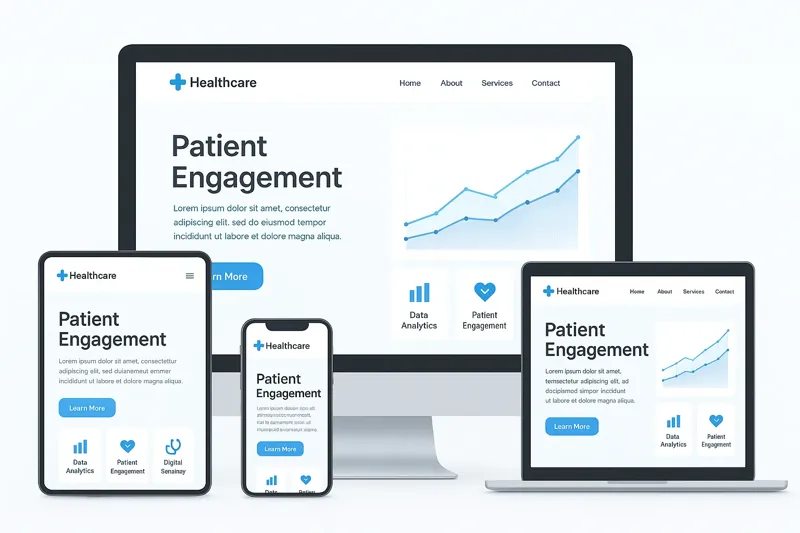
With more than 91% of U.S. adults owning smartphones and over half of healthcare information searches occurring via mobile devices, mobile optimization is no longer optional. A responsive, mobile-friendly design ensures accessibility, accommodates various device sizes, and significantly improves user experience.
Impact of Website Performance on Patient Trust and Engagement
Website speed and functionality critically affect patient engagement metrics. Slow-loading sites or poorly optimized mobile interfaces can deter potential patients, driving them to competitors. Conversely, fast, secure, and user-friendly healthcare websites foster patient trust and increase appointment conversions, directly contributing to practice growth and patient satisfaction.
Understanding Patient Needs and Personas for Effective Redesigns

Developing Target Patient Personas
Creating detailed patient personas is foundational for healthcare website redesign strategies. These personas should encompass demographics such as age, gender, and location, alongside patient preferences, concerns, and common health questions. Understanding these characteristics enables tailored content and features that resonate with real patient needs.
Audience Demographics and Preferences
Healthcare audiences vary widely—from younger, digitally savvy patients who expect online appointment booking importance and mobile optimization for healthcare sites, to older adults who may prioritize Healthcare Website Accessibility and clear navigation. Identifying these segments helps in designing websites that accommodate diverse user behaviors and expectations.
Strategic Content Alignment with Patient Questions and Concerns
Aligning website content strategically around frequent patient inquiries and health conditions improves engagement. Content marketing for healthcare topics, including blogs and FAQs, should address symptoms, treatments, and provider expertise to position the organization as a trustworthy authority.
Mapping Patient Journey for Website Features
Mapping the patient journey helps in prioritizing website functionalities like appointment booking, telehealth access, patient portals, and educational resources. Anticipating touchpoints in this journey ensures the website supports efficient, user-friendly interactions driving both retention and acquisition. This involves implementing user interaction tools on hospital websites and Telehealth Integration on Healthcare Websites.
Effective Digital Marketing Strategies for Healthcare Websites
Effective digital marketing begins with deep audience insights gained via personas. This enables tailored Boosting Healthcare SEO Strategy, targeted content creation, and selective Healthcare digital marketing strategies. Meeting patient preferences through relevant digital touchpoints enhances trust, engagement, and conversion across channels.
Conducting Comprehensive Site Audits and Content Strategy

Importance of a Comprehensive Site Audit
Conducting a thorough site audit for healthcare websites is a foundational step in healthcare website redesign. Assessing key areas such as website performance, mobile responsiveness, branding consistency, and SEO capabilities ensures the site meets modern standards and patient expectations. This evaluation identifies technical gaps, usability issues, and content deficiencies that can negatively impact patient engagement and search engine rankings.
Content Evaluation and Keyword Gap Analysis
Evaluating existing website content involves reviewing accuracy, relevance, and alignment with target patient personas. This includes identifying outdated or duplicate content that could detract from user experience and SEO effectiveness. Conducting a keyword gap analysis helps to uncover missed opportunities for capturing important search queries and improves visibility in local and organic search results.
Clearing Outdated Content and SEO Best Practices
Removing or updating obsolete content is critical to maintaining trust and credibility. Content should be optimized using healthcare SEO best practices, including proper keyword utilization, meta descriptions, structured data, and mobile-friendly formatting. This approach enhances site discoverability and aligns with evolving search engine algorithms.
Strategizing Content for Patient Education and Engagement
Developing a clear content strategy focuses on providing valuable, medically accurate information tailored to patient needs and decision-making processes. Educational blogs, condition-specific pages, and frequently updated resources foster patient trust and encourage interaction. The content must also align with healthcare regulations and incorporate engaging formats such as videos and infographics for improved reach and retention.
Ensuring Compliance: HIPAA, ADA, and Accessibility Standards

What are the HIPAA requirements for websites handling PHI?
Healthcare websites that collect, store, or transmit Protected Health Information (PHI) must strictly comply with HIPAA compliance for healthcare websites. This includes implementing TLS encryption (HTTPS) for all data transmissions, securing online forms such as appointment requests and patient portals, and maintaining access controls and audit logs to monitor data access. PHI extends beyond traditional medical records to include identifiers like IP addresses and device IDs, necessitating comprehensive security measures as detailed in HIPAA compliant website guide.
How to ensure HIPAA-compliant hosting and third-party integrations?
Websites must be hosted on HIPAA-compliant platforms that provide Business Associate Agreements (BAAs), such as AWS HIPAA-eligible services or TrueVault. Third-party tools like scheduling systems, CRM platforms, and analytics must also meet encryption and security standards to prevent unauthorized PHI exposure. Vendors are required to support encrypted data transfer, role-based access, and regular security audits to maintain HIPAA compliance. More on these practices can be found under HIPAA compliance in healthcare website optimization.
What are the ADA and WCAG compliance requirements for healthcare websites?
Healthcare websites must conform to ADA and WCAG 2.1 (or 2.2) Level AA standards to guarantee accessibility for users with disabilities. Compliance involves ensuring keyboard navigability, text-to-speech compatibility, sufficient color contrast, alt-text for images, and accessible forms. These standards improve usability for patients with visual, auditory, cognitive, or motor impairments, enhancing equitable healthcare access as emphasized in Healthcare Website Accessibility Laws and ADA compliance essentials. For further in-depth guidance see Healthcare Website Accessibility.
Why is compliance critical for avoiding legal risks and enhancing patient trust?
Non-compliance with HIPAA and ADA can result in severe penalties, including fines up to $1.5 million per violation, legal challenges, and reputational damage. Fully compliant websites signal a healthcare provider’s commitment to patient privacy and accessibility, fostering trust and confidence. Accessibility improvements also boost SEO and user experience, contributing to higher patient engagement and retention, as discussed in Healthcare Website Compliance and Healthcare website redesign best practices.
By integrating these compliance priorities into healthcare website redesigns, organizations align with regulatory standards while creating secure, inclusive, and trustworthy digital front doors for patients following Healthcare website redesign benefits.
Optimizing Website Performance and Mobile Experience

Why Are Fast Load Times and Mobile Responsiveness Crucial for Healthcare Websites?
A healthcare website's speed and mobile accessibility directly influence patient engagement and satisfaction. With over 91% of U.S. adults owning smartphones, and more than 60% of healthcare searches performed on mobile devices, slow load times and poor Mobile optimization for healthcare sites can lead to patients abandoning the site. Sites taking longer than three seconds to load often lose patient interest, negatively affecting appointment bookings and overall trust.
How Do Mobile Usage Trends Affect Patient Behavior?
Patients increasingly expect seamless mobile experiences when searching for health information, booking appointments, or accessing patient portals. Nearly half of all healthcare appointments are scheduled outside regular office hours online, reflecting a demand for 24/7 accessibility. Mobile Optimization for Healthcare Websites enhance convenience, reduce administrative burdens, and support a digital-first mindset prevalent among patients.
What Technical Optimizations Improve Website Speed and Performance?
Key strategies for optimizing healthcare websites include:
- Content Delivery Networks (CDNs): Distribute website content globally to accelerate loading times regardless of user location.
- Image Compression: Reducing image file sizes without quality loss speeds up page rendering.
- Browser Caching: Stores website data temporarily on users’ devices to facilitate quicker repeat visits.
- Minifying Code: Compressing CSS, JavaScript, and HTML files to reduce load size.
Such optimizations not only enhance user experience but are pivotal for SEO, as Healthcare SEO trends 2025 favor fast, mobile-responsive sites in rankings.
How Do Speed Enhancements Impact SEO and User Retention?
Faster load times correlate with increased organic traffic, lower bounce rates, and higher engagement times—key Metrics for healthcare website success providers seeking to grow patient volume. Google prioritizes mobile-friendly, quickly loading websites, boosting visibility in search results. Improved performance fosters patient trust and increases the likelihood of conversions such as appointment bookings.
In conclusion, prioritizing website speed and mobile experience is a strategic imperative in Healthcare digital marketing strategies, directly affecting patient acquisition, engagement, and retention in an increasingly competitive landscape.
Implementing Seamless Patient Engagement Features
Online Appointment Scheduling and Automated Forms
Modern healthcare websites must offer online appointment booking importance to meet patient expectations for convenience and accessibility. Studies show that nearly half of all appointments are booked outside regular office hours, making 24/7 online scheduling a critical feature. Automated forms reduce administrative burdens by streamlining patient registration, history collection, and consent processes digitally. These tools enhance patient engagement in healthcare web design while minimizing errors and delays associated with manual data entry.
EMR and Patient Portal Integration
Integrating Electronic Medical Records (EMR) and patient portals directly into healthcare websites creates a unified digital front door strategy in healthcare for patients. Patients gain secure, HIPAA compliance for healthcare websites access to their health records, test results, and appointment histories. Seamless portal integration encourages regular use, improving patient satisfaction and clinical efficiencies by enabling easy communication and self-service options. Choosing scalable CMS platforms like Headless CMS options Contentful and Sanity supports flexible integration of these functionalities.
Telehealth Capabilities Within Websites
Embedding telehealth services within healthcare websites has become essential in the evolving digital landscape. Direct integration allows patients to schedule and attend virtual visits without navigating third-party platforms, preserving data security and compliance with HIPAA Compliance for Websites. Features such as real-time video consultations, secure messaging, and digital consent forms elevate Patient engagement in healthcare web design and facilitate continuity of care.
Enhancing Operational Efficiency and Patient Convenience
Combining these engagement features optimizes clinical workflows by reducing phone traffic, simplifying appointment management, and consolidating patient data access. Automated scheduling, EMR portals, and telehealth reduce administrative overhead while meeting modern patient preferences for Mobile Optimization for Healthcare Websites, fast, and secure digital interactions. This strategic integration not only improves patient satisfaction but also drives measurable growth in patient acquisition and retention by establishing a trustworthy, efficient Importance of digital presence in healthcare.
Leveraging SEO and Local Search to Boost Visibility

What are the best SEO services tailored for medical and healthcare providers?
Effective SEO services for healthcare providers integrate multiple strategic elements tailored to the unique needs of medical practices. These include thorough Technical SEO for medical websites, optimizing site speed, mobile responsiveness, and ensuring secure HTTPS protocols to comply with HIPAA standards. Local SEO for healthcare providers is especially critical for healthcare, emphasizing accurate, consistent NAP (Name, Address, Phone number) information, schema markup, and integration with Google My Business to capture "near me" searches that are common in healthcare patient acquisition.
Content marketing for healthcare practices plays an essential role by producing authoritative, medically accurate blogs and videos that address common patient questions, health conditions, and emerging medical trends. This positions the provider as a trusted resource and improves search rankings through Google’s Healthcare SEO E-E-A-T Guidelines (Experience, Expertise, Authoritativeness, and Trustworthiness) guidelines.
Managing online reputation through active monitoring and response to patient reviews on platforms such as Google Reviews, Healthgrades, and Yelp reinforces trust, which directly impacts SEO rankings and patient decisions. It is important that all these tactics comply with healthcare privacy laws such as HIPAA to maintain patient trust and legal security.
Technical SEO Essentials
- Site speed optimization for quick loading times
- Mobile-friendly responsive design
- Secure HTTPS protocol with SSL certificates
- Structured data and XML sitemaps
- High-quality backlinks from authoritative healthcare sources
Local SEO Best Practices
- Consistent NAP data across all listings and directories
- Use of location-specific keywords in website content
- Schema markup to enhance search snippets
- Optimized and verified Google Business Profile
Content Marketing Strategies
- Regularly updated blogs on health topics and innovations
- Educational and patient-focused video content
- Use of schema and metadata to improve search visibility
Reviews and Reputation Management
- Actively collect and respond to patient reviews
- Showcase positive testimonials on websites
- Monitor third-party review platforms for reputation risks
Importance of Ranking in Top Organic Search Results
Healthcare searches in the U.S. are dominated by the top five organic Google results, capturing over 80% of clicks. Achieving and maintaining top rankings is crucial for maximizing patient acquisition, making comprehensive SEO efforts indispensable for any medical practice’s digital strategy.
| SEO Strategy | Purpose | Key Components |
|---|---|---|
| Technical SEO | Enhance site performance and compliance | Mobile optimization, SSL, speed, structured data |
| Local SEO | Capture nearby patient traffic | Consistent NAP, local keywords, schema, Google My Business |
| Content Marketing | Build authority and educate patients | Blogs, videos, E-E-A-T compliance |
| Reputation Management | Increase patient trust and improve rankings | Review monitoring, patient testimonials |
| Organic Ranking Focus | Maximize visibility and patient appointments | Top 5 Google positions, backlink quality |
Strategic Digital Marketing Approaches to Attract High-Value Patients
How can digital marketing help doctors and clinics attract more high-value patients?
Digital marketing improves visibility and patient engagement through targeted SEO, personalized content, social media, and analytics-driven campaigns that enhance patient acquisition and retention. For in-depth insights, see Healthcare digital marketing strategies.
Targeted digital outreach via SEO, social media, and content
Effective digital marketing starts with strong SEO strategies to ensure healthcare providers appear prominently in search results where over 80% of patients click on top listings. Incorporating local SEO tactics—such as location-specific keywords, ensuring consistent NAP data, and leveraging Google Business Profiles—boosts visibility to nearby patients actively seeking healthcare services. Learn more at Boosting Healthcare SEO Strategy.
Content marketing plays a pivotal role by publishing authoritative blogs, infographics, and explainer videos that educate patients and establish clinical expertise. Social media engagement, including platforms like Facebook and Instagram, expands reach and builds trust, as 57% of patients report social media influences their treatment decisions. Detailed info available in Digital Marketing in Healthcare.
Personalized campaigns using CRM platforms
Healthcare organizations benefit from deploying HIPAA-compliant CRM platforms to deliver personalized email and SMS campaigns. These targeted efforts improve patient reactivation, appointment reminders, and health education while respecting patient privacy. Explore strategies at Healthcare digital marketing strategies.
Video marketing and social media engagement
Video content significantly heightens patient engagement. Videos featuring patient testimonials, staff introductions, and health explanations can boost landing page conversions by up to 80%. Social media channels serve as effective distribution points for video and other content types that foster community and patient trust. For more, visit Healthcare digital marketing trends 2025.
Measuring ROI through analytics and campaign optimization
Employing robust analytics tools allows healthcare marketers to track website visits, appointment bookings, and campaign responses in compliance with HIPAA privacy requirements. Continuous monitoring enables fine-tuning of strategies, optimizing outreach channels, and demonstrating measurable growth in patient acquisition and retention. Learn about analytics tools in healthcare at HIPAA compliant website analytics tools and further optimize your site at Healthcare website redesign strategies.
These integrated digital marketing tactics create a comprehensive and compliant strategy designed to attract and retain high-value patients in the competitive U.S. healthcare market. For additional resources on healthcare web marketing, see Healthcare web marketing strategies.
Successful Healthcare Marketing Campaign Examples and Insights
What are some examples of successful digital marketing campaigns for healthcare providers?
Successful healthcare marketing campaigns skillfully blend patient storytelling, social media engagement, and targeted digital advertising to create meaningful patient connections and drive growth.
Patient Storytelling and Testimonial Use
Authentic patient stories and testimonials build trust by showcasing real experiences and outcomes. Video testimonials, shared on landing pages and social channels, increase engagement and conversion rates, providing social proof that resonates with prospective patients.
Community Engagement via Social Media
Healthcare providers leverage platforms like Facebook, Instagram, and LinkedIn to interact directly with their communities. Campaigns featuring health education, live Q&A sessions, and patient support groups foster a sense of belonging and encourage active participation.
Interactive Campaigns and Contests
Interactive initiatives such as health challenges, quizzes, and contests motivate patient involvement while educating them on wellness topics. These campaigns often increase web traffic and social shares, enhancing visibility and trust.
Data-Driven Ad Targeting and Geofencing
Employing data analytics, healthcare organizations target ads based on demographics, behaviors, and precise geofencing, ensuring marketing messages reach relevant local audiences. This targeted approach optimizes ad spend and boosts appointment bookings.
Boosting Patient Loyalty and Growth
Personalized email and SMS campaigns, HIPAA-compliant and tailored to patient needs, nurture ongoing relationships. Combined with seamless online scheduling and patient portals, these strategies enhance retention while attracting new patients.
Successful campaigns combine authentic storytelling with social media engagement and targeted advertising to build emotional connections, attract local patients, and foster lasting loyalty in an increasingly digital healthcare landscape.
The Value of Specialized Training and Career Opportunities in Healthcare Digital Marketing
Are there specialized courses or training programs available for digital marketing in healthcare?
Yes, there are specialized training and certification programs designed specifically for healthcare digital marketing professionals. Prominent among these is the Certified Healthcare Marketing Professional (CHMP) certification, which imparts vital skills in patient engagement, healthcare compliance including HIPAA regulations, and ethical marketing strategies tailored to the healthcare sector. Additionally, graduate certificate courses in healthcare marketing offer focused curricula that cover best practices in digital strategy, SEO for healthcare providers, and patient-centered communication techniques. These programs equip marketers with the knowledge to navigate complex healthcare regulations while driving effective, outcome-oriented marketing campaigns.
Where can healthcare professionals find job opportunities in digital marketing within the healthcare industry?
Healthcare professionals seeking digital marketing roles can explore various job platforms such as LinkedIn and Indeed, which frequently post openings specific to healthcare marketing. Additionally, industry-specific healthcare job boards and career websites of healthcare organizations can provide targeted opportunities. Many healthcare digital marketing roles also come through structured training, mentorship, and networking programs that connect emerging talent with established professionals and employers in the healthcare marketing space. These programs enable skill development and facilitate smoother entry into this specialized field.
Training, mentorship, and networking frameworks are critical for developing expertise. They provide opportunities to learn from industry leaders, stay updated on evolving healthcare compliance standards such as HIPAA and ADA, and leverage Healthcare website redesign benefits.
In sum, specialized educational programs combined with robust job-search platforms and professional development opportunities play a pivotal role in advancing careers in Healthcare digital marketing strategies, ensuring practitioners remain compliant, innovative, and effective in patient engagement efforts.
Post-Launch Strategies: Analytics, Optimization, and Ongoing Compliance
Integrating HIPAA-Compliant Analytics Tools
Implementing analytics that respect patient privacy and comply with HIPAA compliance in healthcare website optimization is critical post-launch. Tools such as Siteimprove for Healthcare, Freshpaint, and Heap offer privacy-first analytics designed for healthcare organizations. These platforms provide de-identification, encryption, and BAAs (Business Associate Agreements), enabling healthcare providers to monitor online patient interactions without exposing protected health information (PHI). This careful integration ensures compliance while enabling data-driven decision making.
Monitoring SEO Performance and User Engagement
Continuous monitoring of SEO performance in healthcare websites metrics like organic traffic, bounce rates, keyword rankings, and engagement times is essential. Using tools such as Google Search Console, Semrush, and Ahrefs helps identify optimization opportunities. Monitoring should extend to local SEO for healthcare providers, including Google Business Profile accuracy and online reviews, which strongly influence patient acquisition. Ongoing SEO refinement aligns with evolving search algorithms and patient search behavior, maintaining a competitive edge.
Content Governance and Regular Updates
Maintaining the relevance and accuracy of website content is vital. Structured content governance involves scheduled audits, stakeholder approvals, and defined update cycles. This process prevents content decay, supports SEO effectiveness, and upholds the trustworthiness of healthcare information. Engaging subject matter experts and integrating patient feedback further refine messaging and improve user experience.
Accessibility Audits and Compliance Monitoring
Regular accessibility assessments ensure ongoing adherence to ADA compliance essentials and WCAG 2.1 Level AA Standard. Testing with assistive technologies and ensuring navigation simplicity accommodate diverse patient needs, including those with disabilities. These audits, combined with compliance management platforms, reduce legal risk and enhance overall patient engagement by fostering inclusive digital experiences.
Adjusting Marketing Tactics Based on Data
Post-launch analytics guide strategic marketing adjustments. Data-driven insights enable fine-tuning of SEO, content marketing, social media engagement, and paid campaigns to improve patient acquisition and retention. Integrating analytics with HIPAA-compliant email and SMS campaigns in healthcare promotes personalized outreach while safeguarding patient data. This iterative approach optimizes ROI and supports sustained growth in the competitive healthcare marketplace.
Building a Future-Ready Healthcare Website for Patient-Centered Growth
Importance of Strategic Redesigns
A healthcare website redesign is more than an aesthetic update—it's a strategic investment in patient engagement and operational efficiency. Modern patients expect fast, mobile-optimized sites with features like seamless appointment booking and access to health records. A thoughtfully planned redesign can significantly increase appointment requests and improve user experience.
Balancing Compliance, Performance, and Marketing
Healthcare websites must align with HIPAA and ADA accessibility standards to protect patient data and ensure equitable access. Secure, HIPAA-compliant hosting and encrypted data transmission are essential. Simultaneously, optimizing site speed and SEO enhances online visibility and patient trust. Integrating marketing strategies like local SEO, content marketing, and social media strengthens patient acquisition and retention.
Embracing Continuous Improvement to Meet Evolving Needs
Healthcare digital landscapes evolve rapidly; ongoing website maintenance, content updates, and performance analytics are critical. Adopting modular design and flexible CMS platforms facilitates scalability and quick adaptation. Continuous monitoring of SEO and compliance ensures the website remains effective, secure, and aligned with patient expectations and regulatory requirements.
The Critical Role of Website Redesign in Modern Healthcare Delivery
Importance of Digital Presence in Healthcare
A professional and strategically designed digital presence is essential for healthcare organizations to engage patients effectively and enhance clinical workflows. Given that over 64% of adults conduct health-related queries online, the healthcare website serves as a crucial initial point of contact, shaping patients’ perceptions of quality, trust, and reliability.
Patient Expectations for Digital Services
Modern patients operate with a 'digital-first' mindset, expecting streamlined online services such as appointment scheduling, access to electronic medical records, and automated forms. These functionalities directly influence patient satisfaction and retention, aligning healthcare practices with contemporary consumer behaviors.
Mobile Optimization Necessity
With more than 91% of U.S. adults owning smartphones and over half of healthcare information searches occurring via mobile devices, mobile optimization is no longer optional. A responsive, mobile-friendly design ensures accessibility, accommodates various device sizes, and significantly improves user experience.
Impact of Website Performance on Patient Trust and Engagement
Website speed and functionality critically affect patient engagement metrics. Slow-loading sites or poorly optimized mobile interfaces can deter potential patients, driving them to competitors. Conversely, fast, secure, and user-friendly healthcare websites foster patient trust and increase appointment conversions, directly contributing to practice growth and patient satisfaction.
Understanding Patient Needs and Personas for Effective Redesigns
Developing Target Patient Personas
Creating detailed patient personas is foundational for healthcare website redesign strategies. These personas should encompass demographics such as age, gender, and location, alongside patient preferences, concerns, and common health questions. Understanding these characteristics enables tailored content and features that resonate with real patient needs.
Audience Demographics and Preferences
Healthcare audiences vary widely—from younger, digitally savvy patients who expect online appointment booking importance and mobile optimization for healthcare sites, to older adults who may prioritize Healthcare Website Accessibility and clear navigation. Identifying these segments helps in designing websites that accommodate diverse user behaviors and expectations.
Strategic Content Alignment with Patient Questions and Concerns
Aligning website content strategically around frequent patient inquiries and health conditions improves engagement. Content marketing for healthcare topics, including blogs and FAQs, should address symptoms, treatments, and provider expertise to position the organization as a trustworthy authority.
Mapping Patient Journey for Website Features
Mapping the patient journey helps in prioritizing website functionalities like appointment booking, telehealth access, patient portals, and educational resources. Anticipating touchpoints in this journey ensures the website supports efficient, user-friendly interactions driving both retention and acquisition. This involves implementing user interaction tools on hospital websites and Telehealth Integration on Healthcare Websites.
Effective Digital Marketing Strategies for Healthcare Websites
Effective digital marketing begins with deep audience insights gained via personas. This enables tailored Boosting Healthcare SEO Strategy, targeted content creation, and selective Healthcare digital marketing strategies. Meeting patient preferences through relevant digital touchpoints enhances trust, engagement, and conversion across channels.
Conducting Comprehensive Site Audits and Content Strategy
Importance of a Comprehensive Site Audit
Conducting a thorough site audit for healthcare websites is a foundational step in healthcare website redesign. Assessing key areas such as website performance, mobile responsiveness, branding consistency, and SEO capabilities ensures the site meets modern standards and patient expectations. This evaluation identifies technical gaps, usability issues, and content deficiencies that can negatively impact patient engagement and search engine rankings.
Content Evaluation and Keyword Gap Analysis
Evaluating existing website content involves reviewing accuracy, relevance, and alignment with target patient personas. This includes identifying outdated or duplicate content that could detract from user experience and SEO effectiveness. Conducting a keyword gap analysis helps to uncover missed opportunities for capturing important search queries and improves visibility in local and organic search results.
Clearing Outdated Content and SEO Best Practices
Removing or updating obsolete content is critical to maintaining trust and credibility. Content should be optimized using healthcare SEO best practices, including proper keyword utilization, meta descriptions, structured data, and mobile-friendly formatting. This approach enhances site discoverability and aligns with evolving search engine algorithms.
Strategizing Content for Patient Education and Engagement
Developing a clear content strategy focuses on providing valuable, medically accurate information tailored to patient needs and decision-making processes. Educational blogs, condition-specific pages, and frequently updated resources foster patient trust and encourage interaction. The content must also align with healthcare regulations and incorporate engaging formats such as videos and infographics for improved reach and retention.
Ensuring Compliance: HIPAA, ADA, and Accessibility Standards
What are the HIPAA requirements for websites handling PHI?
Healthcare websites that collect, store, or transmit Protected Health Information (PHI) must strictly comply with HIPAA compliance for healthcare websites. This includes implementing TLS encryption (HTTPS) for all data transmissions, securing online forms such as appointment requests and patient portals, and maintaining access controls and audit logs to monitor data access. PHI extends beyond traditional medical records to include identifiers like IP addresses and device IDs, necessitating comprehensive security measures as detailed in HIPAA compliant website guide.
How to ensure HIPAA-compliant hosting and third-party integrations?
Websites must be hosted on HIPAA-compliant platforms that provide Business Associate Agreements (BAAs), such as AWS HIPAA-eligible services or TrueVault. Third-party tools like scheduling systems, CRM platforms, and analytics must also meet encryption and security standards to prevent unauthorized PHI exposure. Vendors are required to support encrypted data transfer, role-based access, and regular security audits to maintain HIPAA compliance. More on these practices can be found under HIPAA compliance in healthcare website optimization.
What are the ADA and WCAG compliance requirements for healthcare websites?
Healthcare websites must conform to ADA and WCAG 2.1 (or 2.2) Level AA standards to guarantee accessibility for users with disabilities. Compliance involves ensuring keyboard navigability, text-to-speech compatibility, sufficient color contrast, alt-text for images, and accessible forms. These standards improve usability for patients with visual, auditory, cognitive, or motor impairments, enhancing equitable healthcare access as emphasized in Healthcare Website Accessibility Laws and ADA compliance essentials. For further in-depth guidance see Healthcare Website Accessibility.
Why is compliance critical for avoiding legal risks and enhancing patient trust?
Non-compliance with HIPAA and ADA can result in severe penalties, including fines up to $1.5 million per violation, legal challenges, and reputational damage. Fully compliant websites signal a healthcare provider’s commitment to patient privacy and accessibility, fostering trust and confidence. Accessibility improvements also boost SEO and user experience, contributing to higher patient engagement and retention, as discussed in Healthcare Website Compliance and Healthcare website redesign best practices.
By integrating these compliance priorities into healthcare website redesigns, organizations align with regulatory standards while creating secure, inclusive, and trustworthy digital front doors for patients following Healthcare website redesign benefits.
Optimizing Website Performance and Mobile Experience
Why Are Fast Load Times and Mobile Responsiveness Crucial for Healthcare Websites?
A healthcare website's speed and mobile accessibility directly influence patient engagement and satisfaction. With over 91% of U.S. adults owning smartphones, and more than 60% of healthcare searches performed on mobile devices, slow load times and poor Mobile optimization for healthcare sites can lead to patients abandoning the site. Sites taking longer than three seconds to load often lose patient interest, negatively affecting appointment bookings and overall trust.
How Do Mobile Usage Trends Affect Patient Behavior?
Patients increasingly expect seamless mobile experiences when searching for health information, booking appointments, or accessing patient portals. Nearly half of all healthcare appointments are scheduled outside regular office hours online, reflecting a demand for 24/7 accessibility. Mobile Optimization for Healthcare Websites enhance convenience, reduce administrative burdens, and support a digital-first mindset prevalent among patients.
What Technical Optimizations Improve Website Speed and Performance?
Key strategies for optimizing healthcare websites include:
- Content Delivery Networks (CDNs): Distribute website content globally to accelerate loading times regardless of user location.
- Image Compression: Reducing image file sizes without quality loss speeds up page rendering.
- Browser Caching: Stores website data temporarily on users’ devices to facilitate quicker repeat visits.
- Minifying Code: Compressing CSS, JavaScript, and HTML files to reduce load size.
Such optimizations not only enhance user experience but are pivotal for SEO, as Healthcare SEO trends 2025 favor fast, mobile-responsive sites in rankings.
How Do Speed Enhancements Impact SEO and User Retention?
Faster load times correlate with increased organic traffic, lower bounce rates, and higher engagement times—key Metrics for healthcare website success providers seeking to grow patient volume. Google prioritizes mobile-friendly, quickly loading websites, boosting visibility in search results. Improved performance fosters patient trust and increases the likelihood of conversions such as appointment bookings.
In conclusion, prioritizing website speed and mobile experience is a strategic imperative in Healthcare digital marketing strategies, directly affecting patient acquisition, engagement, and retention in an increasingly competitive landscape.
Implementing Seamless Patient Engagement Features
Online Appointment Scheduling and Automated Forms
Modern healthcare websites must offer online appointment booking importance to meet patient expectations for convenience and accessibility. Studies show that nearly half of all appointments are booked outside regular office hours, making 24/7 online scheduling a critical feature. Automated forms reduce administrative burdens by streamlining patient registration, history collection, and consent processes digitally. These tools enhance patient engagement in healthcare web design while minimizing errors and delays associated with manual data entry.
EMR and Patient Portal Integration
Integrating Electronic Medical Records (EMR) and patient portals directly into healthcare websites creates a unified digital front door strategy in healthcare for patients. Patients gain secure, HIPAA compliance for healthcare websites access to their health records, test results, and appointment histories. Seamless portal integration encourages regular use, improving patient satisfaction and clinical efficiencies by enabling easy communication and self-service options. Choosing scalable CMS platforms like Headless CMS options Contentful and Sanity supports flexible integration of these functionalities.
Telehealth Capabilities Within Websites
Embedding telehealth services within healthcare websites has become essential in the evolving digital landscape. Direct integration allows patients to schedule and attend virtual visits without navigating third-party platforms, preserving data security and compliance with HIPAA Compliance for Websites. Features such as real-time video consultations, secure messaging, and digital consent forms elevate Patient engagement in healthcare web design and facilitate continuity of care.
Enhancing Operational Efficiency and Patient Convenience
Combining these engagement features optimizes clinical workflows by reducing phone traffic, simplifying appointment management, and consolidating patient data access. Automated scheduling, EMR portals, and telehealth reduce administrative overhead while meeting modern patient preferences for Mobile Optimization for Healthcare Websites, fast, and secure digital interactions. This strategic integration not only improves patient satisfaction but also drives measurable growth in patient acquisition and retention by establishing a trustworthy, efficient Importance of digital presence in healthcare.
Leveraging SEO and Local Search to Boost Visibility
What are the best SEO services tailored for medical and healthcare providers?
Effective SEO services for healthcare providers integrate multiple strategic elements tailored to the unique needs of medical practices. These include thorough Technical SEO for medical websites, optimizing site speed, mobile responsiveness, and ensuring secure HTTPS protocols to comply with HIPAA standards. Local SEO for healthcare providers is especially critical for healthcare, emphasizing accurate, consistent NAP (Name, Address, Phone number) information, schema markup, and integration with Google My Business to capture "near me" searches that are common in healthcare patient acquisition.
Content marketing for healthcare practices plays an essential role by producing authoritative, medically accurate blogs and videos that address common patient questions, health conditions, and emerging medical trends. This positions the provider as a trusted resource and improves search rankings through Google’s Healthcare SEO E-E-A-T Guidelines (Experience, Expertise, Authoritativeness, and Trustworthiness) guidelines.
Managing online reputation through active monitoring and response to patient reviews on platforms such as Google Reviews, Healthgrades, and Yelp reinforces trust, which directly impacts SEO rankings and patient decisions. It is important that all these tactics comply with healthcare privacy laws such as HIPAA to maintain patient trust and legal security.
Technical SEO Essentials
- Site speed optimization for quick loading times
- Mobile-friendly responsive design
- Secure HTTPS protocol with SSL certificates
- Structured data and XML sitemaps
- High-quality backlinks from authoritative healthcare sources
Local SEO Best Practices
- Consistent NAP data across all listings and directories
- Use of location-specific keywords in website content
- Schema markup to enhance search snippets
- Optimized and verified Google Business Profile
Content Marketing Strategies
- Regularly updated blogs on health topics and innovations
- Educational and patient-focused video content
- Use of schema and metadata to improve search visibility
Reviews and Reputation Management
- Actively collect and respond to patient reviews
- Showcase positive testimonials on websites
- Monitor third-party review platforms for reputation risks
Importance of Ranking in Top Organic Search Results
Healthcare searches in the U.S. are dominated by the top five organic Google results, capturing over 80% of clicks. Achieving and maintaining top rankings is crucial for maximizing patient acquisition, making comprehensive SEO efforts indispensable for any medical practice’s digital strategy.
| SEO Strategy | Purpose | Key Components |
|---|---|---|
| Technical SEO | Enhance site performance and compliance | Mobile optimization, SSL, speed, structured data |
| Local SEO | Capture nearby patient traffic | Consistent NAP, local keywords, schema, Google My Business |
| Content Marketing | Build authority and educate patients | Blogs, videos, E-E-A-T compliance |
| Reputation Management | Increase patient trust and improve rankings | Review monitoring, patient testimonials |
| Organic Ranking Focus | Maximize visibility and patient appointments | Top 5 Google positions, backlink quality |
Strategic Digital Marketing Approaches to Attract High-Value Patients
How can digital marketing help doctors and clinics attract more high-value patients?
Digital marketing improves visibility and patient engagement through targeted SEO, personalized content, social media, and analytics-driven campaigns that enhance patient acquisition and retention. For in-depth insights, see Healthcare digital marketing strategies.
Targeted digital outreach via SEO, social media, and content
Effective digital marketing starts with strong SEO strategies to ensure healthcare providers appear prominently in search results where over 80% of patients click on top listings. Incorporating local SEO tactics—such as location-specific keywords, ensuring consistent NAP data, and leveraging Google Business Profiles—boosts visibility to nearby patients actively seeking healthcare services. Learn more at Boosting Healthcare SEO Strategy.
Content marketing plays a pivotal role by publishing authoritative blogs, infographics, and explainer videos that educate patients and establish clinical expertise. Social media engagement, including platforms like Facebook and Instagram, expands reach and builds trust, as 57% of patients report social media influences their treatment decisions. Detailed info available in Digital Marketing in Healthcare.
Personalized campaigns using CRM platforms
Healthcare organizations benefit from deploying HIPAA-compliant CRM platforms to deliver personalized email and SMS campaigns. These targeted efforts improve patient reactivation, appointment reminders, and health education while respecting patient privacy. Explore strategies at Healthcare digital marketing strategies.
Video marketing and social media engagement
Video content significantly heightens patient engagement. Videos featuring patient testimonials, staff introductions, and health explanations can boost landing page conversions by up to 80%. Social media channels serve as effective distribution points for video and other content types that foster community and patient trust. For more, visit Healthcare digital marketing trends 2025.
Measuring ROI through analytics and campaign optimization
Employing robust analytics tools allows healthcare marketers to track website visits, appointment bookings, and campaign responses in compliance with HIPAA privacy requirements. Continuous monitoring enables fine-tuning of strategies, optimizing outreach channels, and demonstrating measurable growth in patient acquisition and retention. Learn about analytics tools in healthcare at HIPAA compliant website analytics tools and further optimize your site at Healthcare website redesign strategies.
These integrated digital marketing tactics create a comprehensive and compliant strategy designed to attract and retain high-value patients in the competitive U.S. healthcare market. For additional resources on healthcare web marketing, see Healthcare web marketing strategies.
Successful Healthcare Marketing Campaign Examples and Insights
What are some examples of successful digital marketing campaigns for healthcare providers?
Successful healthcare marketing campaigns skillfully blend patient storytelling, social media engagement, and targeted digital advertising to create meaningful patient connections and drive growth.
Patient Storytelling and Testimonial Use
Authentic patient stories and testimonials build trust by showcasing real experiences and outcomes. Video testimonials, shared on landing pages and social channels, increase engagement and conversion rates, providing social proof that resonates with prospective patients.
Community Engagement via Social Media
Healthcare providers leverage platforms like Facebook, Instagram, and LinkedIn to interact directly with their communities. Campaigns featuring health education, live Q&A sessions, and patient support groups foster a sense of belonging and encourage active participation.
Interactive Campaigns and Contests
Interactive initiatives such as health challenges, quizzes, and contests motivate patient involvement while educating them on wellness topics. These campaigns often increase web traffic and social shares, enhancing visibility and trust.
Data-Driven Ad Targeting and Geofencing
Employing data analytics, healthcare organizations target ads based on demographics, behaviors, and precise geofencing, ensuring marketing messages reach relevant local audiences. This targeted approach optimizes ad spend and boosts appointment bookings.
Boosting Patient Loyalty and Growth
Personalized email and SMS campaigns, HIPAA-compliant and tailored to patient needs, nurture ongoing relationships. Combined with seamless online scheduling and patient portals, these strategies enhance retention while attracting new patients.
Successful campaigns combine authentic storytelling with social media engagement and targeted advertising to build emotional connections, attract local patients, and foster lasting loyalty in an increasingly digital healthcare landscape.
The Value of Specialized Training and Career Opportunities in Healthcare Digital Marketing
Are there specialized courses or training programs available for digital marketing in healthcare?
Yes, there are specialized training and certification programs designed specifically for healthcare digital marketing professionals. Prominent among these is the Certified Healthcare Marketing Professional (CHMP) certification, which imparts vital skills in patient engagement, healthcare compliance including HIPAA regulations, and ethical marketing strategies tailored to the healthcare sector. Additionally, graduate certificate courses in healthcare marketing offer focused curricula that cover best practices in digital strategy, SEO for healthcare providers, and patient-centered communication techniques. These programs equip marketers with the knowledge to navigate complex healthcare regulations while driving effective, outcome-oriented marketing campaigns.
Where can healthcare professionals find job opportunities in digital marketing within the healthcare industry?
Healthcare professionals seeking digital marketing roles can explore various job platforms such as LinkedIn and Indeed, which frequently post openings specific to healthcare marketing. Additionally, industry-specific healthcare job boards and career websites of healthcare organizations can provide targeted opportunities. Many healthcare digital marketing roles also come through structured training, mentorship, and networking programs that connect emerging talent with established professionals and employers in the healthcare marketing space. These programs enable skill development and facilitate smoother entry into this specialized field.
Training, mentorship, and networking frameworks are critical for developing expertise. They provide opportunities to learn from industry leaders, stay updated on evolving healthcare compliance standards such as HIPAA and ADA, and leverage Healthcare website redesign benefits.
In sum, specialized educational programs combined with robust job-search platforms and professional development opportunities play a pivotal role in advancing careers in Healthcare digital marketing strategies, ensuring practitioners remain compliant, innovative, and effective in patient engagement efforts.
Post-Launch Strategies: Analytics, Optimization, and Ongoing Compliance
Integrating HIPAA-Compliant Analytics Tools
Implementing analytics that respect patient privacy and comply with HIPAA compliance in healthcare website optimization is critical post-launch. Tools such as Siteimprove for Healthcare, Freshpaint, and Heap offer privacy-first analytics designed for healthcare organizations. These platforms provide de-identification, encryption, and BAAs (Business Associate Agreements), enabling healthcare providers to monitor online patient interactions without exposing protected health information (PHI). This careful integration ensures compliance while enabling data-driven decision making.
Monitoring SEO Performance and User Engagement
Continuous monitoring of SEO performance in healthcare websites metrics like organic traffic, bounce rates, keyword rankings, and engagement times is essential. Using tools such as Google Search Console, Semrush, and Ahrefs helps identify optimization opportunities. Monitoring should extend to local SEO for healthcare providers, including Google Business Profile accuracy and online reviews, which strongly influence patient acquisition. Ongoing SEO refinement aligns with evolving search algorithms and patient search behavior, maintaining a competitive edge.
Content Governance and Regular Updates
Maintaining the relevance and accuracy of website content is vital. Structured content governance involves scheduled audits, stakeholder approvals, and defined update cycles. This process prevents content decay, supports SEO effectiveness, and upholds the trustworthiness of healthcare information. Engaging subject matter experts and integrating patient feedback further refine messaging and improve user experience.
Accessibility Audits and Compliance Monitoring
Regular accessibility assessments ensure ongoing adherence to ADA compliance essentials and WCAG 2.1 Level AA Standard. Testing with assistive technologies and ensuring navigation simplicity accommodate diverse patient needs, including those with disabilities. These audits, combined with compliance management platforms, reduce legal risk and enhance overall patient engagement by fostering inclusive digital experiences.
Adjusting Marketing Tactics Based on Data
Post-launch analytics guide strategic marketing adjustments. Data-driven insights enable fine-tuning of SEO, content marketing, social media engagement, and paid campaigns to improve patient acquisition and retention. Integrating analytics with HIPAA-compliant email and SMS campaigns in healthcare promotes personalized outreach while safeguarding patient data. This iterative approach optimizes ROI and supports sustained growth in the competitive healthcare marketplace.
Building a Future-Ready Healthcare Website for Patient-Centered Growth
Importance of Strategic Redesigns
A healthcare website redesign is more than an aesthetic update—it's a strategic investment in patient engagement and operational efficiency. Modern patients expect fast, mobile-optimized sites with features like seamless appointment booking and access to health records. A thoughtfully planned redesign can significantly increase appointment requests and improve user experience.
Balancing Compliance, Performance, and Marketing
Healthcare websites must align with HIPAA and ADA accessibility standards to protect patient data and ensure equitable access. Secure, HIPAA-compliant hosting and encrypted data transmission are essential. Simultaneously, optimizing site speed and SEO enhances online visibility and patient trust. Integrating marketing strategies like local SEO, content marketing, and social media strengthens patient acquisition and retention.
Embracing Continuous Improvement to Meet Evolving Needs
Healthcare digital landscapes evolve rapidly; ongoing website maintenance, content updates, and performance analytics are critical. Adopting modular design and flexible CMS platforms facilitates scalability and quick adaptation. Continuous monitoring of SEO and compliance ensures the website remains effective, secure, and aligned with patient expectations and regulatory requirements.